Category: Business

  • Saudi prince to acquire majority stake in K-Electric

    Saudi prince to acquire majority stake in K-Electric

    AsiaPak Investments Chairman Shaheryar Chishty has confirmed that Saudi investor Prince Mansour bin Saud is set to acquire a controlling stake in K-Electric with 53.8% shares of KES Power Limited (KESP), which holds 66.4% ownership in the power utility.

    Reports quoted Chishty as saying that the company was selling all its shares to the Saudi investor under a newly signed memorandum of understanding (MoU), a ceremony for which took place at the Chief Minister’s House in Karachi and was attended by top Saudi and Pakistani officials.

    The agreement represents a major step in Saudi Arabia’s investment drive in Pakistan’s energy sector and is expected to attract fresh foreign capital into Karachi’s power generation, transmission, and distribution infrastructure.

    Officials called the deal a breakthrough for Pakistan’s energy market, likely ending the prolonged ownership tussle that had discouraged major investors such as Shanghai Electric from entering the sector.

    The deal follows the withdrawal of Chinese firm Shanghai Electric Power from its long-delayed $1.77 billion acquisition plan due to alleged persistent regulatory hurdles and shifting business conditions.

    A day earlier, it was reported that a high-level trade delegation from the Kingdom has participated in the Saudi-Pakistan Joint Business Council Meeting exploring new investment avenues.


    As per an official statement, the delegation, led by Prince Mansour, attended the Islamabad meeting organised under the Saudi-Pakistan Joint Business Council, with support from the Special Investment Facilitation Council (SIFC) and the Ministry of Commerce.


    The Saudi delegation included prominent business figures representing minerals, energy, agriculture and livestock, construction, infrastructure, tourism and real estate. Leading Pakistani entrepreneurs and private-sector representatives also attended the meeting, reflecting mutual resolve to expand bilateral trade and investment ties.


    During the session, Pakistani ministers, senior officials and industry leaders briefed the Saudi side on Pakistan’s evolving investment climate. They highlighted reforms undertaken to create a predictable, transparent, and investor-friendly environment, while presenting opportunities in SIFC’s priority sectors.


    The prince praised Pakistan’s efforts to strengthen its investment ecosystem and reaffirmed the Kingdom’s commitment to long-term engagement aligned with Saudi Vision 2030.


    He said Pakistan was an important regional partner with promising prospects in agriculture, mining, energy, technology, tourism and real estate.


    The SIFC and the Ministry of Commerce also arranged a dedicated briefing session for the delegation, outlining Pakistan’s investment facilitation framework and regulatory reforms with focus on opportunities across energy, minerals, agriculture, tourism, real estate and information technology.
  • Trump’s 100 percent China tariff hits crypto, global finance

    Trump’s 100 percent China tariff hits crypto, global finance

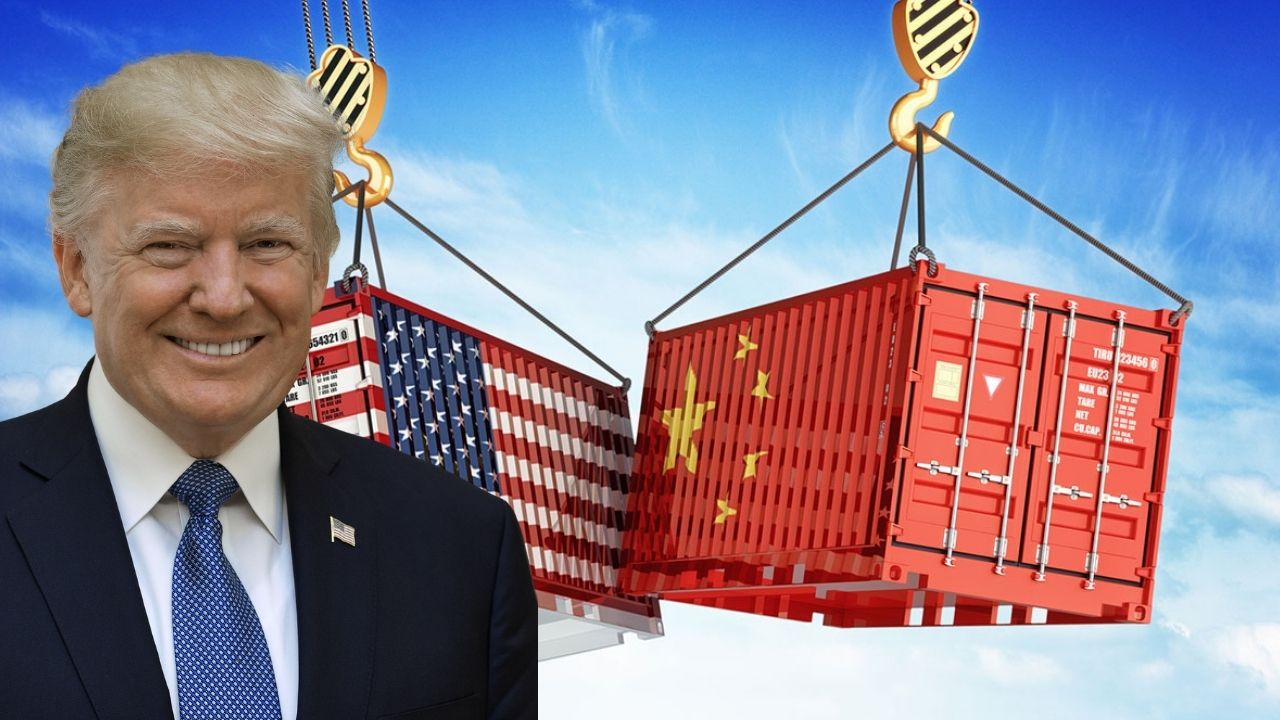
    President Donald Trump reignited the U.S.-China trade war by imposing 100 percent tariffs on all Chinese exports and tightening controls on key U.S. software. 

    The announcement sent global markets and cryptocurrencies into a sharp decline.

    Bitcoin tumbled more than 8 percent on Friday, October 11, falling to $104,782 as global markets reacted to renewed U.S.-China trade tensions after President Donald Trump imposed sweeping new tariffs and export restrictions, according to media reports.

    Beijing has tightened its export controls on rare earth minerals, materials that are essential to technology, defense, and electric vehicle manufacturing. In response, Trump said, “I thought it was very, very bad. For every element they monopolize, we have two. But we have to respond.” He also announced additional port fees on U.S. ships that will begin on October 14, 2025.

    Markets immediately turned volatile. Bitcoin slumped 8.4 percent, Ethereum lost 5.8 percent to trade at $3,637, and the S&P 500 dropped more than 2 percent, recording its biggest one-day fall since April. The Nasdaq sank 3.56 percent to close at 22,204.43. Semiconductor stocks also plunged, with the PHLX Semiconductor Index down 6.3 percent, while gold and U.S. Treasuries rose as investors sought safe havens.

    Cryptocurrencies and tech stocks faced the hardest hits. Nvidia, Tesla, Amazon, and AMD all lost over two percent in after-hours trading. Qualcomm dropped 7.3 percent amid reports of a new antitrust investigation in China. U.S.-listed Chinese tech giants, including Alibaba, JD.com, and PDD Holdings, fell between 5.3 percent and 8.5 percent. 

    The sell-off erased hundreds of billions of dollars in market capitalization and reignited fears that the new tariffs and export controls could disrupt global supply chains, especially in the technology and semiconductor sectors.

    Bitcoin’s sharp decline left investors anxious as the world’s largest cryptocurrency now trades nearly 20 percent below its September highs. Analysts told Reuters that the pullback reflects a shift toward a broader “risk-off” sentiment in global markets as investors brace for prolonged geopolitical and economic uncertainty.

    Attention now turns to the White House, Beijing, and the upcoming U.S. corporate earnings season, which begins Tuesday, October 14, with major banks set to report.

  • Top Saudi trade delegation explores new investment avenues in Pakistan

    Top Saudi trade delegation explores new investment avenues in Pakistan

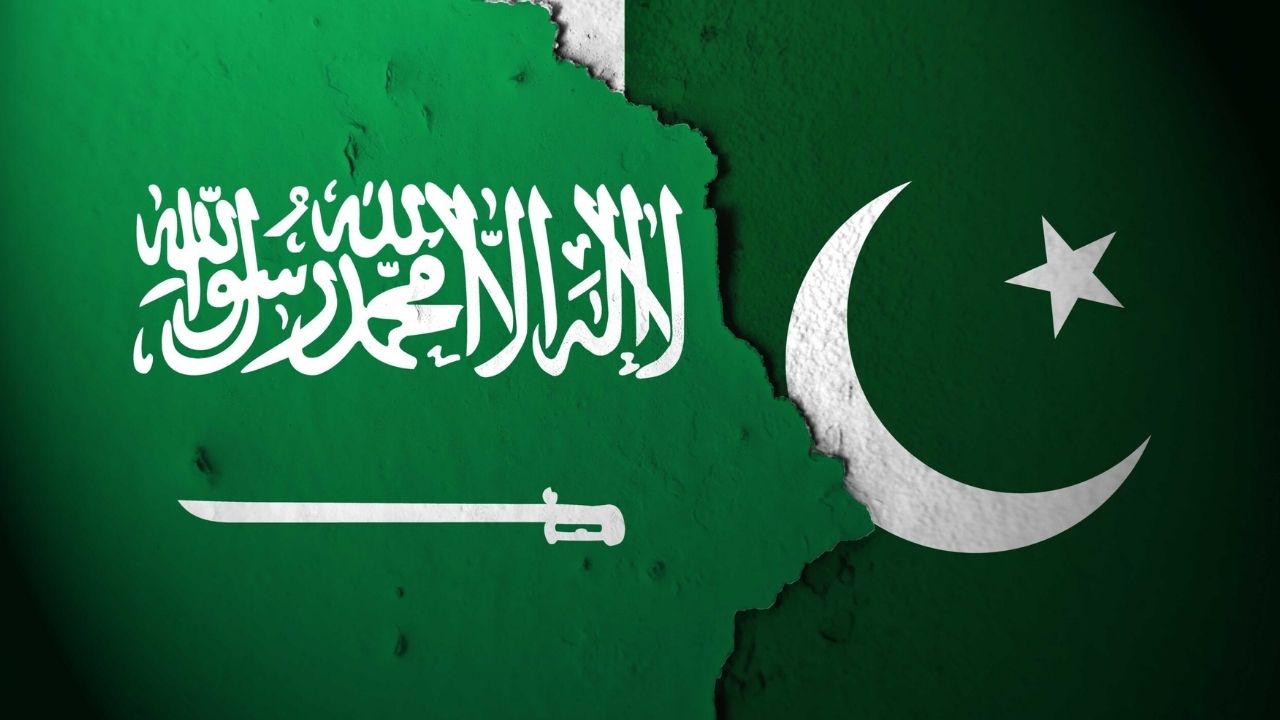
    Weeks after a historic mutual defence agreement between Pakistan and Saudi Arabia further enhanced the bilateral ties between the two countries, a high-level trade delegation from the Kingdom has participated in the Saudi-Pakistan Joint Business Council Meeting exploring new investment avenues.

    As per an official statement, the delegation, led by Prince Mansour bin Mohammed Al Saud, attended the Islamabad meeting organised under the Saudi-Pakistan Joint Business Council, with support from the Special Investment Facilitation Council (SIFC) and the Ministry of Commerce.

    The Saudi delegation included prominent business figures representing minerals, energy, agriculture and livestock, construction, infrastructure, tourism and real estate. Leading Pakistani entrepreneurs and private-sector representatives also attended the meeting, reflecting mutual resolve to expand bilateral trade and investment ties.

    During the session, Pakistani ministers, senior officials and industry leaders briefed the Saudi side on Pakistan’s evolving investment climate. They highlighted reforms undertaken to create a predictable, transparent, and investor-friendly environment, while presenting opportunities in SIFC’s priority sectors.

    Prince Saud praised Pakistan’s efforts to strengthen its investment ecosystem and reaffirmed the Kingdom’s commitment to long-term engagement aligned with Saudi Vision 2030.

    He said Pakistan was an important regional partner with promising prospects in agriculture, mining, energy, technology, tourism and real estate.

    The SIFC and the Ministry of Commerce also arranged a dedicated briefing session for the delegation, outlining Pakistan’s investment facilitation framework and regulatory reforms with focus on opportunities across energy, minerals, agriculture, tourism, real estate and information technology.
    The delegation will also visit Lahore and Karachi to meet provincial governments and business groups for exploring joint ventures and public-private partnerships, marking a milestone in advancing Saudi Vision 2030 and Pakistan’s investment-led development strategy.

  • Pakistan considering demolition of New York’s Roosevelt Hotel – one of its ‘most valuable foreign assets’: reports

    Pakistan considering demolition of New York’s Roosevelt Hotel – one of its ‘most valuable foreign assets’: reports

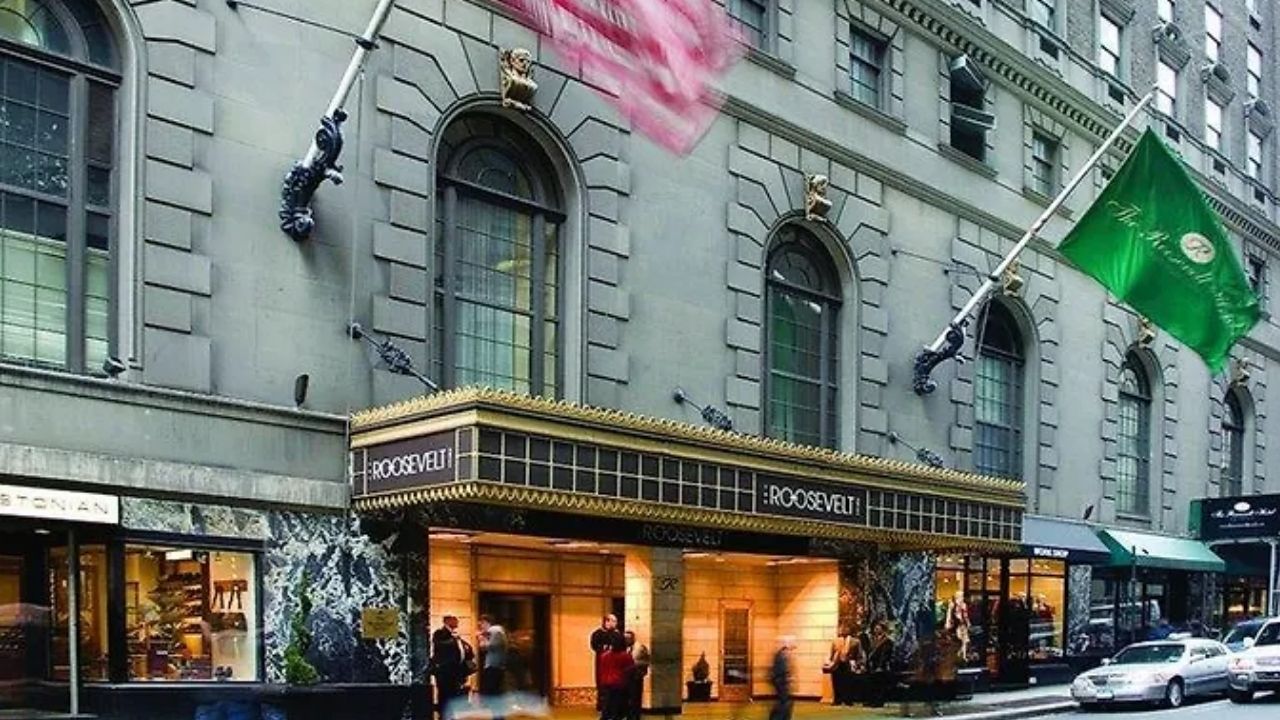
    Pakistan is assessing multiple options for the Roosevelt Hotel in New York City, including the potential demolition of the iconic property, as part of its efforts to meet obligations under the $7 billion International Monetary Fund (IMF) loan programme, Bloomberg has reported.

    One of Pakistan’s most valuable foreign assets is the century-old hotel named for former US President Theodore Roosevelt, which is situated in midtown Manhattan. 

    The hotel, which was purchased in 2000 and contains over 1,000 rooms, was shut down in 2020 as a result of significant financial losses. It has since been temporarily used as a migrant shelter.

    The government approved a “transaction structure for the Roosevelt Hotel” in July, opting to pursue a joint venture model in order to maximize the asset’s long-term value rather than selling it outright.

     One of the options being considered is tearing down the hotel to build a skyscraper, Muhammad Ali, the prime minister’s adviser on privatization, told Bloomberg.

    “The government is keen on a joint venture where Pakistan will contribute the land and the partner will bring in the equity,” Ali said.

    “The other option is to retain the hotel if it makes economic sense. We will have clarity in the next few months after finalising the JV partner and conducting market sounding.”

    In accordance with IMF regulations, the federal government is also proceeding with the restructuring or privatization of state-owned businesses.

     According to Bloomberg, some of the biggest business organizations in the nation are interested in purchasing Pakistan International Airlines (PIA), which may be the first company to be privatized.


    The airline reported a pre-tax profit in the first half of 2025, its first in almost 20 years, and Ali projected that an investment of roughly $500 million would be needed to turn it around.

    Pakistan is now in the process of appointing advisors to oversee the Roosevelt Hotel sale. Seven groups, including Citigroup Inc., CBRE Group Inc., and Savills PLC, have submitted bids; a final decision is expected later this month. 

    The hotel has been referred to as “the new Ellis Island” due to its historical significance as a migrant intake point, according to Bloomberg.

  • Pakistan stands out at second-most improved economy averting default risk: expert

    Pakistan stands out at second-most improved economy averting default risk: expert

    Pakistan has recorded one of the sharpest drops in default risk in Emerging Markets (EM), second only to Turkiye, said Khurram Schehzad, Adviser to the Finance Minister, on Sunday.

    Citing a Bloomberg report in his post on X, Schehzad said that the country recorded a 22% reduction in sovereign default risk over the last 15 months (from June 2024 to September 2025) as measured by CDS-implied default probability.

    The 22% reduction is the sharpest decline among major EMs, in contrast to rising default risks in countries such as Argentina, Egypt, and Nigeria, among others, he stated.

    Schehzad was of the view that the drop in the default risk signalled strengthening investor confidence in Pakistan’s economy.

    He stated that investor confidence improved following structural reforms, timely debt servicing, staying the course with the International Monetary Fund (IMF) programme, and positive ratings from global agencies.

    Pakistan is steadily rebuilding market credibility, Schehzad said, adding that the country was standing out as one of the most improved sovereign credit stories in the EM universe.

    The reduction in the default risks comes amid Pakistan’s ongoing negotiations with the IMF.

    Earlier this month, Minister for Finance and Revenue Muhammad Aurangzeb said that talks with the IMF were heading in the “right direction”.

    Expressing his satisfaction over the pace of talks with the Washington-based lender, the finance minister said that the government was confident of boosting Pakistan’s tax-to-GDP ratio to 11%.

  • It Takes a Family: MoltyFoam’s New TVC Redefines Support for New Mothers

    It Takes a Family: MoltyFoam’s New TVC Redefines Support for New Mothers

    In every Pakistani household, the arrival of a baby is a moment of pure joy. The newborn becomes the center of attention, with everyone eager to hold, kiss, and shower blessings on the little one. But amid the celebration, one person’s needs are often overlooked, the new mother.

    Recovering from childbirth is not easy. The sleepless nights, physical pain, and emotional highs and lows can overwhelm even the strongest women. Yet, too often, mothers are expected to “manage on their own” while the family’s focus remains on the baby.

    MoltyFoam’s new TVC beautifully flips this narrative. It reminds us that raising a child and supporting a new mother is not the job of one person, it takes a family.

    A Different Kind of Story

    Pakistani dramas and ads have long portrayed the mother-in-law versus daughter-in-law conflict, the absent husband, or the competitive sister-in-law. These tropes may feel familiar, but they reinforce a culture where women often struggle alone.

    MoltyFoam’s TVC breaks away from these stereotypes. It shows a family where the roles are different, kinder, supportive, and united.

    • The mother-in-law shows care instead of criticism.

    • The sister-in-law lends a helping hand instead of competing.

    • The husband steps up, bringing home MoltyFoam’s MoltyMom and Baby Range to give his wife the comfort she needs in her recovery.

    Together, they create a nurturing environment where the mother is just as cherished as the newborn.

    Why the Mother Matters

    A baby’s health depends on the mother’s well-being. When mothers are exhausted, unsupported, and emotionally drained, it affects not just them, but the entire household.

    By making the mother’s care a family responsibility, the TVC emphasizes a truth that is often ignored: when a mother feels secure, rested, and loved, the whole family thrives.

    More Than Products, A Message

    Being the best mattress brand in Pakistan, MoltyFoam’s Mom and Baby Range plays an important role in this narrative, providing comfort solutions designed to ease childbirth recovery. But what makes the campaign powerful is that it goes beyond products.

    It’s about changing mindsets. It’s about showing families what’s possible when they choose empathy over ego, and teamwork over tradition.

    Redefining Family Support

    Support is not about grand gestures; it’s about small, consistent acts of care. A mother-in-law helping her daughter-in-law rest. A sister-in-law looking after the baby so the mother can eat in peace. A husband ensures his wife is comfortable and emotionally supported.

    These moments may seem ordinary, but they redefine family life. They turn a household into a true support system.

    Conclusion

    MoltyFoam’s new TVC is more than a campaign, it’s a reminder that no mother should have to go through recovery alone after child birth. It calls on families to move past old stereotypes and embrace new traditions rooted in care and compassion.

    Because at the end of the day, raising a child and caring for a new mother is not the responsibility of one person.

    It takes a family.


    ___________________________________________________________________________

  • 40% regulatory duty imposed on import of used vehicles

    40% regulatory duty imposed on import of used vehicles

    The Federal Board of Revenue (FBR) has imposed a whopping 40% regulatory duty (RD) on the commercial import of old and used vehicles, it has emerged.

    According to a notification dated Oct 1, and reported Friday, the duty is in addition to regulatory duties imposed under S.R.O. 1152(1)/2025, dated June 30, 2025.

    “In exercise of powers conferred by sub-section (3) of section 18 of the Customs Act, 1969 (IV of 1969), the Federal Government is pleased to levy regulatory’ duty at the rate of 40 percent on commercial import of used vehicles, falling under PCT Heading 8702, 8703, 8704 and 8711 of the First Schedule to the said act, imported under clause (xvi) of S. No. 10 of the Table of Appendix-C of the Import Policy Order, 2022 as per the condition stipulated therein,” it read.

    The Ministry of Commerce had issued an SRO, allowing commercial import of up to five-year-old vehicles with 40% additional duty with immediate effect.

    In its meeting on September 18, 2025, the Economic Coordination Committee (ECC) of the Cabinet, presided over by Federal Minister for Finance and Revenue Senator Muhammad Aurangzeb, had approved the scheme on a summary moved by the Ministry of Commerce.

    The ECC decision was also ratified by the federal cabinet.

    While the import will be subject to environmental, safety and quality standards, testing and certification requirements prescribed by the Engineering Development Board (EDB) of the Ministry of Industries and Production, nothing contained in the clause shall be construed to override, restrict or otherwise affect any provisions relating to the same PCT headings provided elsewhere in this order.

    The government also approved the imposition of 40% Regulatory Duty (RD), in addition to the existing customs duties, on the commercial import of used vehicles (less than five years old).

    This duty will remain applicable until June 30, 2026. Thereafter, the duty shall be reduced gradually by 10 percentage points per year, reaching zero by 2029-30, in line with the recommendations of the Tariff Policy Board.

    “We don’t have any issue; we will start importing used cars,” reports quoted Indus Motor CEO Ali Asghar as saying.

    “Local industry will go down and all jobs will vanish,” he added.

  • ‘Pakistan doesn’t need UN aid as Rs4.3 trillion development budget enough for flood relief’

    ‘Pakistan doesn’t need UN aid as Rs4.3 trillion development budget enough for flood relief’

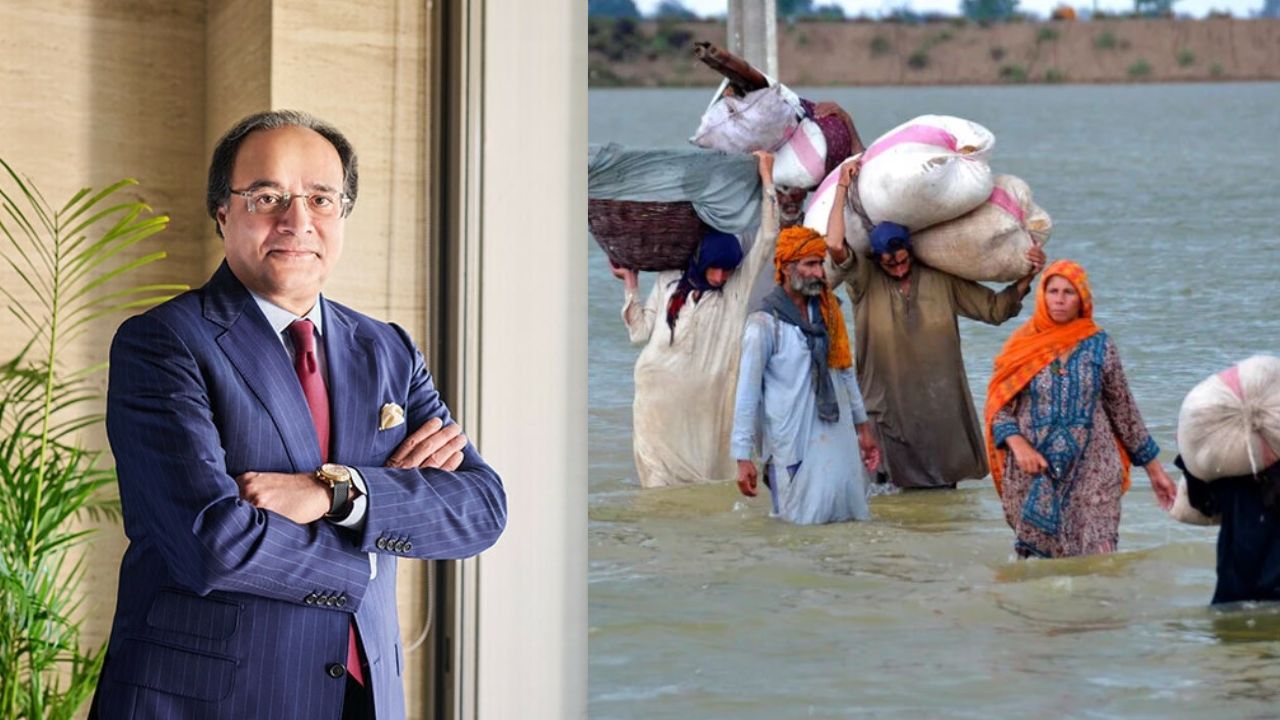
    Finance Minister Muhammad Aurangzeb has said that the country does not need any flood-related assistance from the United Nations (UN) as Pakistan has ample resources for rescue and relief efforts.

    Addressing the Pakistan Business Summit as a keynote speaker in Peshawar, Aurangzeb said that the funds from the country’s Rs4.3 trillion development budget could be repurposed with effective prioritisation and coordination between the federal and provincial governments.

    The statements come as Pakistan informs the International Monetary Fund (IMF) of economic losses amounting to Rs371 billion in the aftermath of recent floods, severely damaging infrastructure and agriculture.

    The government had at the time of the annual budget set a real GDP growth target of 4.2% for the ongoing fiscal year; however, in light of the flood-related damages, authorities have projected a downward revision of the target by 0.3% points, bringing it to 3.9%.

    Speaking at the occasion, Aurangzeb also said that Pakistan had made a significant improvement in remittances, which reached $38 billion last year and were projected to grow to $41-43 billion in the current fiscal year.

    The minister said that Pakistan successfully repaid $500 million in Eurobond obligations in September this year without market disruption and it is well-positioned to repay the $1.3 billion Eurobond in April 2026.

    The conference was the first major business activity in Peshawar in years as policymakers, investors and corporate leaders from across the country participated in the event under the theme of “Shaping What’s Next”.

    The summit was also addressed by acting president and Senate chairman Yusuf Raza Gilani, KP Governor Faisal Karim Kundi, Federal Minister for Privatisation Mohammad Ali, KP Advisor for Finance Muzammil Aslam, former minister Mohammad Azfar Ahsan and others.

    Aurangzeb said that the remittance inflows into the formal economy had increased. “Last year, we had $38 billion in remittances. This year, we expect $41-43 billion,” he said.

    He maintained that the policy rate, which remains at 11%, is expected to be lowered in the ongoing fiscal year. “Although the policy rate is very much the domain of the central bank, I think there is enough cushion that we can continue to push the rate south during the course of this fiscal year.”

    The finance minister also said that the Federal Board of Revenue (FBR) had been reduced to a tax collection forum, and economic policymaking had been shifted to the finance division.

    On the privatisation front, Aurangzeb told the participants that 24 state-owned enterprises had been handed over to the Privatisation Commission.


    On foreign direct investment and the road to the international market, he said that recent visits to Beijing, Riyadh and New York yielded tangible results.

  • Gillette’s parent company P&G exits Pakistan as part of global restructuring

    Gillette’s parent company P&G exits Pakistan as part of global restructuring

    Gillette Pakistan Limited announced on Thursday that its parent company Procter & Gamble (P&G) will exit Pakistan as part of a global restructuring plan.

    The company informed the Pakistan Stock Exchange (PSX) that P&G has decided to discontinue its operations in the country. Gillette Pakistan Limited will soon call a Board of Directors meeting to decide on the next steps, which may include delisting from the PSX in line with regulatory requirements.

    P&G, an American consumer goods giant founded in 1837, owns popular brands such as Pampers, Tide, Gillette, and Head & Shoulders. The company said it will wind down its manufacturing and commercial activities in Pakistan and instead rely on third-party distributors to serve customers in the market.

    “We have decided to shift our business and operating model in Pakistan and transition to a third-party distributor model,” P&G said in a statement. “This means we will wind down the manufacturing and commercial activities of P&G Pakistan and Gillette Pakistan Ltd. and serve consumers from our other operations in the region.”

    P&G added that it will continue business as usual until the process ends, which could take several months. The company also confirmed that it will support employees during the transition, offering opportunities abroad or separation packages in line with local laws and company policies.

    In June, P&G announced plans to cut 7,000 jobs worldwide, representing about 15 percent of its non-manufacturing workforce, as part of its restructuring program. Executives also signaled plans to exit certain categories, brands, and products in selected markets.

    The development adds to a growing list of multinational companies leaving Pakistan. Ride-hailing platform Careem suspended its services in July, citing economic challenges and competition. Around the same time, Microsoft also shut down its operations in the country.

    According to Bloomberg, between 2021 and 2024, more than 55 funded startups in Pakistan either closed or pivoted their businesses drastically.

  • Three Pakistani Brothers Take HR Startup Global: RepStack Joins Inc. 5000 List of America’s Fastest-Growing Companies

    Three Pakistani Brothers Take HR Startup Global: RepStack Joins Inc. 5000 List of America’s Fastest-Growing Companies

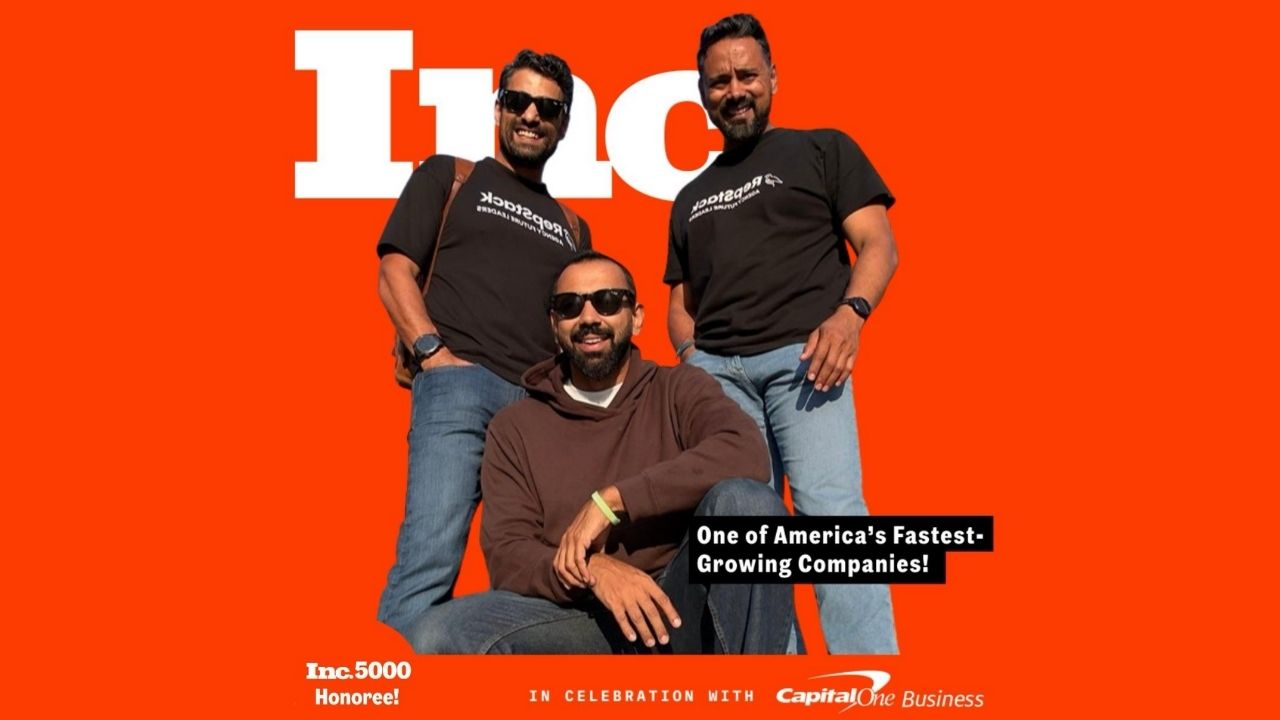
    From a small idea born during the COVID-19 pandemic to the global stage of entrepreneurship, RepStack, founded by three Pakistani brothers, has officially made it to the 2025 Inc. 5000 list of America’s fastest-growing private companies.

    Ranked No. 2,223 overall, 19th in Delaware, and 66th in the Human Resources category, RepStack has achieved 193% revenue growth over the past three years. This marks the company’s first appearance on the prestigious list, joining the ranks of past honorees like Microsoft, Meta, and Under Armour.

    See RepStack’s official listing here: Inc. 5000 Profile


    From Pakistan to the World: The Brothers Behind RepStack

    The RepStack journey began in 2020 when three brothers, Azhar, Athar, and Yawar Siddiqui, decided to combine their diverse professional backgrounds to build a global company.

    • Azhar Siddiqui, a 15-year digital marketing veteran based in Canada, brought agency growth expertise and client relationships.

    • Athar Siddiqui, with a career at JPMorgan Chase in the U.S., added financial discipline and business strategy.

    • Yawar Siddiqui, an ex-Ericsson engineer in Pakistan, brought systems thinking and operational excellence.

    Together, they launched RepStack as a 100% remote company, rooted in Pakistan but serving agencies across North America.

    “We began RepStack with a simple dream, to prove that world-class talent from Pakistan can power businesses globally,” said Azhar Siddiqui, Co-founder & CEO. “Being recognized on the Inc. 5000 list is not just a milestone for us, but a moment of pride for Pakistan. It shows what’s possible when training, opportunity, and resilience come together.”


    A Training-Driven Success Story

    RepStack’s breakthrough came when the brothers doubled down on training and development. Today, the RepStack Success Academy, often called the “Ivy League of marketing training” in Pakistan, has become a pipeline for young professionals, especially women, to build high-income remote careers. With over 70% female representation, the company is breaking barriers in a traditionally male-dominated industry.

    Its sister venture, GHL Success Academy, equips Pakistanis with certifications in GoHighLevel (GHL) CRM, one of the most in-demand skills in U.S. marketing agencies.


    Get enrolled today to boost your career in the global digital economy.

    Building the Future of Work

    Guided by its core values, Purpose-Driven Learning, Ownership of Work, Day 1 Mentality, and Compassionate Giving, RepStack has created a culture that blends Silicon Valley-style innovation with Pakistani resilience and drive.

    From three brothers in Pakistan to 250+ employees across Pakistan, Canada, and the U.S., the company is now aiming for 5,000 team members and $100 million in revenue by 2034.

    This recognition comes at a time when Pakistan’s entrepreneurial ecosystem is hungry for global role models. RepStack’s story shows how local talent, empowered by training and technology, can scale internationally and reshape the future of work.

    Learn more at repstack.co
    Explore our current openings @https://repstack.co/careers/

    Follow the journey: Facebook | LinkedIn | Instagram