Category: Business

  • BOP Posts Splendid 156% Growth in Operating Profit During 9-Months Ended September 30, 2025

    BOP Posts Splendid 156% Growth in Operating Profit During 9-Months Ended September 30, 2025

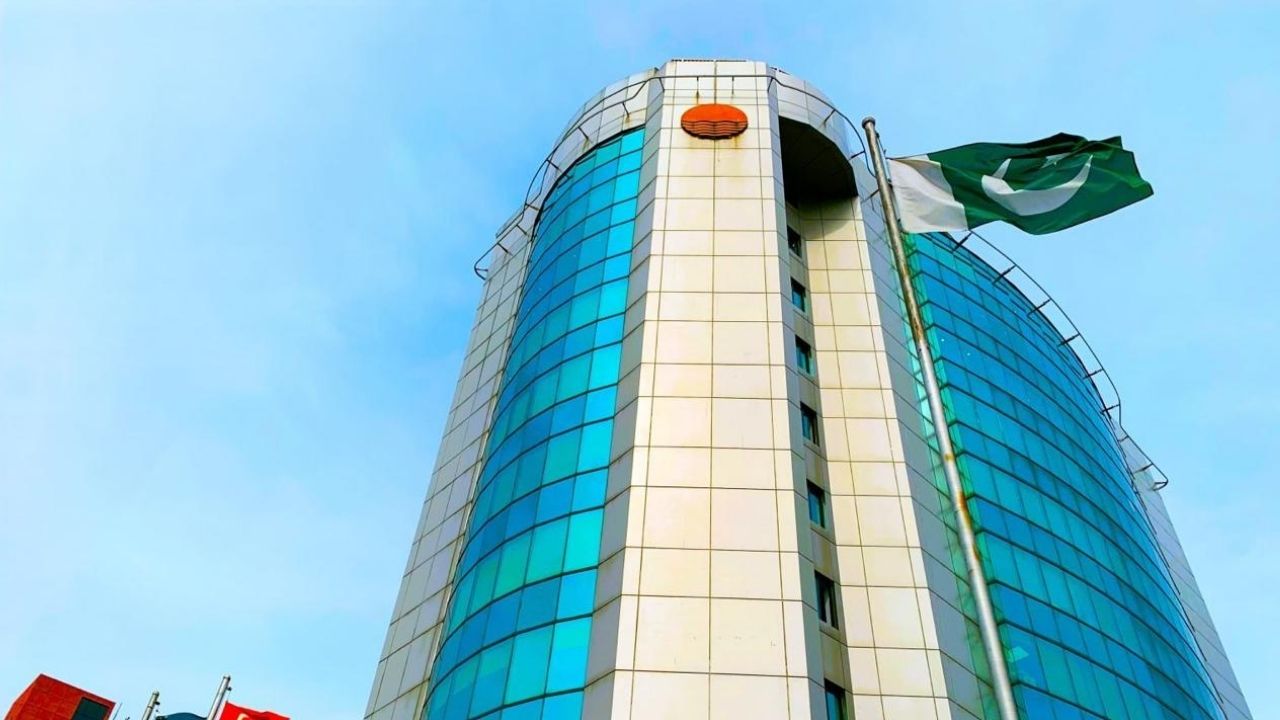
    In a meeting held on October 30, 2025, the Board of Directors of The Bank of Punjab (BOP) approved the un-audited financial statements for the nine months ended on September 30, 2025. The Board lauded the exceptional performance of the Bank, which has not only exceeded expectations but also delivered unprecedented financial results across all key performance areas.

    Despite a challenging macroeconomic backdrop—marked by declining interest rates and rising operating costs across the industry—the Bank sustained margin pressures and achieved exceptional financial performance. Operating profit reached Rs. 28.52 billion, reflecting a remarkable 156% increase over the same period last year. Net Interest Income grew by 91% to Rs. 58.46 billion, reaffirming the Bank’s ability to generate strong core earnings. Fee & Commission Income also posted healthy growth of 31%, driven by diversification of revenue streams and deepening client engagement across retail, corporate, and Islamic banking segments.

    Operational efficiency remained a central focus, with a notable improvement in the cost-to-income ratio. This was underpinned by disciplined expense management and productivity gains across business lines. Profit Before Tax rose by 81% to Rs. 26.40 billion, compared to Rs. 14.61 billion in the same period last year. Earnings per share increased to Rs. 3.65 from Rs. 2.57, despite the impact of a higher effective tax rate of 53%. These results underscore the Bank’s financial resilience and commitment to creating sustainable value for shareholders.

    The Balance Sheet remained robust and well-capitalized, with a Capital Adequacy Ratio of 17.43%. Total Assets stood at Rs. 2,536 billion, while Total Deposits grew 20% year-on-year to Rs. 1,885 billion. Current Deposits rose by an impressive 35% year-on-year, reflecting strong customer confidence and the success of targeted deposit-mobilization initiatives. Gross Advances reached Rs. 837 billion, while Total Investments and Lending to Financial Institutions amounted to Rs. 1,463 billion—highlighting a prudent, diversified asset allocation strategy. Exposure under government-sponsored schemes in agriculture, SME, and affordable housing segments remained fully secured through substantial first-loss guarantees, with exceptionally strong recovery levels of 97.5% to 100%, supported by robust collection mechanisms. Liquidity buffers were maintained at comfortable levels, ensuring resilience in volatile market conditions.

    BOP continues to serve as a key partner of the Government of Punjab (GoPb) in advancing transformative development and social-uplift initiatives spearheaded by the Honorable Chief Minister, Ms. Maryum Nawaz Sharif. Flagship programs include the CM Punjab Asaan Karobar Scheme, CM Punjab Kissan Card, CM Punjab Livestock Card, CM Punjab Petrol/Electric Bike Program, and Apni Chat Apna Ghar, among others. Through these initiatives, the Bank is enabling financial inclusion, empowering farmers and small businesses, and fostering sustainable economic growth.

    In addition, the Bank has been entrusted with the large-scale disbursement of financial relief to flood-affected communities, while also maintaining a leadership position in Federal Government-sponsored schemes.

    This record-breaking performance is a testament to the Bank’s clear strategic vision, disciplined execution, and unwavering commitment to value creation. By prioritizing innovation, digital transformation, and a customer-centric approach, BOP has positioned itself for sustained growth. These achievements reaffirm the strength of its business model and its ability to adapt effectively to evolving market dynamics, while consistently delivering value to all stakeholders.

  • Petrol prices likely to go up starting Nov 1

    Petrol prices likely to go up starting Nov 1

    After two weeks of reduced petroleum product prices, the same are likely to increase by up to Rs2.34 per litre starting November 1, reports said.

    According to reports, the potential spike is expected amid volatility in the international oil market and the impact of recent United States (US) sanctions on Russia’s top oil producers.

    Preliminary estimates for the first 12 days of the current pricing cycle suggest petrol prices may rise by Rs1.48 per litre while high-speed diesel (HSD) could go up by Rs1.38 per litre.

    Kerosene oil is likely to see a sharper increase of Rs2.34 per litre whereas light diesel oil (LDO) may edge higher by Rs0.49 per litre.

    If these trends continue, the new consumer prices from November 1 are projected to be Rs264.50 per litre for petrol, Rs276.80 for diesel, Rs184.05 for kerosene and Rs163.25 for LDO.

    Reports said that final price adjustments will be announced on the evening of October 31, after a review of the complete fortnight’s import and exchange rate data.

    It may be noted that petrol prices last changed in mid-October when the government announced a downward revision, providing some relief to consumers amid easing global oil rates and a relatively stable rupee.

    According to a notification issued by the Ministry of Finance, the price of petrol was reduced by Rs5.66 per litre while HSD was cut by Rs1.39 per litre.

    The new rates came into effect on October 16, following which a modest reduction in transport and commodity costs was reported.

  • HONOR and BYD Form Strategic Partnership to Advance AI-powered Intelligent Mobility

    HONOR and BYD Form Strategic Partnership to Advance AI-powered Intelligent Mobility

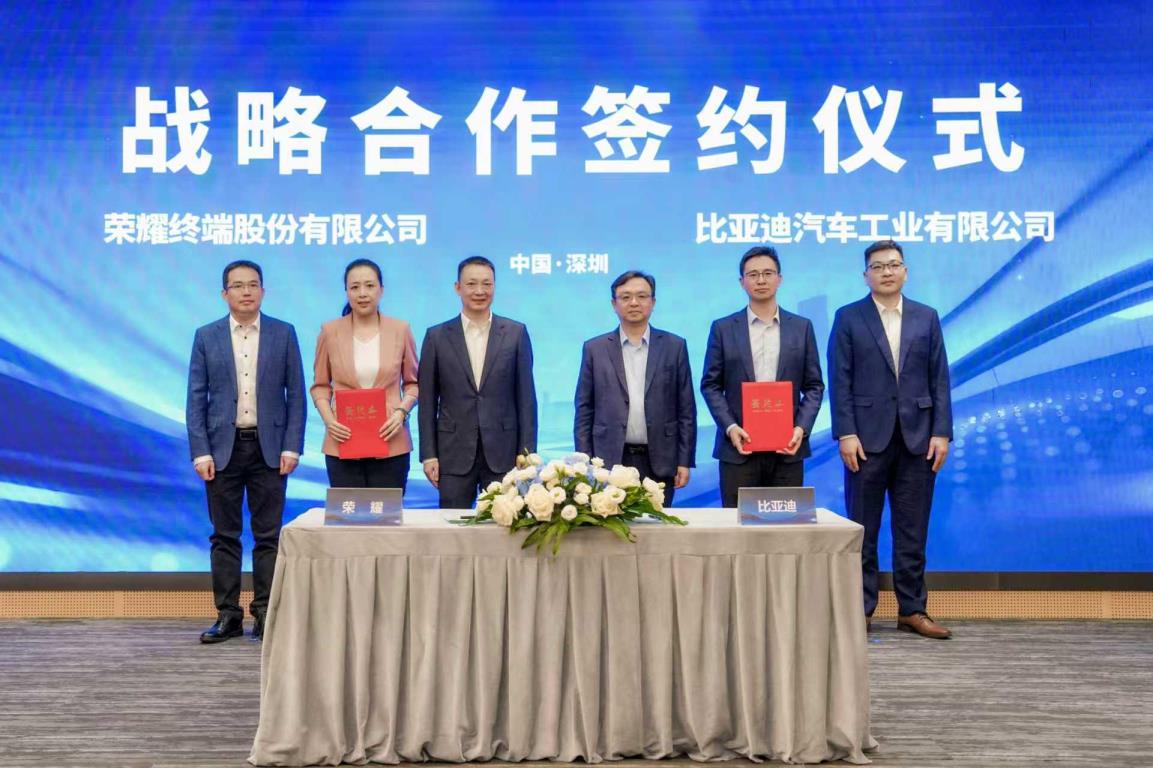
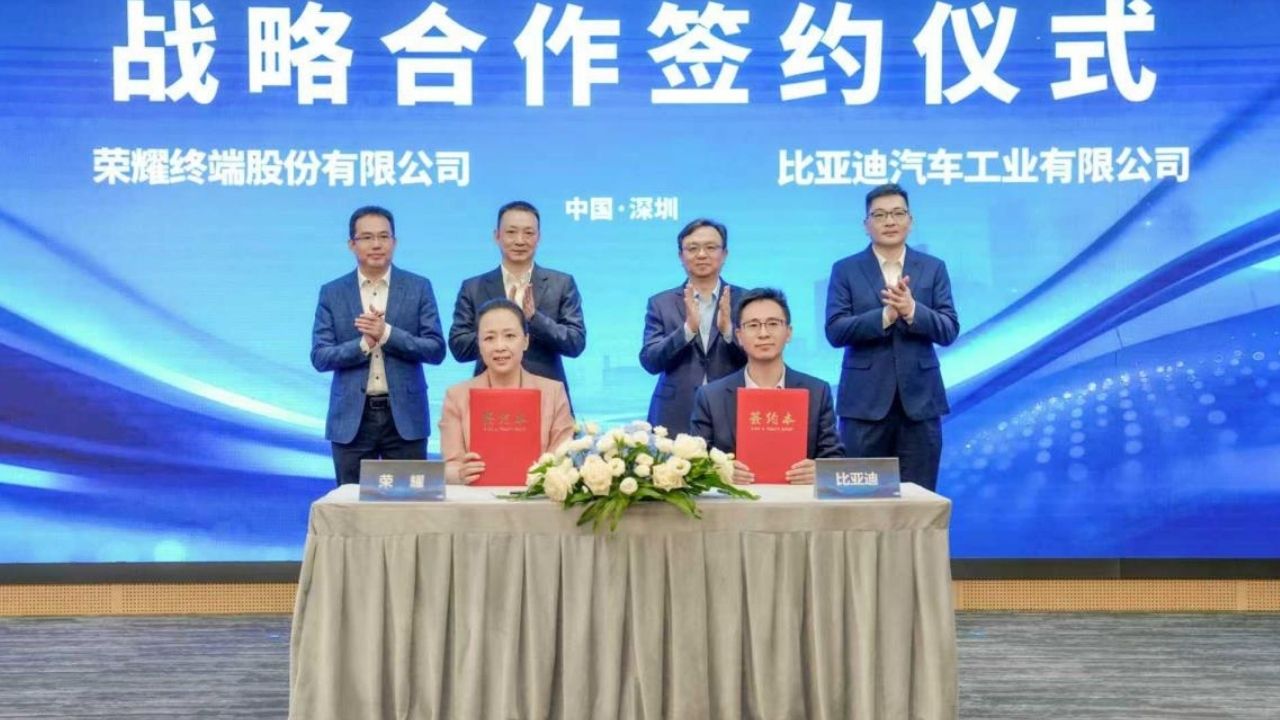
    Global AI device ecosystem company HONOR today announced a strategic partnership with BYD, the world’s leading new-energy vehicle manufacturer. The collaboration integrates HONOR’s vehicle connectivity solution with BYD’s next-generation DiLink smart ecosystem to deliver human-centric, AI-powered mobility experiences for consumers.

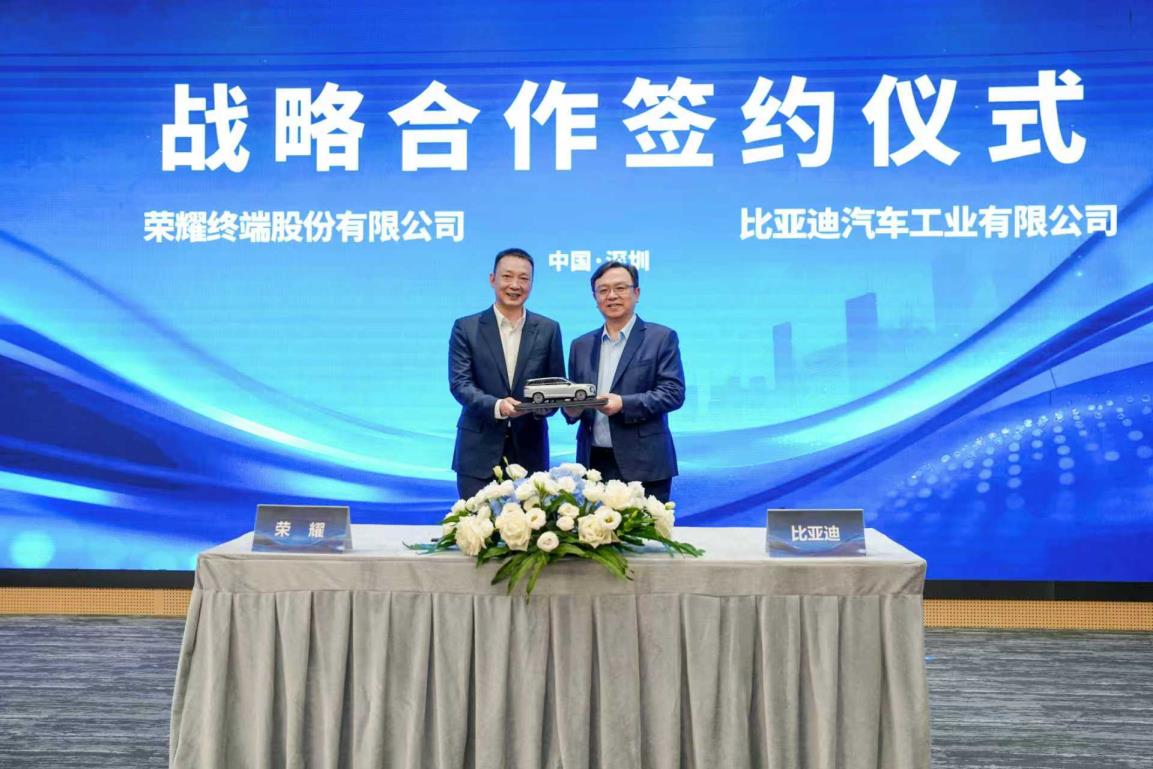
    The agreement was signed at a ceremony witnessed by James Li, CEO of HONOR, and Wang Chuanfu, Chairman and President of BYD Group. Fang Fei, President of Products at HONOR, and Yang Dongsheng, Senior Vice President of BYD and President of the Automotive New Technology Research Institute, signed on behalf of their companies, marking the start of deeper cooperation in intelligent mobility.

    This strategic partnership is not only a deep collaboration in technology and ecosystem between two industry leaders, but also a forward-looking commitment to the future of intelligent mobility.

    The partnership will progress along three pillars:


    Core technology and features: Joint innovation in cross-device ecosystem integration, AI agent integration, and high-precision Bluetooth-based car key.


    Channel ecosystem and user benefits: Establishing a collaborative channel model that leverages HONOR’s connected vehicle capabilities and BYD’s intelligent ecosystem to maximize interoperability between platforms.


    Joint communications and user engagement: Collaborative marketing, joint launches and user engagement around key launch milestones.

    HONOR and BYD first collaborated in 2023, introducing smartphone NFC car keys that let BYD owners lock and unlock vehicles with HONOR smartphones. In 2024, the partnership extended to in-vehicle fast charging. In 2025, building on phone-to-car connectivity, the partners deepened cooperation: DENZA became the first brand to adopt HONOR Car Connect, with coverage expanding across additional BYD brands to enable seamless cross-device interaction and service continuity.

    “At HONOR, we have always believed that the key to maximizing human potential lies in the combination of a human-centric focus and technology. Our partnership with BYD is a comprehensive collaboration for the AI era, with smart mobility as the key strategic focus at this stage. Together, we will advance joint technology development, complement each other’s strengths, and co-create an ecosystem of seamless and intelligent mobility experiences that enrich every journey and help usher in a new paradigm of smart living,” said James Li, CEO of HONOR.

    This strategic cooperation represents both a deep integration of technology and resources and a significant innovation in intelligent mobility. Looking ahead, both companies will continue to be user-centric and AI-driven, accelerating development and rollout of phone-to-car connectivity, digital keys, and other features while enhancing safety and convenience across smart mobility scenarios.

    The upcoming 2025 HONOR Global Developers Conference and AI Device Ecosystem Conference on October 23rd will also showcase the collaborative achievements of both parties. HONOR will also highlight the HONOR AI Connect platform and its role in building human-centric, scenario-based AI ecosystem solutions during the conference.

    About HONOR

    HONOR is a global leading AI device ecosystem company. It is committed to revolutionizing human-to-device interactions to bridge the AI ecosystem with all consumers in the agentic AI era and beyond. The company endeavors to open industrial boundaries through open, seamless collaboration to co-create a value-sharing ecosystem with industry partners. With an innovative product portfolio spanning AI phones, PCs, tablets, wearables and more, HONOR aims to empower every human, enabling everyone to embrace the new intelligent world.

  • Mian Mansha lauds PM’s five-star hotels plan for capital, but warns against public sector partnerships

    Mian Mansha lauds PM’s five-star hotels plan for capital, but warns against public sector partnerships

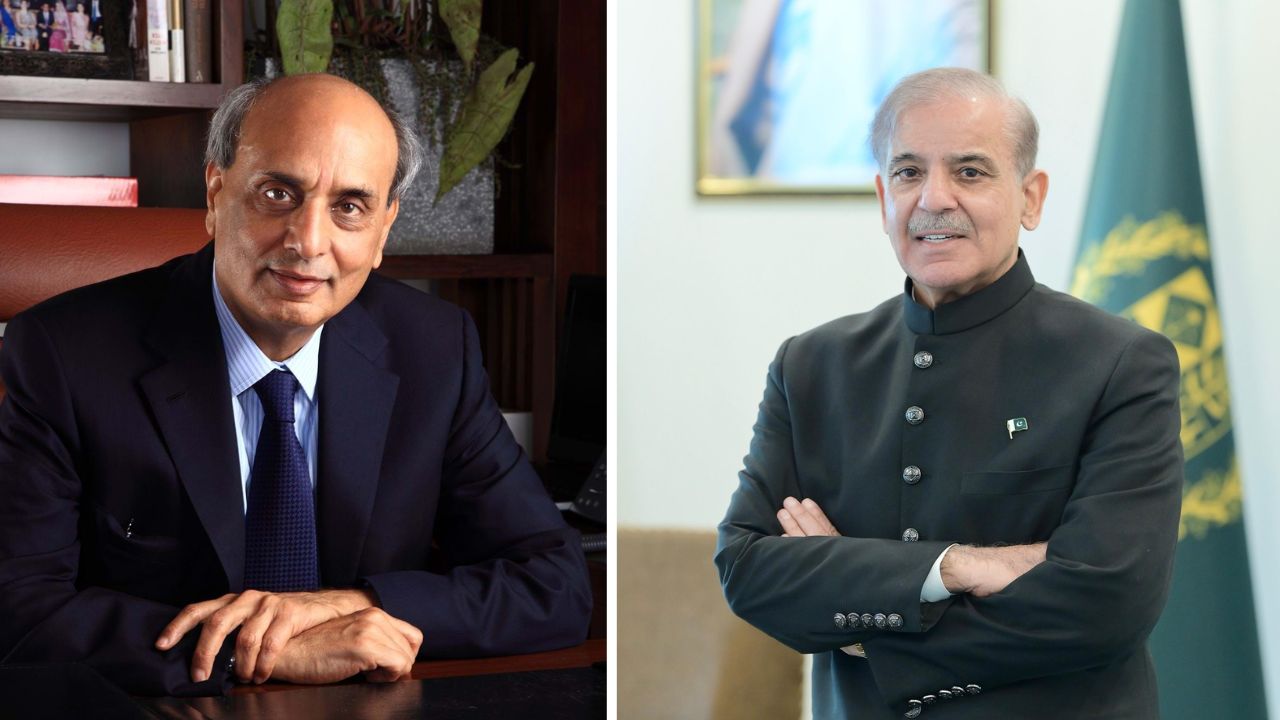
    Business Tycoon Mian Muhammad Mansha has praised Prime Minister (PM) Shehbaz Sharif’s plan to build new five-star hotels in Islamabad ahead of the Shanghai Cooperation Organisation (SCO) Summit 2027, but warned against public sector partnerships for the same.

    In a post on X, Mansha called it an “excellent and necessary step” to showcase Pakistan’s hospitality on the global stage, but questioned why the government was planning to develop these hotels through public sector entities.

    “[…] I am concerned about the proposed execution. While the government is pursuing disinvestment & privatization of SOEs, this vital hotel project is being pushed as a public sector undertaking with CDA [Capital Development Authority] & EOBI [Employees’ Old-Age Benefits Institution],” he said.

    Mansha added that hotel development was a specialized and capital-intensive business that must run on market-driven business lines to succeed.

    “Public sector partnerships here are rarely feasible and risk failure,” he added and advised the government to invite private investment instead of relying on public institutions.

    “We should be empowering private investors who are already seeking to develop quality hotels in Islamabad, not creating new public sector competition or administrative hurdles for them.”

    Last week, PM Shehbaz directed the CDA to immediately begin work on new five-star hotels in the federal capital to accommodate international delegates expected for SCO 2027.

    While laying the foundation stone of the 1.3-kilometer Shaheen Chowk Underpass on Friday, the premier emphasised that hotel development must be prioritised alongside the new Convention Centre project as, he said, both facilities were vital for hosting the high-profile international summit.

    According to CDA officials, the government plans to construct luxury hotels on two CDA-owned plots in Sector G-5. The body is actively seeking investment partners to launch the project.

    Reports quoted officials as confirming that a recent meeting between the CDA and EOBI had explored collaboration opportunities.

  • FFC Announces Financial Results for Q3, 2025

    FFC Announces Financial Results for Q3, 2025

    Fauji Fertilizer Company Limited (FFC) has announced its financial results for the period ended September 30, 2025, as approved in the Board of Directors’ (BOD) meeting held on October 23, 2025.


    Ensuring safe, efficient and reliable operations, FFC Plantsites produced aggregate urea of 2,207 thousand tonnes whereas DAP production of 622 thousand tonnes was also achieved during the period.  Aggregate fertilizer revenue stood at PKR 283 billion, with a urea offtake of 1,955 thousand tonnes and DAP sales of 541 thousand tonnes  


    The Company closed the period with net earnings of PKR 57.6 billion, compared to PKR 50.6 billion in the same period last year, translating into earnings per share of PKR 40.5.


    The BOD declared third interim dividend of PKR 9.50 per share, in addition to the dividend already paid of PKR 19 per share.

  • Nationwide fuel shortage could be around the corner, here’s why…

    Nationwide fuel shortage could be around the corner, here’s why…

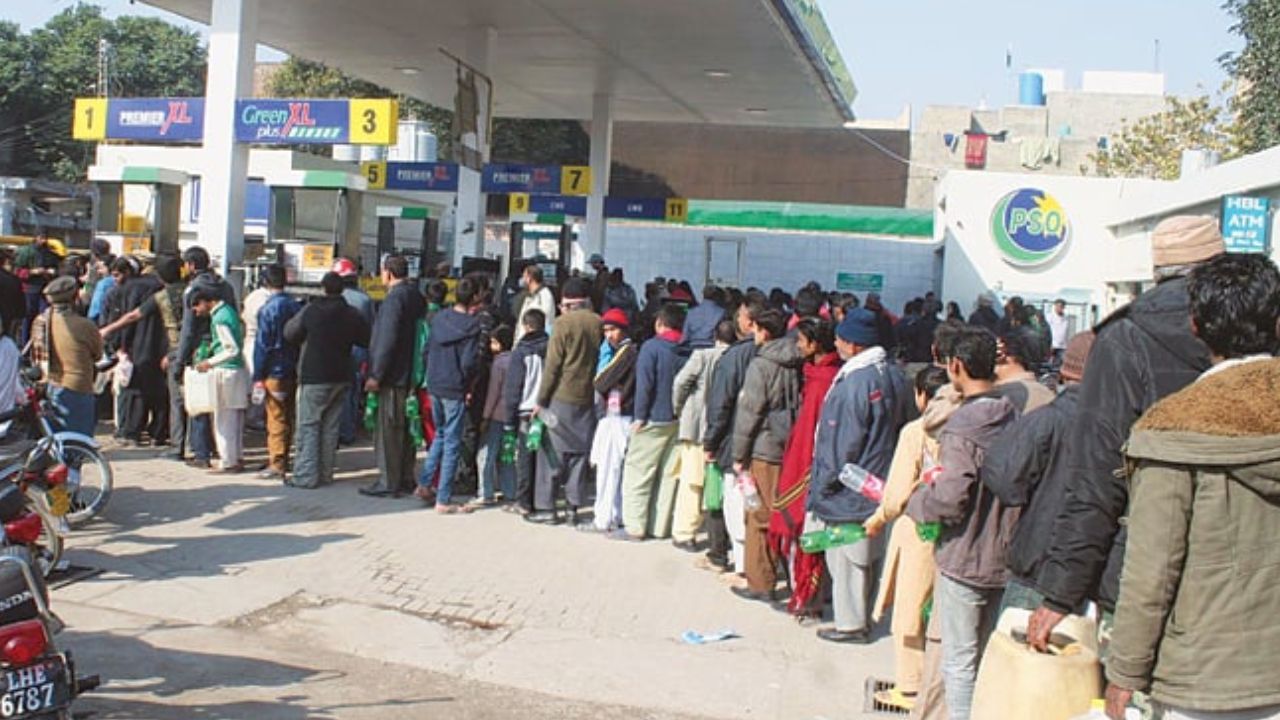
    Pakistan could soon be facing a nationwide shortage of fuel as loads of petroleum cargoes remain stuck at ports over tax dispute, it has emerged.

    According to The News, the oil industry has warned that the Sindh government’s decision to reinstate a 100% bank guarantee requirement under the Sindh Infrastructure Development Cess (IDC) could disrupt the country’s fuel supply chain within days if the issue is not immediately resolved.

    The Oil Companies Advisory Council (OCAC), in its letter to the Sindh chief minister (CM) and federal authorities on Monday, said that at least five major petroleum shipments, including vessels carrying petrol and diesel for PSO, HPL, PGL and Parco, are currently awaiting customs clearance at Karachi ports.

    With petrol stocks at Keamari rapidly depleting, the industry has warned of severe nationwide disruptions, particularly during the ongoing agricultural season.

    “The oil supply chain is on the brink of collapse. Recovery could take over two weeks if cargoes are not cleared now,” the OCAC said about the dispute centred on the 1.8% IDC levied by the Sindh and Balochistan governments on POL imports.

    While the Supreme Court is still hearing the case, the Sindh Excise Department has abruptly withdrawn an interim arrangement, previously allowing undertakings instead of bank guarantees, and is now demanding billions of rupees in guarantees per vessel – a financial burden that the industry says it cannot bear.

    With regulated pricing, tight credit lines and razor-thin margins, the OCAC estimates that IDC adds over Rs3 per litre to the cost of fuel, a burden that cannot be passed on to consumers under current pricing mechanisms.

    The OCAC pointed out that Punjab and Khyber Pakhtunkhwa (KP) have already exempted POL products from IDC, aligning with federal jurisdiction over petroleum pricing, and urged the Federal Board of Revenue (FBR) as well as Customs to immediately clear all petroleum cargoes without bank guarantees.

    It also called for a policy-level resolution, including formal recognition of petroleum pricing as a federal subject, inclusion of IDC in fuel pricing mechanisms and a framework to recover past IDC dues.

  • Nestlé Pakistan delivers strong growth in Q3 2025

    Nestlé Pakistan delivers strong growth in Q3 2025

    Nestlé Pakistan delivered a strong growth of 19.2% for the third quarter ended September 30, 2025, benefiting from a lower comparative base post implementation of sales tax on majority of the portfolio effective from 1st of July 2024.

    This resulted in nine- month sales of PKR 150.8 billion, reflecting an increase of 1.1% compared to the corresponding period last year.


    A favorable product mix and value chain optimization initiatives led to an improvement in gross and operating profit margins. Furthermore, reduced borrowing coupled with reduction in interest rate led to lower finance cost, aiding an improvement in net profit.


    The results were announced following a meeting of the Board of Directors at the Company’s Head Office.


    On the back of relatively stable macroeconomic situation and low inflation, management maintains a cautiously optimistic outlook on business performance for the remainder of the year, while keeping its focus on opportunities to drive efficiency across the value chain and delivering quality products to our consumers.”

  • Drop in petrol prices likely: reports

    Drop in petrol prices likely: reports

    Petroleum prices in the country are likely to drop from October 16, media reports have quoted sources as saying.

    According to reports, the price of petrol is likely to decrease by Rs6.10 per litre whereas the price of high-speed diesel could drop by 97 paisas.

    The price of kerosene is expected to drop by Rs2.75 per litre, reports said, adding that the price of light diesel oil could be reduced by Rs1.64 per litre.

    The petroleum industry has completed its calculations and submitted them to the Oil and Gas Regulatory Authority (OGRA), reports said, adding that the authority would send its summary for said price changes to the Petroleum Division.

    The Petroleum Division would then forward it to the Ministry of Finance, which, after consultation with the prime minister, would give final approval for it.

    It merits a mention that the report comes two weeks after the federal government announced an increase in the prices of petroleum products, with the new rates taking effect from October 1.

    According to a notification issued by the Ministry of Finance, the price of petrol was raised by Rs4.07 per litre while high-speed diesel prices were increased by Rs4.04 per litre.

    Following the price hike, petrol currently costs Rs268.68 per litre – up from Rs264.61 – and high-speed diesel is priced at Rs276.81 per litre – up from a previous rate of Rs272.77.

    These revised prices were to remain in effect for the next 15 days. The hike was part of the government’s routine review of petroleum prices, which are influenced by fluctuations in international markets and exchange rate changes.

    Earlier, on September 16, the federal government had announced new petroleum prices for the next 15 days, keeping petrol unchanged while increasing the price of high-speed diesel.

  • US, China in tit-for-tat port fee battle amid rising trade tensions

    US, China in tit-for-tat port fee battle amid rising trade tensions

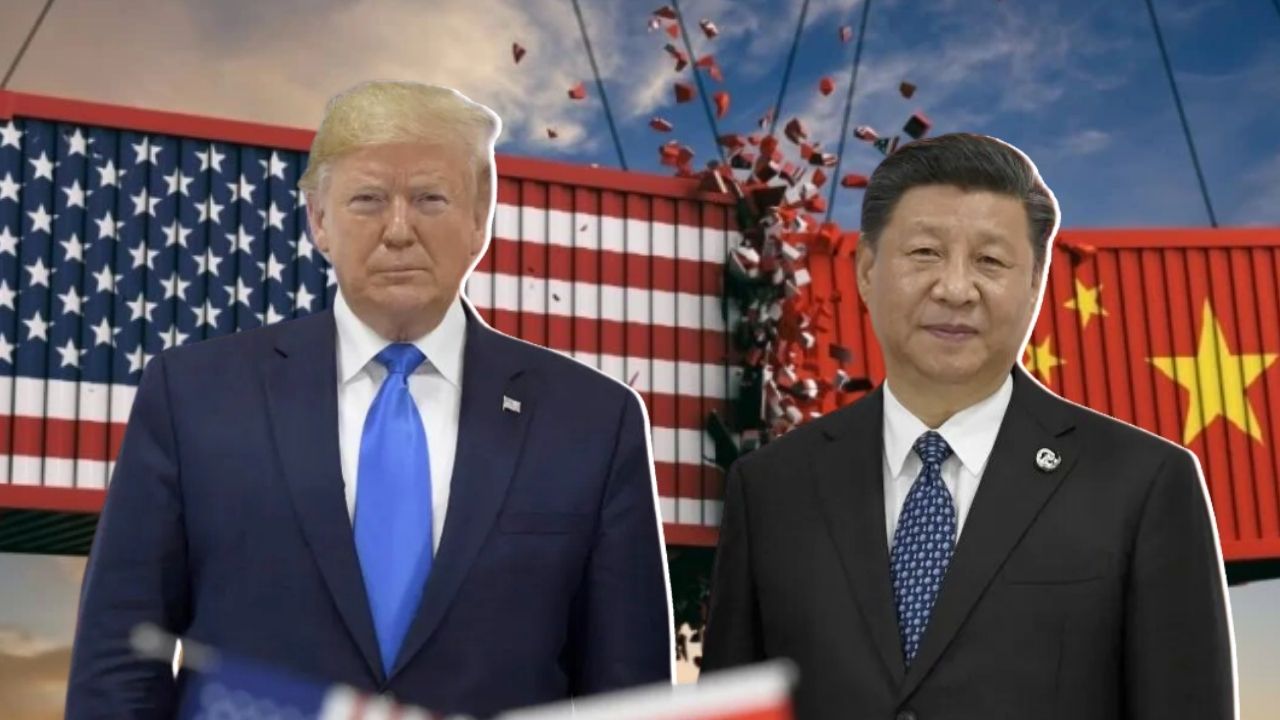
    The United States of America and China have began imposing additional port fees on shipping companies on Tuesday, escalating trade tensions between the world’s two largest economies, Reuters has reported. 

    The new fees targets vessels that transport goods ranging from crude oil to holiday toys, turning maritime trade into a new front in the ongoing economic rivalry.

    According to Chinese state broadcaster CCTV, Beijing has started collecting special charges on U.S.-owned, operated, built, or flagged vessels. However, ships built in China will not face these levies. Exemptions also cover empty vessels entering Chinese shipyards for repair. The new Chinese fees will apply either at the first port of entry on a voyage or for the first five voyages within a year, following an annual billing cycle that starts on April 17.

    Earlier this year, U.S. President Donald Trump’s administration announced similar port fees on China-linked vessels to reduce China’s dominance in global shipping and strengthen American shipbuilding. The U.S. decision followed an investigation during former President Joe Biden’s term that accused China of using unfair trade practices to control the maritime and logistics sectors.

    China responded by introducing its own port fees on U.S.-linked ships, effective the same day as the American charges. Analysts expect Chinese shipping giant COSCO to be the most affected, likely bearing nearly half of an estimated $3.2 billion in related costs by 2026.

    Beijing also imposed sanctions on five U.S.-linked subsidiaries of South Korean shipbuilder Hanwha Ocean, accusing them of assisting a U.S. investigation into Chinese trade practices. Additionally, China launched an internal probe into how the U.S. measures have impacted its shipping and shipbuilding industries.

    “This tit-for-tat symmetry locks both economies into a spiral of maritime taxation that risks distorting global freight flows,” Athens-based Xclusiv Shipbrokers Inc said in a research note cited by Reuters.

    A Shanghai-based trade consultant said the new charges may not heavily disrupt the industry and that any increased costs would likely be passed on through higher prices. “What are we going to do? Stop shipping? Trade is already disrupted, but companies are finding a way,” the consultant said.

    The U.S. later announced a temporary exemption for long-term charterers of China-operated vessels carrying U.S. ethane and LPG, delaying the fees until December 10. Still, ship-tracking firm Vortexa said 45 large gas carriers—about 11% of the global fleet—remain subject to China’s new port fees.

    Clarksons Research estimated that the measures could affect oil tankers covering 15% of global capacity, while Jefferies analyst Omar Nokta said 13% of crude tankers and 11% of container ships worldwide could be impacted.

    In a separate move, President Trump threatened to impose 100% tariffs on Chinese goods and new export controls on critical software by November 1 in retaliation for China’s restrictions on mineral exports. U.S. officials also warned that countries supporting a United Nations plan to cut shipping emissions could face sanctions or port restrictions.

    Xclusiv noted that these moves show how global shipping has shifted from a neutral part of trade to a tool of political power.

    Meanwhile, shares of Shanghai-listed COSCO rose more than 2 percent on Tuesday. The company said its board had approved a plan to repurchase up to 1.5 billion yuan ($210 million) of its shares within three months to protect shareholder interests. COSCO did not respond to Reuters’ request for comment on the new fees.

  • Pakistan welcomes largest container ship in its history at Karachi port

    Pakistan welcomes largest container ship in its history at Karachi port

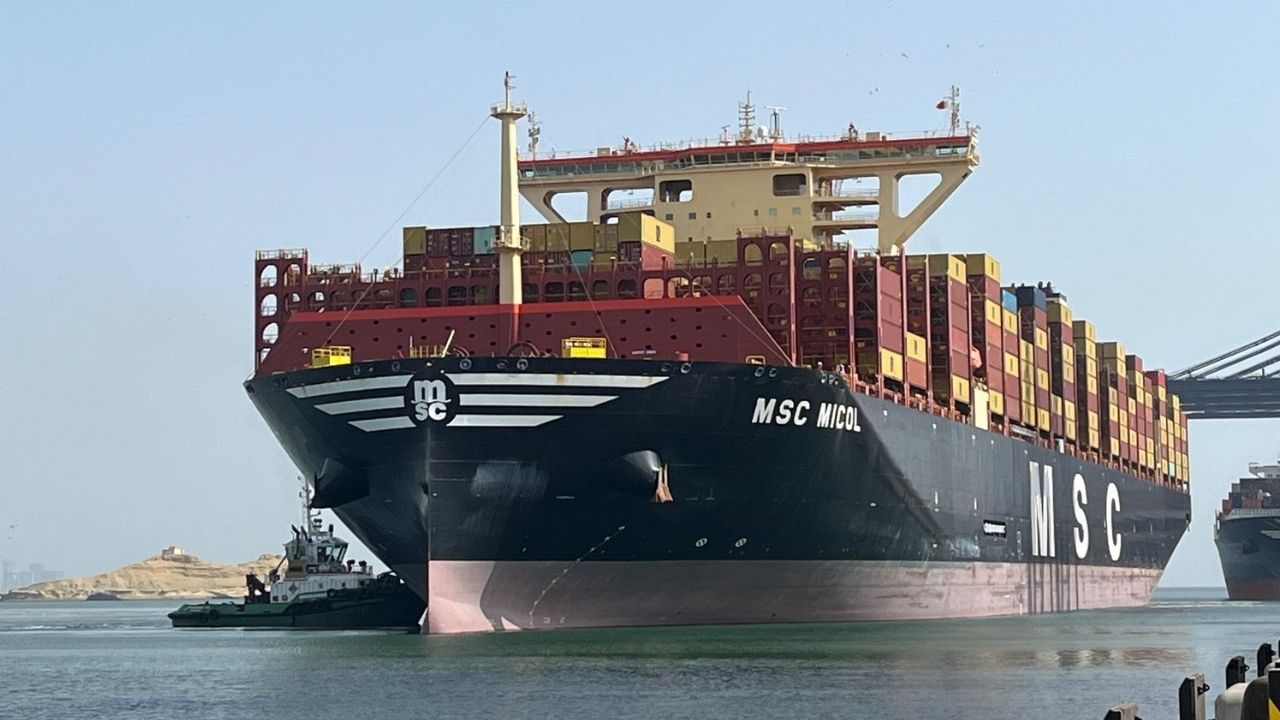
    Pakistan made maritime history as Hutchison Ports Pakistan in Karachi have received the MSC Micol, the largest container ship ever to dock in the country.

    The 400-meter-long vessel, operated by the Mediterranean Shipping Company (MSC), has a carrying capacity of more than 24,000 containers, marking a major milestone for Pakistan’s shipping industry.

    Hutchison Ports Pakistan, a subsidiary of the Hong Kong-based Hutchison Ports group, said the berthing of MSC Micol shows the country’s ability to handle next-generation container ships that dominate global trade routes.

    “MSC Micol, measuring 400 meters in length with a capacity of 24,070 TEUs, is the largest vessel ever to call at a Pakistani port, marking a historic milestone for the maritime industry,” read a statement by the terminal manager.

    The company said that the arrival of the ship reflects growing global confidence in Pakistan’s maritime potential and highlights the port’s ability to accommodate ultra-large vessels. The development is expected to help lower freight costs, improve trade efficiency and make Pakistani exports more competitive in international markets.

    Until now, Pakistan’s major ports, Karachi Port and Port Qasim, handled smaller vessels because of draft limitations. Since becoming operational in 2018, Hutchison Ports Pakistan has provided the country with its first deep-water terminal capable of receiving ships up to 400 meters long.

    Located in Karachi’s Keamari district, the terminal is part of Hutchison Ports’ global network that spans 53 ports in 24 countries. The facility plays a key role in improving trade connectivity and supporting Pakistan’s export growth under the China-Pakistan Economic Corridor (CPEC).

    Industry experts believe that welcoming ultra-large container ships will help reduce per-container handling costs and attract major shipping lines to include Pakistan in their main Asia–Europe routes, cutting dependence on transshipment through Gulf ports.