Category: Business

  • Petrol up by Rs4.07, diesel by Rs4.04 in latest revision

    Petrol up by Rs4.07, diesel by Rs4.04 in latest revision

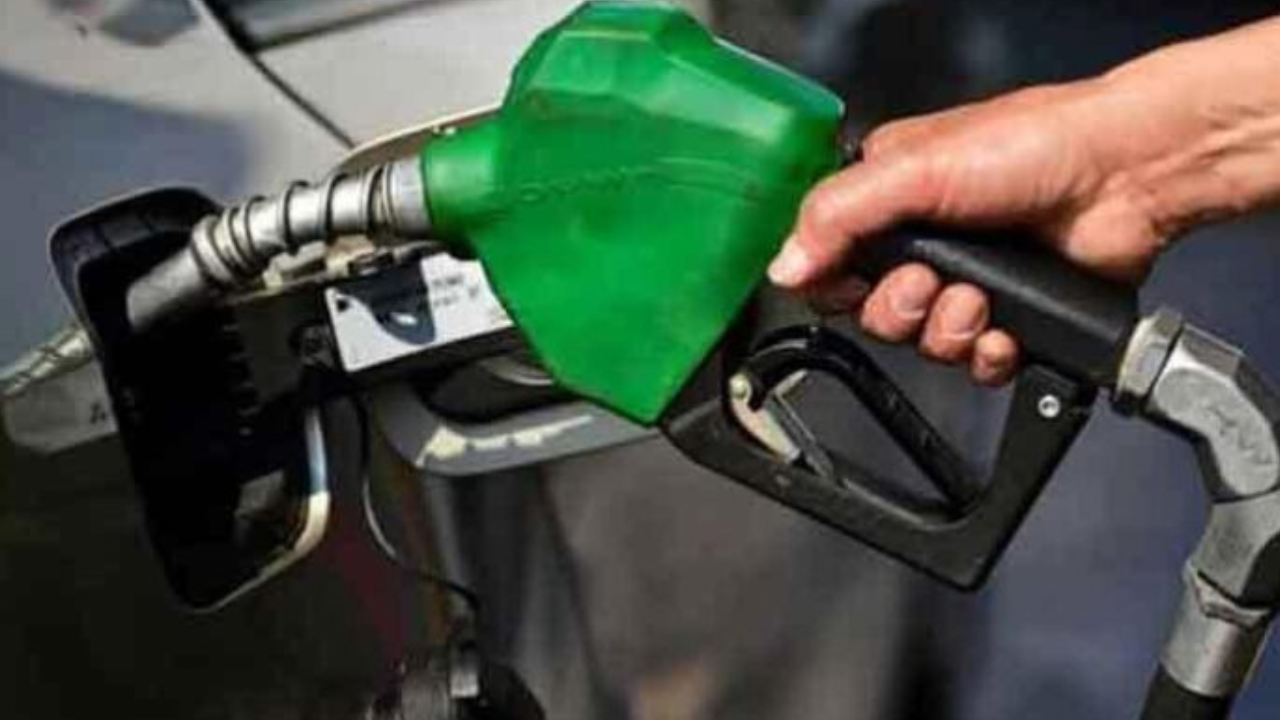
    The federal administration has raised the costs of petrol and high-speed diesel, with the updated prices becoming effective from October 1. 


    As per a notification released by the Ministry of Finance, the price of petrol has been increased by Rs4.07 per litre. After this adjustment, petrol will now retail at Rs268.68 per litre, an increase from Rs264.61. High-speed diesel has seen a price hike of Rs4.04 per litre, bringing its cost to Rs276.81 from Rs272.77.


    These new prices, in effect for the next 15 days, were implemented at fuel stations starting at midnight. The government evaluates petroleum prices every two weeks, with changes correlating to fluctuations in global oil prices and the exchange rate.

    This marks the second adjustment in fuel prices within a month. On September 16, the government had announced new prices where the petrol rate remained the same while high-speed diesel costs were increased.

    Petrol is predominantly used in motorcycles, cars, and rickshaws, which are vital modes of transport for the middle and lower-income populations. This increase is anticipated to impact daily commuting expenses, especially in urban locales where motorcycles and rickshaws play a significant role in mobility.

    Conversely, high-speed diesel has far-reaching implications for the economy. It is widely utilized by the transport sector, powering buses, trucks, and railways. In rural regions, it is essential for operating agricultural machinery like tractors and tube wells. 

    A rise in diesel prices typically results in increased costs for vegetables and other food items, given the crucial role transportation is plays in supply chains

    The Ministry of Finance noted that the government has revised the prices of petroleum products based on the recommendations of the Oil and Gas Regulatory Authority (OGRA) and the relevant ministries.

  • Economy stable despite supply chain disruption, higher inflation fears: report

    Economy stable despite supply chain disruption, higher inflation fears: report

    The Ministry of Finance has cautioned that the devastating floods of 2025 could disrupt supply chains and push inflation higher, even as the economy shows signs of stability in other areas.

    “Due to ongoing floods in 2025, the agriculture sector is expected to suffer,” the ministry said in its Monthly Economic Update and Outlook for September 2025.

    It went on to say that flood-related disruptions could exert pressure on food supply chains, leading to an uptick in prices with inflation expected to rise but remain contained within the 3.5-4.5 percent range.

    Despite widespread floods since July, inflation decreased, large-scale manufacturing improved and fiscal imbalances were kept in control. While damage assessments of Kharif crops and livestock continue, the government has declared climate and agriculture emergencies across the country.

    It also highlighted that overall economic activity had stayed the stable in spite of these concerns.

    “The rebound in large-scale manufacturing, supported by encouraging trends in cement dispatches, automobile production and allied industries indicates strengthening industrial momentum in the months ahead,” the report said and predicted stability in the external sector.

    With exports showing early signs of recovery and remittances offering strong support, the current account deficit is also expected to remain manageable despite increased import demand. Declining global commodity prices could further ease the import bill.

    According to the report, the economy maintained its stabilisation and growth trajectory during the first two months of the ongoing fiscal year.

    On the fiscal side, the ministry said performance would continue to improve in FY26, following “an eight-year low fiscal deficit and a 24-year high primary surplus”.

    Net federal revenues, however, rose by just 7.7percent in July, driven by 23.9percent growth in non-tax revenues and 14.8percent in tax revenues. Non-tax revenues were mainly supported by petroleum levy, dividends and defence receipts.

    Between July and August, the FBR’s net collection grew by 14.1percent, while expenditures increased by 28.8percent. As a result, the fiscal deficit was contained at 0.2percent of GDP, and the primary surplus improved to Rs228.9 billion (0.2percent of GDP) compared to Rs107.1billion (0.1percent of GDP) in the same period last year.

    The external sector remained under pressure. The current account deficit widened to $624 million in July-August FY26 from $430million a year ago. Exports rose 10.2pc to $5.3bn, while imports increased 8.8percent to $10.4billion, pushing the trade deficit to $5.1billion. Remittances climbed 7percent to $6.4billion, with Saudi Arabia (24.6percent) and the UAE (20.6percent) remaining top contributors.

    Net FDI inflows, however, fell 22 percent to $364.3 million. Portfolio investments saw outflows of $74.8m (private) and $11.8m (public). By Sept 19, foreign exchange reserves had improved to $19.8 billion with $14.4 billion held by the State Bank as compared to just $9.5 billion at the same time last year.

    According to the ministry, there was significant investor confidence as the stock market maintained its bullish run and monetary conditions remained solid.

  • Pakistan’s Second Retail Station Made with Recycled Plastic Inaugurated by Wafi Energy in Rawalpindi

    Pakistan’s Second Retail Station Made with Recycled Plastic Inaugurated by Wafi Energy in Rawalpindi

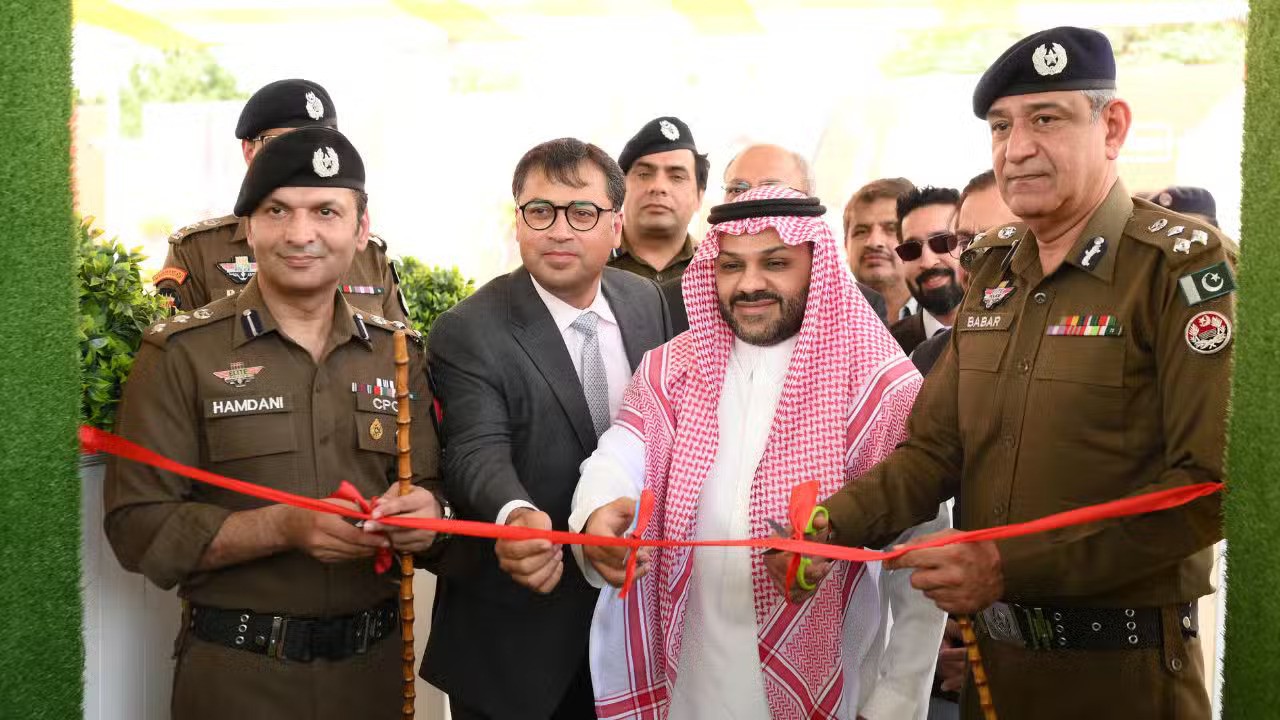
    Wafi Energy, a Shell licensee in Pakistan, has achieved another significant sustainability milestone with the inauguration of its second retail station built using recycled plastic. Situated in Police Lines Rawalpindi, this new station is a testament to the company’s ongoing commitment to innovative, environmentally responsible solutions in Pakistan’s energy and retail sectors.

    Incorporating 7,700 kilograms of plastic waste, roughly equivalent to 5.8 million individual plastic items, the station showcases how waste can be repurposed into durable construction materials, helping reduce the environmental footprint of the retail industry.

    The inauguration was attended by key stakeholders, including officials from the Oil and Gas Regulatory Authority (OGRA) and the Embassy of the Kingdom of Saudi Arabia, both of whom expressed their support for Wafi Energy’s eco-friendly initiatives.

    This new Rawalpindi station follows the successful launch of the first of its kind in Karachi, which repurposed 6,500 kilograms of plastic waste into pavers and concrete blocks, with collaboration from Concept Loop, a Wafi Tameer alumni startup.

    Wafi Energy’s sustainability initiatives don’t stop there. In Karachi, the company has also constructed a 730-foot plastic road using 2.5 tonnes of waste lubricant bottles. The road has proven to be resilient against both heat and rain, offering long-term benefits to the local community.

    Mr. Zubair Shaikh, CEO of Wafi Energy, emphasized at the ceremony: “At Wafi Energy, sustainability is not just a commitment – it is a responsibility. With the launch of Pakistan’s second retail site made with recycled plastic, we are demonstrating how innovation and environmental responsibility can go hand in hand. By reusing over 5.8 million pieces of plastic waste, this site is more than just a fuel station, it is a symbol of our belief in a cleaner, greener future for Pakistan.”

    With the launch of the Rawalpindi site, Wafi Energy continues to lead the charge in sustainable retail practices, offering practical solutions that contribute to a more climate-resilient and eco-conscious Pakistan.

  • PSX sets new record as index hits 162,257 points

    PSX sets new record as index hits 162,257 points

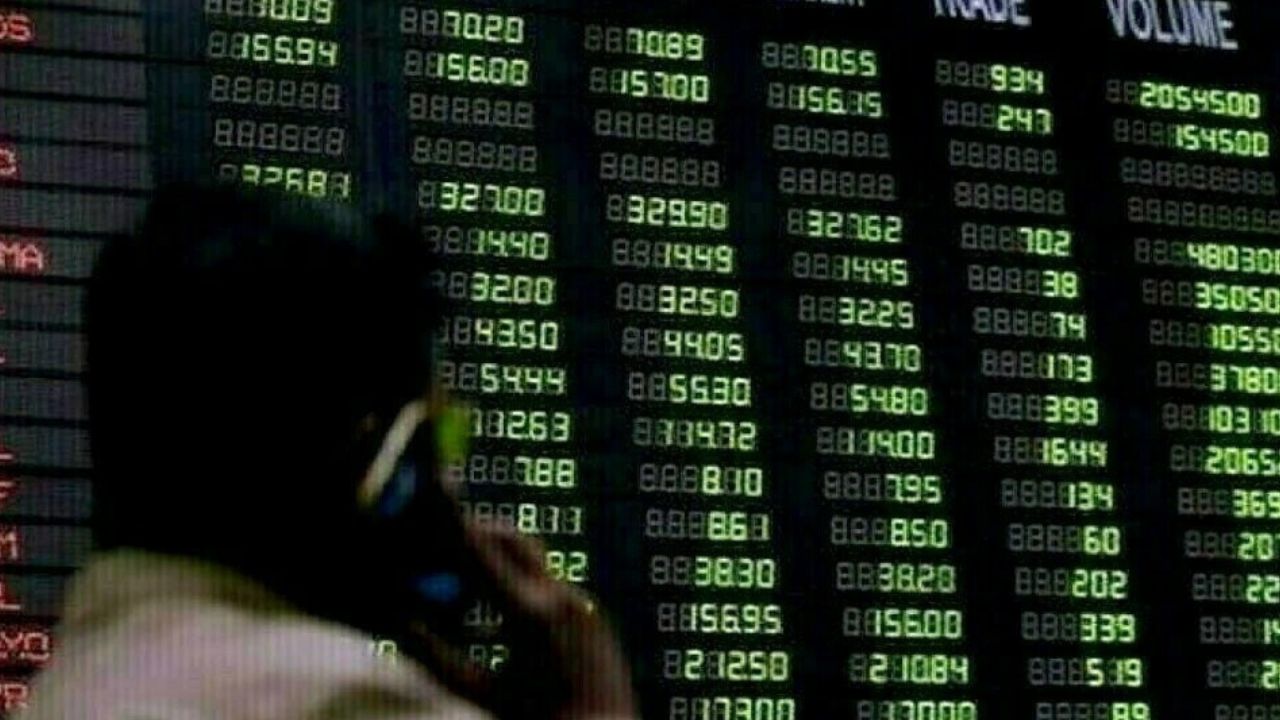
    The Pakistan Stock Exchange (PSX) has set a new record on Friday as the benchmark KSE-100 Index gained 2,977 points, closing at an all-time high of 162,257 points.

    During the session, the market rose by more than 3,100 points, achieving the key milestones of 160,000, 161,000, and 162,000 points for the first time in history.

    PSX also recorded its highest-ever trading value of Rs70.5 billion in a single day, with a remarkable transaction volume of 2.5 billion shares.

    A strong wave of buying was seen in shares of oil and gas, power, cement, fertiliser, and banking sectors, driving the rally.

    Analysts attributed the surge to strong liquidity inflows, backed by improved geopolitical outlook and signs of domestic macroeconomic stability. 

    Head of Research at Lucky Investment Muhammad Saad Ali highlighted the continuation of the recent trends, attributing the PSX performance to market optimism for the economic outlook.

    Ali said, “All economic indicators are moving in the right directions, the IMF programme is on track and side by side we are also in a good place with regards to our foreign policy and our relations with countries which are our bilateral lenders, such as China, Saudi Arabia and the US.”

    “So both of these [factors] have been driving market optimism and the investors’ sentiment is at its highest level that we’ve seen for many years,” he added.

  • Japan shows interest in investing in Reko Diq mines

    Japan shows interest in investing in Reko Diq mines

    Japan has shown interest in joining Pakistan’s multibillion-dollar Reko Diq copper and gold mining project, expanding its investment beyond the auto sector. The country is seeking collaboration with local and international investors in the mining venture, The Express Tribune reported.

    The Economic Coordination Committee (ECC) was briefed about Japan’s interest in the project. The Finance Division assured the committee that foreign remittances would remain stable and no capital flight would occur.

    The proposal includes two types of guarantees: a sovereign guarantee from the government to ensure project completion, and an additional guarantee from the Asian Development Bank (ADB) for Balochistan Mineral Resource Limited (BMRL) equity.

    Saudi Arabia has already expressed interest in the project, with plans to acquire a 15 percent shareholding and contribute capital.

    According to the Petroleum Division, the project’s equity is valued at 900 million dollars, with half provided by sponsors and the rest by agencies. State-Owned Enterprises (SOEs) will repatriate funds through Pakistan Minerals Private Limited (PMPL) over seven years to meet their 2.145 billion dollar commitment, either as equity or shareholder loans.

    The Petroleum Division said the project aims to raise 3.5 billion dollars in financing while giving priority to healthcare, safety, security, and community welfare. Lenders and creditors are directly handling the financing, and representatives stressed the importance of the project.

    The ECC noted the potential of the Reko Diq project to transform Balochistan’s economy and deliver significant benefits to Pakistan. The Petroleum Division sought approval for final terms and definitive agreements, including permission for PMPL to repatriate funds for the SOEs’ 2.145 billion dollar commitment.

    The foreign exchange needed for the investment will be arranged by Oil and Gas Development Company (OGDC) and Pakistan Petroleum Limited (PPL) from their own resources. If required, the government will provide additional foreign exchange.

    The Petroleum Division also requested approval for BMRL’s repatriation of funds in line with the cabinet’s December 2022 decision. The ECC was asked to authorise the secretaries of the Petroleum and Finance Divisions to finalise and sign the required government guarantees under the Rules of Business, 1973.

  • Almost one lac social media users under FBR radar for flaunting untaxed luxury

    Almost one lac social media users under FBR radar for flaunting untaxed luxury

    The Federal Board of Revenue (FBR) has collected data of around 100,000 individuals flaunting their wealth on social media, with the revenue watchdog poised to take action against them, reports have said citing sources.

    According to reports, FBR will audit 100,000 wealthy people in the initial phase. People showcasing their luxury lifestyle online, including mansions, expensive cars, jewellery, and other assets, have to disclose the source of income.

    Individuals wearing suits worth as much as $20,000, a sign of the extreme luxury at weddings, will also come under the tax net.

    Moreover, the tax authority will compare income tax returns submitted last year with those filed this year.

    FBR has made it clear that individuals who provide accurate and updated information in their income tax returns will not be penalised. However, those who fail to disclose their lavish spending or luxury assets risk facing strict legal consequences, according to reports.

    Officials urged citizens to update their tax returns promptly to avoid complications. “Nothing will be said to those who submit correct and updated income details,” reports quoted FBR as saying.

  • All govt payments to be paid digitally by 2026

    All govt payments to be paid digitally by 2026

    Pakistan intends to digitize all payments made by federal, provincial, and local governments as well as state-owned enterprises by June 2026, a parliamentary committee has been informed on Thursday.

    During a briefing to the National Assembly Standing Committee on Finance and Revenue, State Bank of Pakistan (SBP) Governor Jameel Ahmad outlined the government’s strategy for a cashless economy. He indicated that the central bank has also decided to link Raast, Pakistan’s instant payment system, with the Arab Monetary Fund’s Buna platform to enhance the speed and security of remittances from expatriate Pakistanis, though this arrangement will not facilitate outward remittances.

    Buna, which was established in 2020, functions as a multi-currency cross-border payment system under the Arab Monetary Fund. It currently accommodates currencies such as the Saudi Riyal and Emirati Dirham and plans to incorporate the Chinese Yuan to boost regional commerce.

    Governor Ahmad pointed out that the digital payments framework in Pakistan has experienced swift adoption. He mentioned that the annual transaction volumes for Raast, which used to be recorded over a year, are now processed within a mere nine days. Furthermore, he stated that the system currently supports 226 million accounts, 46 million Raast IDs, and more than 95 million active users of mobile banking.

    SBP officials informed the committee that all payments at the federal and provincial levels are set to be digitized by June 2026, with state-owned enterprises expected to transition by December 2026. This initiative encompasses salaries, pensions, taxes, and utility payments. Finance Secretary Imdadullah Bosal explained that the process will be gradual, with the government bearing the costs to promote adoption.

    The central bank is also implementing measures to enhance security, which will include a liability framework making banks responsible for losses arising from fraud or system errors, provided complaints are lodged within two hours. Additionally, a two-hour cooling-off period will be enforced on certain transactions to mitigate risk.

    Ahmad emphasized the recent introduction of Mashreq Bank’s digital operations in Pakistan, which was completed in just 12 months, significantly quicker than the international average of five years. The bank has also established its global middle office in Pakistan.

    Furthermore, five additional digital banks have received in-principle approval to start operations.

    Deputy Governor Saleem Ullah stated that the digital ecosystem includes 19,000 bank branches, 20,000 ATMs, and 850,000 QR-enabled merchants. He added that offline transactions will also be available, with no fees imposed on consumers.

    Committee members expressed concerns regarding low financial literacy rates, regulatory gaps, and unreliable internet connectivity. MNA Hina Rabbani Khar raised the issue of whether the system could function effectively while a significant portion of Pakistan’s economy remains undocumented.

  • Islamabad, Beijing agree to operationalise China-Gwadar-Africa corridor

    Islamabad, Beijing agree to operationalise China-Gwadar-Africa corridor

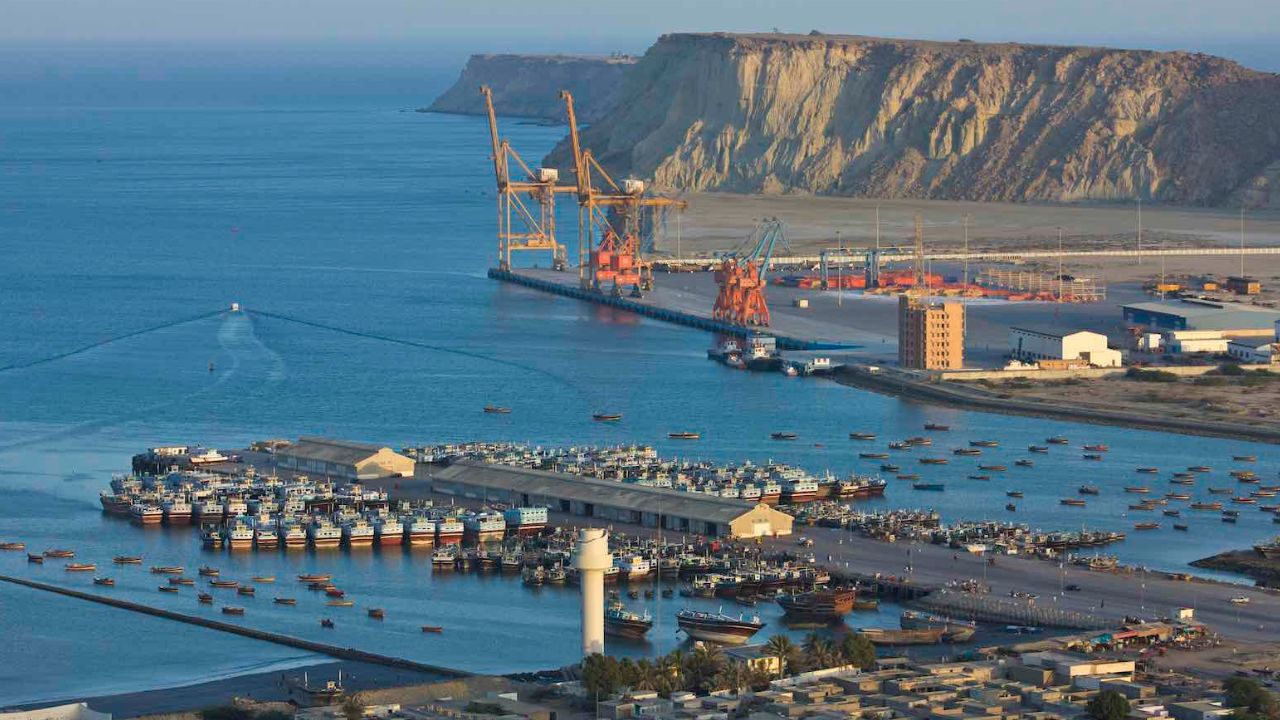
    Pakistan and China have agreed to operationalise the China-Gwadar-Africa shipping corridor under the five-year maritime action plan for 2025-2029, a leading English daily has reported.

    According to reports, five feeder routes and bonded warehouses will also be operationalised for trade expansion.

    While Islamabad and Beijing are set to finalise the action plan aimed at developing a regional trade corridor, Gwadar will be positioned as a model “Green Port”. Feasibility studies will be carried out, and short-route infrastructure will be built alongside enhanced connectivity linking Gwadar with the Islamabad-Türkiye-Iran rail and road corridors.

    Gwadar is to be developed as a trade hub for Central Asian Republics (CARs), Afghanistan and West Asia with expanded transhipment facilities.

    Islamabad and Beijing will also strategise to promote Gwadar Free Zone resource utilisation. A total of 15 industries, including seafood, dates and tuna processing plants, along with petrochemical facilities, will be developed in the North Free Zone.

    Single Point Mooring connectivity will be expanded while car manufacturing plants and other industries are expected to be relocated from China.

    Memorandums of Understanding (MoUs) will be signed with Pakistani business entities for the operationalisation of Gwadar Port and Free Zone through joint cooperation and collaboration.

    Additionally, Pakistan and China will launch blue economy training for 1,000 locals in fisheries, aquaculture and logistics at the Gwadar Blue Economy Centre. These initiatives are projected to generate 25,000 jobs with a 30 per cent contribution to Gwadar’s Gross Domestic Product (GDP) by 2027.

  • Sky Garden: Karachi’s Bold Step into the Future of Urban Living

    Sky Garden: Karachi’s Bold Step into the Future of Urban Living

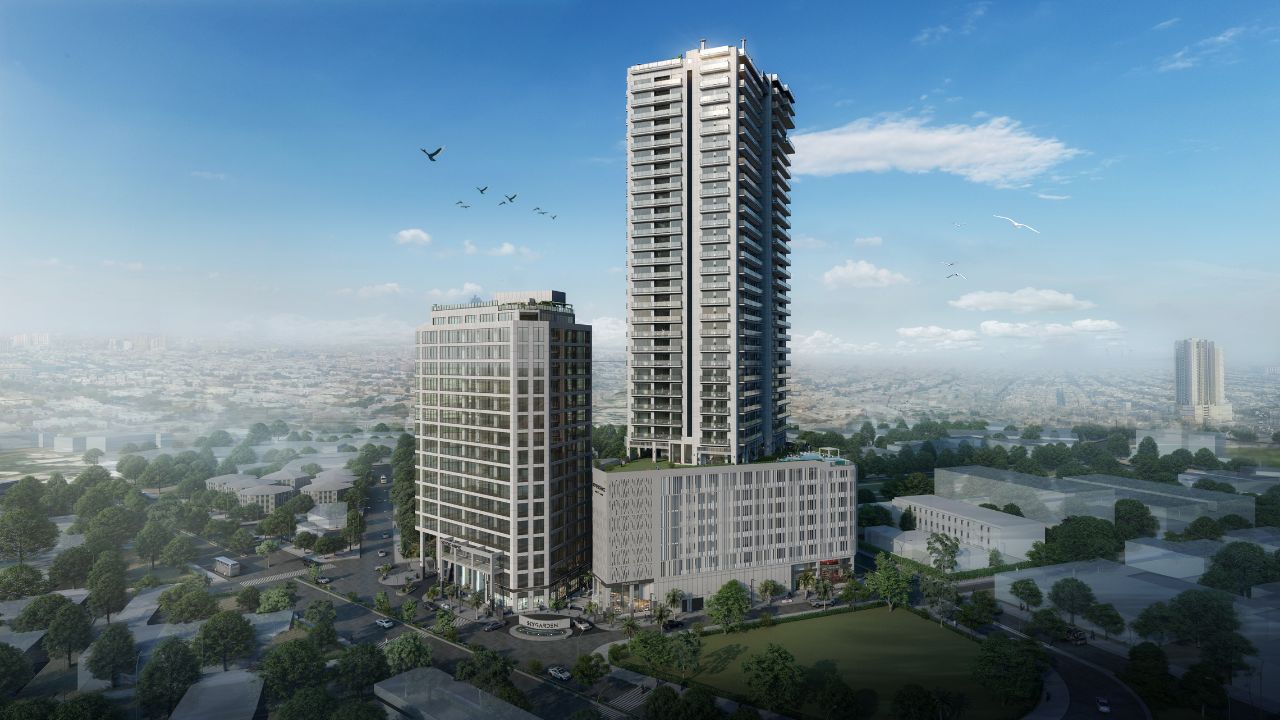
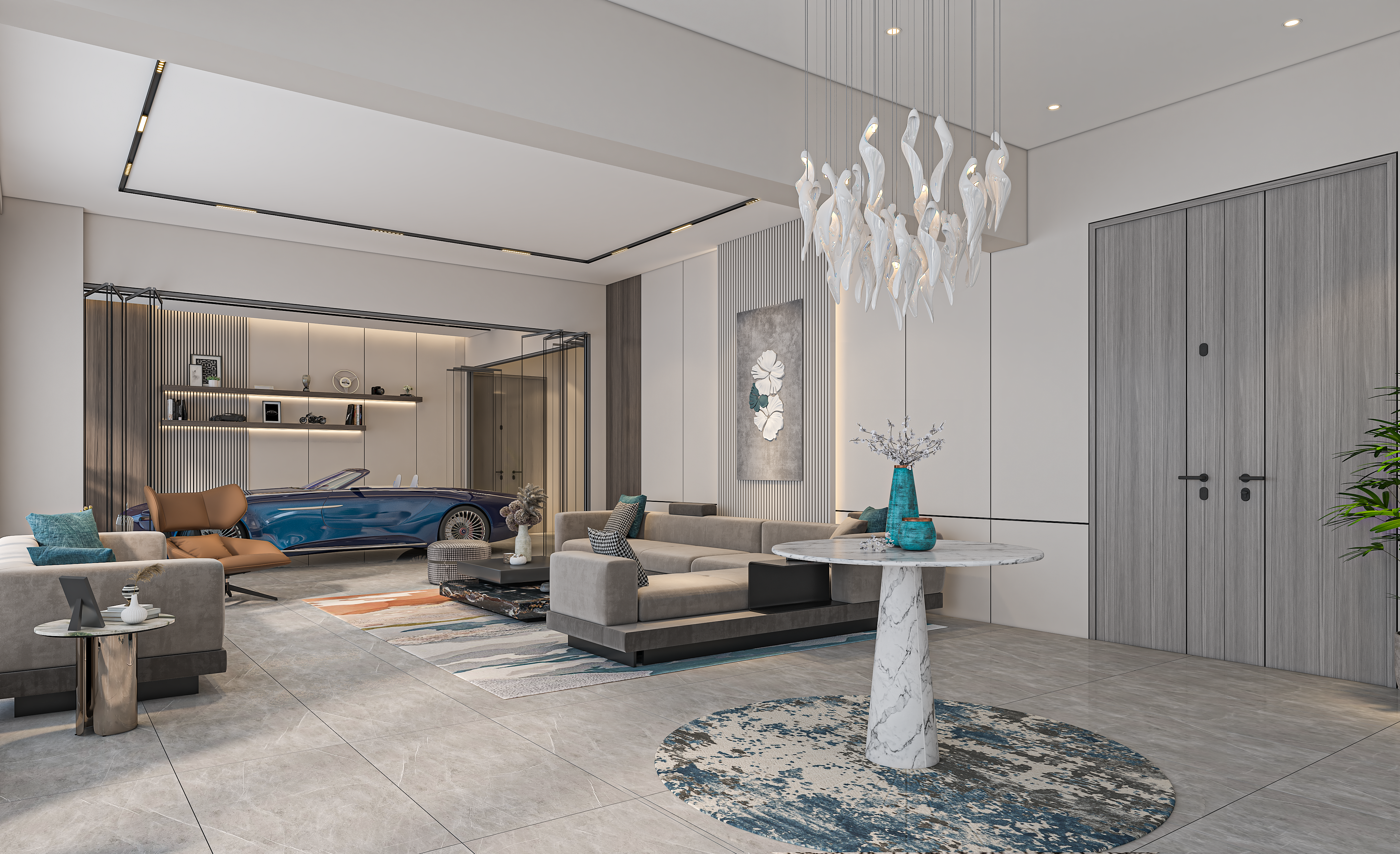
    Karachi has long been a city of contrasts bustling streets and quiet neighbourhoods, iconic heritage and modern towers, endless energy and fleeting stillness. But with the unveiling of Sky Garden’s model apartment, the city is being offered a glimpse of what its future could look like: a lifestyle where living, working, and leisure all come together under one skyline. Unlike conventional high-rises that focus solely on apartments or offices, Sky Garden is designed as a self-contained ecosystem. Think of it as a miniature city within Karachi one that seamlessly blends luxury residences, corporate spaces, and vibrant social hubs.

    Living at Scale

    At the heart of Sky Garden lies Sky Residence, the development’s residential masterpiece. Its two towers Nexus and Pento are not just buildings but bold statements in design and scale.

    Nexus Tower offers two types of apartments, 3 Bedroom at 3,900 sq. ft., and 4 Bedroom at 4,130 sq. ft., the kind of space rarely seen in urban Pakistan. Every detail, from private lobbies and dedicated elevators to separate staff quarters, has been crafted to maximize both comfort and exclusivity.
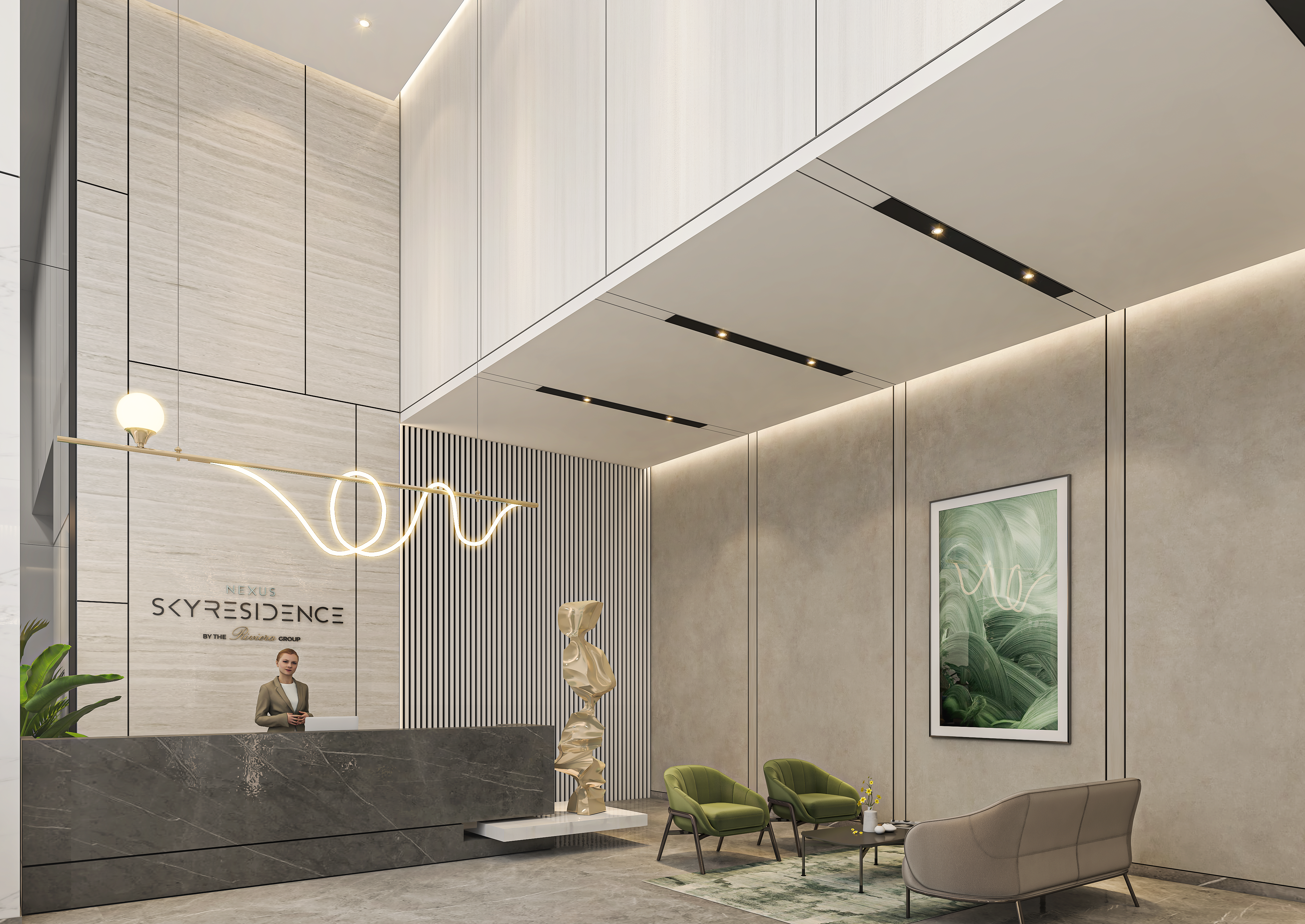

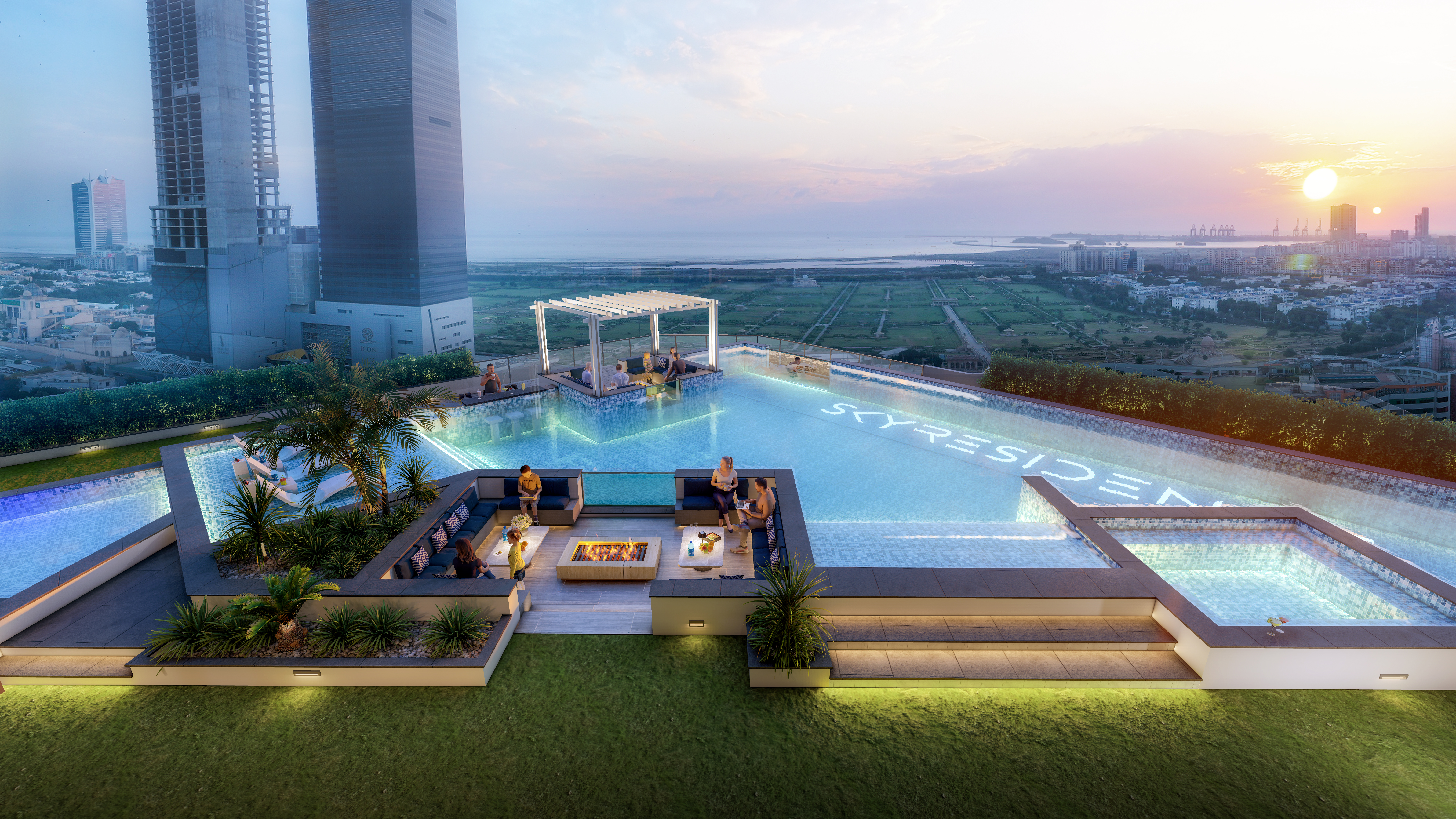
    For those who believe “bigger is better,” Pento Tower takes the idea to new heights. Full-floor residences stretch up to 8,840 sq. ft., with select duplexes even featuring in-unit lifts. A single-unit penthouse on the top floor spanning up to 42,000 sq. ft., making it one of the largest in the world. Add in wellness perks like the Sky Spa, women-only gyms and pools, and a resort-style terrace, and it’s clear this isn’t just about space it’s about lifestyle.

    Where Work Meets Ambition

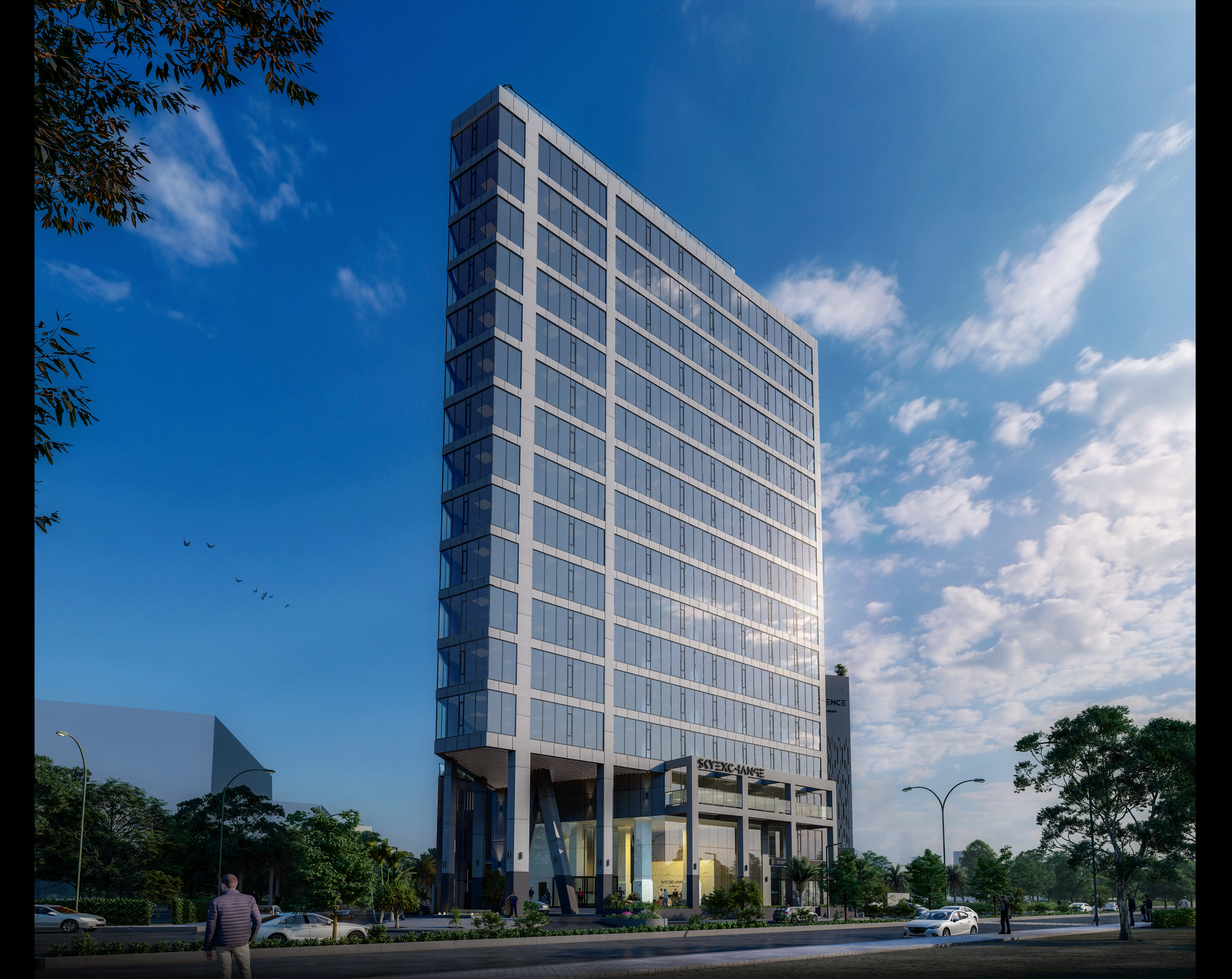
    Karachi’s professionals often juggle the chaos of long commutes and congested business districts. Sky Exchange reimagines the corporate experience by putting a sleek, 16-floor office tower right inside the development. With its full-floor and half-floor offices, rooftop venue, and basement parking, it’s an environment built for productivity minus the usual city hassles.


    A Boulevard for the City

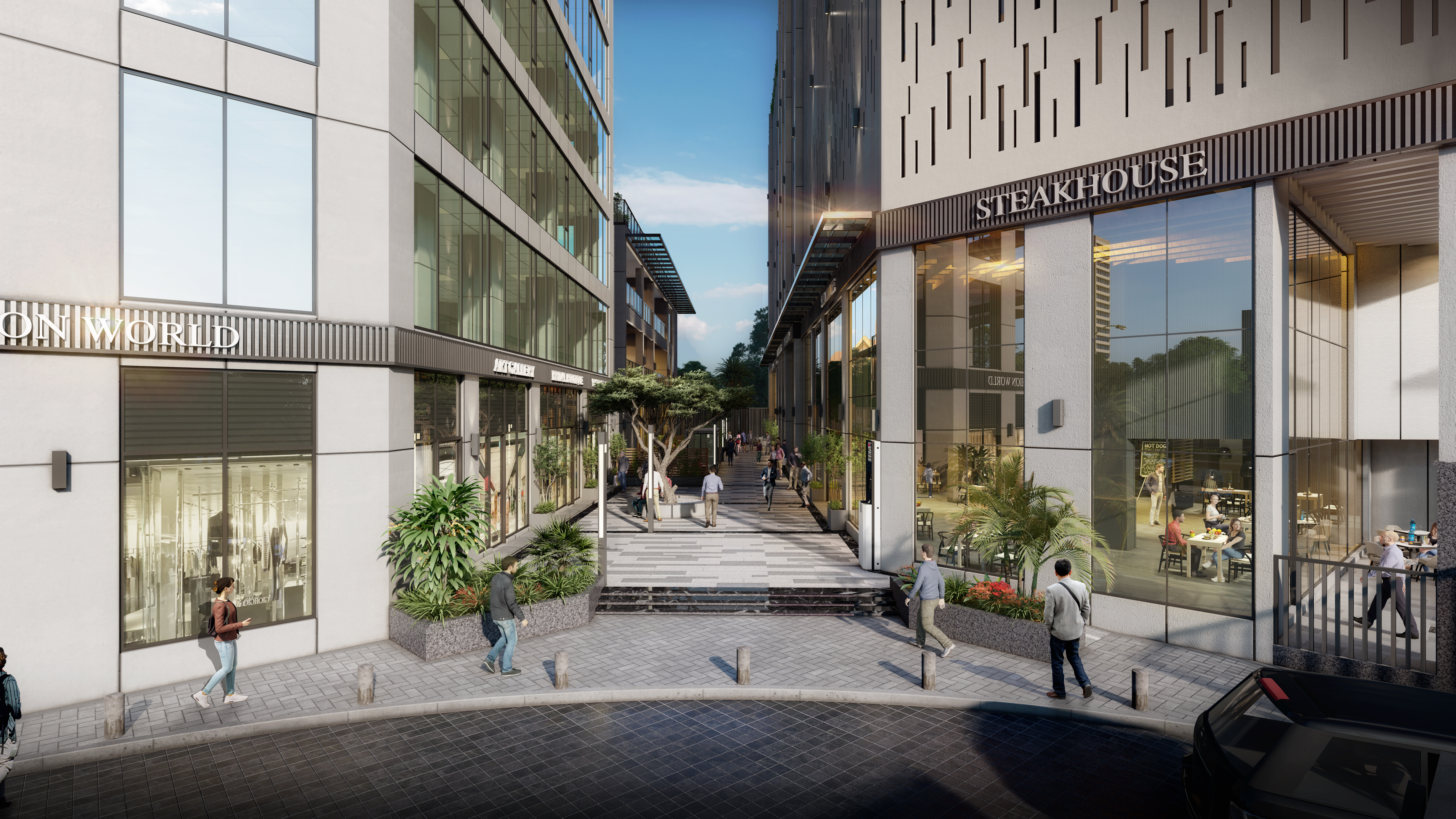
    But perhaps the most exciting element is Sky Village the lifestyle and retail heart of the project. Imagine a gated, walkable boulevard lined with boutiques, concept stores, and gourmet destinations. Now add Karachi’s first alfresco dining promenade, with open-air cafés and fine dining under the stars. It’s designed not just for residents, but as a new destination for the entire city. A place where shopping, dining, and community life come alive.

    More Than Real Estate

    Sky Garden isn’t just another high-rise project. It’s a statement about what Karachi’s future could be: a city that doesn’t just grow vertically, but grows thoughtfully. By fusing residential luxury with corporate convenience and lifestyle vibrancy, it sets a precedent for integrated living in Pakistan.

    As the model apartment opens its doors, Sky Garden stands as more than just a project. It is a vision, a promise that Karachi’s skyline, and its way of living, are ready for a new chapter.

    About Riviera Group

    Riviera Group is a premium real estate developer operating in both Pakistan and Dubai, known for creating residential and commercial projects that blend modern design with quality construction. In Pakistan, Riviera Group has successfully delivered multiple projects, including the iconic West Wind Estates, Hawaiian Homes, Technocity, and The Residence. In Dubai, the Group has expanded its presence with developments that reflect the same standards of excellence. With Sky Garden, the Riviera Group continues its vision of creating integrated communities that redefine urban living by bringing together residential, corporate, and lifestyle spaces within one destination.

    For more information:

    Website: https://rivieragroup.pk/skygarden

    Facebook: https://www.facebook.com/rivieragrouppk/

    Instagram: https://www.instagram.com/rivieragrouppk/?hl=en

    LinkedIn: https://www.linkedin.com/company/rivieragroupinternational/
     

  • Another all-time high: Gold hits Rs391,000 in Pakistan

    Another all-time high: Gold hits Rs391,000 in Pakistan

    Gold prices reached fresh record highs in global and domestic markets on Tuesday, tracking strong gains in the international bullion trade.


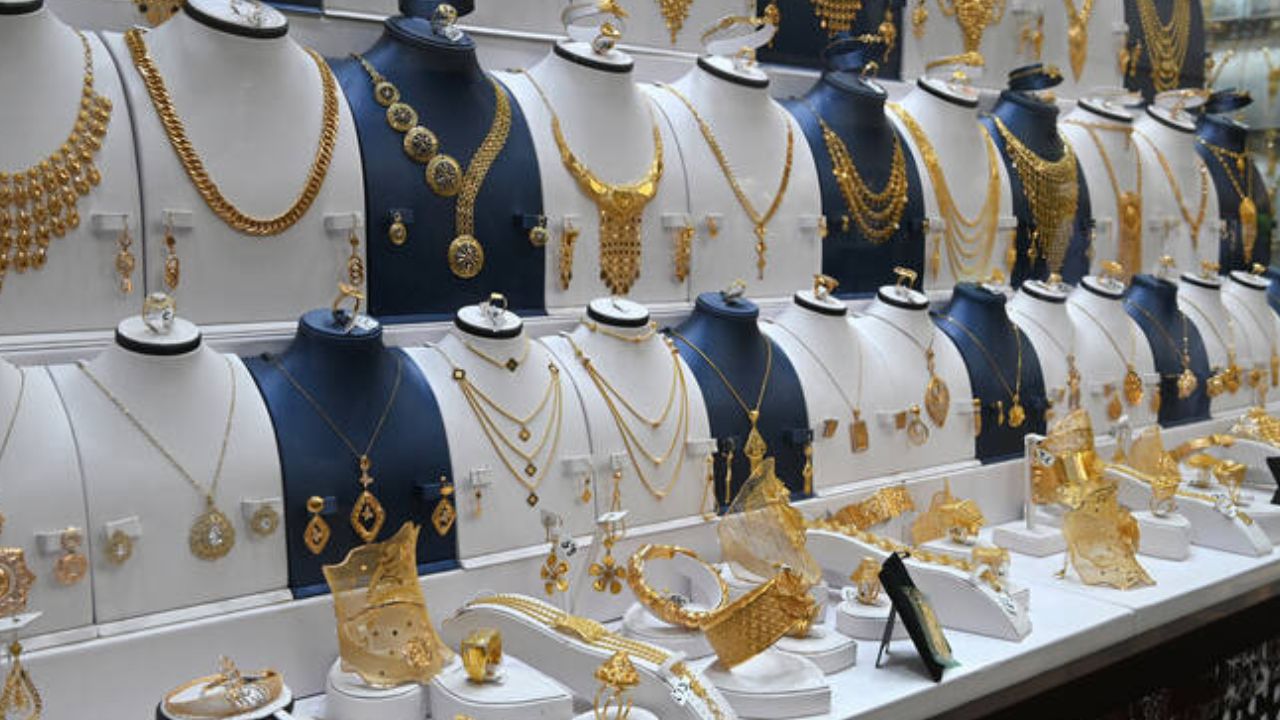
    After international gold rose by $49 per ounce to a new peak of $3,692, the price of gold in Pakistan increased by Rs4,700 per tola to a record Rs391,000. The rate for 10 grams also jumped by Rs4,030 to reach Rs335,219.

    Meanwhile, spot gold rose 0.2 percent to $3,685.02 per ounce, after hitting a record high of $3,689.27 earlier in the session. US gold futures for December delivery rose 0.1 per cent to $3,722.70.

    Spot silver held steady at $42.73 per ounce, while platinum slipped 0.2 percent to $1,398.84 and palladium declined 0.2 percent to $1,182.25.

    Gold prices were steady near record levels on Monday as global investors awaited the US Federal Reserve’s policy decision later this week.

    According to the All Pakistan Sarafa Gems and Jewellers Association (APSGJA), the price of gold per tola stood firm at Rs386,300, while 10 grams held steady at Rs331,189.

    In the international market, gold was quoted at $3,643 per ounce (including a $20 premium). Silver also traded flat, with the per tola rate remaining unchanged at Rs 4,443.