Category: Business

  • Rising food prices push inflation up by 5 percent

    Rising food prices push inflation up by 5 percent

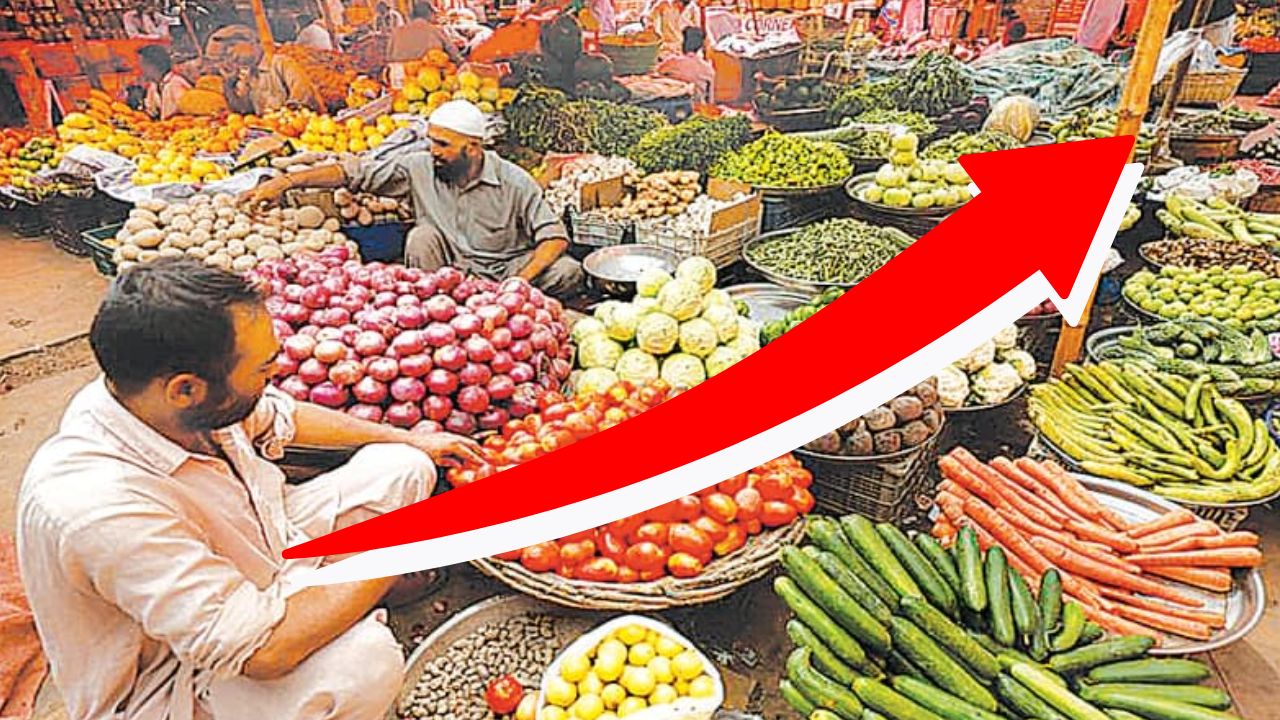
    Owing to soaring retail prices of perishable food items, short-term inflation has risen 5.07 percent year-on-year in the week ending Sept 4.

    Measured by the Sensitive Price Index (SPI), short-term inflation refers to recent and frequent changes in the price of goods and services within an economy, rather than a long-term trend. It is measured to quickly gauge shifts in consumer prices and purchasing power over a very short period.

    SPI inflation has been on an upward trajectory for the past seven weeks, fuelled mainly by sharp increases in the prices of tomatoes, onions, potatoes, rice, chicken, liquefied petroleum gas (LPG) and wheat flour. Official data showed that inflation increased by 1.29pc on a weekly basis.

    Tomatoes led the surge, retailing at up to Rs300 per kg in Islamabad, while sugar climbed to Rs195–200 per kg. Meat prices also maintained a steady upward trend in recent weeks.

    While overall short-term inflation seems slower due to last year’s high base, the sharp escalation in perishables and a few key essentials has reversed the stable trend seen earlier this year.

  • Submarine cable cuts near Jeddah could disrupt internet nationwide: PTCL

    Submarine cable cuts near Jeddah could disrupt internet nationwide: PTCL

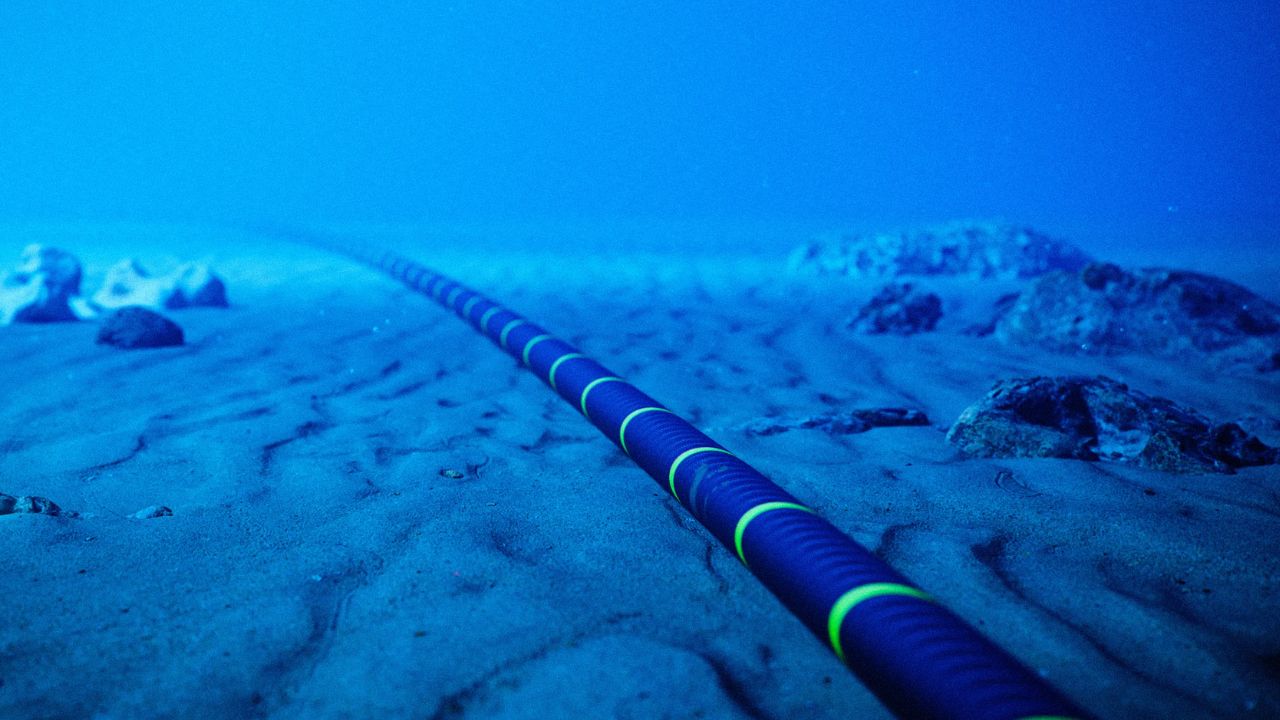
    Pakistan Telecommunication Company Limited (PTCL) on Saturday said that users in the country may experience disruptions due to submarine cable cuts near Jeddah.

    According to a statement issued by PTCL, the cuts occurred near Jeddah, affecting partial bandwidth capacity on the SMW4 and IMEWE systems, two of the key undersea cables that connect the country to global networks.

    The statement further said that international partners were working to restore the damaged links, while local teams were arranging alternative bandwidth to mitigate the impact.

    “We sincerely appreciate our customers’ patience and understanding during this time,” it added.

    The statement comes as multiple outrage reports surfaced Saturday morning. Data from Down Detector also showed disruptions building up overnight before a surge in complaints by 9 am.

  • Pakistan moves closer to 5G launch as FAB frees key spectrum bands

    Pakistan moves closer to 5G launch as FAB frees key spectrum bands

    The Frequency Allocation Board (FAB) has taken major steps toward Pakistan’s Next-Generation Mobile Services (NGMS) and 5G auction by freeing up crucial spectrum bands for commercial use.

    According to reports, officials told Parliament that FAB worked with the defense forces to release portions of the valuable 700 MHz band and the high-capacity 2300 MHz band. The Board also secured 285 MHz in the globally adopted 3500 MHz mid-band through re-farming of WLL services.

    To improve spectrum quality, FAB conducted nationwide monitoring surveys that detected dozens of illegal links. The Pakistan Telecommunication Authority (PTA) has shut those down. FAB also carried out cross-border spectrum surveys and opened talks with India, Afghanistan, Iran, Oman, and the UAE to curb spillover and align frequencies for smoother 5G rollouts.

    The Ministry of Information Technology and Telecommunication (MoITT), FAB, and PTA informed lawmakers that FAB’s 50th meeting approved multiple frequency bands for the upcoming 5G auction. These include 700 MHz (2×15 MHz), 1800 MHz (2×3.6 MHz), 2100 MHz (2×20 MHz), 2300 MHz (50 MHz), 2600 MHz (194 MHz), 3500 MHz (285 MHz), 24 GHz (3.082 GHz), and 39 GHz (4 GHz).

    In total, FAB cleared 606 MHz of spectrum for the auction. However, 161.6 MHz remains locked in litigation, including 140 MHz in the 2600 MHz band, which global operators regard as the prime band for 4G and 5G. Legal disputes also continue in the 2100 MHz and 1800 MHz bands, creating hurdles for release and slowing operator participation.

    The written reply added that the Advisory Committee on spectrum auction is reviewing two key challenges: finalizing the PTCL–Telenor merger and resolving the litigation in the 2600 MHz band. The committee has urged a swift resolution in the national interest to clear the way for Pakistan’s 5G launch.

  • Salaried individuals paid Rs85 billion in income tax during first two months of FY26

    Salaried individuals paid Rs85 billion in income tax during first two months of FY26

    Salaried individuals paid Rs85 billion in income tax during the first two months of the ongoing fiscal year 2025-26 – 21% more than the Rs70 billion collected during the same period last year, data from the Federal Board of Revenue (FBR) has shown.

    According to reports, provisional figures from the tax watchdog revealed that non-corporate employees paid Rs41.5 billion, registering a 26% increase from last year, whereas corporate sector employees contributed Rs20 billion, which is 26% higher.

    Employees of provincial governments paid Rs10.5 billion – a 6% increase – and federal employees contributed Rs7.6 billion, up by 8%.

    The government’s new tax on wealthy pensioners, introduced in this year’s budget for pensions exceeding Rs10 million annually, yielded only Rs180 million over two months, suggesting annual collections may reach just over Rs1 billion.

    Earlier, Finance Minister Muhammad Aurangzeb acknowledged that tax relief for the salaried class remained limited due to the government’s constrained fiscal space. The increase comes on top of last year’s already elevated base, when contributions rose by more than 50% because of higher income tax rates.

    While the salaried class continues to see rising tax contributions, collection from traders remains limited. Several enforcement measures, including a ban on economic transactions by ineligible persons, were diluted or reversed. 

    Parliamentary committees are scrutinising the unusually high pay packages of Securities and Exchange Commission of Pakistan (SECP) officials. The Auditor General of Pakistan (AGP) has already flagged serious concerns over a steep salary hike for SECP commissioners and the chairman, which was endorsed by the regulator’s board on management’s recommendation.

    The real estate sector also faced higher taxes, with increased rates for non-filers and a new category for late filers. Withholding tax collections on plot sales rose 92% to Rs28 billion, while collections on plot purchases fell 12% to less than Rs13 billion.

  • Bank of Khyber unveils Mastercard debit card portfolio, unlocking new growth potential

    Bank of Khyber unveils Mastercard debit card portfolio, unlocking new growth potential

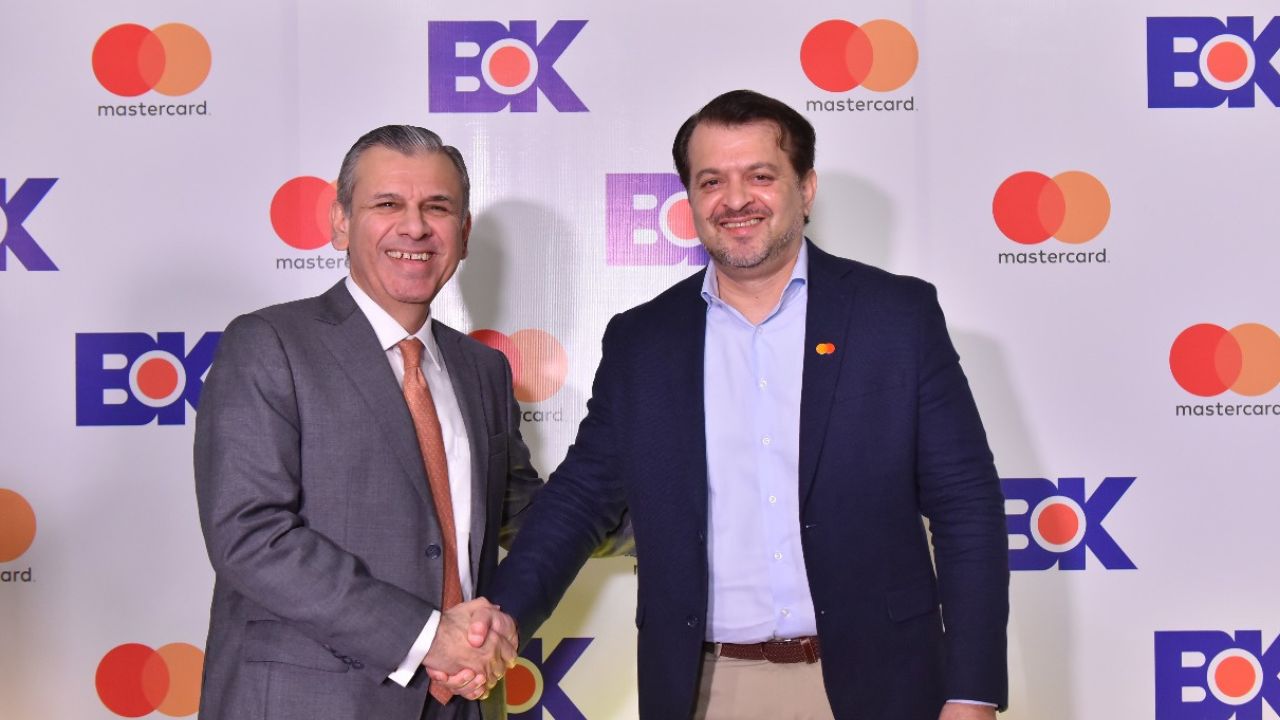
    The Bank of Khyber (BoK) has officially launched its Mastercard Debit Card portfolio at an exclusive ceremony held at the Bank’s Boardroom in Gulberg Greens. The event was attended by Mr. Hassan Raza, Managing Director & CEO of BoK,  along with Senior Management of BOK, & Mr. Arslan Khan Country Manager Mastercard Pakistan & Afghanistan. 

    This launch marks a pivotal milestone in BoK’s retail and digital banking strategy. The Mastercard Debit Card portfolio includes Classic, Gold, and Platinum tiers, offering customers secure, seamless, and globally accepted payment solutions tailored to their everyday needs.

    During the ceremony, a live transaction demonstration was carried out on a KuickPay POS terminal, symbolizing the official go-live of the BoK Mastercard Debit Card. Shields were presented to partners for their collaboration in delivering this initiative.

    Speaking on the occasion, Mr. Hassan Raza, Managing & CEO of BoK, stated: “With the launch of the Mastercard Debit Card, we are opening new doors for our customers to enjoy convenience, security, and access to global commerce. This partnership with Mastercard demonstrates our commitment to providing cutting-edge financial solutions while continuing our journey of digital transformation.”

    Mr. Arslan Khan, Country Manager Pakistan & Afghanistan, Mastercard, added: “We are delighted to partner with the Bank of Khyber to launch the Mastercard Debit Card portfolio. With BoK’s strong customer base and digital focus, this initiative has great potential to accelerate financial inclusion and drive digital payment adoption in Pakistan.”

    Currently, BoK proudly serves 719,000 total account holders, alongside a rapidly expanding base of 150,000 digital banking app users. These figures not only highlight the Bank’s strong market presence but also showcase significant growth potential through this strategic collaboration with Mastercard.

    The ceremony concluded with a red-carpet photo opportunity, shield presentations, and a networking lunch, with floral décor and premium branding underscoring the importance of the occasion.

    About Bank of Khyber

    Established in 1991, The Bank of Khyber is owned by the Government of Khyber Pakhtunkhwa and operates a network of branches nationwide. BoK is committed to providing both Islamic and conventional banking services, driving digital innovation, and empowering customers through financial inclusion.

  • Crackdown against officials as FBR admits to corruption in auctioning of smuggled vehicles

    Crackdown against officials as FBR admits to corruption in auctioning of smuggled vehicles

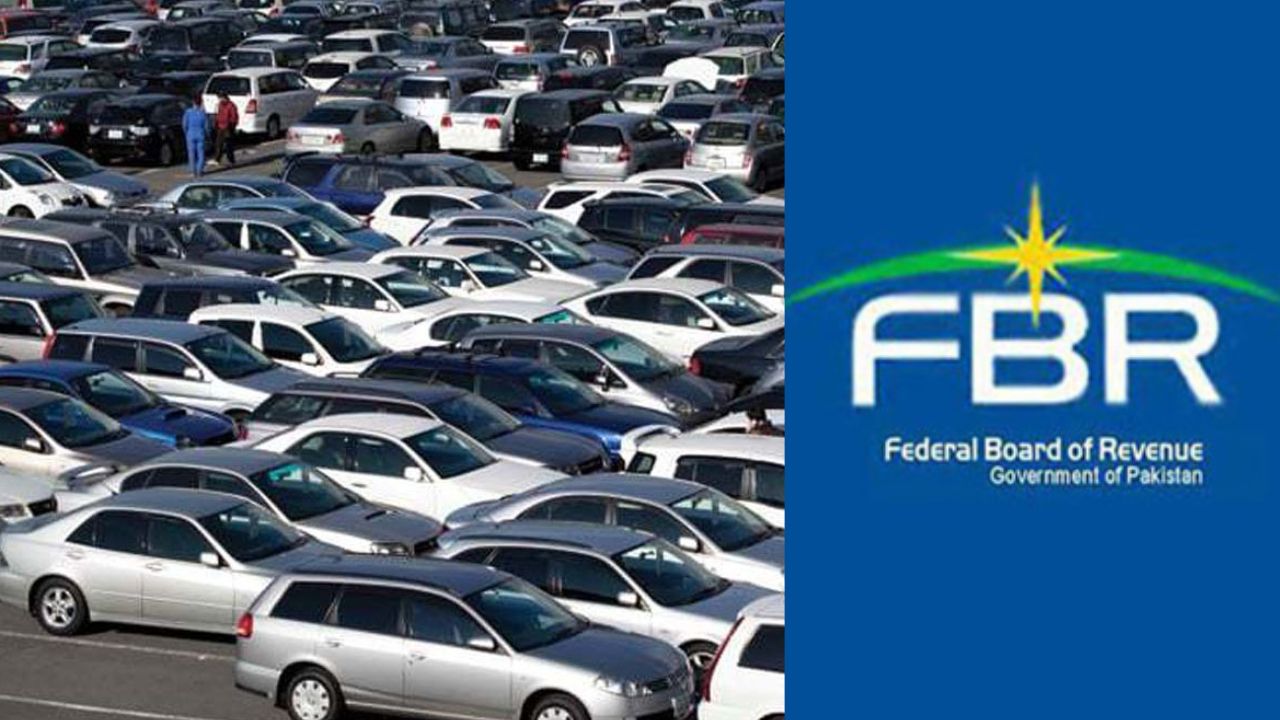
    In a bid to reinforce transparency and institutional accountability, the Federal Board of Revenue (FBR) has launched a sweeping crackdown on the misuse of its digital auction system for confiscated vehicles.

    The initiative follows alarming revelations in July regarding irregularities within the auction module of the WeBOC – tax watchdog’s web-based platform – originally introduced in August 2021 to streamline the clearance and registration of smuggled vehicles sold through official auctions.

    Designed to allow Motor Registration Authorities (MRAs) to verify auctioned vehicle details online, the system was meant to reduce manual errors and prevent document manipulation. However, recent findings exposed serious breaches: out of 1,909 vehicles listed in the system, 103 were fraudulently entered using fake user credentials. Of these, 43 vehicles were successfully registered by MRAs, giving them a false veneer of legitimacy.

    The probe has revealed a broader network of collusion involving car dealers and officials from registration authorities. In response, FBR has suspended two senior Customs officials — one deputy collector and one assistant collector — whose credentials were exploited in the scam.

    Recognising the scale of the fraud, FBR has called for the formation of a Joint Investigation Team (JIT) comprising representatives from the Federal Investigation Agency (FIA), Customs, and intelligence services.

    The JIT began its inquiry following a formal complaint filed by FBR on July 10.

    On August 28, the FIA registered a First Information Report (FIR) against the implicated officers. To date, Customs Enforcement has filed seven FIRs and arrested 13 individuals linked to the scheme.

    In an official statement, FBR reaffirmed its commitment to rooting out corruption. “We remain fully committed to upholding the integrity of public service at all levels and at all costs,” it said.

  • State Bank to allow crypto, issue digital rupee

    State Bank to allow crypto, issue digital rupee

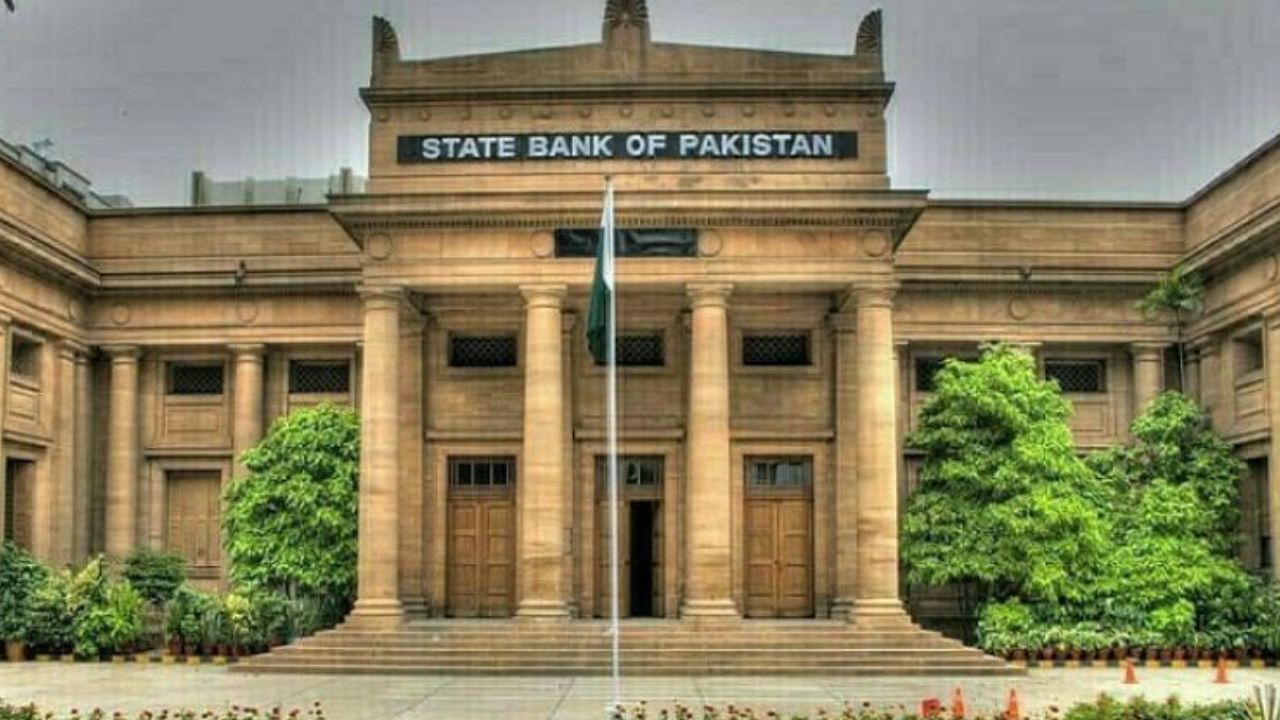
    In a landmark shift, the State Bank of Pakistan (SBP) has announced plans to legalise virtual assets and roll out a central bank-backed digital currency.

    As per the details, Deputy Governor Dr Inayat Hussain told the Senate Finance Committee that the SBP will issue a digital rupee, which will serve as a legitimate channel for acquiring virtual assets. This initiative is expected to lay the groundwork for a comprehensive regulatory framework governing digital transactions.

    During the briefing, Senator Afnanullah Khan highlighted the urgency of regulation, noting that Pakistani citizens have already invested an estimated $21 billion in cryptocurrencies.

    The proposed legislation outlines consumer protection measures and aims to ensure secure investment practices. The SBP is currently working with technology partners to develop the digital currency infrastructure, which will be distributed through designated offices across the country. A formal legal structure for cryptocurrency is also in development, with regulatory guidelines to follow upon finalization.

    Dr Hussain added that the framework would extend to cross-border transactions, aligning Pakistan’s digital asset policies with global standards. A new regulatory body — Virtual Asset Regulatory Authority — is set to be formed under Section 6 of the draft ordinance. Its governing board will include top officials such as the SBP governor, federal secretaries from finance, law, and IT, and heads of the FBR, SECP and Digital Pakistan. The director general of the FIA will also be part of the board.

    The Senate Finance Committee recommended expanding the board to include a member of the national assembly and a senator. It also proposed that the authority’s chairperson possess a minimum of five years’ experience, with an age cap of 55 years.

    The bill also incorporates compliance measures in line with FATF, anti-money laundering (AML), and counter-terror financing (CTF) protocols.

    It was discussed that the initial funding for the authority will come from the government, with future income expected through licensing, fines, and service charges. A legal consultant from the Ministry of Law and Justice emphasised that the authority would function independently to maintain a secure digital asset ecosystem.

    Further suggestions from the committee included waiving the age limit for chairpersons serving a second term and introducing a percentage-based fee structure for service providers and exchanges. Senator Mohsin Aziz questioned the proposed $10,000 transaction cap, arguing for unrestricted limits.

    Concerns around data privacy were also raised with Senator Afnan urging accountability for service providers in safeguarding user information. He warned against potential exploitation of data trends for financial gain.

    Final deliberations were postponed until the next meeting.

  • Pakistan, China reaffirm strong resolve to strengthen bilateral partnership

    Pakistan, China reaffirm strong resolve to strengthen bilateral partnership

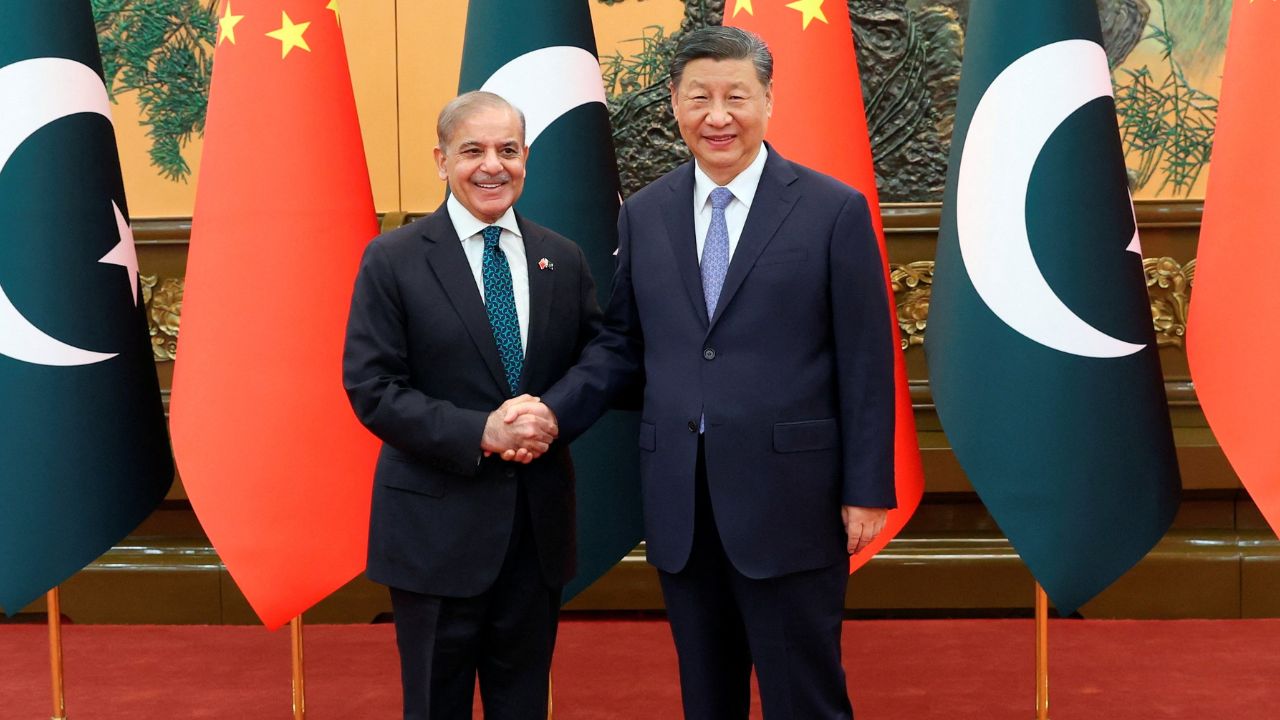
    Prime Minister (PM) of Pakistan Shehbaz Sharif and Chinese President Xi Jinping have reaffirmed their strong resolve to further deepen and strengthen the bilateral partnership between the two countries founded on strategic cooperation. 

    During their meeting on the sidelines of the Shanghai Cooperation Organisation (SCO) summit on Tuesday, PM Shehbaz congratulated President Xi on successfully hosting the SCO Heads of State Summit, praising the Chinese leader’s vision and leadership.

    PM Shehbaz said, “Pakistan is very proud of China’s achievements,” noting that Islamabad will always be ready to work with Beijing on the great journey.

    Deputy PM and Foreign Minister Ishaq Dar, Chief of Army Staff (COAS) Field Marshal General Asim Munir and other delegates attended the high-level meeting, during which the PM and President Xi reaffirmed their commitment to further strengthen the bilateral strategic cooperative partnership.

    Lauding President Xi for his vision and leadership, PM Shehbaz felicitated him on the 80th anniversary of the “World Anti-Fascist War”.

    Underscoring the significance of the Chinese president’s Belt and Road Initiative (BRI) as a major project, the premier reiterated his desire to continue working with China for the next phase of the China-Pakistan Economic Corridor (CPEC).

    “Pakistan fully supports President Xi’s historic initiatives [which] include global governance, global development, global security and global solarisation initiatives,” he said, adding, “These initiatives will contribute to regional and global peace, stability and development.”

    Meanwhile, the Chinese president reaffirmed Beijing’s commitment to stand by Pakistan in all areas of economic growth. “Focus is being placed on Pakistan’s most important economic sectors,” President Xi told the premier while saying that the CPEC had entered its second phase. PM Shehbaz reiterated the invitation to President Xi to visit Pakistan next year.

    Founded in 2001, the SCO is an intergovernmental organisation with the main objectives is to strengthen relations among member states and safeguard regional peace, security, and stability.

  • Did your non-PTA device start working? Here’s why…

    Did your non-PTA device start working? Here’s why…

    Hundreds of users of non-registered mobile phones have reported sudden network activation of devices over the past one week.

    As they celebrate what was deemed a bug in the Device Identification, Registration, and Blocking System (DIRBS) of the Pakistan Telecommunication Authority (PTA), reports have quoted the telecom watchdog as outlining the changes that have resulted in the activation.

    According to reports, the PTA has offloaded old IMEI records of mobile devices to streamline overall system performance.

    As a result, any mobile phone that is not registered will remain active on the network for 60 days only. In case of non-payment of applicable FBR customs duties/taxes within this period, the device will be re-blocked, in accordance with DIRBS regulations.

    While said activity will assist both PTA and Mobile Network Operators (MNOs) in improving DIRBS operations and ensuring more effective system management, it aims to encourage users to register their mobile devices by paying the applicable FBR duties/taxes, thereby contributing to a compliant and sustainable digital environment.

    First introduced under the Pakistan Tehreek-e-Insaf (PTI) government, PTA tax guarantees that every mobile device user in Pakistan, whether local or foreign, makes a fair contribution to the national budget.

    This system ensures that all users, regardless of the source of their mobile devices, pay their share, promoting an equitable tax structure.

    By imposing taxes on imported mobile phones, PTA maintains a healthy balance between local and foreign devices in the market. This regulation prevents market saturation, encourages fair competition and supports the growth of domestic mobile manufacturers.

    The revenue collected from PTA taxes is a significant source of national income. These funds are channeled into various sectors of the economy, supporting development projects, infrastructure improvements and other government initiatives that drive economic progress.

    The PTA tax revenues also contribute to maintaining and expanding the country’s mobile communication infrastructure, supporting networks to maintain reliable and efficient services for millions of users.

  • The future is… here – the Haval H6 PHEV arrives in Pakistan!

    The future is… here – the Haval H6 PHEV arrives in Pakistan!

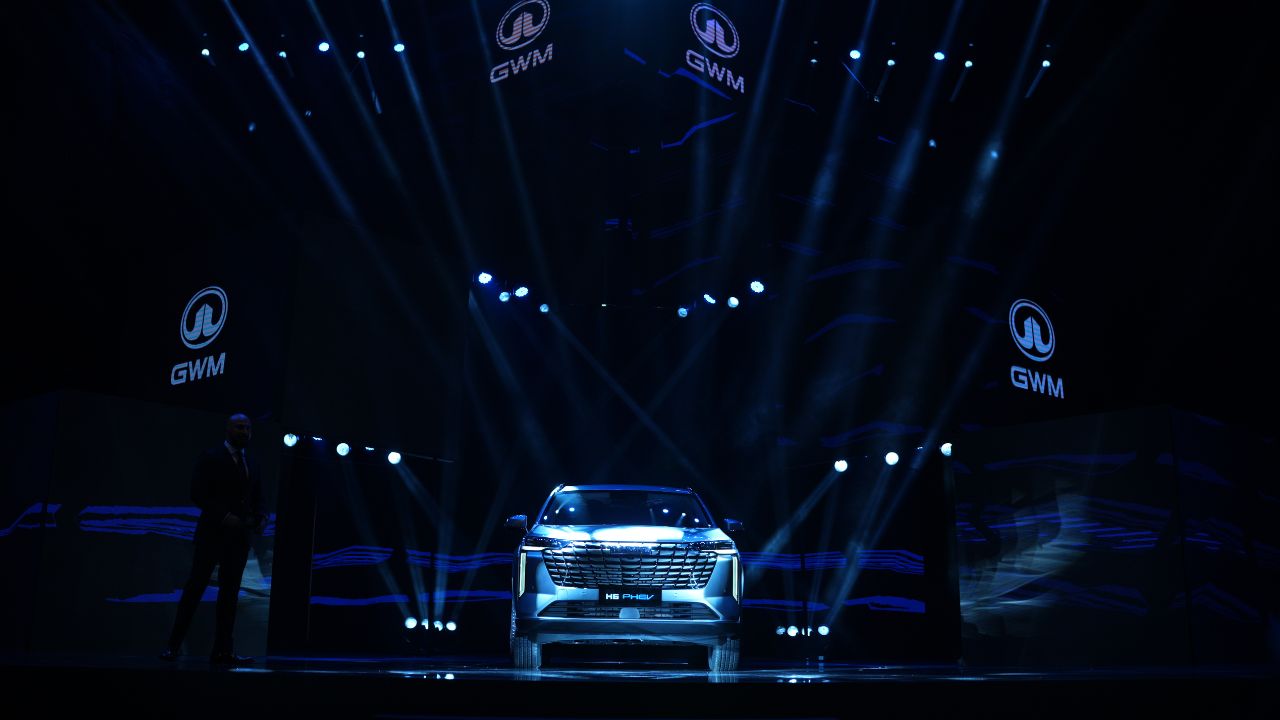
    In just a few short years, SAZGAR and Great Wall Motors (GWM) have transformed Pakistan’s automotive market. From the stylish Haval H6 and Jolion to the assembly of Pakistan’s first locally assembled hybrid vehicle, the partnership has consistently pushed boundaries. Now, they have delivered their biggest product yet, with the launch of Pakistan’s first Plug-in Hybrid SUV, the Haval H6 PHEV.

    The unveiling took place on August 16th at Lahore’s Expo Centre, and the atmosphere was anything but ordinary. With a red carpet and glittering networking area, dramatic lighting, and a futuristic setup, the event felt more like a movie premiere than a car launch. But behind all the showmanship was a clear message. Pakistan is ready to embrace sustainable mobility, and the H6 PHEV is leading the way.


    A Brand That Puts People First

    SAZGAR has built its reputation by putting customers at the center of its journey. From offering support during the Islamabad hailstorm to absorbing new NEV levies, the company has shown that it is willing to stand by its buyers. At the launch, senior company executives spoke not just about cars, but about the combined team ethos, SAZGAR’s efforts of ensuring responsibility, sustainability, and the future of mobility in Pakistan.

    Then came the star of the evening itself. Equipped with the Hi-4 all-wheel drive system, mobile app integration, and a powerful 1.5T engine paired with a 19kWh battery, the SUV produces 360 horsepower and 760Nm torque. The result? A thrilling sprint from zero to 100 km/h in just 4.8 seconds!

    National Assembly of Pakistan Speaker Mr. Sardar Ayaz Sadiq, attending as chief guest, praised SAZGAR for its forward-thinking approach. He stressed how critical such initiatives are as Pakistan faces the realities of climate change and flooding, also highlighting the importance of after-sales services in building long-term trust.

    What Sets the H6 PHEV Apart


    • 360 horsepower and 760Nm torque from a 1.5T engine plus 19kWh battery
    • 100km pure electric range, over 1000km combined range
    • Rapid charging from 30% to 50% in under 30 minutes
    • Hi-4 AWD technology, for smooth performance across all driving scenarios
    • Zero to 100 km/h in just 4.8 seconds
    • Smart features like upgraded infotainment, app controls, and 3.3Kw external power output


    Catch the reveal here: YouTube Link

    Assembled at SAZGAR’s facility in Lahore, the H6 PHEV is more than just another SUV on the road. It’s a signal that the future of Pakistan’s automotive industry is not only powerful and stylish, but also sustainable.

    Looking Ahead

    The night wrapped up with sneak peeks of the upcoming GWM Tank 500 HEV and Cannon Alpha PHEV. Together with the H6 PHEV, they represent a growing lineup of new energy vehicles from SAZGAR, now seven vehicles strong – the largest in Pakistan!

    See the highlights here: YouTube Link