Category: Business

  • Punjab increases govt employees’ pay by 30%, pensioners above 80 to receive 20% raise

    Punjab increases govt employees’ pay by 30%, pensioners above 80 to receive 20% raise

    In a significant development, the interim Punjab cabinet, headed by caretaker Chief Minister Mohsin Naqvi, has approved the provincial budget for the initial four months of the fiscal year 2023-24. The cabinet meeting, held on Monday, saw the endorsement of several key measures aimed at providing relief to the people and promoting various sectors of the economy.

    One of the major highlights of the budget is a 30 per cent increase in salaries for government employees, which will be implemented as an ad hoc relief. This decision is expected to bring significant relief to public servants who have been facing the brunt of rising costs of living. Additionally, pensioners above the age of 80 will receive a 20 per cent increase in their pensions, acknowledging their valuable contributions to society.

    The Punjab cabinet has also taken a bold step to stimulate business growth in the information technology and education sectors. By withdrawing all duties and taxes, the provincial government aims to create a favorable environment for these industries, fostering innovation and progress. An allocation of Rs70 billion has been set aside to provide relief to the people over the course of the first four months of the fiscal year.

    Addressing concerns related to the construction sector, the cabinet rejected a recommendation to increase stamp duty by up to 3 per cent. Instead, it approved fixing the stamp duty ratio at 1 per cent, thereby promoting the growth of the construction industry and encouraging investment in the sector.

    Recognizing the importance of agriculture, the cabinet allocated over Rs47 billion to support and enhance the sector. This move demonstrates the government’s commitment to bolstering the agricultural industry, which plays a crucial role in the province’s economy and livelihoods of the rural population.

    Furthermore, the interim setup has pledged to complete 50 per cent of ongoing development projects within the first four months of the new fiscal year. This ambitious target showcases the government’s determination to prioritise infrastructure development and provide better facilities for the citizens.

    The cabinet’s focus on critical sectors also extends to education and healthcare. An increase of up to 31 per cent in the budget allocation for education and health has been approved for the initial four months of the fiscal year. This decision reflects the government’s commitment to improving access to quality education and healthcare services across Punjab.

    The cabinet’s proactive approach toward promoting technological advancements is evident through the approval to establish an information technology park within the Lahore Knowledge Park. This venture aims to create a hub for technology-driven innovation and attract investment to the region.

    In a noteworthy move, the cabinet also approved the establishment of an endowment fund worth Rs1 billion for journalists. This step recognises the vital role played by journalists in society and aims to support and encourage their professional growth.

    Chief Minister Mohsin Naqvi emphasised that the Punjab budget does not impose any new taxes on the people, providing further relief to the general public. He commended the chief secretary, Planning and Development Board chairman, Punjab finance secretary, and their teams for their diligent efforts in presenting a people-friendly budget.

    The cabinet meeting was attended by provincial ministers, advisors, and secretaries of relevant departments, signaling a collaborative approach to decision-making and ensuring the inclusivity of various stakeholders.

    With the interim Punjab cabinet’s approval of this budget, the province is poised to embark on a path of economic growth, development, and improved quality of life for its citizens.

  • IMF meetings schedule excludes Pakistan till June 29 amidst pending 9th review

    IMF meetings schedule excludes Pakistan till June 29 amidst pending 9th review

    In a setback for Pakistan, the International Monetary Fund (IMF) Executive Board has excluded the country from its upcoming meetings, raising concerns about the completion of the 9th review under the Extended Fund Facility (EFF) programme. The IMF’s executive board calendar reveals that Pakistan is not on the agenda for the scheduled meetings until June 29, leaving little time to restart the $6.7 billion bailout programme before the end of the current financial year on June 30, 2023.

    Pakistan is currently facing challenges in securing fresh loans to bridge its $6 billion refinancing gap. Despite the impending expiration of the current programme, the Finance Ministry is still striving to reach an agreement with the IMF. However, the lender has raised concerns about Pakistan’s budget for the fiscal year 2023-24, particularly regarding non-tax revenue and the need to broaden the tax base.

    Last week, the IMF questioned the credibility of Pakistan’s budgetary numbers, which has cast a shadow of doubt over the country’s ability to meet the conditions for the bailout programme. In response, the Ministry of Finance issued a press statement on Friday, attempting to address these concerns. However, the statement failed to dissipate the doubts surrounding Pakistan’s economic situation.

    The IMF and Pakistan may now consider combining the pending ninth review with the tenth review in the new fiscal year. Such a move would likely require Pakistan to implement more stringent tax collection measures in exchange for a larger bailout package.

    The delay in completing the 9th review and the exclusion of Pakistan from the upcoming IMF Executive Board meetings have intensified the challenges faced by the country’s economy. As the June 30 deadline approaches, the Pakistani government and the IMF will need to work diligently to resolve their differences and pave the way for the resumption of the bailout programme.

    Pakistan’s ability to secure the IMF’s support is crucial for stabilising its economy, attracting foreign investments, and addressing the refinancing gap. The outcome of the negotiations and the subsequent decisions taken by both parties will have far-reaching implications for Pakistan’s financial stability and economic growth in the coming months.

  • Commercial importers forced to suspend food and drink imports due to dollar shortage

    Commercial importers forced to suspend food and drink imports due to dollar shortage

    In a significant development impacting the country’s economy, commercial importers in Pakistan have announced their decision to suspend the import of all eatables and beverages starting from June 25. The move comes as a result of the unavailability of dollars, with banks refusing to provide the necessary foreign currency to importers.

    The decision was taken following a comprehensive discussion among members of the Karachi Wholesale Grocers Association, represented by Secretary Farhat Siddique. In a statement issued by the association, it was revealed that all importers have been instructed to inform their indenters not to dispatch any shipments after June 25. Importers will only be responsible for the clearance of goods that have either arrived at the port or are en route. No shipments dispatched after June 25 will be cleared for entry.

    According to Geo, one of the major concerns highlighted by the association is the mounting number of containers stranded at the port due to the lack of foreign currency. Importers are currently facing fines and other charges as a result. The statement further criticised the State Bank of Pakistan (SBP) for its failure to provide the much-needed foreign exchange, citing its policies as detrimental to the country’s economy.

    This recent development comes at a time when the coalition government is grappling with a balance of payments crisis and striving to combat soaring inflation, which reached a record high of nearly 38 per cent last month. With foreign exchange reserves barely enough to cover a month’s worth of imports, the situation has prompted restrictions on imports and delays in opening letters of credit, severely impacting various sectors across the country. As a result, none of these sectors have been able to meet the growth targets set for the fiscal year 2022-23.

    The implications of the shortage of dollars and the subsequent halt in food and beverage imports are far-reaching, potentially affecting the availability and affordability of essential commodities for consumers. The government and relevant authorities will need to address the foreign currency shortage promptly and implement measures to stabilise the economy, restore confidence, and mitigate the impact on businesses and consumers alike.

    As the situation unfolds, stakeholders and policymakers will be closely monitoring the developments and seeking viable solutions to tackle the ongoing challenges faced by the country’s economy.

  • Export-quality rice production at risk: Rising theft incidents targeting water pumps, transformers

    Export-quality rice production at risk: Rising theft incidents targeting water pumps, transformers

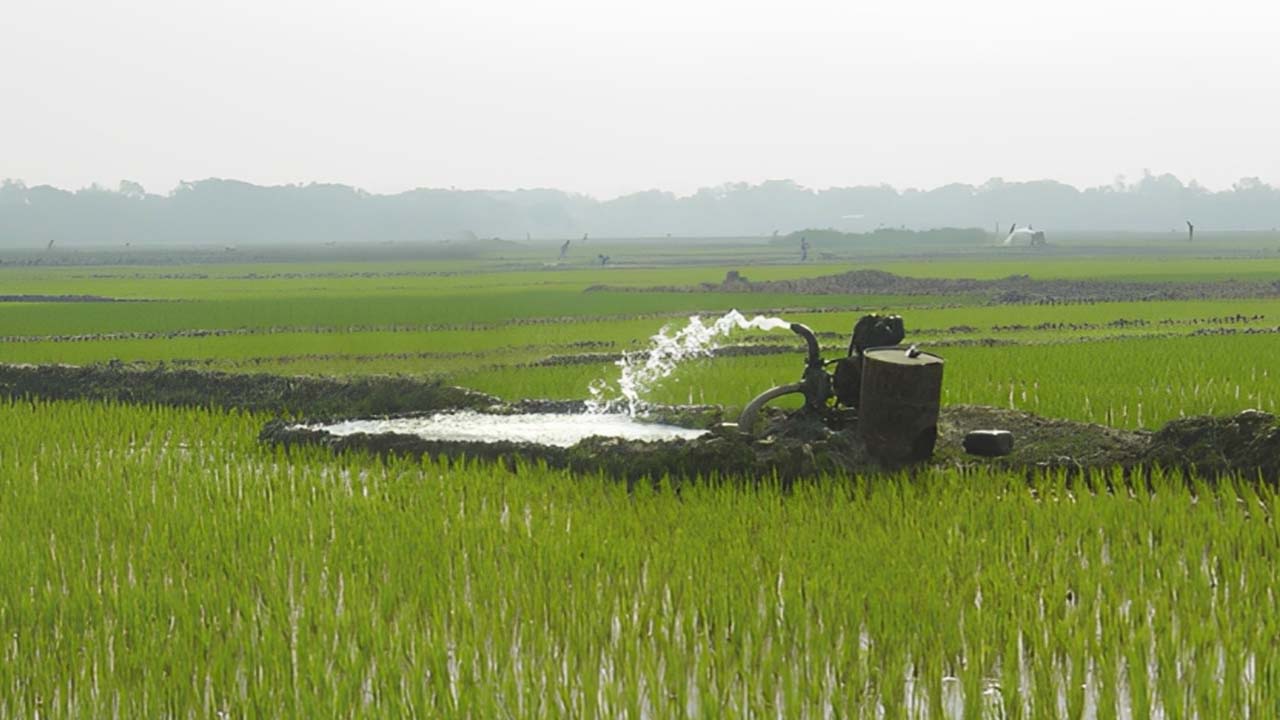
    Pakistan is currently facing a major threat to its export-quality rice production as a result of extensive theft of high-voltage electric wires, transformers, and water pumps. This theft has left vast stretches of rice-producing land along the Lahore to Sheikhupura Motorway without access to tube-well water, precisely during the critical rice sowing season.

    This alarming situation, which has been verified by both farmers and officials from the Water and Power Development Authority (Wapda), demands immediate attention.

    According to The News, the area most severely affected is near village Warran on the Motorway, where farmers are grappling with the challenges of rewiring their tube-wells and procuring replacements for the stolen equipment required for rice cultivation. The thefts of agricultural-related electrical hardware have been escalating precisely when water is in desperate demand for the rice crops.

    Although the rice-growing season began two weeks ago, many farmers are unable to sow their crops due to the thefts, which have deprived them of crucial equipment necessary for water extraction. Agricultural experts caution that any further delays in rewiring tube-wells and replacing stolen equipment could have severe repercussions for this year’s rice production.

    Regrettably, the motorway police’s lack of cooperation, attributed to resource constraints, has further complicated matters. Despite filing First Information Reports (FIRs) for each incident, no thieves have been apprehended thus far. Some Wapda officials suspect that the stolen wires and accessories are being sold at discounted prices to factories for various manufacturing purposes. Additionally, there are allegations that local politicians may be protecting the thieves, impeding the police’s efforts to apprehend them. These circumstances intensify the urgency surrounding this issue.

    Pakistan’s export-quality rice production is currently under a significant threat due to widespread theft of essential electrical equipment. The unavailability of water for irrigation poses a grave challenge to the entire rice crop, placing immense pressure on farmers. Swift action is imperative to address this issue and prevent further harm to the agricultural sector.

  • Toyota is working on fake manual transmission to add excitement to electric cars

    Toyota is working on fake manual transmission to add excitement to electric cars

    Toyota engineers have taken a unique approach to attract consumers who find electric cars lacking excitement by working on a realistic-feeling fake manual transmission as a potential feature.

    Although a manual transmission in an electric vehicle would serve no functional purpose, it would cater to enthusiasts who enjoy the experience of shifting gears in their conventional gasoline-powered cars.

    Toyota, a brand historically skeptical of electric vehicles, has been planning a more aggressive foray into the sector. Acknowledging the need to appeal to a diverse range of consumers, the development of features such as a fake manual transmission aims to entice individuals who are not captivated by the typical smoothness and simplicity associated with electric vehicles.

    It is worth noting that the majority of gasoline-powered cars sold in the United States today are equipped with automatic transmissions that require no driver input for shifting gears.

    Manual transmissions, which require the driver to operate a clutch pedal and maneuver a gear stick, are often offered as options for performance cars or inexpensive models. However, manual transmissions are more prevalent in other parts of the world, including Europe.

    In the case of Toyota’s innovation, as revealed in a recent patent application filed in the United States in late May, the electric car would not possess an actual multi-speed transmission. Instead, a shifter would be connected to sensors and a central computer programmed to replicate the sensation of driving a car with a manual transmission.

    Since manual transmission cars vary in terms of engines, transmissions, and gear ratios, the central computer would be programmed to emulate a specific type of manual transmission car. In addition to the conventional brake and accelerator pedals, the driver would also have a clutch pedal to complete the simulated experience.

    Furthermore, drivers will have the ability to “downshift” or engage in engine braking. This process involves selecting a lower gear and releasing the clutch pedal without pressing the accelerator, allowing the friction of the unpowered engine to slow the car without the need for brakes.

    Toyota’s virtual manual transmission incorporates programming that enables drivers to experience the sensation of operating it poorly, to a certain extent.

    If the driver fails to provide sufficient acceleration or selects an incorrect gear, the car will simulate the shaking and bucking experienced in a gas-powered vehicle with a manual transmission. However, the car’s computer will limit the intensity of these effects to prevent undue strain on the battery.

    Importantly, if drivers prefer not to use the fake manual transmission, the car will offer two driving modes: a regular electric vehicle mode and the faux-manual mode.

    While some reports suggest the inclusion of fake engine sounds to accompany the shifting and accelerating actions, the patent application does not explicitly mention it. The availability, timing, and target markets for the electric vehicle equipped with the simulated manual transmission remain uncertain at this point.

    Toyota’s innovative endeavor showcases the company’s commitment to diversifying its electric vehicle offerings and catering to a wider range of consumer preferences.

    By blending the familiarity of manual transmissions with the benefits of electric vehicles, Toyota aims to capture the attention of enthusiasts while providing an engaging driving experience in an increasingly electrified automotive landscape.

  • No special treatment: Russia denies exclusive discounts on oil export deal with Pakistan

    No special treatment: Russia denies exclusive discounts on oil export deal with Pakistan

    In a recent statement, Russian Energy Minister Nikolai Shulginov clarified that his country is not providing Pakistan with oil at a special discount. The announcement came during an international economic conference in St Petersburg, where Shulginov confirmed that Russia had begun exporting oil to Pakistan.

    Contrary to earlier reports, the Russian minister emphasised that the oil deliveries to Pakistan were being conducted on standard terms without any exclusive discounts. Citing Russian state media, Voice of America (VoA) reported Shulginov’s remarks, which aimed to dispel speculations about preferential treatment in the oil deal.

    According to Geo, Shulginov further revealed that both countries had agreed to accept Chinese currency as payment, highlighting the importance of conducting transactions in the currencies of friendly nations. However, he denied claims that Pakistan had received any special advantages or discounts within the agreement.

    During the conference, the topic of barter trade between Pakistan, Afghanistan, Iran, and Russia was also addressed. Pakistan had recently passed a special order allowing barter trade for various commodities, including petroleum, liquefied natural gas (LNG), coal, minerals, metals, wheat, pulses, and other food items.

    Regarding this specific trade arrangement, Minister Shulginov clarified that discussions had taken place, but no final decisions had been reached. In particular, the two countries have yet to establish mutually agreeable prices for the export of liquefied natural gas to Pakistan. Shulginov explained that the current focus was on spot supplies, and since spot gas prices were high at the moment, the negotiations were primarily centered around long-term contracts.

    As Russia commences oil deliveries to Pakistan, both nations are working to ensure fair and transparent trade practices while exploring potential opportunities for collaboration in the energy sector. The recent developments underscore the significance of bilateral cooperation and economic ties between Russia and Pakistan.

    While the exact details of the ongoing negotiations remain undisclosed, Minister Shulginov’s statements emphasise the commitment of both countries to maintaining a level playing field in their trade relations. The international community will be closely monitoring future developments in this energy partnership, particularly as Pakistan continues to diversify its energy sources and explore avenues for economic growth.

    As the discussions progress, it is expected that Russia and Pakistan will strive to reach mutually beneficial agreements that foster stability and prosperity in their bilateral trade relations, creating opportunities for sustained cooperation in the energy sector and beyond.

  • Russian market reopens for Pakistani rice: 15 mills get export approval

    Russian market reopens for Pakistani rice: 15 mills get export approval

    In a significant development for Pakistan’s rice industry, the Department of Plant Protection (DPP) of the Ministry of National Food Security and Research has registered 15 rice establishments for exports to the Russian Federation. This announcement comes as a ray of hope amid a declining trend in rice exports during the outgoing fiscal year.

    The recommendation of these establishments to the Russian Federal Service for Veterinary and Phytosanitary Surveillance (Rosselkhoznadzor) follows a thorough technical audit conducted by the DPP. The successful registration has been hailed as a significant achievement by the food ministry, highlighting its potential to boost exports and contribute to the overall economy of the country.

    In the past, Russia had restricted imports of rice from Pakistan due to concerns over pest interception. However, in 2021, the ban was lifted, allowing only four mills that had met the required quality standards to export rice to Russia.

    Recognising the need to capitalise on this opportunity, the DPP, in collaboration with the Rice Exporters Association of Pakistan (REAP), took proactive measures to upgrade 15 additional mills, ensuring compliance with the sanitary and phytosanitary (SPS) requirements set by Russia for rice exports.

    With the registration of these establishments, the total number of rice companies eligible to export to Russia has now risen to 19. This development is particularly significant for rice farmers, primarily located in Punjab and Sindh, as they heavily rely on these exports as a primary source of income.

    Beyond the immediate benefits to rice farmers, this achievement sets a positive precedent for Pakistan’s agrarian economy, opening doors to enhance exports in other domains by improving quality standards to meet global market demands. The agreement with Russia acts as a gateway for potential rice exports to international markets.

    Building on this success, efforts are underway to bring more rice processing facilities in line with international standards, with the aim of securing a substantial share in high-end export markets across Asia, Europe, the United States, and Australia.

    The recent decline in Pakistan’s basmati rice exports, which contracted to 541,492 tonnes ($588m) in 11MFY23 from 695,564 tonnes ($632m) in the corresponding period of the previous fiscal year, has underscored the importance of revitalising the sector.

    However, foreign sales of other rice varieties have remained strong, totaling $1.4bn with shipments of 2.964 million tonnes in July-May FY23, albeit slightly lower than the $1.6bn (3.816 million tonnes) recorded during the same period last year.

    As Pakistan’s rice industry finds new avenues for growth, there is renewed optimism among farmers, exporters, and policymakers regarding the sector’s potential to contribute significantly to the country’s economic recovery.

    By tapping into international markets, enhancing quality standards, and diversifying export destinations, Pakistan aims to strengthen its position as a leading player in the global rice trade and capitalise on its status as an agrarian economy.

  • Pakistan’s foreign exchange reserves get a boost as China rolls over $1 billion loan

    Pakistan’s foreign exchange reserves get a boost as China rolls over $1 billion loan

    In a significant development, China has rolled over a $1 billion loan to Pakistan, bolstering the country’s foreign exchange reserves held by the State Bank of Pakistan (SBP). This move comes as a much-needed relief for cash-strapped Pakistan, which has been grappling with a severe liquidity crunch and the looming expiration of its International Monetary Fund (IMF) programme.

    Pakistan’s Finance Minister Ishaq Dar said that the $1 billion loan from China would be received on Monday. Additionally, negotiations are underway with the Bank of China for a loan amounting to $300 million. Pakistan is also set to benefit from the dollars obtained through its swap agreement with China.

    Prior to this infusion of funds, the SBP and commercial banks jointly held foreign exchange reserves amounting to $9.4 billion as of June 9. With the $1 billion loan, the reserves will rise to $10.4 billion, providing some stability to Pakistan’s economic situation.

    The IMF has made external financing a prerequisite for Pakistan, emphasising the importance of securing additional funds. In an effort to address its financial challenges, Pakistan had approached China to refinance commercial loans worth $1.3 billion. However, without the revival of the IMF programme, the SBP’s foreign exchange reserves were at risk of plummeting to less than $3 billion.

    Despite these positive developments with China, Pakistan is still struggling to secure external financing in a timely manner, primarily due to ongoing political instability. The country’s fragile economy, valued at $350 billion, continues to be in turmoil, with financial woes exacerbating the situation. The delayed agreement with the IMF has further compounded the need for crucial funding to avoid the risk of default.

    Negotiations between the Pakistani government and the IMF have been ongoing since the end of January to resume the $1.1 billion loan tranche that has been on hold since November. This loan is part of a larger $6.5 billion Extended Fund Facility agreed upon in 2019. The impending challenge lies in repaying $900 million to multilateral creditors, which includes both principal and mark-up repayments, by the end of June 2023.

    Pakistan remains hopeful that these recent developments with China will provide some respite in the face of its economic challenges. However, the government must continue its efforts to secure external financing and navigate through the political instability to ensure long-term stability and growth for the country’s economy.

  • Finance Ministry responds to IMF’s concerns on budget, pledges commitment to programme

    Finance Ministry responds to IMF’s concerns on budget, pledges commitment to programme

    The International Monetary Fund (IMF) has publicly raised reservations regarding Pakistan’s budget, prompting a response from the Finance Ministry. The ministry clarified that the budget is not part of the pending ninth review, which has been delayed since November of last year. However, it emphasised its commitment to finding an amicable solution through ongoing engagement with the IMF.

    In a statement addressing the IMF’s concerns, the ministry highlighted the completion of the ninth review in early February 2023, with all technical issues promptly addressed. The only outstanding matter was external financing, which was resolved after discussions between Prime Minister Shehbaz Sharif and the IMF managing director.

    The ministry clarified that although the FY24 budget was not part of the ninth review, it shared the budget numbers with the IMF mission in line with the prime minister’s commitment. Continuous engagement with the IMF, including discussions on the budget, is ongoing.

    Addressing the IMF’s concerns about broadening the tax base, the ministry noted the addition of 1,161,000 new taxpayers by the Federal Board of Revenue (FBR) over the past 11 months. It emphasised that efforts to expand the tax base will continue, highlighting the introduction of a 0.6 per cent advance adjustable withholding tax on cash withdrawals over Rs50,000 as a significant step.

    The ministry defended the tax exemptions announced in the budget, describing them as catalysts for growth in the real sectors of the economy. It assured that the budget provides targeted subsidies for families with a PMT scorecard of up to 40, not limited to the Benazir Income Support Programme (BISP) beneficiaries.

    Regarding the amnesty measures, the ministry explained that the only change made was to “dollarize” the value of an existing provision in the IT Ordinance. It clarified that this facility has always been available and that the cap of Rs10 million ($100,000 approximately) introduced in FY2016 is being resolved based on the rupee equivalent of $100,000.

    The ministry reiterated its full commitment to the IMF programme and eagerness to at least complete the ninth review. It emphasised the government’s willingness to make difficult decisions and engage with the IMF to find an amicable solution.

  • iPhone manufacturer Foxconn shifts focus to electric cars amidst US-China strained relations

    iPhone manufacturer Foxconn shifts focus to electric cars amidst US-China strained relations

    Taiwanese manufacturer Foxconn, renowned for its production of iPhones, has announced a strategic shift towards electric vehicles (EVs) amidst the strained relations between the United States and China.

    In an interview with the BBC, Chairman Young Liu conveyed the company’s intent to make substantial investments in the EV sector while concurrently diversifying its supply chains away from China.

    Liu acknowledged the importance of peace and stability between the two nations but emphasised the necessity, from a business standpoint, to consider contingency plans for adverse scenarios.

    In response to the prevailing geopolitical tensions, Foxconn has already commenced the relocation of certain production lines from China to alternative locations in Mexico and Vietnam.

    This decision comes as Foxconn finds itself embroiled in a contentious dispute, with Beijing claiming Taiwan as part of China and President Xi Jingping reiterating commitments to “reunification.” Meanwhile, the United States has expressed unequivocal support for Taiwan’s independence, with the looming specter of invasion having cast a shadow over the island nation for years.

    Having originated in 1974 as a manufacturer of television dials, Foxconn has emerged as a global technology powerhouse, amassing revenues of $200 billion. Responsible for over half of Apple’s product output, including iPhones and iMacs, the company also serves an array of esteemed clients such as Microsoft, Dell, and Amazon.

    Foxconn’s unique position as a company that designs products in the United States while predominantly manufacturing them in China has left it navigating a delicate equilibrium between the two global superpowers.

    Chairman Liu articulated his vision of capturing approximately 5 per cent of the global electric vehicle market within the coming years. He outlined plans for establishing Foxconn EV manufacturing facilities in Ohio, United States, as well as in Thailand, Indonesia, and potentially India.

    By pivoting toward electric cars, Foxconn seeks to leverage its technological prowess and industry influence to secure a significant stake in the evolving EV landscape.