Category: Business

  • Proposed increase in advance tax on vehicle registration to impact expensive car buyers

    Proposed increase in advance tax on vehicle registration to impact expensive car buyers

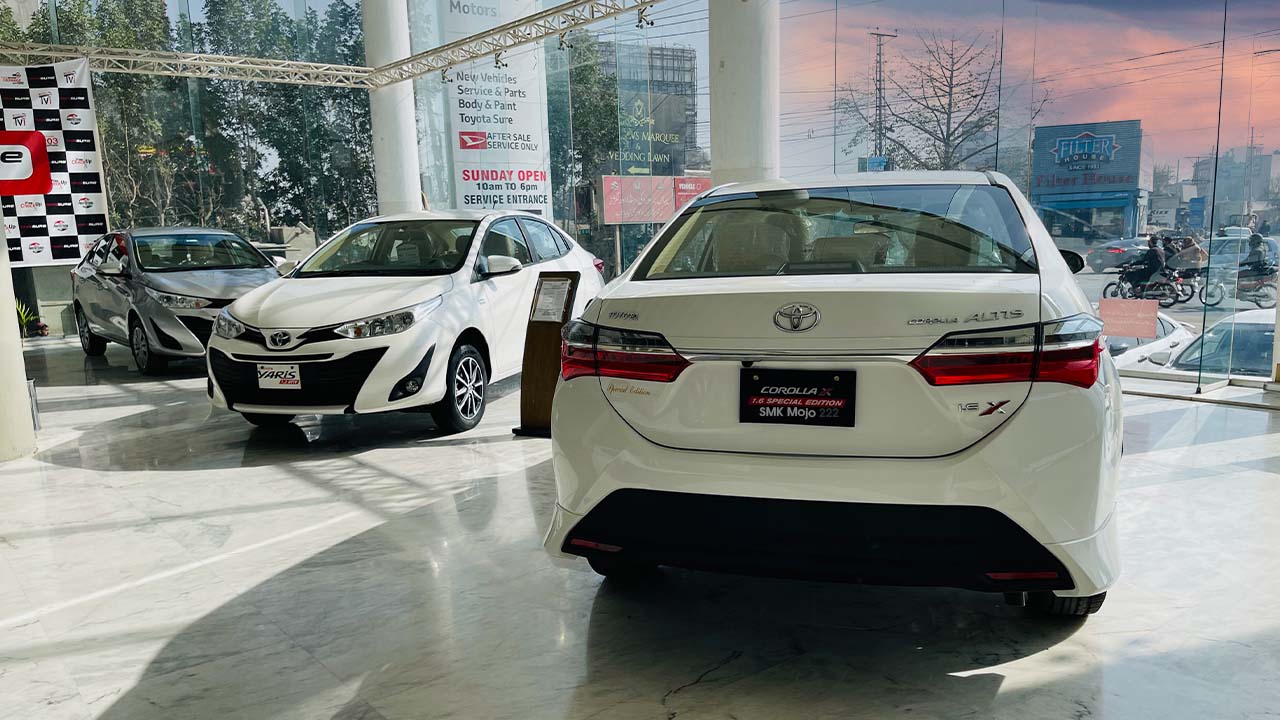
    With the upcoming budget just days away, the Federal Board of Revenue (FBR) is deliberating on measures to increase the advance tax on motor vehicle registration, particularly targeting non-filers. The proposed plan suggests raising the tax rate by 10 to 35 per cent based on the value of vehicles.

    Currently, the advance tax is determined by engine capacity, but significant changes are being considered for the forthcoming budget, set to be revealed in the first week of June. The Resource and Revenue Mobilisation Commission (RRMC) has recommended imposing the advance tax based on the value of the vehicle.

    As per the proposed rates, the RRMC has advised the government to impose a 2 per cent advance tax on the corporate sector and 3 per cent on the non-corporate sector for individuals listed in the active taxpayers list (ATL) for the past three years. These rates would apply to motor vehicles valued up to Rs10 million.

    For individuals, the proposed tax rate stands at 10 per cent. As for motor vehicles valued between Rs10 million and Rs30 million, the recommended tax rates are 4 per cent and 5 per cent for the corporate and non-corporate sectors, respectively, provided they are part of the ATL for the past three years.

    Moving up the value scale, vehicles valued between Rs30 million and Rs100 million would face tax rates of 6-7 per cent for the corporate and non-corporate sectors. The proposed tax rate for individuals would be increased significantly to 30 per cent.

    For vehicles valued up to Rs100 million, the proposed tax rates are 8 per cent and 10 per cent for the corporate and non-corporate sectors, respectively, for individuals present in the ATL for the past three years. Individuals falling under this category would face a tax rate of 35 per cent.

    The RRMC has also recommended subjecting the transport sector to a minimum tax regime of 3 per cent of the gross turnover, applicable to transport services provided to withholding agents. Additionally, a tax rate of 3.5 per cent would be levied on the gross amount received for the provision of carriage services by transport contractors, while oil tanker contractors would face a tax rate of 2.5 per cent.

    These proposed changes in the tax structure aim to generate increased revenue for the government and incentivize compliance with tax regulations. By targeting motor vehicle registration, the FBR hopes to enhance revenue collection and promote a fair tax system.

    It is essential to note that these proposed changes are subject to approval and implementation during the budget announcement. The FBR and RRMC are carefully evaluating the potential impact of these adjustments on various sectors and taxpayers, striving to strike a balance between revenue generation and taxpayer convenience.
  • Pakistani rupee sinks to record low of Rs308 against US dollar in open market

    Pakistani rupee sinks to record low of Rs308 against US dollar in open market

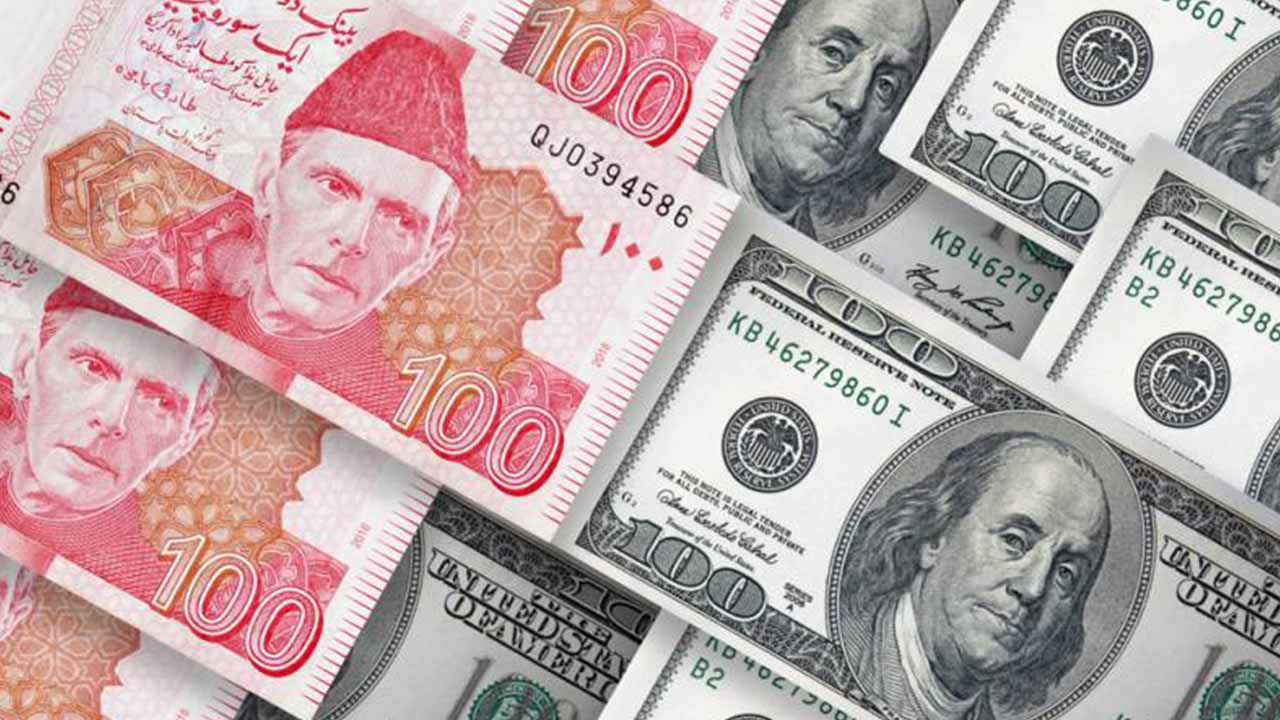
    On Tuesday, the Pakistani currency experienced a significant decline, reaching a new record low of Rs308 against the US dollar in the open market. This marked a 1 per cent decrease, or Rs3, from the previous day’s closing rate, as reported by the Exchange Companies Association of Pakistan.

    Consequently, the disparity between the exchange rates in the open market and the inter-bank market widened considerably, reaching a historic high of Rs21 to a dollar. Just a couple of months ago, this difference was in the range of Rs1-3.

    In inter-bank transactions, the central bank stated that the rupee continued its downward trend for the fifth consecutive working day, dropping by 0.21 per cent, or Rs0.59, to a 12-day low at Rs287.15 against the US dollar.

    There has been speculation in the market that the rupee is facing mounting pressure due to the expanding gap between the demand and supply of the US dollar in the currency market.

    In the meantime, Pakistan’s foreign exchange reserves have been consistently depleting and have now reached a critically low level of $4.3 billion. This is concerning because the country requires a comparatively large amount of foreign currency to cover import expenses and repay foreign debt.

    By the end of June 2023, Pakistan has to repay $3.7 billion in foreign debt. Additionally, it needs another $3.7 billion each month to ensure smooth importation of essential goods.

    Currency dealers in the open market have revealed that commercial banks are purchasing dollars in the informal market (kerb market) to settle international payments made through their clients’ credit cards. Furthermore, individuals are acquiring Saudi riyals and US dollars to cover expenses during the Hajj and Umrah pilgrimages.

    Experts strongly emphasize that the government must persuade the International Monetary Fund (IMF) to resume its $6.7 billion loan programme. Additionally, they urge friendly countries to provide fresh financing, which will help mitigate the risk of defaulting on external debt obligations.

    The resumption of the IMF programme will not only assist Pakistan in averting an imminent default but will also enable the country to attract financing from other global lenders and friendly nations. This new financing will bolster the foreign exchange reserves and aid in the reopening of the partially closed economy.

  • Govt to maintain 18% GST rate in upcoming budget 2023-24

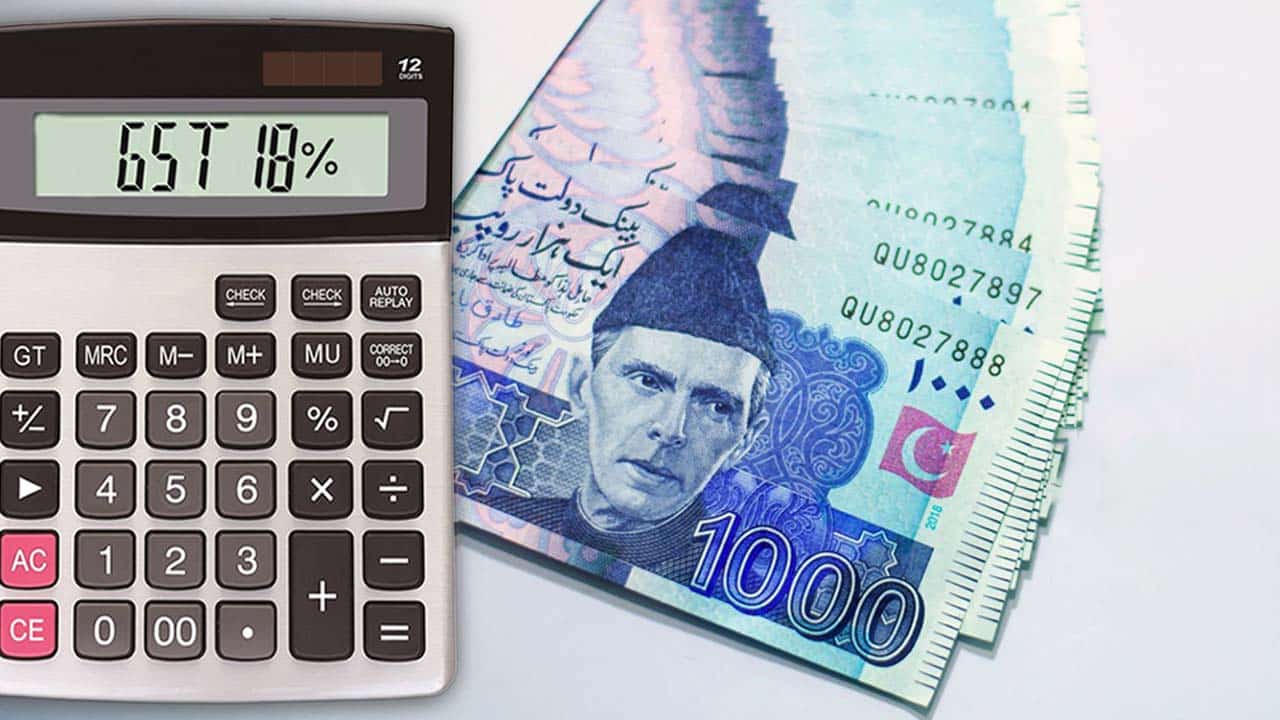
    Govt to maintain 18% GST rate in upcoming budget 2023-24

    In the forthcoming budget for 2023-24, it is anticipated that the government will maintain the current standard rate of General Sales Tax (GST) at 18 per cent. Additionally, efforts are being made by the government to increase the rates of withholding taxes, where applicable, with the aim of augmenting tax revenues.

    Another aspect being considered is the implementation of amendments for retailers, with the objective of including a larger number of businesses within the tax bracket. It is worth noting that previous schemes designed to entice retailers into the tax system have proved unsuccessful over the past few decades.

    According to The News, various proposals are currently being deliberated upon for the imposition of Minimum Asset Tax (MAT) on both movable and immovable assets. However, the Federal Board of Revenue (FBR) has been advised to seek constitutional validation for these proposed taxation measures in order to avoid potential legal disputes.

    Moreover, the government is exploring options to enhance documentation within the property sector, as part of its ambitious goal to achieve a tax collection target ranging between Rs9 and Rs9.2 trillion for the upcoming budget.

    These proposals were thoroughly discussed in a meeting chaired by Finance Minister Senator Ishaq Dar, which focused on budgetary considerations within the Finance Division. Present at the meeting were State Minister for Finance Dr Ayesha Ghous Pasha, Special Assistant to the Prime Minister (SAPM) on Finance Tariq Bajwa, SAPM on Revenue Tariq Mehmood Pasha, Chairman of the Reforms and Resource Mobilization Commission (RRMC) Ashfaq Yousuf Tola, the finance secretary, FBR chairman, and other senior officials from the Finance Division and FBR.

    During the meeting, FBR Chairman Asim Ahmad provided a comprehensive presentation on the budgetary proposals for the Federal Budget 2023-24.

  • Crisis on wheels: Pakistan’s automotive industry grapples with mass layoffs and 70% sales drop

    Crisis on wheels: Pakistan’s automotive industry grapples with mass layoffs and 70% sales drop

    The automotive industry in Pakistan is facing a severe setback as thousands of workers were laid off due to a decline in vehicle and spare parts sales. The government’s ban on raw material imports, coupled with the depreciation of the rupee and soaring inflation, has caused a significant strain on the industry. With foreign exchange reserves dwindling and the local currency hitting historic lows against the US dollar, the economic crisis has reached unprecedented levels.

    Pakistan finds itself in the midst of its most formidable economic crisis to date, as the State Bank of Pakistan’s foreign exchange reserves have plummeted to a mere $4 billion. This amount is barely sufficient to cover three weeks of imports, raising concerns about the country’s economic stability. The ban on raw material imports, implemented to prevent the outflow of US dollars, has caused a sharp decline in industrial output and triggered widespread layoffs and unemployment.

    Dollar crunch and inflation

    In the midst of the worsening dollar crunch, commercial banks have also halted the opening of letters of credit (LCs), leaving importers in a state of uncertainty regarding the provision of the necessary funds for already placed orders. This further exacerbates the challenges faced by the automotive industry, hindering its ability to procure essential raw materials and sustain production.

    The country is grappling with soaring inflation rates, which surpassed 36 per cent in April, the highest recorded since 1964. As a result, consumer purchasing power has diminished significantly, leading to a sharp decline in vehicle sales. Munir Karim Bana, Chairman of the Pakistan Association of Automotive Parts and Accessories Manufacturers (PAAPAM), laments the dire situation, stating that thousands of workers have been laid off, and production has ground to a halt. The closure of auto manufacturing plants has further exacerbated the industry’s challenges.

    Auto parts manufacturers are grappling with demurrage charges as raw materials worth billions of rupees remain stuck at the Karachi port. PAAPAM, responsible for supplying approximately 90 per cent of local vehicle parts, is bearing the burden of these charges. Furthermore, with production units closed, income streams have dried up, exacerbating the financial strain on the industry.

    Rana Ihsan Afzal, the coordinator to Prime Minister Shehbaz Sharif on commerce and industry, acknowledges that the automotive industry’s full efficiency may not be restored until the revival of the IMF bailout program. As a sector heavily reliant on imports and foreign currency, the automotive industry is particularly vulnerable to the country’s economic challenges. The delay in the staff-level agreement on the ninth review of the IMF bailout deal signed in 2019 has further hampered the industry’s prospects.

    Revival prospects and government assurance

    Amid the decline in sales and mass layoffs, the coordinator to the Prime Minister expressed his concern but assured that the government is tirelessly working to revive the economy. The coordinator acknowledges the temporary phase that necessitates import restrictions on the automotive industry to protect foreign exchange reserves. However, he remains optimistic that once reserves are replenished, the industry will experience a significant upturn.

    Pakistan’s automotive industry is facing a dire crisis, with plummeting sales, layoffs, and manufacturing plant closures. The ban on raw material imports, along with the economic challenges of soaring inflation and dwindling foreign exchange reserves, has pushed the industry to the brink. Despite the difficulties, the government is committed to revitalizing the sector and assuaging the concerns of manufacturers.

  • Gold price in Pakistan is currently Rs5,000 higher than global market rate

    Gold price in Pakistan is currently Rs5,000 higher than global market rate

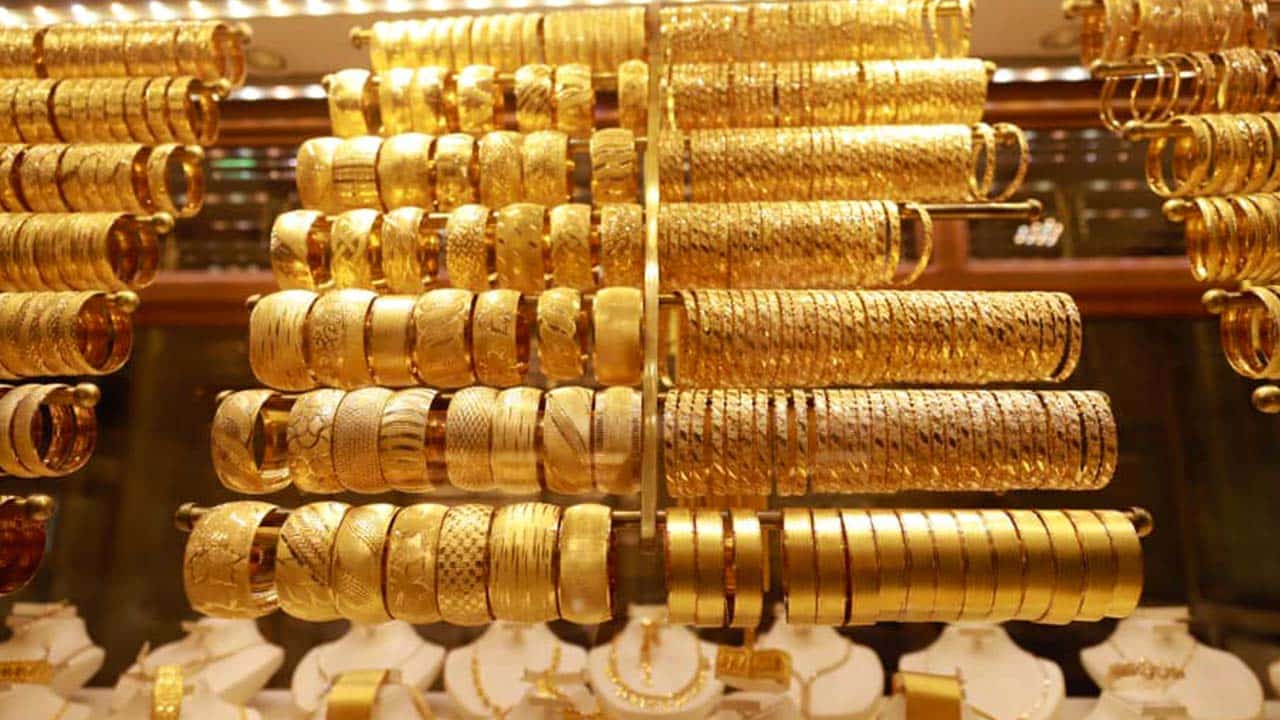
    The price of gold continued to increase in Pakistan on Monday, following the gains of last week. According to the All Pakistan Sarafa Gems and Jewellers Association, the rate of 24-carat gold rose by Rs2,000 per tola and Rs1,714 per 10 grammes, settling at Rs237,300 and Rs203,446, respectively.

    In the international market, the gold rate declined by $5, reaching $1,972 per ounce. Throughout last week, the rate of gold experienced fluctuations in both the domestic and international markets, amidst uncertainty surrounding the raising of the US debt limit.

    If the US debt limit, which is currently capped at $31.4 trillion, is not raised, it could trigger the first-ever US default.

    According to Geo, recent volatility in the domestic gold market can be attributed to various factors, including economic and political turmoil, high inflation, and currency depreciation. In such times, people tend to prefer buying yellow metal as a safe investment and a hedge.

    On May 10, the safe-haven bullion reached an all-time high of Rs240,000 per tola, driven by increased political uncertainty following the arrest of Imran Khan, the Chairman of Pakistan Tehreek-e-Insaf (PTI). However, it subsequently dropped in line with the decline in the international rate.

    Pakistan’s gold price peaks above global market levels

    The jewellers’ body also highlighted that local gold in Pakistan is currently overpriced by Rs5,000 per tola compared to the Dubai bullion market. Consequently, the Pakistani gold market is presently more expensive than the world market.

    Data shared by the association revealed a significant jump in the price of silver, with an increase of Rs50 per tola and Rs42.87 per 10 grammes, settling at Rs2,900 and Rs2,486.28, respectively.

  • Meta slapped with record-breaking $1.3 billion fine for EU-US data transfer breach

    Meta slapped with record-breaking $1.3 billion fine for EU-US data transfer breach

    Meta has received a record-breaking fine of 1.2 billion euros ($1.3 billion) from European privacy regulators due to the transfer of European Union (EU) user data to the United States (US).

    The decision stems from a case initiated by Austrian privacy activist Max Schrems, who argued that the existing framework for transferring EU citizen data to the US did not adequately protect Europeans from US surveillance.

    There have been several legal disputes surrounding mechanisms for transferring personal data between the US and the EU. The most recent arrangement, known as Privacy Shield, was invalidated by the European Court of Justice in 2020, which is the highest court in the EU.

    The Irish Data Protection Commission, responsible for overseeing Meta’s operations in the EU, accused the company of violating the General Data Protection Regulation (GDPR) of the EU. Despite the 2020 ruling by the European court, Meta continued to transfer the personal data of EU citizens to the US. GDPR is a significant data protection regulation that governs companies operating within the EU, and it has been in effect since 2018.

    Meta utilized a mechanism called standard contractual clauses to facilitate the transfer of personal data between the EU and the US. This method had not been blocked by any EU court. However, the Irish data regulator stated that these clauses, along with other measures implemented by Meta in conjunction with the European Commission, did not adequately address the risks to the fundamental rights and freedoms of data subjects as highlighted by the European Court of Justice.

    The Irish Data Protection Commission also instructed Meta to halt any future transfer of personal data to the US within a five-month period following the decision.

    The 1.2 billion euro fine imposed on Meta is the largest ever penalty issued for breaching GDPR. Previously, the highest fine of 746 million euros had been levied against e-commerce giant Amazon for GDPR violations in 2021.

    Meta has announced its intention to appeal the decision and the fine. In a blog post on Monday, Meta’s President of Global Affairs, Nick Clegg, and Chief Legal Officer, Jennifer Newstead, stated that they would seek a stay from the courts to pause the implementation deadlines due to the potential harm caused by the orders, particularly to the millions of Facebook users.

    This case involving Meta has once again brought attention to the efforts of the EU and Washington to establish a new data transfer mechanism. Although the US and EU reached a preliminary agreement on a new framework for cross-border data transfers last year, it has not yet come into effect.

    Meta is hopeful that the EU-US data privacy agreement will be established before the Irish regulator’s deadlines take effect. If the new framework is implemented within the expiration of the implementation deadlines, Meta’s services can continue without disruption or impact on users, as stated by Clegg and Newstead.

  • Pakistan is making desperate efforts to revive IMF programme before deadline

    Pakistan is making desperate efforts to revive IMF programme before deadline

    Pakistan is facing a critical situation as it seeks to revive its stalled Extended Fund Facility (EFF) programme with the International Monetary Fund (IMF). The $6.5 billion programme is set to expire on June 30, and negotiations for the ninth review, due last November, have not been successful.

    Efforts to reach a Staff Level Agreement (SLA) with the IMF have been ongoing, but disagreements persist regarding the conditions set by the Fund. The SLA must be signed before Pakistan unveils its 2023-24 budget on June 9, or the current programme will fail.

    According to The News, two options are being considered. The first involves signing the SLA immediately, requesting approval from the IMF Executive Board for the next $1 billion tranche, and extending the EFF programme for a few months to complete the 10th and 11th reviews. The second option is to combine the 9th and 10th reviews, share budgetary figures with the IMF, and sign the SLA after the budget announcement. If approved by parliament, the IMF’s Executive Board could then grant an extension for the completion of the 11th Review by July or August 2023.

    However, finding a solution is proving challenging. Maintaining the status quo will not lead to any breakthroughs, and consensus must be reached between Pakistan and the IMF. Political uncertainty, inadequate economic management, and the inability to secure sufficient external financing have hindered progress.

    Without an IMF programme, Pakistan’s options are limited. The risk of default would increase, and reserves would remain weak. Although there are options available, such as striking the SLA in the next few days or combining reviews, they are becoming increasingly difficult. Life without the IMF would require seeking financing from other sources at higher costs.

    It is crucial for Pakistan to resolve its differences with the IMF and secure the continuation of the EFF programme. Failure to do so would have severe consequences for economic stability and future financing prospects.

  • Revolutionising air travel: Pakistan launches first-ever online ‘air taxi service’

    Revolutionising air travel: Pakistan launches first-ever online ‘air taxi service’

    Pakistan has achieved a significant milestone by introducing its groundbreaking online air taxi service, revolutionising air travel for its citizens. This innovative service offers individuals the utmost convenience in booking air travel according to their preferred time and destination.

    With just a few taps on a user-friendly mobile app, individuals can now reserve an air taxi from the comfort of their homes, mirroring the simplicity of booking a regular taxi.

    The official launch of the aerial air taxi service took place in Karachi, marking a momentous occasion. The lease agreement for the highly acclaimed DA 40 Diamond series aircraft was officially signed at the Civil Aviation office adjacent to Karachi Airport.

    Imran Aslam Khan, the Chief Operating Officer of Sky Wings Aviation, expressed his genuine excitement as the aircraft designated for aerial tours successfully arrived in Pakistan after a flawless test flight.

    Notably, this remarkable single-engine plane boasts a comfortable seating capacity of four passengers.

    Imran emphasised that the primary objective of this exceptional air taxi service is to provide emergency transportation from Karachi to remote areas in rural Sindh and Balochistan through captivating aerial tours.

    The German-manufactured aircraft demonstrates remarkable capabilities, with a maximum speed of 160 kilometers per hour and a flight range of 2,000 kilometers, making it an ideal choice for efficient air travel across the region.

    To further enhance the convenience for passengers, Imran revealed that the mobile app, which is set to launch soon, will empower citizens to effortlessly select their desired time and destination for air travel, putting the control in their hands.

    Significantly, the fare for this novel air taxi service will be significantly lower compared to typical charter services, which often begin at a staggering cost of Rs2.5 million for a trip from Karachi to various cities in Sindh and Balochistan. This affordability factor opens up endless possibilities for a wider range of individuals to experience the convenience and luxury of air travel.

    The initial phase of the air taxi service will commence with eight aircraft of varying capacities, with promising plans for expansion in the near future. Importantly, this remarkable service is not limited to political, religious, or business personalities.

  • Health activists urge govt to impose higher taxes on cigarettes for public welfare

    Health activists urge govt to impose higher taxes on cigarettes for public welfare

    Health activists and civil society organizations are calling on the government to impose higher taxes on cigarettes in the upcoming 2023-24 budget, signaling a potential increase in smoking costs for Pakistani consumers.

    Advocates argue that regular tax hikes on tobacco products, in line with the recommendations of the World Health Organization (WHO), are necessary to combat the detrimental effects of smoking in the country.

    Sanaullah Ghumman, representing Pakistan National Heart Association (PANAH), emphasised the importance of consistent taxation on cigarettes, urging the government to align with WHO guidelines. Ghumman’s plea reflects the growing concern over the devastating health consequences associated with tobacco consumption.

    Malik Imran, Country Head of the Campaign for Tobacco-Free Kids (CTFK), highlighted the impact of the government’s recent decision to raise the Federal Excise Duty (FED) on cigarettes in February 2023. This move generated an additional Rs11.3 billion in FED revenue for the fiscal year 2022-23, marking a 9.7 per cent increase from the previous year. Moreover, an extra 4.4 billion in VAT revenue was collected during the same period, representing an 11.5 per cent rise. These figures amount to a substantial boost of 15.7 billion, contributing 0.201 per cent to Pakistan’s struggling economy.

    Imran dismissed the tobacco industry’s claims of illicit trade as a diversion tactic to undermine the benefits of increased taxation. He emphasised that the economic gains resulting from higher prices indicate the viability of this approach, which aids in curbing smoking-related healthcare costs.

  • Strengthening economic ties: Pakistan expects substantial benefits from trade agreement with Russia

    Strengthening economic ties: Pakistan expects substantial benefits from trade agreement with Russia

    Pakistan and Russia have successfully concluded a bilateral trade agreement during a three-day economic conference in Kazan, Russia. The deal aims to streamline trade operations and reduce costs between the two nations, strengthening economic ties.

    The agreement includes provisions that benefit Pakistan’s economy. It facilitates the smooth movement of goods and offers Pakistani products a customs duty discount upon entering the Russian market. This tariff reduction presents an opportunity for Pakistani exporters to enhance their competitiveness and expand their presence in Russia.

    The protocol also establishes administrative cooperation and information exchange within the framework of the unified Tariff Preferences of the Eurasian Economic Union. This approach will promote efficient customs procedures and create a conducive business environment, bolstering trade relations between Pakistan and Russia.

    Pakistan’s Commerce Minister, Naveed Qamar, represented the country at the conference and engaged in discussions and negotiations. He met with Rustam Minnikhanov, the leader of Tatarstan, Russia, to strategize measures for enhancing trade and economic relations. The minister also networked with influential business figures, strengthening Pakistan’s outreach in the global business community.

    According to Dawn, the signing of this landmark protocol signifies a vital step forward in establishing the necessary legal framework for commercial relations between Pakistan and Russia. Minister Qamar expressed satisfaction with the improvement in trade and political relations between the two nations. Both countries have made substantial strides in enhancing their trade and political ties, particularly in the oil and gas trade sector.

    With the bilateral trade agreement in place, Pakistan stands to reap substantial economic benefits. The provisions, including customs duty discounts and streamlined procedures, offer new opportunities for Pakistani businesses to expand their market presence and capitalize on the growing demand in Russia. This agreement also paves the way for stronger political and diplomatic ties between Pakistan and Russia, fostering long-term economic growth and cooperation.