Category: Business

  • PSX rallies 1,200 points on strong institutional buying

    PSX rallies 1,200 points on strong institutional buying

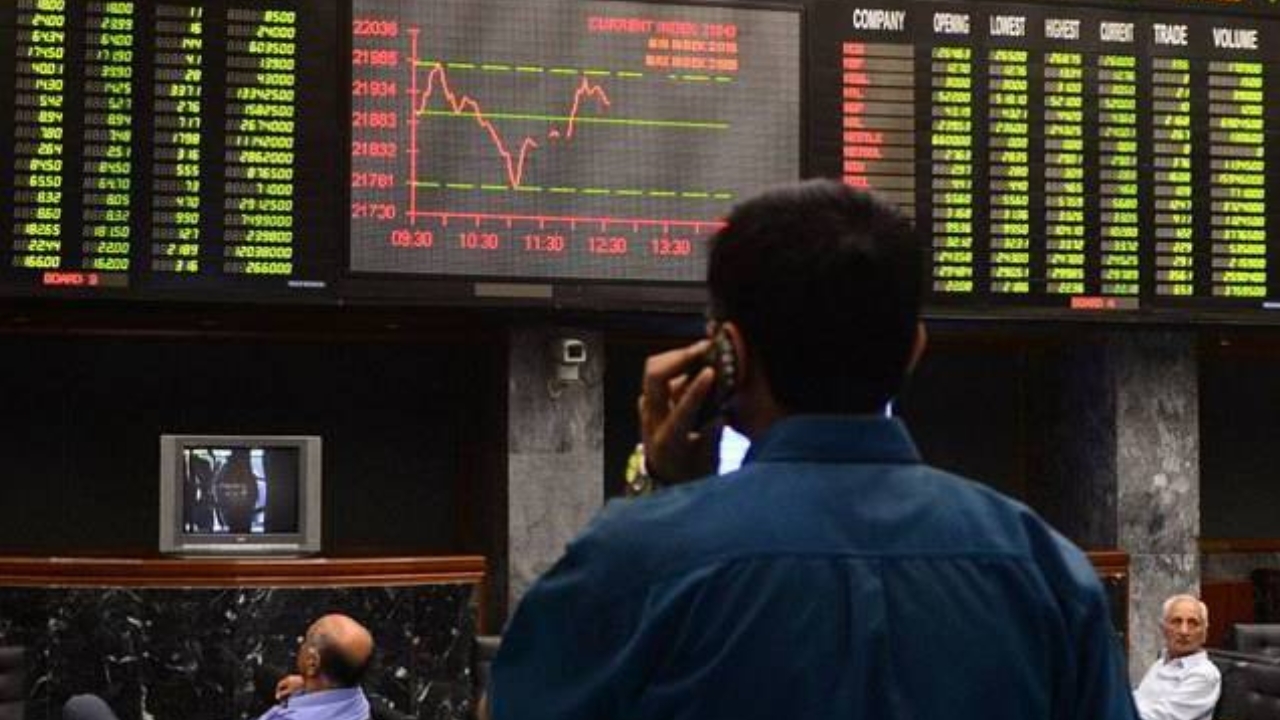
    The Pakistan Stock Exchange (PSX) closed in the green on Friday after remaining locked in a decline since it peaked on August 20 at 150,591 points. According to reports, the exchange owes its recovery to strong institutional buying that firms engaged in prior to the release of August’s inflation data and amid easing futures rollover pressure. 


    Reports suggest that concerns pertaining to flooding have waned in Punjab, allowing the exchange to rebound. Moreover, market sentiment surged because of the federal government’s attempts to tackle the circular debt issue, rising foreign exchange reserves and a jump in the value of the rupee. 


    The benchmark index, the KSE-100, crossed the 148,500 point resistance level after gaining over 1,200 points since trading hours began. Institutional buying in the face of improving market sentiments caused the index to open in the green in the early hours of the day, later reaching an intraday high of 149,234.94 points. 


    The index peaked at approximately 2:39 PM, after which the market witnessed a minor sell off, causing the index to fall to about 148,617.77 points at the close of trading hours. 


    For reference, the KSE-100 closed at 147,343.50 points on Thursday, after which the index recorded a growth of 0.86 percent during trading hours on Friday, leading to a 1,274.27 point rise. The market displayed a slowdown around 9:39 AM as the KSE-100 hit its intraday trading low of 147,488.46 points. 


    All 18 indexes listed on the exchange remained in the green, with the All-share index (ALLSHR) growing by 0.74 percent, recording a climb of 669.39 points during trading hours. Unlike the KSE-100, which tracks the performance of the 100 largest and most liquid companies, the ALLSHR index records the performance of all publicly listed companies on the PSX.


    A number of companies witnessed a rise in share prices, with First National Equities Limited (FNEL) and TPL Corp Limited (TPL) winning big, to the tune of growth rates that sat at 19.84 percent (FNEL) and 11.57 percent (TPL). 


    However, not every publicly listed stock witnessed an improvement, as many companies witnessed sharp declines. Of these declining companies, Dewan Mushtaq Textile Mills Limited (DMTM) posted a 10.01 percent decline in its position.
  • Fuel prices projected to drop by up to Rs3.13 per litre

    Fuel prices projected to drop by up to Rs3.13 per litre

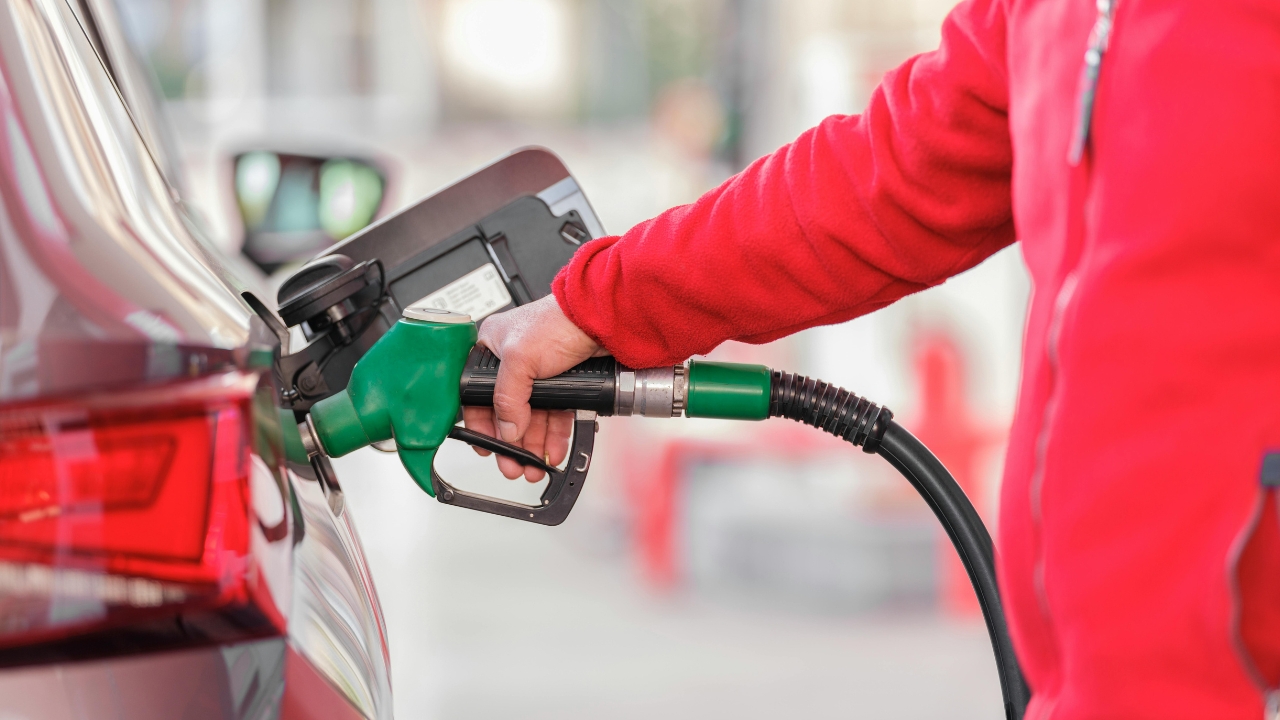
    The prices of petroleum products are expected to decline significantly in the upcoming fortnight with shifts in international oil prices, refining margins, and import premiums. According to reports, high-speed diesel (HSD) rates are projected to decline by a respectable Rs3.13 per litre.

    The projected drop in HSD rates is expected to bring the price down to Rs269.86 per litre, from the current Rs272.99. As per reports, petrol prices are expected to fall from Rs264.61 to Rs264.00 per litre, a projected decrease of Rs0.61 per litre.

    These changes are expected to take effect in the first half of September 2025, after which prices will remain locked for two weeks. Reports also suggest that light diesel oil (LDO) may see a drop of Rs2.61 per litre, bringing its price down to Rs159.55 per litre.

    Following the same trend, reports anticipate a decrease of Rs1.78 per litre in Kerosene prices, causing its expected price to sit at Rs176.70 per litre for the upcoming fortnight. While ex-refinery price adjustments follow the same trend, these adjustments are more conservative.

    According to ex-refinery price adjustments, prices will decline by a factor of Rs2.87 per litre for HSD, Rs0.43 per litre for petrol, Rs2.61 per litre for LDO, and Rs1.57 per litre for Kerosene.  

    As per the details, these price estimates do not consider changes in the value of the rupee. Fuel prices can starkly differ from estimations depending on the rupee-dollar exchange rate. 

    Reports suggest that HSD is the most used fuel in Pakistan, and a drop in its prices is likely to have the most noticeable impact on the economy as it lowers the operating costs for both the transport and agriculture sectors. The projected decrease may benefit the economy by helping lower food prices. HSD is widely used in agriculture to power tractors and other mechanised farming equipment.

    A decrease in HSD rates could also benefit the transport sector, given its reliance on fuel. For instance, the transportation sector has diesel as a primary input and thus requires vast quantities of the commodity. Lower HSD prices imply lower operational costs for businesses in the transportation sector.

  • Govt finalises UAE takeover of Islamabad airport management

    Govt finalises UAE takeover of Islamabad airport management

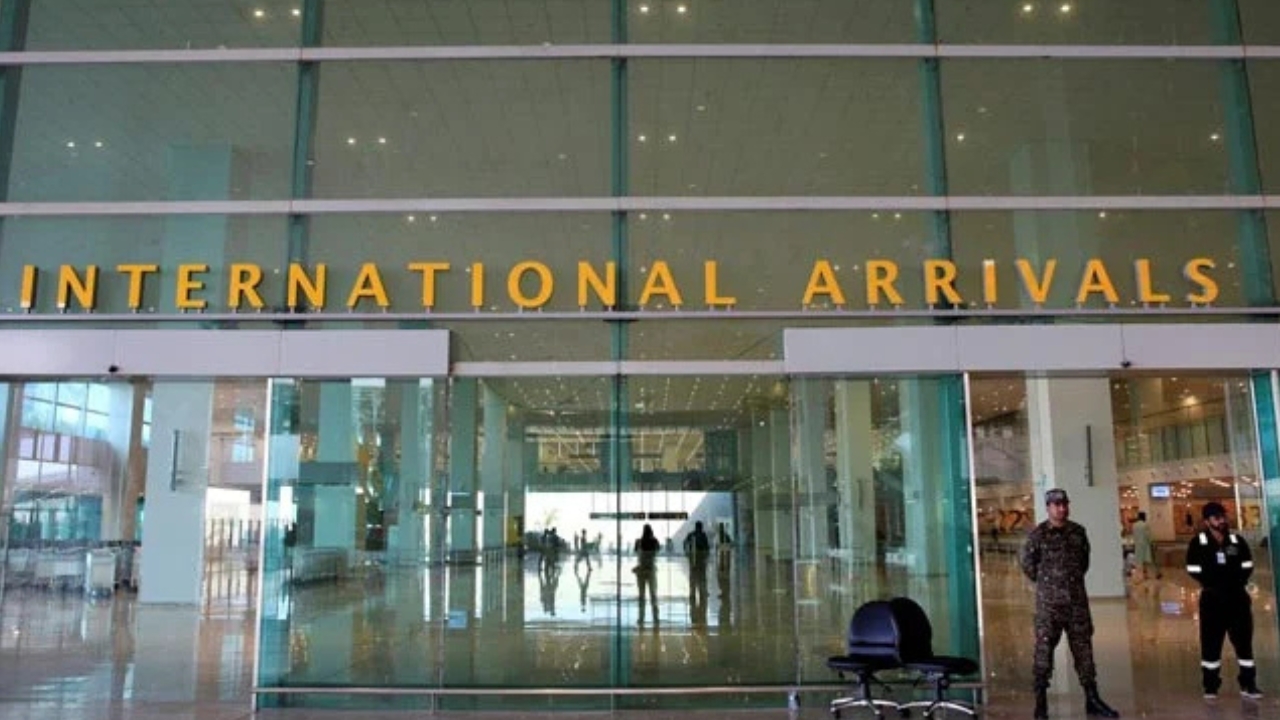
    The federal government’s Cabinet Committee on Inter-Governmental Commercial Transactions (CCoIGCT) on Thursday reportedly approved a proposal to transfer the management of Islamabad International Airport to the United Arab Emirates (UAE) under a government-to-government (G2G) arrangement.

    Reports reveal that Deputy Prime Minister and Foreign Minister Ishaq Dar chaired the CCoIGCT meeting, wherein the decision to transfer management to the UAE was reached. Petroleum Minister Ali Pervaiz Malik, Special Assistant to the Prime Minister Tariq Bajwa, and key officials from relevant government departments also attended the meeting.

    During the meeting, the committee approved the process for a negotiation team to work towards finalising the deal with the UAE. Reports suggest that the Prime Minister’s adviser on privatisation will lead the aforementioned negotiation team and will iron out the details of the deal in consultation with the privatisation, finance, defence, and law ministries. 

    As per the details, the decision to relinquish managerial control over the airport is part of the federal government’s attempt to minimise losses incurred by the state’s entities, boost these institutions’ efficiency, and attract foreign stakeholders to invest in and modernise state assets. Reports suggest that similar arrangements are also under consideration by the federal government, which could witness the outsourcing of other major airports in Pakistan.

    According to reports, Islamabad International Airport had been riddled with operational inefficiencies since its inauguration in April 2018. Moreover, the airport had also been beset by financial constraints since its inception, rationalising the authorities’ decision to hand over managerial control to the UAE.

    Lawmakers and authorities alike believe that the G2G deal with the UAE, regarding Islamabad International Airport, could restore foreign investors’ confidence within Pakistan’s aviation sector, potentially drawing in investments.  This is because authorities expect the new managerial team to bring global expertise to the table and ensure that passengers receive better services.  

    It merits a mention that the federal government did not attempt to outsource the operations of Islamabad International Airport under an open bidding process as was initially planned. The government chose to pursue a G2G model instead, possibly in anticipation of bids falling far below an acceptable amount. 

    The federal government has been dismayed similarly before, when Pakistan International Airlines’ (PIA) televised auction attempt drew in only one, abysmally low, bid of Rs10 billion against the minimum set price of Rs85 billion from a real estate developer.

  • SBP makes record Rs2.7 trillion payout to govt

    SBP makes record Rs2.7 trillion payout to govt

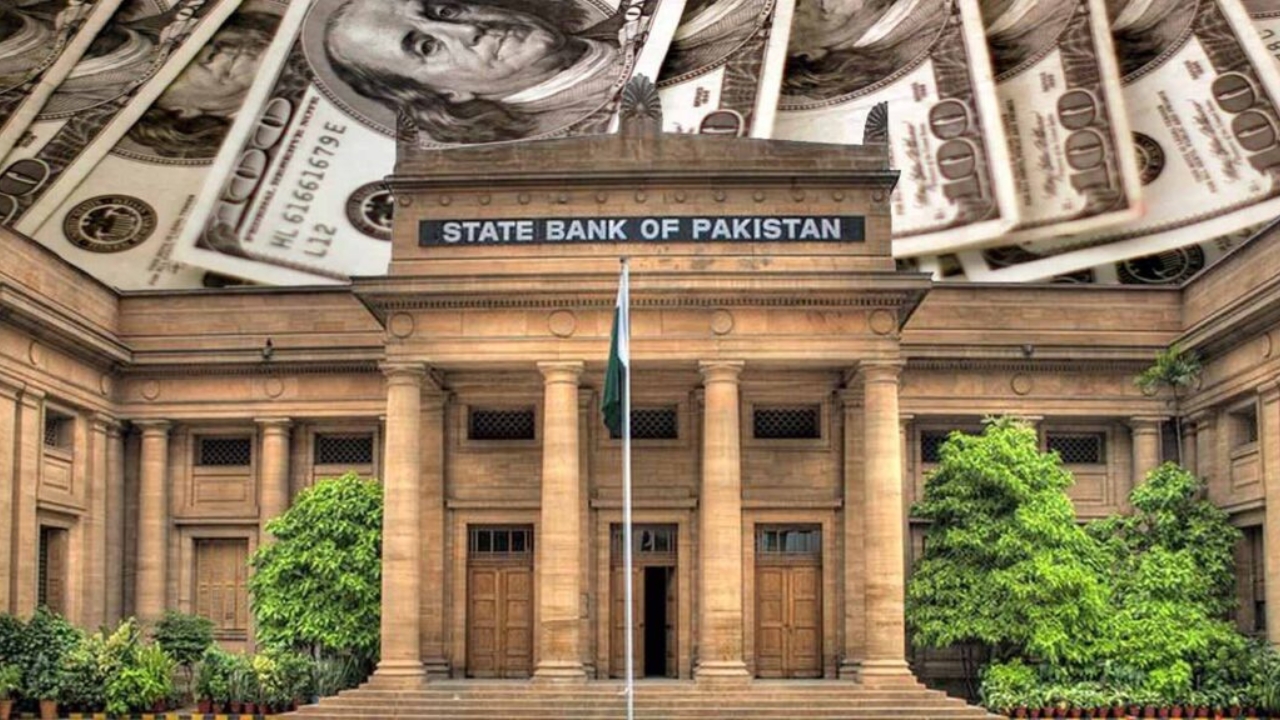
    The State Bank of Pakistan (SBP) has reportedly transferred a staggering Rs2.7 trillion to the government as a dividend payout for the fiscal year (FY) 2024-25. According to reports, this marks the largest-ever dividend payout by the SBP and comes amidst a 27 percent decline in the bank’s profit level.

    Data released by the SBP reveals that profits fell to just Rs2.5 trillion for FY 2024-25, which indicates that the bank paid out more money than it earned to the federal government. As per the details, the SBP paid out Rs200 billion in addition to its total profit for FY 2024-25 to Islamabad.

    The reason behind the decline in SBP’s profit is tied to the fall in the benchmark interest rate. Reports suggest that the SBP’s revenues have dropped significantly and could possibly fall further if the bank slashes interest rates again in upcoming monetary policy discussions.

    According to reports, the SBP’s transfer to the federal government is 180 percent higher than in FY 2023-24. It merits a mention that the SBP’s financial performance remained exceptional during FY 2024-25, as the central bank successfully built up its reserves through its interventions in the currency market.

    Data from reports indicates that the SBP’s holdings of foreign exchange jumped to a respectable $14.274 billion after it logged an increase of $18 million to its reserves last week. This allowed Pakistan’s liquid foreign reserves to balloon to $19.618 billion, after accounting for commercial bank reserves, which reportedly stand at $5.343 billion.

    A leading domestic securities company outlined the improvement in the SBP’s position, highlighting how import cover now rests at 2.7 months after the jump in reserves. While this sits below the 3 months of import cover considered “adequate” by the SBP, the improvement is still a welcome relief for the economy.

    The SBP was able to boost its reserves by heavily carrying out foreign exchange interventions, which reports suggest amount to $7.8 billion during the period June 2024 to May 2025. Details from reports suggest that the SBP has kept the rupee from appreciating because of its heavy dollar purchases to build reserves. 

    Another reason for the jump in reserves is linked to the increase in gold prices, which allowed the value of the SBP’s gold reserves to spike up to $6.8 billion in FY 2024-25. As per the data, SBP’s gold reserves recorded a 41 percent increase in value on a year-on-year basis.

  • Sui Northern Gas MD advises to mobilise special teams to address flood emergency

    Sui Northern Gas MD advises to mobilise special teams to address flood emergency

    (Lahore) On the instructions of the Managing Director Sui Northern Gas, the Company has constituted special emergency response teams to deal promptly with any situation arising from the recent flood conditions across the country.

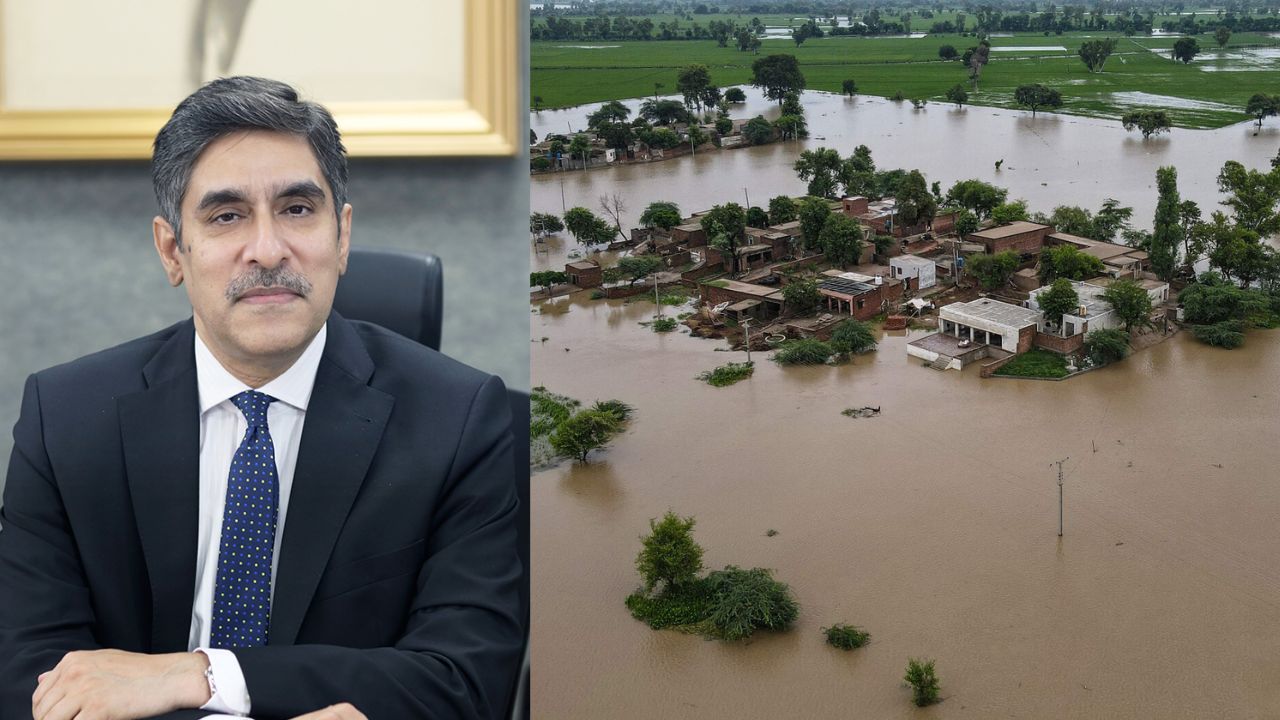
    With the forecast of high-level flooding in the Ravi, Sutlej and Chenab rivers, Sui Northern Gas field staff have has placed on round-the-clock alert in Lahore, Narowal, Sialkot, Gujrat, Hafizabad, Bahawalpur and adjoining areas. Continuous monitoring is being carried out to safeguard the gas infrastructure and ensure smooth gas supply to the consumers.

    As a precautionary measure, gas supply in areas affected by flooding may be temporarily suspended if required to prevent any risk to life or property. This decision would be taken strictly to ensure the safety of the public and to maintain the integrity of the system.

    The public is being appealed to fully cooperate with the teams operating in the field. This cooperation is vital to ensure that all preventive and corrective measures can be implemented swiftly and effectively.


    Released by
    Media Affairs Department
    Sui Northern Gas

  • Rs1.69 per unit electricity tariff cut on the cards

    Rs1.69 per unit electricity tariff cut on the cards

    Electricity users stand to obtain great financial relief from the federal government as the National Electric Power Regulatory Authority (NEPRA) will hear a petition today, seeking to reduce the power tariff by a respectable Rs1.69 per unit under the fuel cost adjustment (FCA) framework. According to reports, the Central Power Purchasing Agency (CPPA) has filed the aforementioned petition for reduced tariffs in September 2025’s bills.


    Power distribution companies (DISCOs) outlined a drop in fuel charges in July 2025, citing it as the primary reason behind their proposal for the relief. It merits a mention that the relief package has not been approved by Nepra yet, and that Nepra reserves the right to reject the petition or pass a different amount for the reduction in tariffs. 


    Reports reveal that a public hearing will commence today, wherein relevant stakeholders will determine if the amount requested by Discos for the refund is in line with the economic merit order.


    Details included within the petition reveal that domestic electricity generation during July stood at 14,123 gigawatt-hours (GWh) at an average cost of Rs7.781 per unit. This translates into the monthly fuel cost coming out to just Rs109.89 billion. 

    Reports suggest, however, that the per-unit cost of electricity once delivered to discos from power generation sources rose to Rs8.1848 per unit. This was due to a 2.95 percent transmission loss, which resulted in discos receiving only 13,666 GWh of power, down from the 14,123 GWh that were initially generated.


    The cost of Rs8.1848 per unit of electricity also includes a charge of Rs0.275 to cover for Rs3.883 billion in revenue shortfalls that Discos experienced in the previous periods. RLNG-based electricity generation proved to be a costly method of power generation, with the per unit cost standing at a staggering Rs22.03 per unit.


    However, reports suggest that residual furnace oil (RFO)- based power generation remained the least economical method of electricity generation, with a per unit cost of Rs31.053. Conversely, nuclear power plants reportedly managed to generate electricity at a fraction of the price, with the per unit cost sitting at a manageable Rs2.42 per unit. 


    According to the data, coal power plants managed to attain an electricity generation cost per unit of Rs 11.347 and Rs 14.498 for domestic and imported coal respectively. The proposal to reduce pass relief to consumers comes after (NEPRA) announced a quarterly tariff relief of Rs1.8881 per unit earlier this month for the period spanning August 2025 to October 2025.

  • ADB to finance ML-1 railway in massive step towards cross-country connectivity

    ADB to finance ML-1 railway in massive step towards cross-country connectivity

    The Asian Development Bank (ADB) has reportedly agreed to finance Pakistan’s Mainline-1 (ML-1) railway upgrade, a multibillion dollar project that has not been completed since its proposal in 2015. According to reports, this section of the rail network stretches from Karachi to Peshawar and its upgrade could significantly boost connectivity within the country. 


    As per reports, the ADB had previously stepped back from the project when Beijing objected to third-party involvement in the project’s execution and financing. According to the Economic Affairs Division, ADB President Masato Kanda met Minister for Economic Affairs Ahad Khan Cheema in Islamabad on Wednesday to discuss the project’s funding requirements, design, and timelines for implementation.


    During the meeting, the Secretary of Pakistan Railways (PR) reportedly highlighted ML-1’s importance for trade, passenger mobility, and regional connectivity. As per the details, the Minister of Economic Affairs expressed confidence that the ADB would extend phased financial support and stressed the need to expedite approvals so construction could begin at the earliest. 


    He also called for reforms in credit guarantee mechanisms to improve Pakistan’s ability to utilize financing options. The President reaffirmed the regional lender’s commitment to the project, describing it as vital for trade and regional integration. 


    According to reports, he also said that the Karachi to Rohri stretch of the railway would be prioritized in the first stage of work. The discussions concluded with the signing of a separate agreement between the ADB and the Capital Development Authority (CDA), under which the CDA will provide land in Islamabad for the development of a new ADB office building.


    It merits a mention that earlier this month, reports revealed that the ADB had entered into advanced talks to arrange $2 billion in financing for the modernisation of a 500km stretch of railway that was previously included in a Chinese-backed plan. The proposed revamp aims to modernise tracks and bridges from Karachi to Rohri near Sukkur.


    As per the details, this project will allow trains on tracks to operate at higher speeds. Reports indicate that the upgraded line will connect to a branch coming from the Reko Diq mining area at Rohri and will transport copper concentrate to port facilities.


    Reports reveal that the ADB has vested interest in the Reko Diq mining project as it committed a staggering $410 million in financing for the project earlier this week.

  • OGDCL’s 65 Years of Trust and Responsibility – The Energy to Commit

    OGDCL’s 65 Years of Trust and Responsibility – The Energy to Commit

    For sixty-five years, Oil and Gas Development Company Limited (OGDCL) has continued to play a key role in Pakistan’s energy sector, fuelling progress and powering growth. Over its 65-year journey, the company has built a legacy of trust, responsibility, and the enduring value of commitment. The company remains committed to strengthening energy security, driving national development, and uplifting communities across the country.


    Commitment is not just a word for OGDCL; it is the driving force behind every milestone achieved. Guided by purpose, grounded in trust, and validated by delivery, OGDCL has built its reputation on reliability and responsibility. Whether it is ensuring uninterrupted supply, investing in new fields, or adapting to changing energy demands, the company has always put its commitments into action. This consistency has strengthened Pakistan’s energy security.


    Over the decades, OGDCL has taken on some of the most challenging projects in remote and demanding terrains. From discovering reserves in underexplored regions to completing complex developments on time, the company has shown that true commitment is tested in difficult circumstances. Each success story has added to the trust stakeholders place in OGDCL and reinforced its role as a dependable partner in Pakistan’s progress.


    But OGDCL’s commitment goes beyond exploration and production. It extends to building stronger communities and supporting national development. Through responsible practices, corporate social responsibility initiatives, and investment in people, the company ensures that its success translates into broader societal impact. Healthcare, education, clean water, and livelihood projects supported by OGDCL reflect the company’s dedication to uplifting lives alongside delivering energy.


    Embracing technological advancement, the company continues to invest in innovation and human capital to meet Pakistan’s future energy needs. With a focus on sustainability and efficiency, OGDCL is aligning its operations with global energy transitions while staying true to its responsibility of providing affordable and reliable energy for the nation.


    For 65 years, OGDCL has honoured its commitments. This commitment, built on purpose and trust, has powered Pakistan for decades and will continue to do so in the years ahead. Every breakthrough, every achievement, and every fulfilled responsibility is a testament to OGDCL’s pledge — The Energy to Commit.

  • MoltyFoam’s MoltyOrtho Campaign Celebrates the Circle of Care

    MoltyFoam’s MoltyOrtho Campaign Celebrates the Circle of Care

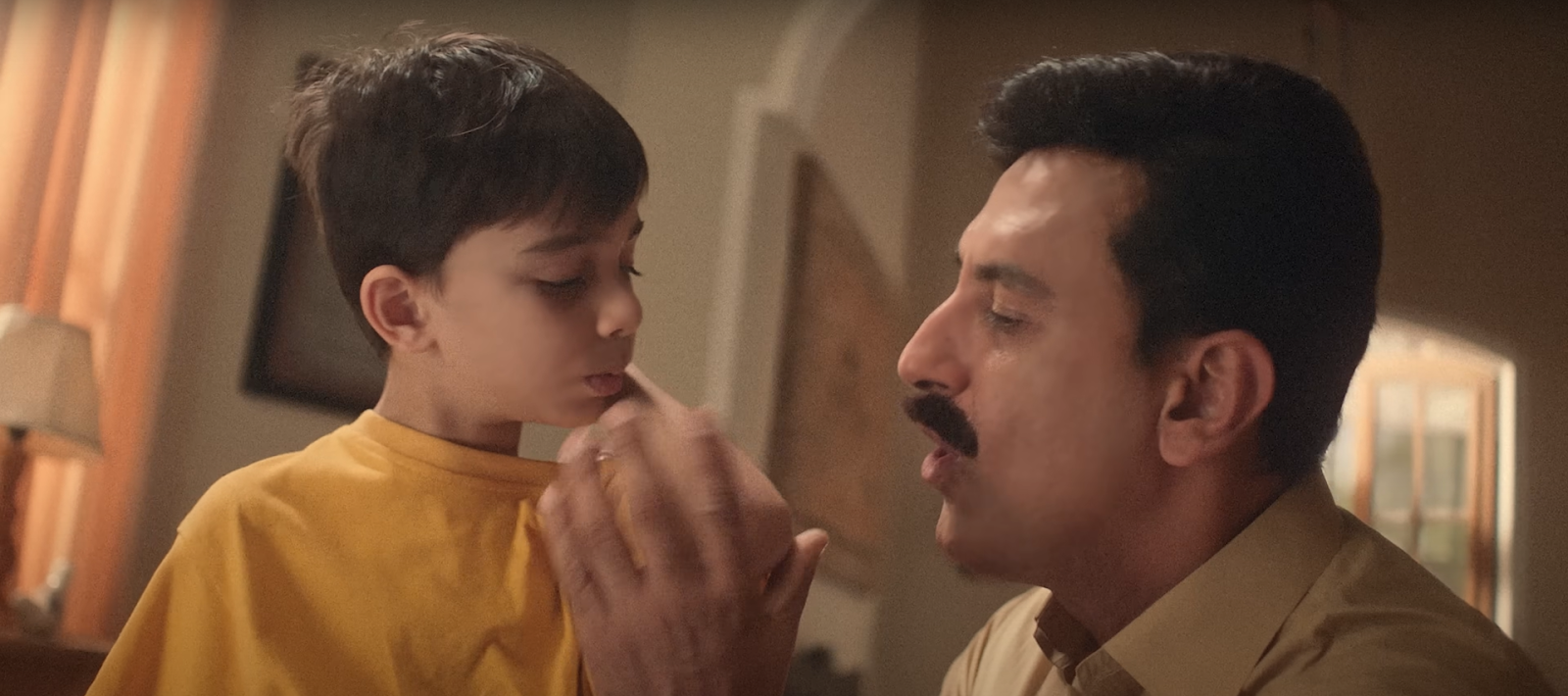
    MoltyFoam, the leading mattress brand in Pakistan, has launched a moving new campaign that speaks to one of life’s most universal truths: as children grow older, the roles between parents and children begin to reverse. The ad, centered around the brand’s orthopedic line MoltyOrtho, highlights this transition with tender storytelling, reminding audiences that the love once given to us deserves to be returned with equal care.

    The campaign’s narrative captures familiar childhood milestones, fathers teaching their children how to ride a bike, cheering them on as they take their first steps, and quietly smiling through every success. These memories serve as a backdrop to the present, where aging parents now walk more slowly, carry themselves with more effort, and lean on their children for support.

    At its core, the message is clear: they once stood tall for us when the world felt too big; now it is our turn to be their strength.

    A Mattress with a Mission

    While the campaign is steeped in emotion, it is also grounded in purpose. MoltyOrtho is designed with orthopedic precision, offering advanced spinal alignment, joint support, and lasting comfort, features that become increasingly important as bodies age. 

    Developed with input from medical experts, the mattress reflects MoltyFoam’s commitment to innovation in sleep solutions that genuinely improve lives.

    Beyond Marketing

    By tying product relevance with deeply human experiences, MoltyFoam positions itself as more than just a mattress brand; it is the best mattress brand in Pakistan. The company continues to build on its legacy of campaigns rooted in family values, empathy, and social awareness. In this latest effort, the message resonates across generations: care is not bound by age, it evolves, it deepens, and it comes full circle.

    MoltyFoam’s campaign has already sparked conversation online, drawing appreciation for its heartfelt storytelling and its ability to remind audiences of the bonds that truly matter.

    Comfort That Grows With You

    With MoltyOrtho, MoltyFoam delivers more than physical rest. It delivers reassurance, the assurance that parents who once carried their children forward will now be carried in return, with the same love, comfort, and dignity.

    You can watch the campaign here


  • Govt levies whopping 40 percent tariff on used cars

    Govt levies whopping 40 percent tariff on used cars

    The federal government has announced a ban on the import of damaged vehicles, along with the implementation of a 40 percent levy on used car imports once commercial entry is allowed next month. According to reports, this move has been introduced to protect local automobile assemblers.

    During a joint sitting of the Senate’s finance and industry committees, Joint Secretary for Trade Policy Mohammad Ashfaq reportedly clarified that only non-accidental and good-quality vehicles would be permitted to be imported. Reports reveal that the Joint Secretary claimed that the decision followed commitments made to the International Monetary Fund (IMF), which requires Pakistan to gradually reduce the protection it offers to domestic automobile manufacturers and assemblers. 

    Under the IMF’s framework, the additional 40 percent duty is to be phased out over a period of four years, while older vehicles up to eight years old will eventually become importable. Moreover, data from reports suggests that under the IMF program, Pakistan will have to gradually reduce import tariffs from 20.2 percent to 9.7 percent over five years. In the first year, the overall rate will drop to 15.7 percent, with cuts to customs, additional, and regulatory duties aimed at slowly lowering protection for local carmakers.

    According to reports, Pakistan currently does not allow commercial imports of cars, and vehicles can only enter through transfer of residence, baggage, or gift schemes. Despite this restriction, these vehicles attract 25 percent of all vehicle purchases as consumers often prefer used imports over local models because of better features, even if the vehicles have been involved in crashes.

    As per the details, the IMF has mandated that Islamabad formally open imports of used cars up to five years old from September and remove all age restrictions on cars by the start of fiscal year (FY) 2026-27.

    Reports claim that the phasing out of import taxes in the upcoming periods will not reduce the prices of locally manufactured cars, citing domestic manufacturers’ statements concerning the high taxes levied upon the domestic automobile sector. As per reports, taxes amount to 30 to 61 percent of the price of domestically produced vehicles. 

    Toyota Indus Motors CEO Ali Asghar Jamali reportedly told lawmakers that the tax component on small cars is around 30 percent, 44 percent for Altis, 60 percent for pickups, and 61 percent for the Fortuner SUV. He added that consumers blame assemblers for high costs when the bulk is actually collected by the state.

    Committee members criticised local assemblers for charging premium rates while offering cars with fewer safety features than imported cars. The representatives of two leading automobile manufacturers admitted that most locally made cars come with just two airbags compared to six in imported models but insisted that overall quality was comparable.