Category: Business

  • Govt regulator signals possible end to SBP’s ban on crypto currencies

    Govt regulator signals possible end to SBP’s ban on crypto currencies

    In a bid to cement its position as a digital asset hub, the federal government’s latest addition to the crypto framework, the Pakistan Virtual Assets Regulatory Authority (PVARA), convened its inaugural board meeting on Tuesday. According to reports, the meeting was attended by senior officials, including the Governor of the State Bank of Pakistan (SBP), the chairmen of the Securities and Exchange Commission of Pakistan (SECP) and Federal Board of Revenue (FBR).


    At PVARA’s first session, officials reportedly approved the launch of a complaint portal in partnership with the National Cyber Crime Investigation Agency (NCCIA) to allow users to report issues related to virtual assets and receive timely redress. Reports reveal that members also discussed the possible withdrawal of the State Bank of Pakistan’s 2018 directive that had barred financial institutions from engaging in cryptocurrency transactions.


    If withdrawn, cryptocurrencies and digital assets would leave the state’s gray area, officially operating in full compliance with Pakistan’s legal framework. This could also result in a drop in instances of crypto scams operating with the country, namely the Peer-to-peer (P2P) scam wherein P2P traders defraud customers by reversing bank transactions knowing the latter cant turn to the authorties for help given crypto’s legal status.


    PVARA Chairman Bilal bin Saqib said that the Authority would introduce innovation along with implementing safeguards for the financial system. “Our goal is to build trust domestically and enhance Pakistan’s credibility as a forward-thinking player in the global virtual assets economy.” he remarked.


    Reports indicate that Finance Minister Muhammad Aurangzeb, who attended the meeting as a special invitee, called the regulatory authority’s creation a milestone for Pakistan’s economy. Moreover, he credited the Pakistan Crypto Council (PCC) for its early role in consultations with regulators, stakeholders, and industry experts that laid the groundwork for PVARA.


    Officials present at the meeting also outlined initial priorities, which reportedly include aligning PVARA’s operations with global Anti-Money Laundering and Counter-Terror Financing (AML/CFT) standards, finalizing the regulatory framework, and recommending independent directors with expertise in virtual assets. 


    Reports reveal that in order to speed up progress, dedicated committees will engage with international entities, draft up regulations, work on sandbox testing, and finalise taxation policies. 


    A draft licensing framework was also reportedly circulated among members for review, which is projected to be finalized soon. For its first six months, the authority is slated to meet twice a month to ensure close oversight and consistent consultation with stakeholders.

  • OGDCL: 65 years of precision, purpose, and progress – the energy to deliver

    OGDCL: 65 years of precision, purpose, and progress – the energy to deliver

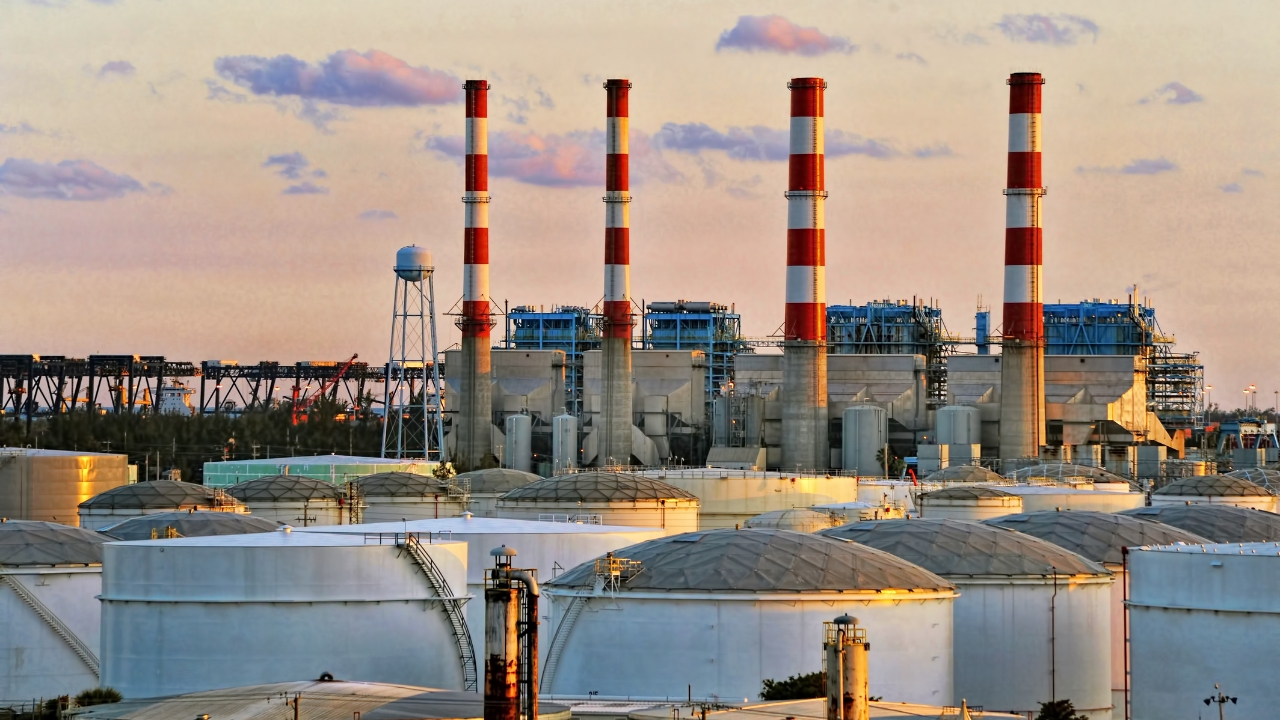
    For six and a half decades, Oil and Gas Development Company Limited has consistently achieved new milestones and upheld its commitment to delivering energy. Over the years, OGDCL has translated technical ambition into energy that powers Pakistan.


    Building on this legacy, OGDCL has focused its journey on sustainable growth and innovation. The company continues to enhance production from existing wells through advanced technologies such as Electrical Submersible Pumps (ESPs), while also pursuing new discoveries and projects to expand reserves. It has launched a production optimisation drive to boost Pakistan’s oil and gas output and strengthen energy security.


    Alongside exploration and development, OGDCL invests heavily in its people, equipping its workforce with technical expertise, leadership skills, and teamwork capabilities through targeted training programmes.


    The company has built a nationwide footprint of operated fields, processing plants and pipelines, supported by seismic acquisition, data processing and well services that shorten the cycle from prospect to production. In recent years, the company has leaned on targeted interventions—workovers, artificial lift and compression—to sustain output from mature assets while integrating new wells into the system.


    In addition to field operations, OGDCL, in collaboration with the Ministry of Energy and under the aegis of the Special Investment Facilitation Council (SIFC), organised the Pakistan Minerals Investment Forum 2025 (PMIF25) in April 2025. The forum showcased Pakistan’s vast mineral potential and provided global investors with a platform to explore opportunities in the country’s mineral sector. OGDCL is also a key partner in the Reko Diq copper-gold project alongside Barrick Gold, the Government of Balochistan and other state-owned enterprises.


    Beyond Pakistan, OGDCL has stepped into Abu Dhabi’s Offshore Block-5 through Pakistan International Oil Limited (PIOL), a consortium with PPL, Mari and GHPL. This award marks the first entry of Pakistani E&P companies into the UAE’s prolific petroleum province, expanding OGDCL’s technical exposure and future resource pipeline.


    Throughout its 65-year journey, OGDCL has embodied precision, purpose, and strength, turning vision into reality through consistent breakthroughs in Pakistan’s energy sector. The company has built a record of progress that strengthens national energy security and supports economic growth. Guided by its commitment to sustainable development and innovation, OGDCL continues to transform challenges into opportunities. This journey of six and a half decades reflects more than milestones—it reflects the energy to deliver.

  • Hiring numbers drop as AI reduces job opportunities in Pakistan: survey

    Hiring numbers drop as AI reduces job opportunities in Pakistan: survey

    A recent survey by the Pakistan Software Houses Association (P@SHA) has shown that companies are changing the way they recruit. According to reports, the survey included 256 companies and aimed to identify gaps in skills and help guide training programs.

    The survey identified that instead of hiring large teams for specific tasks, companies now want people who can handle multiple roles and use technology, especially AI, to work faster and smarter. As per reports, Pakistan’s IT sector is growing, but the number of new hires is slowing. 

    Data from the PASHA Skill Survey has revealed that in the past year, IT firms hired 32,685 technical staff and 1,969 non-technical employees. The drop in the number of new hires is because many routine tasks that once required several people can now be completed with the help of AI tools. 

    As such, companies are reportedly leaning toward smaller teams with versatile skills, as these teams can now handle a larger workload because of the AI tools at their disposal. As per reports, professionals who can combine coding, design, and AI-driven problem solving are in high demand and in order to stay relevant and hirable in the software sector, adaptability has emerged as a key factor.

    The survey has highlighted that mid-level and senior-level professionals in .NET and Python remain top choices, while individuals well-versed in Fullstack JavaScript remain top candidates too. 

    As per the details, mobile developers with knowledge of hybrid frameworks like React Native and Flutter are especially valued at entry levels. Amazon Web Services (AWS) certifications are widely requested for fresh graduates as well, while Microsoft Azure and DevOps skills are needed at all levels.

    The survey has indicated that software testing roles are stable across experience levels, with tools like ISTQB, Selenium, and Cypress leading the way. For early-career professionals, game development and UI/UX design are growing fields. 

    Blockchain development is still small but emerging, especially on Ethereum. Relational databases such as Oracle, MySQL, and MS SQL remain essential, showing that traditional IT foundations still matter alongside new technologies.

    P@SHA Senior Vice Chairman Muhammad Umair Nizam has outlined that people are the IT industry’s most valuable asset. He stressed that investing in skills is crucial if Pakistan wants to grow technology exports. Nizam added that while AI changes the hiring landscape, it is also an opportunity to train young professionals in emerging technologies, helping them build better careers and contribute to the country’s economy.

  • Govt clears Rs100 billion in dues to Chinese power producers

    Govt clears Rs100 billion in dues to Chinese power producers

    The federal government has decided to clear a staggering Rs100 billion in outstanding payments to Chinese Independent Power Producers (IPPs) ahead of Prime Minister Shehbaz Sharif’s visit to China. According to reports, this payment is expected to slash the federal government’s dues to Chinese electricity producers by 25 percent, creating fiscal breathing space for Islamabad.

    Reports reveal that the Ministry of Finance (MoF) has issued directives for the repayment amount to be released from funds that were initially allocated to sustain the power sector subsidy for the fiscal year (FY) 2025-26. It merits a mention that Chinese IPPs have not received this amount as of publishing, as reports suggest that they will obtain this amount in a few days. 

    As per reports, the federal government has also earmarked Rs8 billion for Chinese IPPs from funds that were initially allocated for routine budgetary provisions. With the aforementioned repayments, Islamabad’s total outstanding amount to Chinese IPPs will sit close to Rs300 billion, down from the initial amount of Rs423 billion.

    For reference, the Rs423 billion figure was the value owed by the government to plants owned by the Chinese under the China-Pakistan Economic Corridor (CPEC) framework. Reports claim that Pakistan’s inability to clear the dues had been straining relations with Beijing, causing the Prime Minister to push for a partial repayment.

    Under the 2015 CPEC Energy Framework Agreement, Pakistan was obligated to settle all liabilities in the power sector in full, irrespective of recoveries from users of the national grid.

    Earlier this month, the Chief Executive Officer (CEO) of Port Qasim Electric Power Company (PQEPC) Wang Dongfang warned the federal government, indicating that the company was legally allowed to suspend plant operations if payments were not cleared. Additionally, he outlined how the company would not be liable for liquidated damages either as per Section 9.10 of the Power Purchase Agreement (PPA).

    The CEO underlined how this would “result in a lose-lose outcome for both sides”. Pakistan’s energy sector is already under stress and the closure of the plant would have only served to exacerbate the strain on the sector.

    In the face of the aforementioned developments, the Finance Ministry is reportedly negotiating a loan amount of Rs1.3 trillion from domestic commercial banks to clear circular debt owed to Chinese, private, nuclear and state-owned power plants. As per the details, discussions to secure the loan are still ongoing.

  • The energy to grow: OGDCL’s 65-year legacy of nation-building

    The energy to grow: OGDCL’s 65-year legacy of nation-building

    Energy has always been central to Pakistan’s progress, powering its industries, development, and aspirations. From the early years of nation-building to the present challenges of growing demand and reliance on imports, the country’s progress has been tied closely to its ability to harness domestic resources.

    Amid growing demands, the country seeks new avenues for economic diversification and unlock domestic potential. Meeting rising demand without exacerbating import dependency requires institutions that can deliver both stability and innovation.


    In the country’s journey toward growth, some institutions have played a crucial role in shaping the national landscape. The Oil and Gas Development Company Limited (OGDCL), established in 1961, has played a defining role, transforming challenges into opportunities. Over the past 65 years, the company has grown into the country’s largest exploration and production (E&P) company, making critical discoveries, investing in new technologies, and contributing not only to energy security but also to wider community welfare.

    The company’s early years were defined by foundational discoveries that laid the groundwork for Pakistan’s domestic energy infrastructure. In 1997, the company transformed into a public limited company. It is listed on the Pakistan Stock Exchange and the London Stock Exchange.

    Today, it operates 50 oil and gas fields across Pakistan and holds more than 40% of the country’s awarded exploration acreage. The company’s daily crude oil production stands at 50,000 barrels. The company’s recent strategic interventions like electrical submersible pumps and rig-less enhancements at fields have added thousands of barrels to daily production.


    The company’s seismic capabilities, acquisition crews and a supercomputing data processing center, enable it to navigate complex terrains and identify promising reserves. The company’s scale and technical reach have positioned it as a market capitalisation leader, with repeated inclusion in the Forbes Global 2000 list.

    In addition to project-level involvement, OGDCL organised the Pakistan Minerals Investment Forum 2025 (PMIF25), in collaboration with the Ministry of Energy and under the aegis of the Special Investment Facilitation Council. The forum showcased the nation’s vast mineral potential and also provided global investors with a platform to explore investment opportunities in the country’s mineral landscape.

    For 65 years, OGDCL’s pursuit of growth has expanded its reach, strengthened its capabilities, and set new milestones. Today, that spirit of growth is transforming the company into a future-ready energy leader — one that not only fuels Pakistan but also drives innovation, sustainability, and progress for generations to come. The energy to Grow.

  • NAB claims gold mining operations costing KP trillions in revenue

    NAB claims gold mining operations costing KP trillions in revenue

    The National Accountability Bureau (NAB) has reportedly uncovered large financial irregularities in the auction and operation of placer gold mining along the Kabul and Indus rivers in Khyber Pakhtunkhwa (KP). According to reports, these mining operations may have caused losses worth trillions of rupees to the provincial government.

    For reference, placer mining is a process of extracting gold from riverbed deposits formed through natural accumulation. NAB has reportedly raised concerns over the bidding process, particularly the minimum reserve price set for gold blocks during auctions.

    NAB revealed that the minimum reserve prices at auctions were intentionally miscalculated to favour certain entities partaking in the bidding process. According to reports, NAB has indicated that leaseholders are subletting mining rights to excavator owners, charging as low as Rs500,000 per excavator for an entire week’s access to the mining site.

    As per the details, a whopping 1,500 excavators were operating in KP, generating weekly earnings of up to Rs1.05 billion. However, reports maintain that the provincial government received only a minor portion of this amount as proceeds to the provincial exchequer. 

    KP Chief Minister (CM) Ali Amin Gandapur has hailed the auction of mines as a successful endeavour, outlining the benefits of mining operations. According to KP’s CM, the recent auctions witnessed access to mines being priced at higher amounts to generate larger revenue inflows.

    Moreover, he reportedly revealed that the minimum price of gold blocks at auctions jumped from just Rs650 million to a respectable Rs1.1 billion, which translates into a 69.23 percent increase. The CM further underlined that the lease of four gold blocks at a ten-year term fetched a staggering Rs4.6 billion for the provincial exchequer. 

    As per KP’s CM, illegal mining has been rampant in the province for over 20 years, and successive governments have failed to host an auction for the sale of mining rights to firms. However, he outlined how his administration took measures to crack down on province-wide illegal mining operations.

    According to reports, he also highlighted that the venture was advertised multiple times and that details of the auction were also provided to the NAB. Defending the provincial government’s moves, the CM revealed that an officer from the NAB was present at the auction’s proceedings.

    Details from reports, however, highlight leaseholders generating trillions of rupees in revenue via illegal means, leaving the government with marginal revenue inflows.

  • OGDCL’s journey of powering Pakistan’s future with resilience

    OGDCL’s journey of powering Pakistan’s future with resilience

    Established in 1961, Oil and Gas Development Company Limited (OGDCL) has remained at the forefront of Pakistan’s energy sector.

    Over the decades, the company has transformed into a publicly listed giant on the Karachi and London stock exchanges and today stands as the country’s largest company by market capitalisation, with repeated inclusion in the Forbes Global 2000.


    Initially, the company was listed as OGDC, tasked with undertaking a systematic exploratory program and promoting Pakistan’s oil and gas prospects. It was restructured as a Public Limited Company in 1997, becoming OGDCL.


    Strategically entrenched across Sindh, Punjab, Khyber Pakhtunkhwa, and Balochistan, OGDCL holds more than 40 percent of the country’s awarded hydrocarbon acreage and operates 50 oil and gas fields with 18 processing facilities. Its daily crude production has surged toward 50,000 barrels per day—a milestone reflecting recent technological upgrades such as electrical submersible pumps and enhanced production interventions.


    Under forward-looking leadership, the company is aggressively steering growth—both horizontal and vertical. On the domestic front, it projects gas output to rise from roughly 800 million cubic feet to 1 billion cubic feet per day in the next three years.


    On the international front, OGDCL is advancing in the Offshore Block-5 in Abu Dhabi as part of the Pakistan International Oil Limited (PIOL) consortium. This landmark venture represents the first opportunity for Pakistani E&P firms to explore oil and gas resources alongside ADNOC, with production expected to commence by 2027.


    The energy to Operate was the force that has powered OGDCL’s journey for decades. For 65 years, OGDCL has operated with resilience and responsibility, building a legacy that has powered the nation and strengthened communities. Today, as it stands at the cusp of transformation, the company is poised to begin a new journey — one that will carry forward its tradition of operational excellence while embracing innovation and sustainability.


    As OGDCL enters this defining phase, more than just statistics fuel the story—it is one of resilience, diversification, and adaptation. From its beginnings to a commanding role in Pakistan’s energy and emerging mining sectors, the company is embracing a broader role, one defined by continuity, innovation, and national significance.

  • World Bank greenlights $47.9 million package to improve primary education in Punjab

    World Bank greenlights $47.9 million package to improve primary education in Punjab

    In a bid to boost enrollment levels at pre-primary and primary levels in Punjab, the World Bank (WB) has approved a grant totalling $47.9 million, translating into approximately Rs135 billion. According to reports, the program will be funded by the Global Partnership for Education Fund.

    As per the details, funding could increase the level of remedial learning support available to elementary students and could improve learning outcomes for primary school students. The funds will be directed to the “Getting Results: Access and Delivery of Quality Education Services and System Transformation in Punjab Project”, which intends to boost teacher support, improve childhood education outcomes, and bring out-of-school children back into the education system. 

    Reports reveal that the project will accommodate the most vulnerable and financially weak segments of the population. The project’s aims align with those of the World Bank, namely the promotion of shared prosperity and the eradication of poverty.

    The WB has set these goals for Pakistan under the Country Partnership Framework (CPF). According to the World Bank’s Country Director for Pakistan, Punjab’s project will serve to reduce the gap in access to quality education. He believes that the project could improve human capital development outcomes and economic growth prospects “by strengthening foundational learning, enhancing system capacity, and promoting behavioral change”.

    Once in effect, the project will help four million children and three million children attending School Education Department (SED) schools. Data from reports indicates that an additional 850,000 students in the non-formal sector, along with 140,000 differently abled students enrolled in Special Education Department (SpED) schools, will benefit from the program. 

    As per reports, all students in SpED, SED, and non-formal schools will benefit from system reforms. Moreover, more than 100,000 members of schools’ staff, community members and parents are expected to undergo professional development, making them beneficiaries of the program as well. 

    Reports suggest that the WB’s Task Team Leader for the project outlined that the project was in line with the Government of Punjab’s objective of creating “a more effective, accountable, and inclusive education system”. The task team leader believed that the project would further the provincial government’s goal of improving capacity, governance and management in education.

  • ADB eyes backing railway upgrade linking Reko Diq to Karachi

    ADB eyes backing railway upgrade linking Reko Diq to Karachi

    The Asian Development Bank (ADB) has stepped in to fund upgrades to a key section of Pakistan’s railway network after repeated delays in Chinese financing put a strategic mining-linked project at risk.

    According to reports, the ADB has entered advanced talks to arrange $2 billion in financing for the modernisation of a 500km stretch of railway that was previously included in a Chinese-backed plan. The proposed revamp aims to modernise tracks and bridges from Karachi to Rohri near Sukkur.

    As per the details, this project will allow trains on tracks to operate at higher speeds. Reports indicate that the upgraded line will connect to a branch coming from the Reko Diq mining area at Rohri and will transport copper concentrate to port facilities.

    For reference, copper concentrate is a semi-processed form of copper ore, typically containing 20 to 30 percent copper. Reports indicate that the project has become urgent because the line is essential for carrying copper ore away from the Reko Diq mine.

    It merits a mention that earlier this week, the ADB committed a staggering $410 million in financing for the Reko Diq project, under development by Canada’s Barrick Mining Corp. Reports claim that the ADB’s president is expected to arrive in Islamabad next week for further talks.

    Reko Diq project director Tim Cribb disclosed to a leading international news outlet that Barrick and the federal government will jointly pursue financing for the upgrade of the western branch linking the mine to Rohri. Data from reports indicates that production at Reko Diq is scheduled for 2028, with annual output projected to sit at around 200,000 metric tons of copper concentrate.

    As one of the world’s largest undeveloped copper deposits, the mine represents Pakistan’s biggest foreign investment in recent years. A key government official warned that without railway upgrades, the country will face a crisis as it will face difficulties in transporting output from Reko Diq.

    Additionally, while referencing the Karachi-Rohri line, the government official in question also suggested that “the exhausted line will come under even more pressure” without upgrades. 

    As per reports, neither China’s foreign ministry nor Pakistan’s railway ministry provided an immediate comment on these developments. It merits a mention that the ADB has not confirmed the $2 billion financing package yet, which was initially reported upon by a leading international news outlet. However, the ADB acknowledged that discussions with Pakistan on railway sector development remain ongoing.

    The regional lender stressed that “any potential ADB assistance would be subject to comprehensive due diligence and consideration under ADB’s policies and procedures before any commitment is made,”.

  • Illegal pay raises, unlawful allowances at SECP: audit report

    Illegal pay raises, unlawful allowances at SECP: audit report

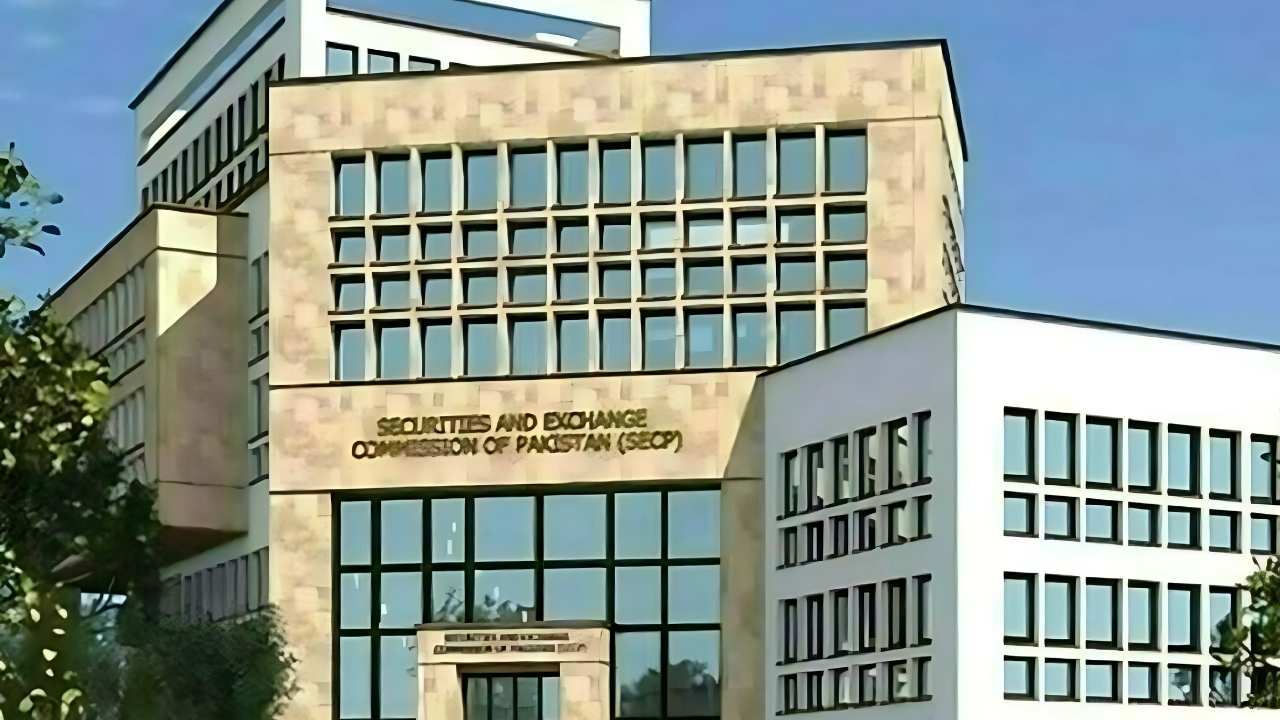
    The Auditor General of Pakistan (AGP) has raised alarm over serious irregularities in the financial dealings of the Securities and Exchange Commission of Pakistan (SECP), citing unauthorised salary hikes, illegal allowances, and billions withheld from the national treasury. According to an audit report, the SECP authorised large increases in the salaries of its chairman and commissioners without securing the required approval from the Ministry of Finance (MoF). 

    Reports reveal that the SECP was required to obtain approval from the finance division for any pay increase to be considered legal. However, the commission’s management approved the move in a Policy Board meeting on October 17, 2024. The raises were also backdated to July 1, 2023, adding an extra financial burden on the national exchequer.

    The audit calculated that the SECP’s Chairman Akif Saeed drew a salary package of a staggering Rs41.53 million during fiscal year (FY) 2023-24, translating into an astronomically high monthly payout of Rs34 lakh per month. Moreover, the report revealed that SECP commissioners received Rs35.8 million during the aforementioned period. 

    Apart from the backdated increase in salaries, reports suggest that the SECP unlawfully disbursed entertainment allowances amounting to a whopping Rs110 million to commissioners and staff. 

    The AGP noted that although the SECP Policy Board authorised these raises, it did not possess the legal authority to approve such changes. Moreover, it merits a mention that the allowance and pay hikes were made without authorisation from the finance division. 

    The audit report has recommended that the MoF either authorise the increases in salary to make them legal or reverse the unlawful changes. According to reports, the audit also found that the SECP failed to transfer approximately Rs14 billion into the Federal Consolidated Fund.

    The SECP’s failure to transfer the funds was in violation of the Public Finance Management Act of 2019, under which revenues generated by federal government entities must be deposited into the Treasury Single Account. Data from reports suggests that the withheld funds came from a range of revenue sources, including Rs4.13 billion from licensing and registration, Rs1.91 billion from specialised companies, Rs591.56 million from the insurance sector, and Rs47.77 million from the securities market.

    Reports indicate that the SECP retained a surplus balance amount of Rs6.99 billion, failing to deposit it into the Federal Consolidated Fund.