Category: Business

  • Pakistani rupee’s three-day winning streak ends due to delayed IMF deal

    Pakistani rupee’s three-day winning streak ends due to delayed IMF deal

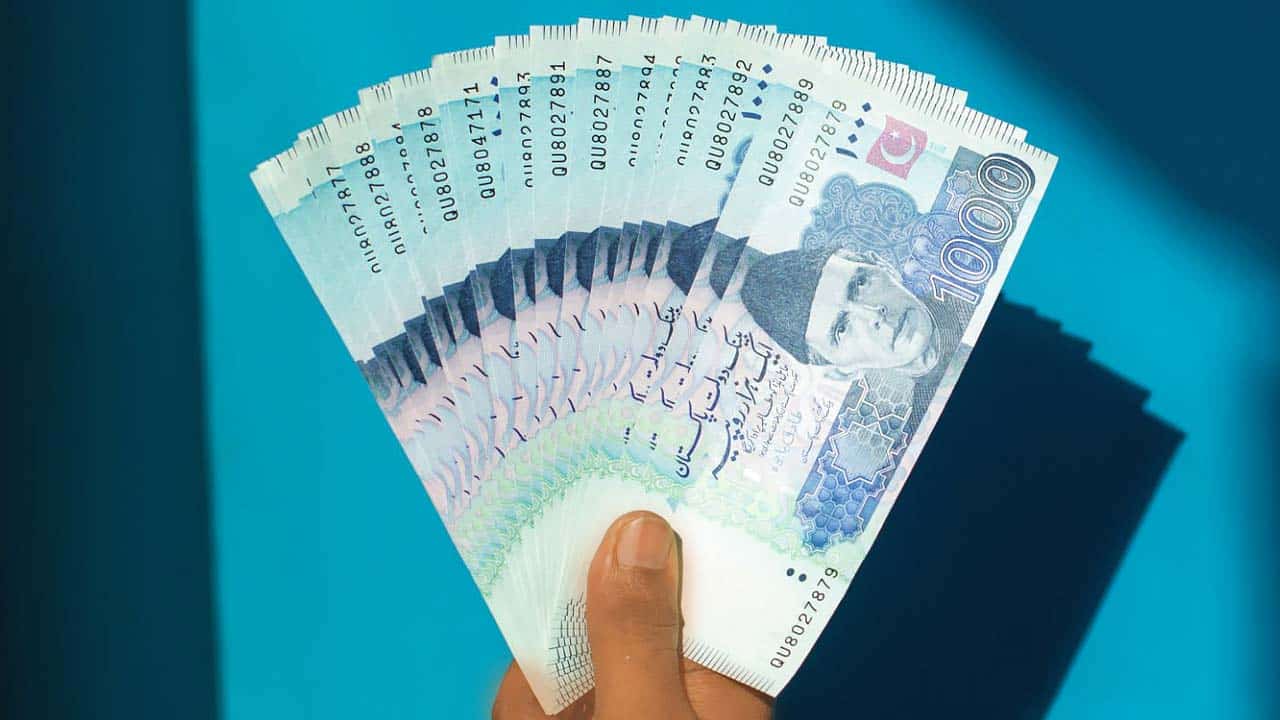
    The value of the Pakistani rupee (PKR) decreased 0.45 per cent against the US dollar following a three-day period of gains due to prolonged delays in critical funding from the International Monetary Fund (IMF).

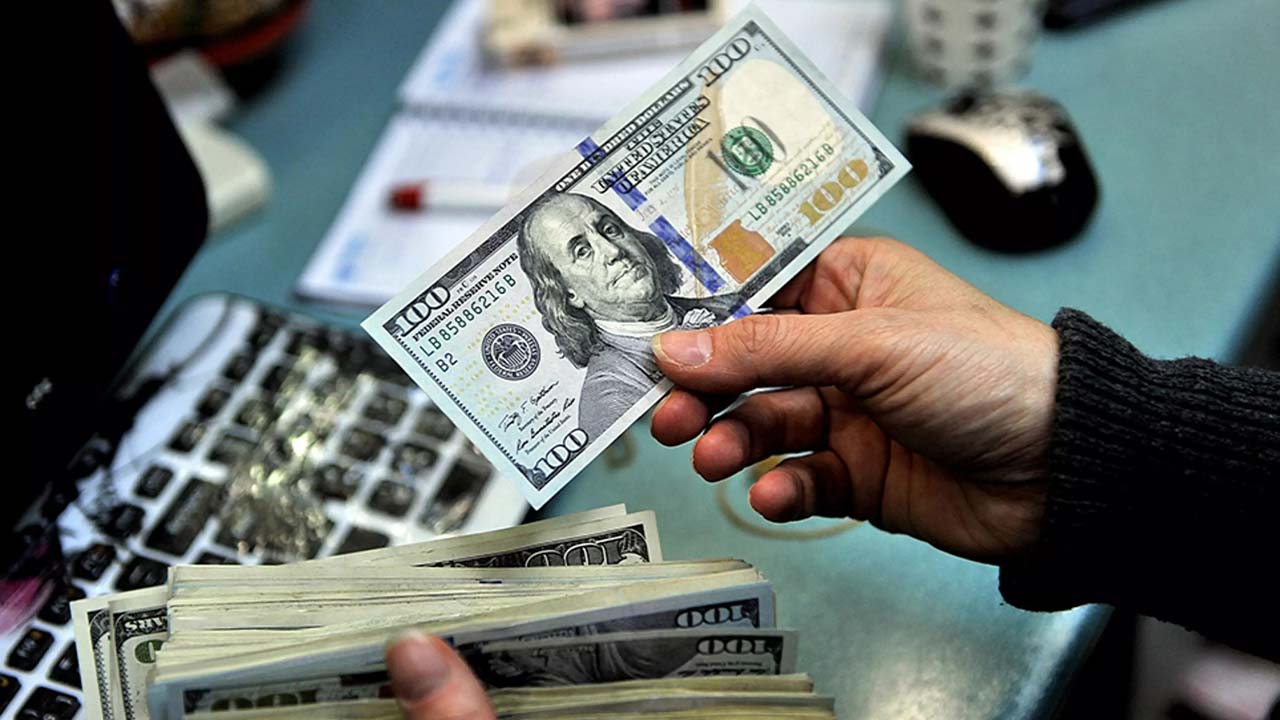
    During the interbank session held today, the PKR depreciated by Rs1.3 to settle at Rs279.12 per USD, compared to yesterday’s closing of Rs277.87 against USD.

    Throughout the session, the local unit traded within a range of Rs1.75, reaching a high bid of Rs278.75 and a low offer of Rs277.5. In the open market, the PKR was traded at Rs277/Rs280.5 versus USD.

    On the other hand, the local unit gained Rs5.1 against the Pound Sterling, with the day’s closing quote at Rs329.98 versus GBP, while the previous session closed at Rs335.11 per GBP.

    Furthermore, the PKR’s value also strengthened by Rs2.9 against the EUR, which closed at Rs294.19 at the interbank today.

  • Pakistan has averted default, Army Chief assures businessmen of economic prosperity

    Pakistan has averted default, Army Chief assures businessmen of economic prosperity

    The Chief of Army Staff (COAS), General Asim Munir, held a meeting on Monday night with the top businessmen in the country, in the presence of Finance Minister Ishaq Dar. While no official statement has been issued about the meeting, sources suggest that the army chief expressed optimism and confidence that the current economic difficulties would be overcome. He assured the businessmen that Pakistan has overcome the possibility of default, and urged them to remain firm and confident.

    The businessmen raised concerns about political polarization and chaos, and urged the military to ensure that this did not deepen further. They asked the army chief why politicians were not being brought together to meet the country’s challenges.

    The army chief emphasized that difficult times are a natural part of a nation’s progress, and reassured the businessmen that the worst is behind them. He referred to Islamic teachings to reinforce his message of resilience and strength.

    One participant, who requested anonymity, said that the businessmen had requested the meeting with the army chief. The meeting was deemed successful by the participants, and it was revealed that all prior conditions of the IMF had been met.

    The businessmen were told that agreements with friendly countries to provide dollars for the country’s foreign exchange reserves should be documented, and commitments had been secured for investments in agriculture, mining, and IT, with advanced equity expected from these countries.

    Sources further said the business community also expressed hope that army won’t allow unrest in the country. 

  • Economic situation forces Honda Atlas Pakistan to suspend production for more than 20 days

    Economic situation forces Honda Atlas Pakistan to suspend production for more than 20 days

    Honda Atlas Cars Pakistan Limited (HACPL), one of the leading car manufacturers in Pakistan, has announced the temporary closure of its plant from March 09, 2023, to March 31, 2023.

    In a notice sent to the Pakistan Stock Exchange (PSX), the company cited disruptions in its supply chain caused by the current economic situation in Pakistan.

    The government’s strict measures, such as restricting the opening of LCs for the import of completely knocked down (CKD) kits and raw materials, and halting foreign payments, have significantly impacted the company’s production capabilities.

    The shutdown is expected to affect Honda car production in the region and potentially impact the company’s financial performance.

    The closure of HCAR’s plant is also likely to have a ripple effect on the automotive industry in the region, highlighting the challenges faced by businesses in Pakistan due to the current economic situation.

  • Pakistan’s oil industry on the brink of collapse, calls for urgent government intervention

    Pakistan’s oil industry on the brink of collapse, calls for urgent government intervention

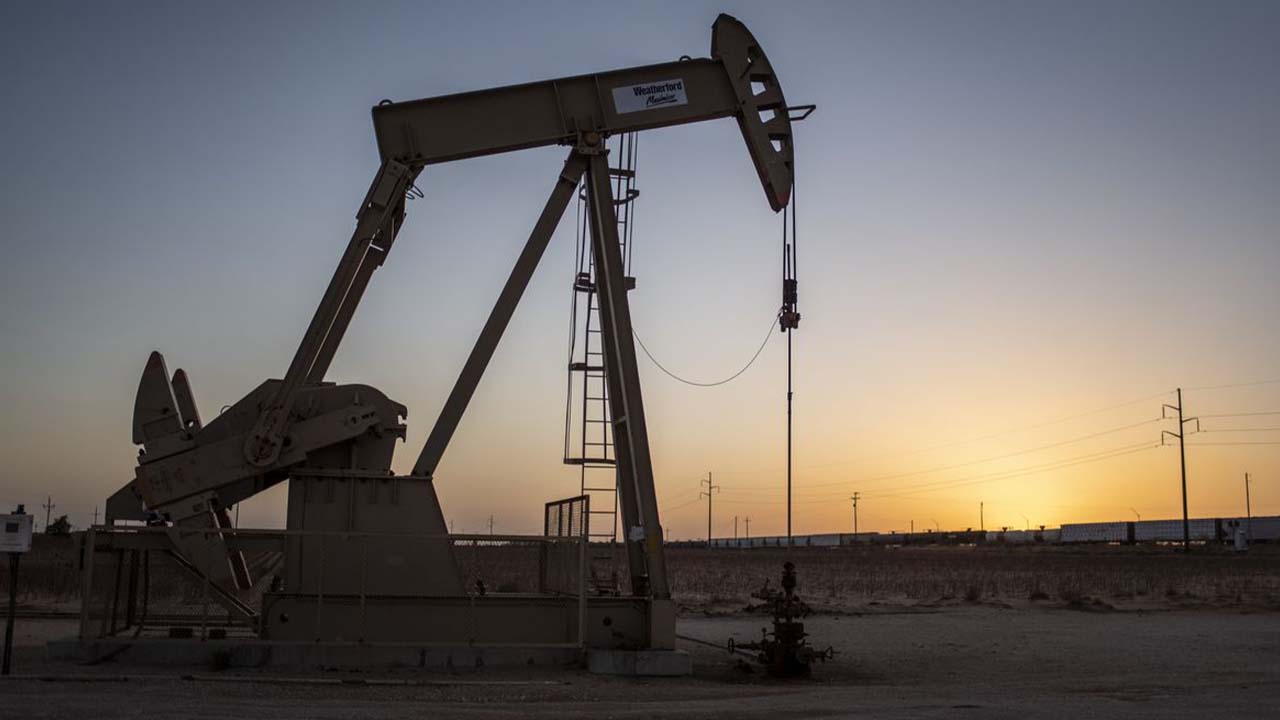
    According to recent reports, the oil industry in the country is facing serious challenges in obtaining crude oil and petroleum products due to foreign exchange constraints and current product pricing. These challenges have been exacerbated by the recent depreciation of the currency and an increase in the central bank’s policy rate.

    The Oil Companies Advisory Council (OCAC), which comprises over three dozen major oil marketing companies (OMCs) and refineries, has expressed concern to the government about the possibility of a major disruption to the already fragile supply chain.

    In a communication to the ministers for finance and energy, the governor of the State Bank of Pakistan (SBP), and the chairman of the Oil and Gas Regulatory Authority (Ogra), the OCAC has urged for urgent engagement to address the “severe impact of the recent depreciation of the rupee.”

    The association has also requested the development and immediate implementation of a transparent mechanism for the recovery of foreign exchange losses in product pricing. If immediate revision of prices based on the current exchange rate is not feasible, the government should at least put a system in place immediately.

    The recent steep depreciation has rendered the existing letter of credit (LC) lines inadequate for the industry, which could lead to import disruption of crude and refined products. The industry has also expressed concern about the cost of opening confirmed LCs, which has gone up many times and adversely impacted profitability.

    Moreover, maintaining the 20 days’ mandatory stock cover as per OMCs license requirement at the current rupee-dollar parity and after the recent increase in the SBP policy rates has resulted in borrowing costs of more than 50 per cent of regulated margins. Additional working capital burdens can raise significant concerns around OMCs’ ability to sustain operations.

    The association has reported that its members have been doubly hit due to the erosion of equity from foreign exchange losses and a reduction in working capital lines due to an increase in the rupee-dollar parity coupled with a rise in international oil prices, particularly high-speed diesel. The OMCs have already reported about Rs35 billion cumulative losses in POL pricing in recent months.

    The international price of petrol has increased by 3 per cent ($2.8 per barrel) to $94.84 per barrel between Jan 1, 2022, and March 2, while HSD prices surged by $15.48 or 18 per cent to $103.53 per barrel. During the same period, the rupee depreciated by over 61 per cent or Rs108.38 against the US dollar. This means that oil prices and exchange rate changes require an increase in the oil industry’s needs by 90 per cent than LC limits in local currency compared with last year to produce the same quantity of HSD.

    Therefore, the oil industry has called upon the government to ensure that the banking sector enhances limits for oil companies and refineries, enabling them to manage the impact of increased oil prices and rupee depreciation that are critical for the survival of the sector and the integrity of the POL supply chain.

    According to Dawn, the OCAC has warned that the industry is on the brink of collapse, as fuel shortages in certain areas earlier this year highlight the fragile condition of the industry. Urgent government intervention is necessary to ensure uninterrupted supplies.

  • Pak Suzuki suffers worst sales decline, sells less than 1,000 cars in February

    Pak Suzuki suffers worst sales decline, sells less than 1,000 cars in February

    Recent reports indicate that Pak Suzuki Motors has experienced a significant decline in sales due to production issues. The company has recorded its worst sales performance in history, mainly because of a shortage of production parts and rising raw material costs.

    Reports reveal that Pak Suzuki sold fewer than 1,000 units in February, marking its worst performance since the country’s COVID-19 lockdowns in April 2020 when production and sales came to a halt. In January, the automaker sold 2,940 vehicles, a significant 74 per cent decrease in monthly sales. This was attributed to the poor sales of the Suzuki Alto, which declined from 6,898 units in December 2022 to 44 units in January 2023.

    The official figures from the Pakistan Automotive Manufacturers Association (PAMA) are yet to arrive, but the total units sold in February are expected to range from the high tens to low hundreds.

    Despite being among the highest-selling automobile brands in the country, Pak Suzuki’s recent sales decline has left it struggling to maintain its position in the fiercely competitive industry. The drop in Suzuki sales is attributed to production part issues, which have caused difficulty in obtaining necessary auto parts due to major supply chain issues caused by the pandemic. As a result, the company has faced a shortage of raw materials and production parts.

    Global inflation has further exacerbated the problem, leading to a rise in the prices of raw materials and an increase in the car prices. This inflation has further contributed to a drop in sales as it has become difficult for the company to access all the required materials.

  • Another IMF condition met as Pakistan imposes 25% sales tax on luxury items

    On Tuesday, the federal cabinet led by Prime Minister Shehbaz Sharif approved the imposition of a 25 per cent sales tax on luxury items, fulfilling a condition set by the International Monetary Fund (IMF) for the revival of the $7 billion Extended Fund Facility (EFF) that had been stalled for months.

    The cabinet approved the 25 per cent general sales tax (GST) on luxury items through a circulation summary. The Federal Board of Revenue will issue a formal notification in the coming days, and the new rate will be applicable from March 1.

    The list of items subject to the 25 per cent GST includes aerated water and juices, imported cars, mobile phones, pet food, sanitary and bathroom wares, carpets (excluding Afghanistan), chandeliers and lighting devices or equipment, chocolates, cigarettes, confectionery items, corn flakes, cosmetics, shaving items, tissue papers, crockery, decorative devices, doors and window frames, fish, footwear, fruits and dry fruits, furniture, home appliances (CBU), luxury leather jackets and apparel, mattress and sleeping bags, frozen or processed meat, musical instruments, arms and ammunition, shampoos, sunglasses, tomato ketchup and sauces, and travel bags and suitcases.

    The federal government also imposed a 25 per cent GST rate on locally manufactured luxury vehicles of 1,400cc and above. The FBR has estimated that it will collect an additional Rs15 billion in taxes through the enhanced GST rate of 25 per cent in the four-month period.

    According to sources, Pakistan and IMF held virtual negotiations on Monday to revive the loan program that had been stalled for months. During the meeting, the lender expressed satisfaction with the country’s measures, while Pakistan insisted on early finalization of the staff-level agreement.

    The negotiations were moving positively as the Fund did not place any new demands during the virtual session. The State Bank of Pakistan (SBP) informed IMF representatives about the estimated collection of foreign exchange reserves of $10 billion until June, and sources claimed that Pakistan had achieved future targets before the staff-level agreement.

    It is worth mentioning that the government has expedited the implementation of IMF demands to unlock the loan tranche for the country’s economic recovery.

  • Saudi prince aims to create over 1,000 jobs with $100 million tech house investment in Pakistan

    Saudi prince aims to create over 1,000 jobs with $100 million tech house investment in Pakistan

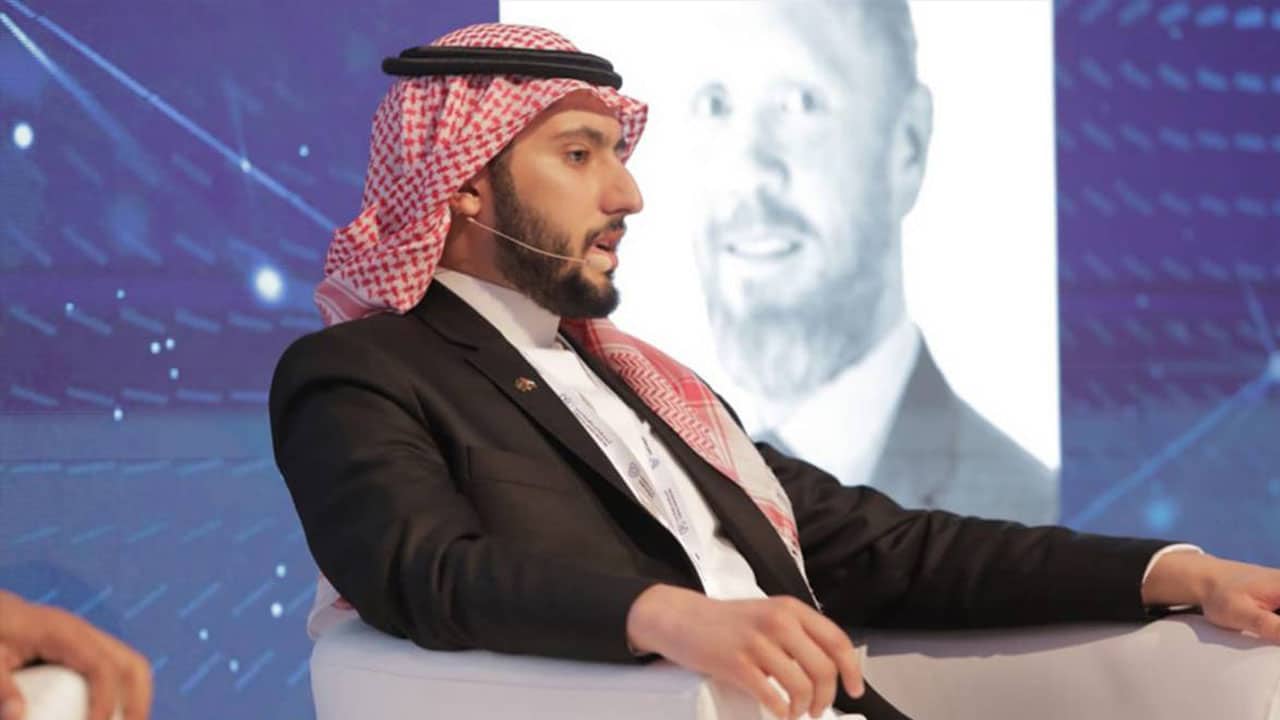
    A Saudi tech company owned by Prince Fahad bin Mansour Al-Saud has announced the launch of a Saudi-Pakistan Tech House in Islamabad on Monday.

    The initiative was first announced by the prince in January at Pakistan’s largest tech event, Future Fest 2023, and aims to forge partnerships with information technology (IT) companies and enterprises in Pakistan to promote greater ease of doing business between the two countries.

    Prince Fahad is the co-founder of ILSA Interactive, which was established in 2009 by Pakistani entrepreneur Salman Nasir with offices in Riyadh and Lahore, reflecting the determination of both Pakistani and Saudi leaders to deepen an existing strategic relationship in all fields.

    The company plans to forge partnerships with IT companies, universities, and large enterprises in Pakistan. The launch ceremony took place on Monday, March 6, and Prince Fahad intends to create more than 1,000 jobs and undertake 300 projects valued at $100 million in Pakistan, Saudi Arabia, and other countries.

    Future Fest 2023 saw leading entrepreneurs, startups, policymakers, and investors from around the world participate, and a delegation of Saudi business leaders attended the event, taking part in keynote addresses, roundtable conferences, and discussions on various topics related to the future of business and startups.

  • Pakistan’s textile industry struggles as exports fall by 28% in February

    Pakistan’s textile industry struggles as exports fall by 28% in February

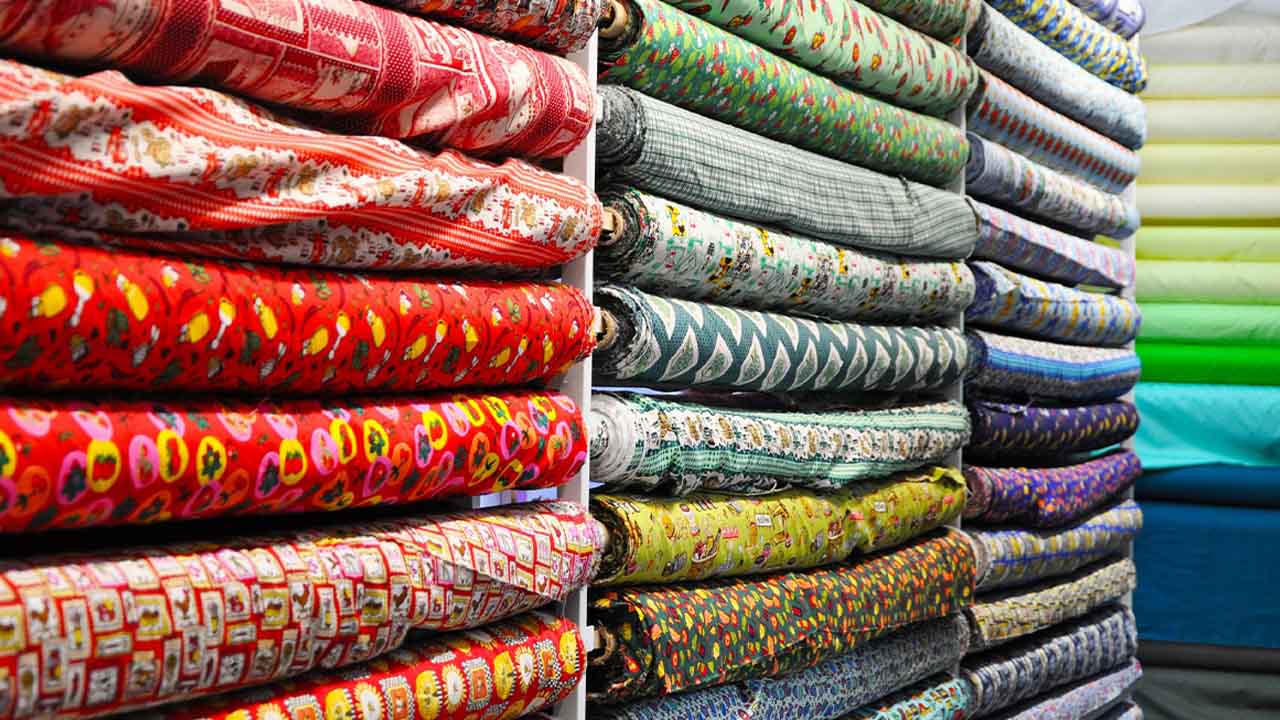
    On Monday, the All Pakistan Textile Mills Association (APTMA) released provisional data indicating that Pakistan’s textile sector exports declined significantly by 28 per cent, totaling $1.2 billion in February 2023, compared to $1.67 billion in the same month the previous year.

    Additionally, APTMA reported that textile exports for the first eight months of FY23 decreased by 11 per cent to $11.24 billion, down from $12.60 billion in 8MFY22. These declines are alarming for Pakistan, whose economy is already struggling with depleting foreign exchange reserves.

    The country’s central bank has only $3.81 billion in reserves, which is barely enough to cover a month of imports.

    Industrialists in Pakistan have expressed concern about the ongoing slump in the textile sector. Data released by the Pakistan Cotton Ginner’s Association (PCGA) on Friday revealed that cotton arrival in Pakistan also decreased by 34.5 per cent year-on-year.

    Last month, APTMA urged the federal government to implement a uniform gas price of $7 per MMBtu for the export industry throughout the country to ensure a level playing field.

    APTMA also warned that the government’s decision to suspend the regionally competitive energy tariff (RCET) of electricity for Export Oriented Units (EOUs) would harm the textile industry, particularly in Punjab.

    In December, APTMA wrote a letter to Prime Minister Shehbaz Sharif, warning that the country’s textile exports could fall below $1 billion a month from 2023 onwards, highlighting a range of issues affecting the sector, which is currently operating at less than 50 per cent capacity utilization.

  • Pakistani rupee gains against US dollar amidst hopes for IMF deal

    Pakistani rupee gains against US dollar amidst hopes for IMF deal

    Pakistani rupee on Monday gained against the US dollar due to two key developments: the country secured $500 million from the Industrial and Commercial Bank of China and there was optimism around a potential deal with the International Monetary Fund (IMF).

    During intraday trading, the local currency witnessed an increase of Rs3.46 against the greenback in the interbank market, with the exchange rate at around 11:45 pm being Rs275.

    However, last week the rupee made even greater gains against the US dollar. The State Bank of Pakistan reported a 2.38 per cent appreciation, equivalent to Rs6.63, in the interbank market, with the local unit closing at Rs278.46 on Friday.

    According to the General Secretary of the Exchange Companies Association of Pakistan (ECAP), Zafar Paracha, the hype around the earlier dollar appreciation was caused by the country’s financial institutions and international players manipulating rates.

    Paracha noted that the destabilized currency damages Pakistan’s image and discourages foreign direct investment and local investors. He anticipated that with the IMF agreement and inflows from friendly countries, the dollar should remain in the range of Rs260 to Rs265.

    He also highlighted that Pakistan’s political condition has been impacting the dollar rates, which is a new phenomenon. He mentioned that increasing Pakistan’s tax base, not tax rates, is crucial, and the government should reduce expenditures and subsidies given to elites.

    According to Geo, there is hope for a deal with the IMF, with a government official expressing optimism about striking a deal, and another official expecting to reach a staff-level agreement with the IMF in the coming days, although the Fund has not provided a timeframe for finalizing the agreement.

  • Basic necessity becomes luxury in Quetta: Flour shortage drives prices up to Rs2,800 per 20kg bag

    Basic necessity becomes luxury in Quetta: Flour shortage drives prices up to Rs2,800 per 20kg bag

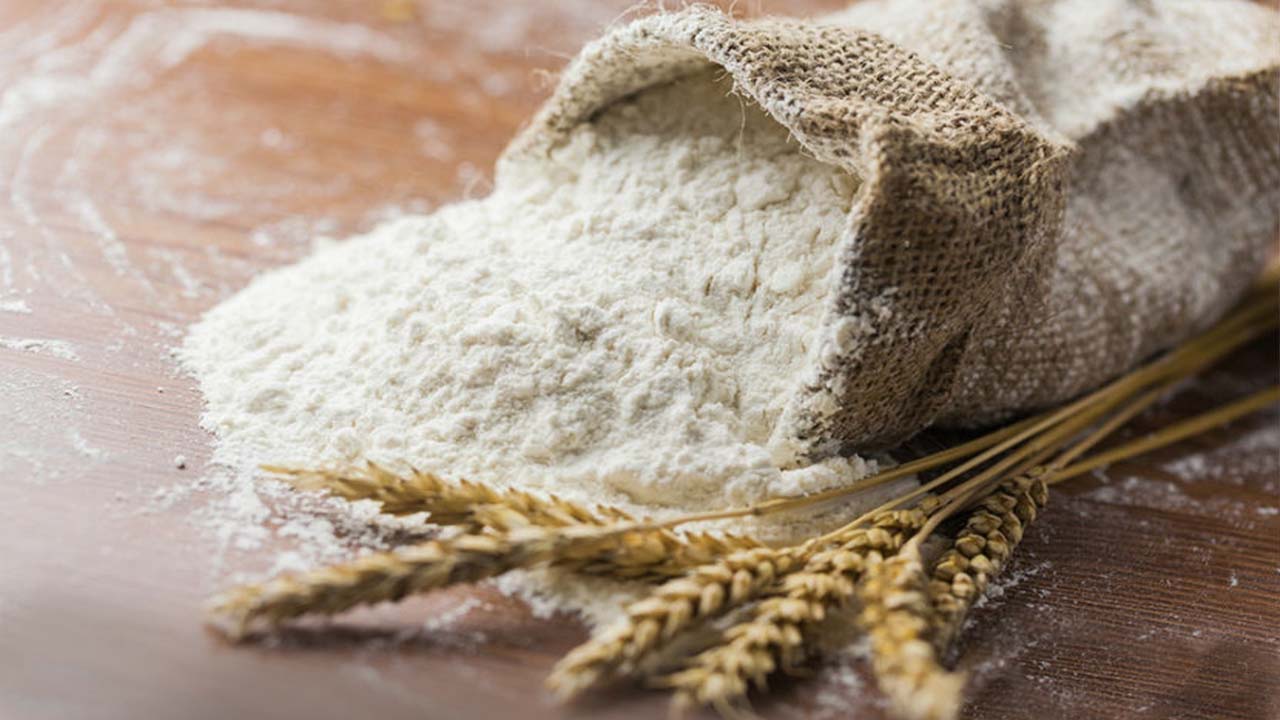
    In Balochistan’s capital of Quetta, a shortage of flour has led to skyrocketing prices for 20kg bags of the commodity. According to reports, profiteers are taking advantage of the situation and selling flour bags for between Rs2,640 to Rs2,800 in Quetta and surrounding areas.

    The residents of Quetta are frustrated that they are unable to obtain flour at the government’s fixed rate and are instead forced to pay an excessive price. They are calling on the provincial government to take action against the profiteers and ensure the availability of flour.

    According to ARY News, the President of Flour Mills Association Balochistan, Nasir Agha, has also weighed in on the crisis. He stated that the supply of wheat to the mills has been suspended for the last ten days, and he blamed the incompetence of the Balochistan food department for the current situation.

    With prices for flour continuing to rise, it remains to be seen how the provincial government will respond to the demands of the residents and the Flour Mills Association.