Category: Business

  • SBP set to raise interest rates in response to IMF’s call for tighter monetary policy

    SBP set to raise interest rates in response to IMF’s call for tighter monetary policy

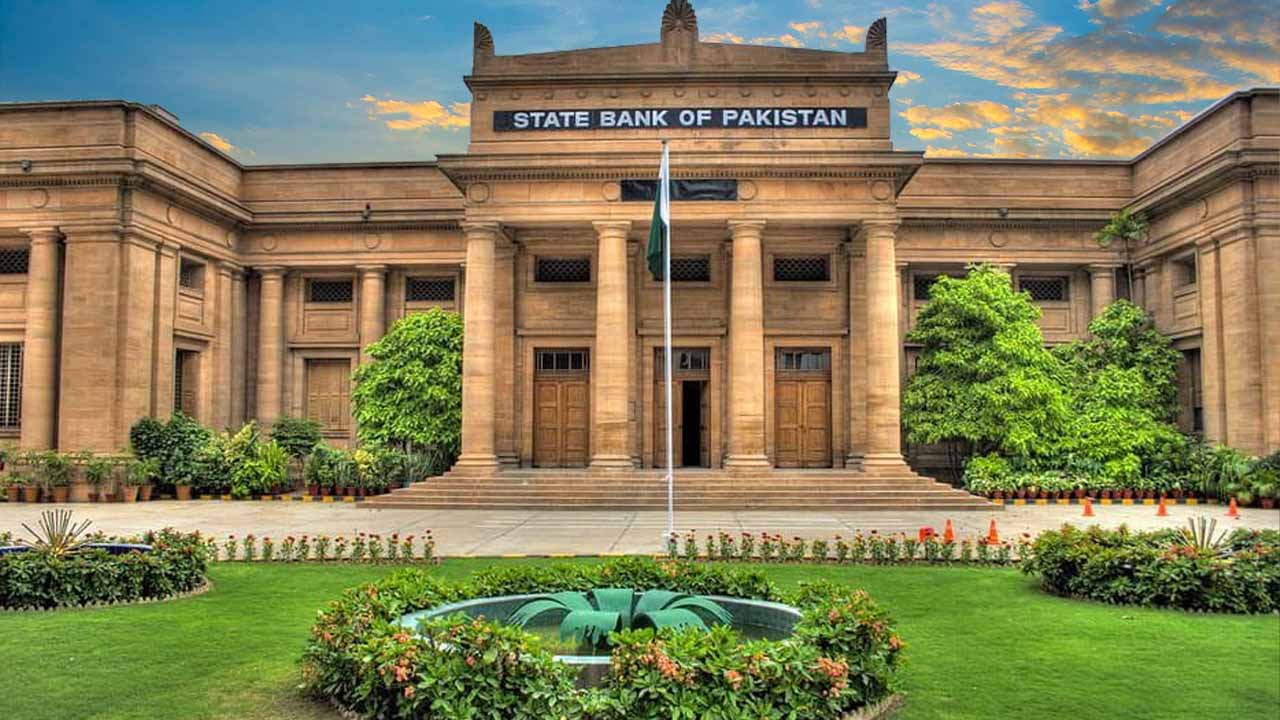
    The State Bank of Pakistan’s (SBP) Monetary Policy Committee (MPC) is expected to raise interest rates during an off-cycle review scheduled for today.

    The decision to hold this meeting earlier than the previously scheduled date of March 16th was made in an effort to expedite efforts to secure the anticipated International Monetary Fund (IMF) tranche.

    SBP’s MPC, established under the SBP Amendment Act, is authorized to make decisions based on macroeconomic fundamentals. Market expectations are for a benchmark interest rate increase, given the recent rise in treasury yields and growing investor concerns about rising inflation in Pakistan and globally.

    Reports suggest that the coalition government has agreed to raise interest rates from 17 per cent to 19 per cent in response to one of the IMF’s key conditions for reviving the loan program.

    Analysts recommend advancing the MPC meeting date to avoid the failure of the next T-bill auction. Discussions with the IMF have included the possibility of further monetary policy tightening and building up foreign exchange reserves by June 2023.

    The IMF has urged the SBP to raise the policy rate by 300 to 400 basis points to achieve a positive trajectory. Pakistan is taking measures to secure IMF funding, such as raising taxes, removing blanket subsidies, and relaxing exchange rate restrictions.

    While the government is optimistic about reaching a deal with the IMF, reports indicate that the lender expects interest rates to rise. Off-cycle rate reviews are not unusual in Pakistan.
  • Pakistani rupee drops by more than Rs18 against US dollar due to delay in IMF deal

    Pakistani rupee drops by more than Rs18 against US dollar due to delay in IMF deal

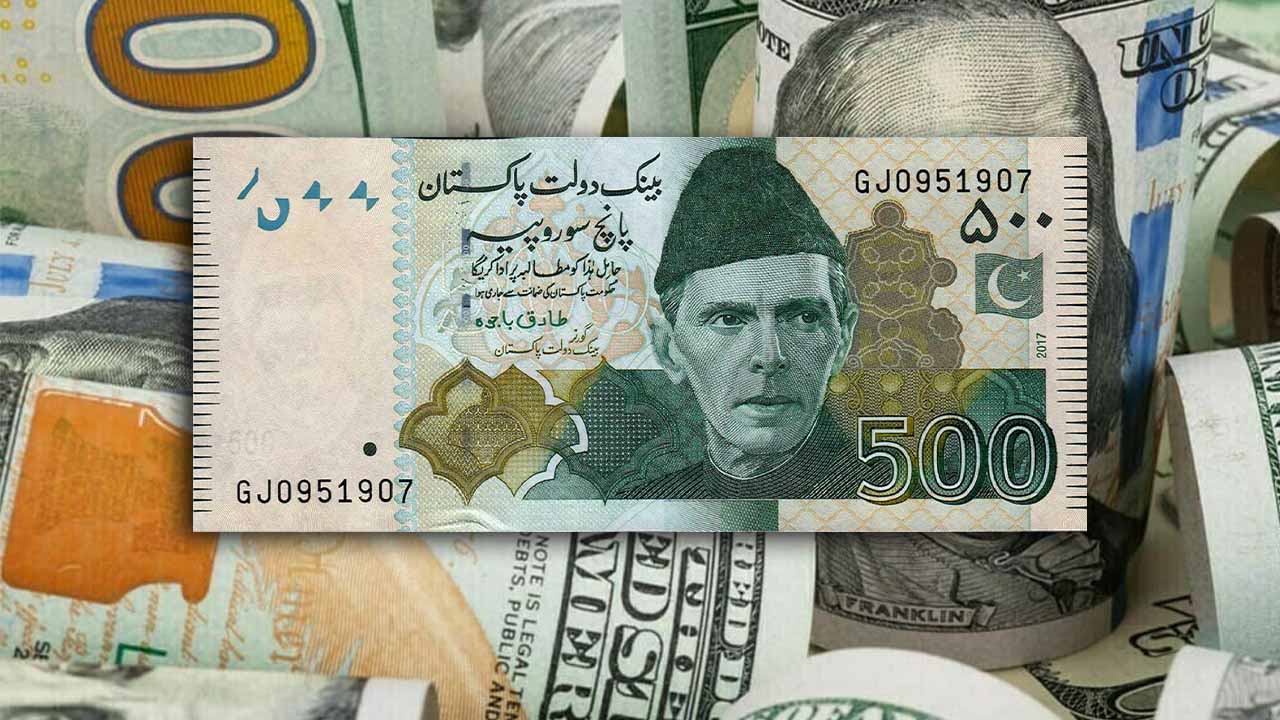
    Pakistani rupee (PKR) experienced a significant decline of over Rs18.8 against the US dollar in the interbank market during intra-day trade, ahead of the monetary policy review and delay in the International Monetary Fund (IMF) deal.

    At approximately 11:40 am, the greenback was being traded at Rs285 against the local currency, compared to its previous day’s closing of Rs266.11.

    Zafar Paracha, the General Secretary of ECAP, expressed concern over the delay in the agreement with IMF and the lender’s demand to peg the currency rate with that of the grey market, which has resulted in market uncertainty.

    In his opinion, the current rate is too high and should not have risen to this extent. He also noted that the greenback was being traded at Rs290 in the grey market a day earlier.

    Adnan Asghar, a currency market expert, stated that the delay in the deal between Pakistan and the IMF has contributed to the depreciation of the rupee.

    He added that the uncertain political situation has also been a factor in the decline of the rupee’s value. Asghar warned that the country is approaching a default situation due to this delay.

  • Inflation in Pakistan reaches nearly 50-year high, raising concerns for citizens

    Inflation in Pakistan reaches nearly 50-year high, raising concerns for citizens

    Pakistan’s inflation, as measured by the consumer price index (CPI), surged to a record-breaking 31.5 per cent in February, largely driven by steep price hikes in food, housing, and transportation groups. This concerning development was recently reported by the Pakistan Bureau of Statistics (PBS), and has heightened expectations of an increase in interest rates during the upcoming monetary policy committee (MPC) meeting, which the central bank has scheduled for March 2.

    The February inflation rate marks the highest figure since available data dating back to July 1965, surpassing the previous record of slightly over 29 per cent in April 1975. The unexpected pace of price increases has surpassed the finance ministry’s expectations, who had projected an inflation range of 28 per cent to 30 per cent just a day before the report.

    According to Geo, the monthly inflation rate surged by 4.3 per cent in February compared to January, primarily due to increased average prices of food items such as poultry, fruits, pulses, oil, vegetables, ghee, LPG, gas charges, and domestic petroleum products.

    The inflation reading raises concerns that the government will need to review its strategy to secure the critical $1.1 loan tranche from the International Monetary Fund (IMF). Despite repeated efforts, the government has been unable to regain lost ground with the IMF and is continually delivering financial shocks to the people.

    According to PBS, the inflation rate rose in both urban and rural areas. Urban inflation increased to 28.8 per cent in February, while rural inflation soared to 35.6 per cent compared to the same month last year. In February of the previous year, urban inflation was recorded at 11.5 per cent, while rural inflation was at 13.3 per cent.

  • Pakistan’s finance ministry predicts high inflation to persist

    Pakistan’s finance ministry predicts high inflation to persist

    As per the Finance Ministry’s monthly economic update and outlook for February, inflation is projected to range from 28 per cent to 30 per cent in the near future, before gradually subsiding. The report cites several reasons for this, including an uncertain political and economic environment, currency depreciation, a recent increase in energy prices, and higher administered prices.

    The report notes that interest payments will contribute to total expenditures, constraining the fiscal space available for normal operations, investments, and social and structural policies.

    While the State Bank of Pakistan (SBP) has been implementing a contractionary monetary policy, it is expected that inflationary pressures will take some time to ease. The federal government, in collaboration with provincial governments, is closely monitoring the demand-supply gap of essential commodities and taking necessary measures to stabilise prices.

    The resumption of an economic stabilization program will aid in achieving economic and exchange rate stability and provide an opportunity to benefit from falling international commodity prices. This will also help control cost-push inflation and allow the government to pass on lower commodity prices to domestic consumers.

    The report notes that favorable weather and the use of inputs by farmers should help meet the 28.4 million-ton wheat target, while disbursements under the Kissan package should positively impact agricultural productivity and overall economic activity. The cyclical pattern of large-scale manufacturing (LSM) in Pakistan is positively correlated with the cyclical position of the country’s main trading partners. In December 2022, LSM activity was as expected, with no unexpected shocks observed in that month.

    However, the international economic environment remains uncertain, as evidenced by the Composite Leading Indicators (CLI) in Pakistan’s main export areas, which were somewhat negative compared to historical standards.

    The ministry anticipates that LSM will increase in January compared to the previous month, partly due to seasonal factors. The ministry forecasts that LSM output may marginally decline on a YoY basis, mainly due to the high base effect in the reference period

  • PSO reportedly planning to buy Telenor to expand its business beyond oil

    PSO reportedly planning to buy Telenor to expand its business beyond oil

    Pakistan State Oil (PSO) is reportedly conducting due diligence on the Pakistani operations of a Norwegian telecommunications operator, in response to Telenor’s plans to sell its Pakistani operations valued at around $1 billion. Pending regulatory approval, PSO has expressed interest in acquiring Telenor Pakistan and Easypaisa, following the completion of bidding documentation and due diligence.

    Easypaisa, a leading mobile wallet, mobile payments, and branchless banking services provider, boasts a significant customer base of nine million monthly active users. Launched in 2009 as a money transfer service through Unstructured Supplementary Service Data (USSD) channels, Easypaisa introduced a mobile app in 2016, offering a broad range of financial transactions. Telenor Microfinance Bank owns Easypaisa, and jointly, Telenor Group most recently launched a debit card on January 17, 2023.

    According to Mettis Global, Telenor Pakistan’s decision to exit the market stems from heavy taxation on the telecommunications industry and the policies of the Pakistani Telecommunication Authority (PTA), which have significantly reduced its revenues. Although Telenor Pakistan has faced operational losses for the past three years, there is no certainty that discussions regarding the sale of its Pakistani operations will result in a transaction.

    For PSO, the potential acquisition of Telenor’s operations in Pakistan aligns with its efforts to expand its business beyond traditional oil and gas. If successful, the acquisition could enable PSO to diversify its revenue streams and leverage Pakistan’s growing digital payments market.

  • International petrol, diesel prices drop, but no relief for Pakistanis

    The government has decided not to reduce the prices of diesel and petrol for local consumers, despite a significant decrease in their international prices. This decision is intended to offset previous exchange losses and raise taxation.

    On February 28, 2023, the average fortnightly prices of petrol and diesel in the global market will be used for the next price revision. According to industry sources, the average price of diesel for the next fortnightly review has dropped by $7 per barrel, which equates to a reduction of Rs30 per litre for domestic diesel prices.

    The global average price of diesel has fallen to approximately $100 per barrel compared to $107 per barrel in the previous fortnight. Similarly, the average price of petrol has dropped to $90 per barrel for the next review of prices compared to $93 per barrel in the last fortnightly review, which translates into a reduction of Rs10 per litre for consumers in the local market.

    According to Geo, the appreciation of the Pakistani rupee against the dollar in the last two weeks has also contributed to the reduction in import prices of diesel and petrol. However, industry sources do not expect any significant reduction in the prices of diesel and petrol for domestic consumers.

    The government is expected to adjust the exchange losses, which were not passed on fully to the oil sector in the last several reviews. For example, an exchange loss adjustment of Rs88 per litre was due on diesel, but the government only transferred Rs12 per litre on this head, leaving the remaining amount to be adjusted. The same is true for petrol, with an exchange loss adjustment of Rs34 per litre due, but only Rs12 per litre being given to the oil industry.

    Under the conditions set by the International Monetary Fund (IMF), the government may increase the petroleum levy (PL) on diesel to Rs50 per litre, as it now has room to do so. Currently, the PL on diesel is Rs40 per litre.

    If the government does not impose GST, sources expect a cut of Rs10 per litre in diesel prices, which would otherwise deprive local consumers of the drop in diesel prices in the global market.

    However, official industry sources do not anticipate any reduction in the price of petrol for local consumers, which would otherwise have been down by Rs10, as per the trends of its price in the global market.

  • DHL limits operations in Pakistan due to outbound remittance restrictions

    DHL limits operations in Pakistan due to outbound remittance restrictions

    International logistics company, DHL, announced that it will partially suspend some of its operations in Pakistan due to restrictions on outbound remittances by the government.

    DHL Pakistan has informed its customers that it will suspend its “Import Express Product” and restrict outbound shipments to a maximum weight of 70kg per shipment for all customers billed in Pakistan from March 15.

    According to Dawn, the company has stated that the last pick-up date will be March 14, and shipments picked up on or before this date will still be delivered.

    The decision comes as the PMLN-led coalition government and the State Bank of Pakistan have imposed restrictions on outward remittances for foreign companies operating in Pakistan amid fast-dwindling foreign exchange.

    DHL has stated that the remittances sent by DHL Pakistan cover the cost of DHL’s international aviation, hub, gateway, and last-mile delivery incurred through its global network for the shipments sent/received by valued customers. The company has added that this constraint has made it unsuitable for DHL Express to continue providing the full product offering in Pakistan.

  • Pilgrims paying in US dollars to receive special discount for upcoming Hajj

    According to recent reports, the government is planning to provide incentives to citizens who choose to pay their dues for the upcoming Hajj in US dollars.

    Additionally, the Ministry of Religious Affairs has allocated a 25 per cent special quota for pilgrims who deposit the amount in dollars, as per APP.

    This move is a response to the government’s efforts to strengthen the fast-dwindling foreign reserves. According to a report by SAMAA on Friday, pilgrims who pay their application fees and other charges in US dollars will receive a special discount.

    SAMAA also cited the draft of the Hajj Policy 2023, which states that pilgrims will be given the option to choose the currency in which they wish to pay. Those who choose to pay in dollars will be exempted from the balloting process under the new Hajj policy, as reported by APP.

  • Pakistan accepts IMF pre-condition to increase interest rate by 2%

    Pakistan accepts IMF pre-condition to increase interest rate by 2%

    Pakistan has agreed to increase its policy (interest) rate by two percent or 200 basis points, as a pre-condition for the release of $1.1 billion in critical funding from the International Monetary Fund (IMF). The funding is part of a $6.5 billion bailout package.

    The increase is based on rates set by the government in an auction to raise domestic debt and will push the interest rate to 19 per cent. This is just below the previous record of 19.5 per cent set in October 1996.

    Sources from the Ministry of Finance stated that there had been technical-level discussions between Islamabad and the IMF review mission and that it was expected that Islamabad would increase the interest rate by two percent. Most of the pre-conditions set by the IMF had been fulfilled, according to these sources.

    Sources also indicated that discussions on some issues related to the power sector were in the final stages, after which a staff-level agreement with the IMF would be reached. Additionally, Pakistan provided a detailed briefing to IMF officials on the sources of foreign exchange until June.

  • Pakistan Tobacco Company fears surge in smuggling, fake cigarette supply after tax hike

    Pakistan Tobacco Company fears surge in smuggling, fake cigarette supply after tax hike

    Pakistan Tobacco Company (PTC) has expressed serious concern over the recent mini-budget announcement, stating that new taxes on cigarettes will result in an increase in smuggling and counterfeit products in markets. Speaking to the media on Friday, PTC’s Director Legal and External Affairs, Syed Asad Shah, explained that the increase in federal excise duty (FED) and the lower minimum price set by the Federal Board of Revenue (FBR) would lead to less revenue collection from the cigarette industry.

    Shah displayed several illicit cigarette packs available in markets across the country, including some smuggled brands without health warnings, counterfeit products of local brands, and unregistered and non-tax-paid locally produced cigarettes.

    Shah projected that the share of illicit cigarettes in Pakistan would increase from the current 35 per cent to 40-50 per cent in the current year. He added that if the government did not rationalize the policy of managing the threshold price level and did not restrict illicit trade, its revenues would also decline after two years. Illicit cigarettes are sold below the minimum price because the applicable tax per pack is not paid on these products.

    The cigarette industry paid total taxes of Rs150 billion in fiscal year 2021-22, and the expected tax receipts this year would be around Rs185 billion because of the new taxation measures. According to the industry, tax contribution by PTC and Philip Morris, two multinational companies, alone will be around Rs182 billion.

    Shah pointed out that around 35 cigarette companies were running in Pakistan, making some 200 brands, but local players paid only Rs3 billion in taxes and duties. He added that many companies were not paying due taxes, which was why some were selling cigarette packs for Rs7.

    PTC officials emphasized the need for a rational increase in the minimum legal price of cigarettes. After the recent rise in FED, taxes, and duties on tier-2 cigarette packs came in at Rs101, but the minimum sale price of the same packs was Rs108.

    According to Express, the company officials demanded that the finance ministry take stringent action against the illicit cigarette trade and ensure across-the-board implementation of the FBR’s track and trace system that monitors the production and supply of cigarettes.