Category: Business

  • Relief for electric consumers in September bills

    Relief for electric consumers in September bills

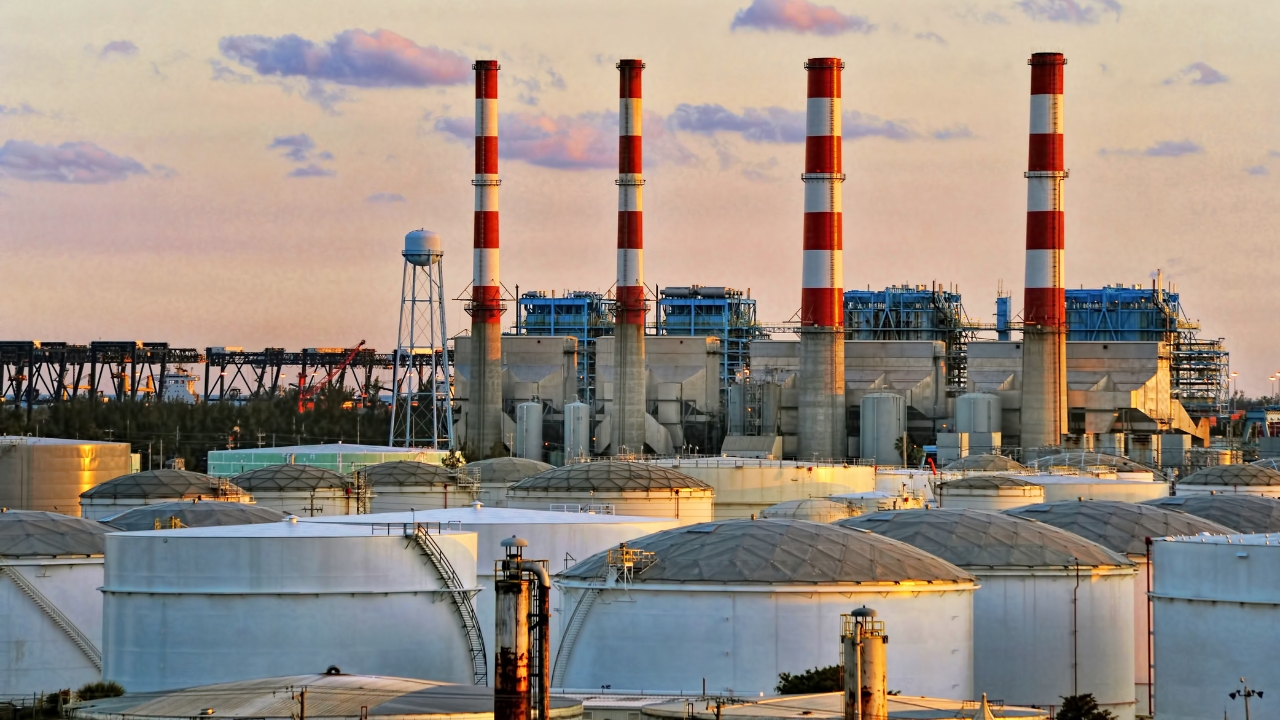
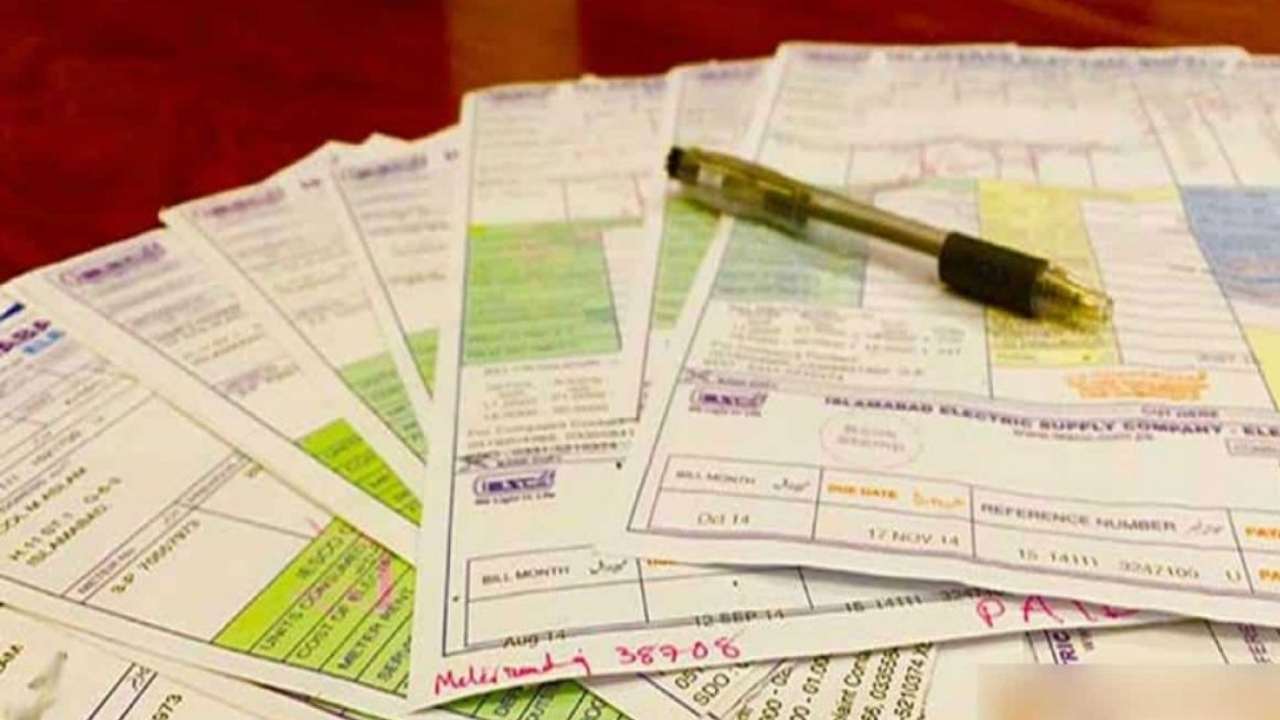
    In a bid to pass relief to electricity users, state-owned power distribution companies (Discos) have proposed a Rs1.691 per unit refund in electricity bills for September.

    According to reports, Discos have outlined a drop in fuel charges in July 2025 as the primary reason behind their proposal for the refund.

    The Central Power Purchasing Agency (CPPA) submitted the aforementioned proposal to the National Electric Power Regulatory Authority (NEPRA) as part of the monthly Fuel Charges Adjustment (FCA) framework.

    While the relief package has not yet been approved by NEPRA, reports reveal that a public hearing has been scheduled for August 28, wherein relevant stakeholders will determine if the amount requested by Discos for the refund is in line with the economic merit order.

    Details included within the petition reveal that domestic electricity generation during July stood at 14,123 gigawatt-hours (GWh) at an average cost of Rs7.781 per unit. This translates into the monthly fuel cost coming out to just Rs109.89 billion.

    Reports suggest, however, that the per-unit cost of electricity, once delivered to discos from power generation sources, rose to Rs8.1848 per unit. This was due to a 2.95 percent transmission loss, which resulted in discos receiving only 13,666 GWh of power, down from the 14,123 GWh that were initially generated.

    The cost of Rs8.1848 per unit of electricity also includes a charge of Rs0.275 to cover for Rs3.883 billion in revenue shortfalls that Discos experienced in the previous periods. RLNG-based electricity generation proved to be a costly method of power generation with the per unit cost standing at a staggering Rs22.03 per unit.

    However, reports suggest that residual furnace oil (RFO) based power generation remained the least economical method of electricity generation, with a per unit cost of Rs31.053. Conversely, nuclear power plants reportedly managed to generate electricity at a fraction of the price, with the per unit cost sitting at a manageable Rs2.42 per unit. 


    According to the data, coal power plants managed to attain an electricity generation cost per unit of Rs11.347 and Rs14.498 for domestic and imported coal respectively. The proposal to pass relief to consumers comes after (NEPRA) announced a quarterly tariff relief of Rs1.8881 per unit earlier this month, for the period spanning August 2025 to October 2025.
  • NAB returns Rs3.7 billion to victims of one of Pakistan’s largest ponzi schemes

    NAB returns Rs3.7 billion to victims of one of Pakistan’s largest ponzi schemes

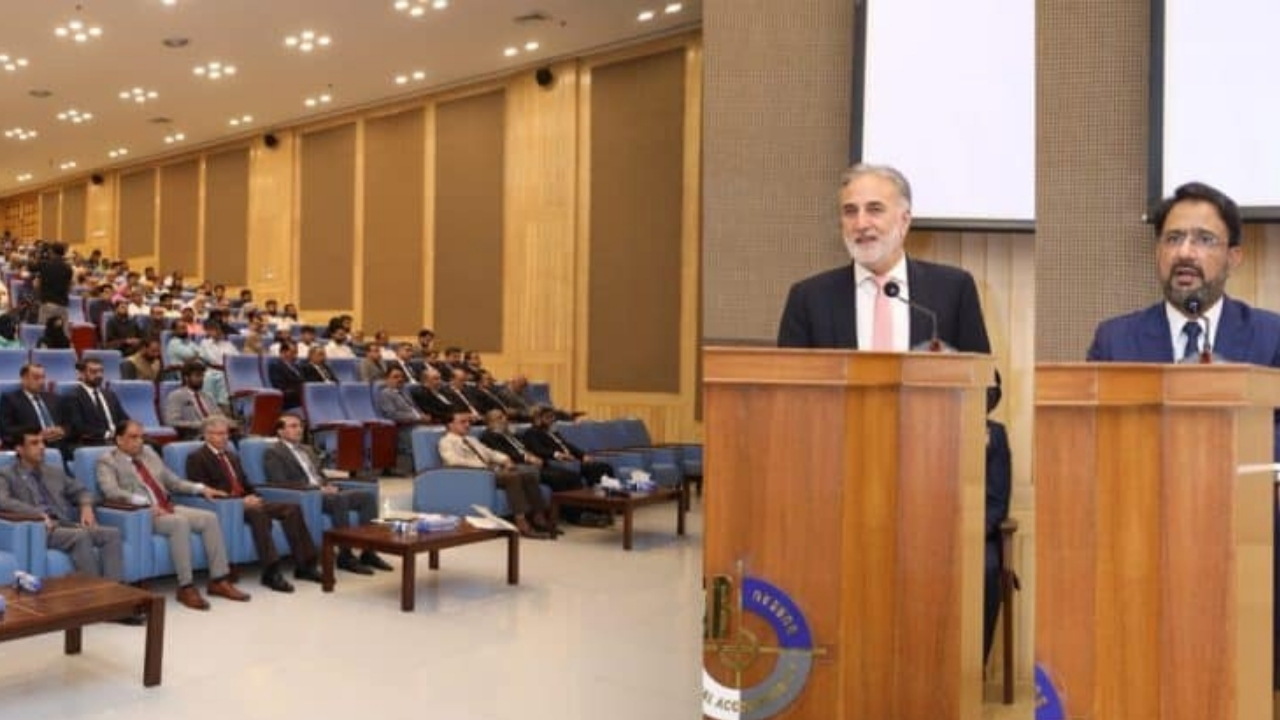
    The National Accountability Bureau (NAB) held a ceremony to return funds recovered from the B4U fraud to its victims, to reverse the financial damage caused by one of Pakistan’s largest scams. According to reports, the B4U fraud was an online Ponzi scheme run by Saif-ur-Rehman and his accomplices.

    The scheme operated via shell companies and reports indicate that the conspirators managed to siphon off billions of rupees from the public. As per the details, investors were lured in with a promise of an attractive seven percent rate of return every month.

    This translates to a 125 percent annual rate of return if investors did not draw upon monthly proceeds from the scheme. This raises alarms, as B4U’s promised returns stand in stark contrast to the 11 percent interest rate offered by banks, which should have served as a warning that it was a highly risky scheme.

    Reports reveal that NAB started looking into the matter in early February 2021, after the bureau received complaints from the Securities and Exchange Commission of Pakistan (SECP) and hundreds of victims. During the investigation, authorities froze assets belonging to the conspirators. The assets in question were 56 commercial bank accounts and a multitude of properties.

    Officials from NAB gathered online data to verify the claims and damage that had been caused to affectees. Data from reports suggests that the NAB initiated a recovery process to claw back Rs7.3 billion from the masterminds behind the ponzi scheme.

    It is worth noting that the compensation will be distributed in phases. In the first phase, Rs3.7 billion will be paid out, with 10,000 victims receiving their full amount, while the remaining 7,500 will receive only 40 percent of their investment.

    Reports have revealed that those currently receiving only 40 percent of their investment will receive the remaining amount within six months after the liquidation of the masterminds’ properties. Addressing the attendees at the ceremony, the NAB’s chairman advised the public to remain cautious when considering investing their funds into schemes.

    As per reports, he also urged those present to invest their funds after conducting detailed inquiries into the schemes. Victims are not expected to visit NAB’s offices again to recover their remaining amount, as the bureau intends to transfer the remaining amount directly into their bank accounts.

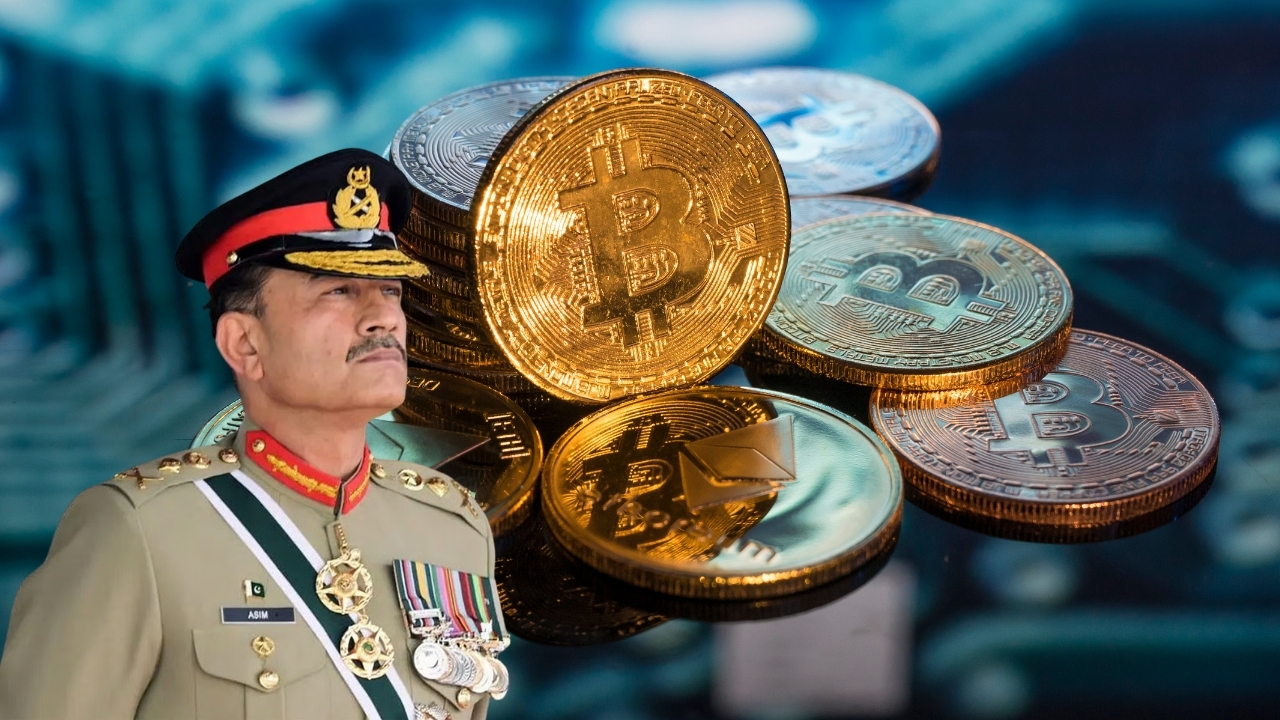
  • Indians lose it over Pakistan’s biplomacy spree; claim army chief is head of American crypto company

    Indians lose it over Pakistan’s biplomacy spree; claim army chief is head of American crypto company

    Pakistan has made great strides since May 2025 to establish itself as a digital hub, drawing it ever closer to the pro-crypto Trump Administration. However, its improving ties with the United States, the global economic powerhouse, have sparked unfounded criticism from media figures in neighbouring India.

    An Indian media outlet has claimed that Pakistan’s improving ties with the US are linked to its dealings with World Liberty Financial (WLF), a crypto venture associated with President Donald Trump’s family. The anchor falsely labelled WLF as “a completely illegal business” and baselessly alleged that it is “used mostly by drug traffickers.”

    Moreover, the anchor in question further claimed that Field Marshal Asim Munir was the Chief Executive Officer (CEO) of WLF. Meanwhile, Indian media outlets have long alleged that the military meddles in the affairs of the Pakistan Crypto Council (PCC). 

    It merits a mention that this is not the first time Indian media has undermined Pakistan’s crypto progress by portraying it as an attempt to strengthen ties with the US. Recent reports claimed that Pakistan’s dealings with WLF and Fr8Tech on virtual assets were efforts to “curry favour with political players in Washington”.

    Moreover, the Indian media has been pushing a political narrative, baselessly suggesting that Pakistan’s military will soon take control of the country’s digital asset landscape. Some reports went as far as alleging that virtual asset bodies would be dominated by military officials, drawing a misleading parallel with the 36 active-duty officers who “reportedly” oversee the Special Investment Facilitation Council (SIFC).

    However, it merits a mention that the PCC, Strategic Bitcoin Reserve, and Pakistan Virtual Assets Regulatory Authority (PVARA) were all created by formal democratic channels, with no evidence of military involvement.

    Apart from working with Pakistan on virtual asset initiatives, the US recently lowered tariffs on imports from Pakistan to a reasonable 19 percent – one of the lowest US tariffs on exports in South Asia. Meanwhile, India faces a steep 50 percent tariff.

  • T-bill auction draws bids of Rs1.385 trillion, govt raises Rs527 billion

    T-bill auction draws bids of Rs1.385 trillion, govt raises Rs527 billion

    Pakistani banks and companies invested a staggering Rs1.385 trillion in Treasury bills (T-bills) on Wednesday, seeking to park their funds in risk-free instruments. According to reports, the federal government’s latest auction exceeded its target, raising more than the amount set to mature.

    This indicates a strong demand by the corporate sector for short-term debt. The high demand suggests that Islamabad could have slashed yield rates and potentially managed to bring in sufficient funds through the auction of T-bills.

    However, reports reveal that the federal government did not reduce the cut-off yields, suggesting that the interest rate may remain fairly anchored in the coming periods. 

    As per reports, banks have preferred longer-term 12-month bonds, which reveal their predictions about interest rates not increasing in upcoming monetary policy committee sessions. 

    Data from reports reveal that bids worth Rs556.5 billion came for 12-month T-bills, with the federal government raising a whopping Rs275.7 billion through the 12-month maturity period. Islamabad also managed to raise Rs73 billion, Rs41.3 billion, and Rs23 billion from one, three and six-month bills, respectively.

    As per the details, the auction managed to receive total bids of Rs1.385 trillion against the Rs450 billion target, exceeding by over 207 percent. The government reportedly accepted Rs527 billion against Rs445 billion maturing this period. 

    For reference, the maturing amount refers to the sum the government must repay to previous investors in T-bills during this period. The strong demand underlined banks’ and financial institutions’ reliance on T-bills as secure short-term investments.

    According to reports, banks continue to invest larger funds in government securities per annum as Islamabad’s fiscal needs grow. In the budget for fiscal year (FY) 2024-25, interest payments alone constituted half of the expenditure from the Rs18 trillion budget.

    Details from reports suggest that the government is likely to rely extensively on bank borrowing during FY 2025-26. Even with the Federal Board of Revenue (FBR) exceeding revenue targets for the first month of FY 2025-26, experts predict that collections could fall short of targets, causing the government to borrow funds to plug the budget deficit.

    Revenue collection has reportedly improved in recent years; however, Islamabad still reports that citizens and businesses alike continue to evade taxes.

  • Rains strangle karachi’s industries, choke exports

    Rains strangle karachi’s industries, choke exports

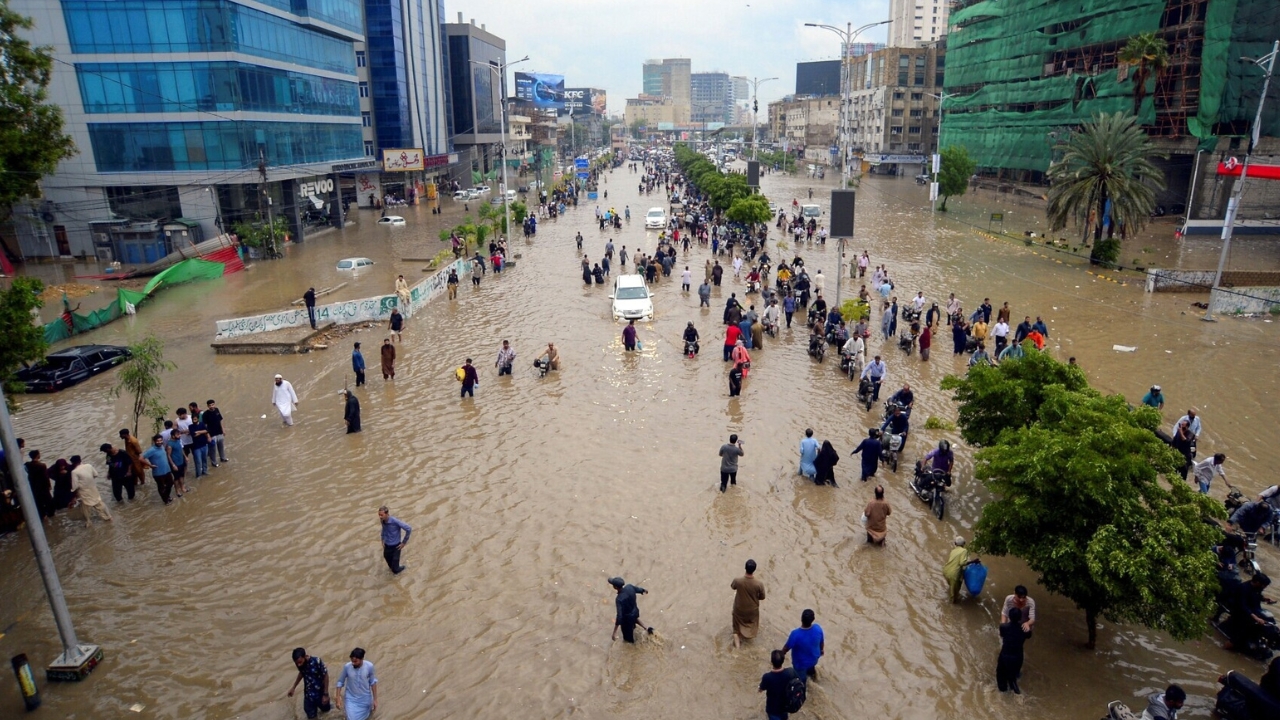
    Heavy rains on Tuesday crippled Karachi’s industrial and commercial activities, with flooding, road closures, and transport shortages causing factory operations to grind to a halt. According to reports, the heavy rainfall has also caused delays in export shipments.

    Factories in Karachi’s industrial sector usually run on three shifts per day, but were forced to suspend afternoon and night operations after heavy downpours submerged key roads, leaving workers unable to commute to their respective factories. As per the Korangi Association of Trade and Industry’s (KATI) President, up to 30 percent of workers in over 4,000 industries in Korangi were absent on Tuesday.  

    Data from reports suggests that productivity plummeted significantly, as workers were forced to leave early. According to the KATI’s President, the downpours caused productivity to fall by a staggering 50 percent.

    Reports reveal that the President of the Site Association of Industry (SAI) outlined that while production remained normal in over 3,500 units, workers faced significant hurdles commuting back to their residences as gutters overflowed and roads flooded. 

    The SAI’s President criticised authorities for failing to manage drainage despite Karachi’s importance to the economy, noting that female workers were especially hard hit because of the reported lack of public transport.

    Attendance rates at over 1,000 factories in the F.B. Area reportedly dropped by 25 percent. As per reports, the F.B. Area Association of Trade and Industry’s (FBATI) President has warned that industrial output may be “severely impacted” if rains continue with the same intensity for an additional two to three days.

    As per the details, the North Karachi Association of Trade and Industry (NKATI) reported the sharpest disruption, with 80 percent of the 4,500 factories present in the region halting production due to the absence of workers. The NKATI’s President cautioned that since 70 percent of the area’s industries are export-oriented, the cancellation of second and third shifts could result in severe disruptions.

    The downpour also reportedly battered the city’s retail sector. Trading in the old city markets, home to more than 10,000 shops, was negligible as shopkeepers either stayed home or left early. Reports reveal that wholesale vegetable markets had low customer turnout, while incoming supplies from northern Pakistan faced delays.

    With forecasts predicting more rain, reports suggest that Karachi’s industries and markets could face prolonged disruptions, affecting production and exports.

  • Jazz overcharged customers by Rs6.583 billion in 2023-24: audit report

    Jazz overcharged customers by Rs6.583 billion in 2023-24: audit report

    The Auditor General of Pakistan (AGP) has revealed that Jazz, one of the country’s largest telecom operators, overcharged customers beyond the rates approved by the Authority during the financial year 2023-24.
     
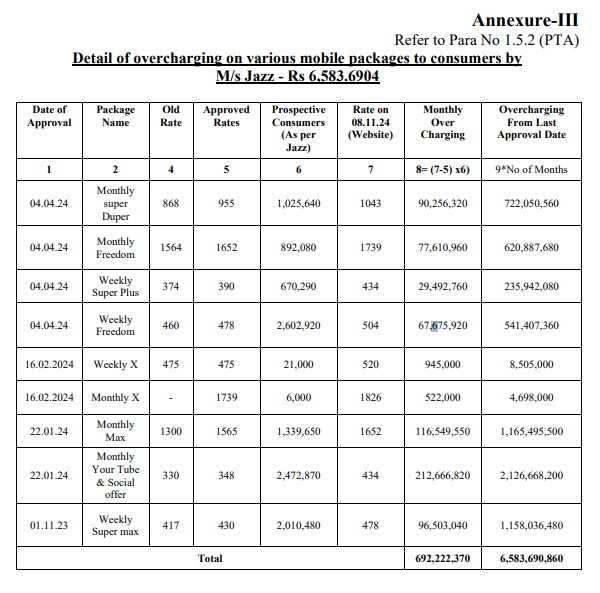
    “A comparative analysis of selected weekly and monthly packages revealed that the operator overcharged an amount of Rs 6,583,690,860 from the pockets of the consumers during FY 2023-24,” said the audit report published on Monday.
     
    The report added that charging consumers more than the approved tariff rates indicated “poor regulatory” oversight of the Pakistan Telecommunication Authority (PTA).
     
    According to the report, the PTA, through letters issued on February 12 and August 12 last year, allowed Jazz to raise its package prices by up to 15 percent per quarter and reduce incentives in any bundle, package, or plan by up to 5 percent, with prior intimation to the Authority. These approvals covered the periods from February to June 2024 and August to December 2024, respectively.
     
    “Jazz has increased prices of its packages vide letter dated 12th November, 2024, under intimation to PTA.”
     
    The report detailed that the telecom operator overcharged customers across nine packages, collecting an excess of Rs722 million from the Monthly Super Duper package alone since the last approved date.
     
     
    Likewise, Jazz overcharged Rs620m, Rs235m, Rs541.4m, Rs8.504m, Rs4.6m, Rs1,165m, Rs2126m, Rs1,158.036m from packages of Monthly Freedom, Weekly Super Plus, Weekly Freedom, Weekly X, Monthly X, Monthly max, Monthly Your Tube & Social Offer, and Weekly Super Max respectively.
     
    The Departmental Account Committee (DAC) directed the PTA management to provide a complete record of the increase in rates of various mobile packages as approved by the Authority to audit for verification, according to the report. “PTA did not furnish the requisite record till the finalization of this report,” it added.
     
    The report recommends implementation of DAC directives, besides an “inquiry into the matter” and fixation of responsibility on the person(s) at fault.
     
    Reacting to reports, Jazz said it is a responsible corporate entity and has consistently operated in full compliance with Pakistan’s regulatory framework.
     
    In a statement, it said that all tariffs and services are launched only after formal approvals by the PTA, in accordance with clearly defined processes.
     
    “We are reviewing the observations shared in the audit report,” read the statement, adding that they remain confident that Jazz has acted lawfully and transparently at every step.
     
    “We trust that the matter will be reviewed in the context of regulatory facts, documented approvals, and institutional roles,” the statement concluded.
  • Govt greenlights Rs5.8 billion relief package to assist flood affectees

    Govt greenlights Rs5.8 billion relief package to assist flood affectees

    Following the widespread devastation from ongoing floods, the Economic Coordination Committee (ECC) of the Cabinet on Tuesday approved a proposal by the National Disaster Management Authority (NDMA) to provide relief to the affectees. The meeting, chaired by Finance Minister Muhammad Aurangzeb, has reviewed development and economic matters.

    Recent monsoon rains, coupled with cloudbursts, have resulted in multiple instances of flash floods, claiming the lives of approximately 670 individuals. In light of the situation, the ECC has approved a relief package totalling Rs5.8 billion in support, with the Finance Division receiving directives to release Rs4 billion from the package immediately.

    It merits a mention that the floods have also severely damaged key infrastructure. As per reports, the destruction caused by floodwater triggered a major internet outage from Tuesday night until early Wednesday morning, with connectivity dropping to nearly 20 percent of usual levels.

    Moreover, the federal government may have to allocate additional funds to assist victims of the floods, as India has reportedly released additional water into the Sutlej River.

  • ‘Low domestic savings, investment threaten long-term growth,’ warns SBP governor

    ‘Low domestic savings, investment threaten long-term growth,’ warns SBP governor

    Pakistan’s domestic savings level has declined to a measly 7.4 percent of the gross domestic product (GDP). According to the Governor of the State Bank of Pakistan (SBP) Jameel Ahmed, the low savings level has resulted in reliance upon external financing and repeated boom-bust economic cycles. Meanwhile, reports reveal that Pakistan lags far behind in domestic savings, with the regional average at 27 percent of GDP compared to just 7.4 percent in Pakistan.

    Addressing the conference “Unlocking the Capital Markets Potential for Banks,” on Monday, the SBP governor warned that Pakistan’s long-term growth prospects remain weak due to declining investment and a low savings rate. Data from the Pakistan Bureau of Statistics (PBS) indicates that private investment levels have fallen to 9 percent of GDP in 2024-25 from 12 percent in 2008-09.

    However, the decrease in investment is not limited to the private sector, as public investment has recorded a steep decline from 4 percent to 2.9 percent over the aforementioned period. Reports suggest that Pakistan now ranks the lowest in the region in terms of total investment.

    Data from the World Bank (WB) shows Pakistan’s gross fixed capital formation to sit at 12 percent of GDP, far below Bangladesh’s 31 percent and Sri Lanka’s 20 percent. For reference, gross fixed capital formation is a measure of a country’s investment into physical assets that boost future production, such as buildings and infrastructure.

    The SBP’s governor highlighted the need to address the low savings rates to help “build sustainable growth”. He stressed the importance of capital markets to help funnel domestic savings into productive investments.

    Investing in the domestic capital market is attractive for investors as well, as the Pakistan Stock Exchange (PSX) has been performing exceptionally over the past year. The PSX has proved to be an avenue of high returns for investors, as the benchmark index of the PSX, the KSE-100 index, has grown by over 92.4 percent over the past year.

    According to reports, participation in the PSX remains subdued compared to other economies in the region, given the low number of investor accounts and market capitalisation. The SBP’s governor has taken notice of the low level of financial inclusion, offering possible solutions to remedy the issue.

    As per the details, he has directed government bodies, regulators, and financial institutions to promote financial literacy to boost market participation.

  • Govt to digitize economy to cashless systems

    Govt to digitize economy to cashless systems

    In a bid to accelerate the shift toward a cashless economy, Prime Minister (PM) Shehbaz Sharif announced that the federal government is actively working to digitalise financial transactions. He made the remarks during a review meeting on Sunday regarding the transition to a cashless system.

    According to details, PM Shehbaz directed provincial chief secretaries to coordinate with Islamabad to expand the Raast system, with plans to extend the digital payment network down to the district level.

    Moving to a cashless economy will yield great benefits for the federal government, especially in the sphere of revenue collection. This is because businesses and individuals alike can evade taxes when making financial transactions with cash as the medium of payment.

    However, digital payments to businesses are recorded and are eligible for taxation. As per reports, the Prime Minister has expressed pleasure over the progress authorities have made thus far to transition to a cashless economy with digital financial systems.

    According to reports, the meeting was informed of the initiative wherein Pakistan will create a digital public infrastructure to enable efficient and secure digital payments. 

    Under the proposed public digital infrastructure, the government is to create digital IDs for all Pakistanis, integrate citizens’ biometrics, mobile numbers, and national identity cards.  Moreover, the stakeholders present at the meeting were briefed on the progress of provincial governments over connecting public-to-government and government-to-public payments with the Raast system.

    While the federal government has made strides to boost digital payments between the public sector and private entities, authorities should work towards digitising financial transactions taking place between private parties. This is because doing so will likely lead to an uptick in the collection figures of the Federal Board of Revenue (FBR).

    The government could encourage individuals to switch to a cashless economy by offering greater incentives. Currently, individuals pay a five percent tax on digital transactions compared to the 18 percent General Sales Tax (GST) levied on cash transactions. A reduction in the digital transaction tax or an increase in the GST could help accelerate nationwide adoption of digital payments.

    According to reports, development authorities in Islamabad have granted the right of way for fibre connectivity to support the transition to a cashless economy. Additionally, the federal government expects the National Highway Authority and Pakistan Railways to help improve digital infrastructure.

  • Chinese IPPs demand Rs475bn in dues, warn of plants shutting down

    Chinese IPPs demand Rs475bn in dues, warn of plants shutting down

    Chinese Independent Power Producers (IPPs) operating under the China-Pakistan Economic Corridor (CPEC) framework are applying pressure on the federal government to clear their dues which have surged to a staggering Rs475 billion. According to reports, the chief executive officers (CEOs) of CPEC IPPs sent a multitude of letters to key government officials to log their concerns regarding the delays in payments.


    Reports reveal that copies of these letters have also been sent to the Chinese Ambassador to Pakistan in an effort to extract the remaining dues. It merits a mention that Prime Minister Shehbaz Sharif is slated to visit China in the near future however, the $1.67 billion unmet payment to Chinese IPPs could strain relations with Beijing. 


    As per reports, the Chinese Ambassador to Pakistan has remained locked in discussions with senior officials from Pakistan to sort the issue of repayment prior to Chinese leadership hosting the Prime Minister for bilateral meetings.


    The CEO of Port Qasim Electric Power Company (PQEPC) Wang Dongfang has reportedly raised concerns, outlining how the Central Power Purchasing Agency-Guaranteed (CPPA-G) has been responsible for the growing backlog of tariff payments. For reference, PQEPC can generate upwards of 1,320 megawatts of power under the facility’s coal powered power project which reports have hailed to be “a flagship initiative under CPEC” and a “critical contributor to Pakistan’s energy grid.”


    The CEO of PQEPC has highlighted how the federal government owes a whopping Rs81 billion to the power plant he runs alone. Moreover, details from his letter suggested that delays in payment stretched over six months. 


    As per the details, non-payment by the federal government is likely to result in a deterioration of future investment inflows as stakeholders in the PQEPC from both Beijing and Doha have recorded their “discontent”.  The CEO of the power company in question has suggested that the situation is likely to worsen if Islamabad does not take immediate steps to rectify the non-payment issue.


    PQEPC’s CEO warned the federal government, indicating that the company was legally allowed to suspend plant operations if payments are not cleared. Additionally, the company will not be liable for liquidated damages either as per Section 9.10 of the Power Purchase Agreement (PPA).


    Liquidated damages in this context refers to the amount PQEPC would have to pay the government for breaching the contract. However, the company is not obligated to make any such payment to Islamabad under the current circumstances.


    The CEO underlined how this would “result in a lose-lose outcome for both sides”. Pakistan’s energy sector is already under stress and the closure of the plant will only serve to exacerbate the strain on the sector.