Category: Business

  • 2,000 Pakistani workers secured jobs in Korea through EPS, says Korean ambassador

    2,000 Pakistani workers secured jobs in Korea through EPS, says Korean ambassador

    The Ambassador of the Republic of Korea to Pakistan, Suh Sangpyo, announced on Monday that during the year 2022, approximately 2,000 workers from Pakistan secured employment in Korea through the Employment Permit System (E9).

    As per a news release issued by the embassy, the Ambassador expressed his appreciation for the increasing employment opportunities being provided to Pakistani workers through the Employment Permit System (EPS) in Korea. He also pledged to extend his embassy’s full cooperation to further expand the EPS project in the future.

    The Embassy extended its support to the Employment Permit System (E9) project by donating five units of computer equipment, namely scanners, to the sending country (OEC) free of charge. The scanners can be utilised for multiple purposes, including passport scanning.

  • Car sales in Pakistan drop by 65% due to low purchasing power, supply chain disruptions

    Car sales in Pakistan drop by 65% due to low purchasing power, supply chain disruptions

    According to data from the Pakistan Automotive Manufacturers Association (PAMA), passenger car sales in Pakistan experienced a significant decline of 65 per cent in January 2023 compared to the same period the previous year. This was attributed to a shortage of raw materials, low purchasing power, and price surges.

    With the exception of Suzuki’s Swift, sales of all other variants of cars, trucks, buses, tractors, pick-ups, and three-wheelers, as well as two-wheelers, also dropped in January 2023.

    The seven-month sales data for FY23 showed a 43 per cent drop compared to the same period last year, with passenger car sales decreasing by 65 per cent to 6,021 units. In January 2023, engine-wise sales data showed that sales of 1,300cc and above cars were recorded at 4,207 units, down 55.5 per cent compared to the same period last year. Additionally, 1,000cc cars recorded sales of 1,214 units, a decrease of 55.2 per cent from the same period the previous year.

    In January 2023, sales of passenger cars with engines less than 1,000cc plummeted to 600 units, down 88 per cent from 4,820 units sold in the same period last year.

    Sales of Suzuki’s new Alto were particularly hard hit, dropping to 44 units from 3,864 units last year, as the company was unable to produce any due to raw material shortages. Commercial vehicle sales were also impacted, with buses and trucks declining to 470 units from 778 units in January 2022.

    Despite this, the sale of jeeps and pickups increased to 4,846 units from 3,625 units sold last year, largely due to an increase in sales of Honda BR-V and HR-V. Tractor sales, on the other hand, decreased to 3,406 units from 4,966 units in January 2022.

    Meanwhile, sales of rickshaws and motorcycles dropped to 109,558 units from 153,658 units in the same period last year. According to Topline Securities, Pakistan’s overall car sales, including those of non-PAMA members, stood at around 11,500 units, down 37 per cent from the previous month, primarily due to Pak Suzuki’s inability to produce due to the non-availability of CKD parts.

    In January 2023, the automotive industry in Pakistan experienced a 47 per cent year-on-year drop in sales, contributing to a 39 per cent decline in sales for the first seven months of FY23. According to Sunny Kumar, an analyst for Topline Securities, this is due to rising car prices, costly auto financing, and limited consumer purchasing power.

    Pak Suzuki (PSMC) was hit particularly hard, with sales falling to 2,946 units, the lowest level since April 2020, largely due to a credit letters issue. In contrast, Hyundai sales increased 81 per cent month-on-month, with Tuscon sales up 69 per cent and Sonata sales up 241 per cent in January 2023. In the tractor sector, Millat Tractors and Al-Ghazi Tractors recorded increased sales in January 2023 compared to the previous month.

    However, the industry’s overall sales have dropped by 53 per cent YoY to 14,919 units in 7MFY23, affected by floods, plant shutdowns, higher prices, and low consumer purchasing power.

  • Petrol price likely to rise by Rs20 per litre in upcoming review

    Petrol price likely to rise by Rs20 per litre in upcoming review

    Oil industry sources report that there may be a Rs20 per litre increase in petrol prices at the upcoming review on February 15, 2023. The increase is based on calculations of the international price of petrol, specifically on a free on board (FOB) basis.

    During the previous fortnightly review of fuel prices, the government implemented a substantial increase of Rs35 per litre. Currently, the government imposes a petroleum levy (PL) of Rs50 per litre, while the general sales tax (GST) has not yet been levied.

    Sources suggest that the price of petrol could increase further if the foreign exchange rate is adjusted at the next review. They noted that the exchange rate is currently unfavorable, negating any potential benefits or reductions for local consumers.

    Despite a decrease in international petrol prices, the sharp depreciation of the rupee against the dollar has offset gains, adversely affecting domestic consumers. Additionally, the sources warned that the government may implement a Rs20 per litre adjustment to account for the exchange rate, which could result in an overall increase of up to Rs40 per litre.

    The price of diesel, as reported by sources, has not seen any increase on FOB without exchange rate adjustments. However, they stated that diesel prices could potentially increase in the next review if the exchange rate is adjusted. The government previously adjusted Rs14 per litre on diesel due to the exchange rate, but the recent appreciation of the dollar has effectively negated this adjustment from the last review.

    While global diesel prices have reportedly decreased by five to six dollars per barrel, the depreciation of the rupee prevents the government from passing on the reduction to local consumers.

    The most recent price adjustment of petroleum products was made on January 29, 2021, by the federal government. Following the review, petrol was priced at Rs249.80 per litre, high-speed diesel at Rs262.80 per litre, kerosene oil at Rs189.83 per litre, and light-speed diesel at Rs187 per litre.

    The government implemented an increase in petrol and high-speed diesel prices by Rs35 per litre each, and raised the rates of kerosene oil and light diesel oil by Rs18 per litre each on January 29, 2023.

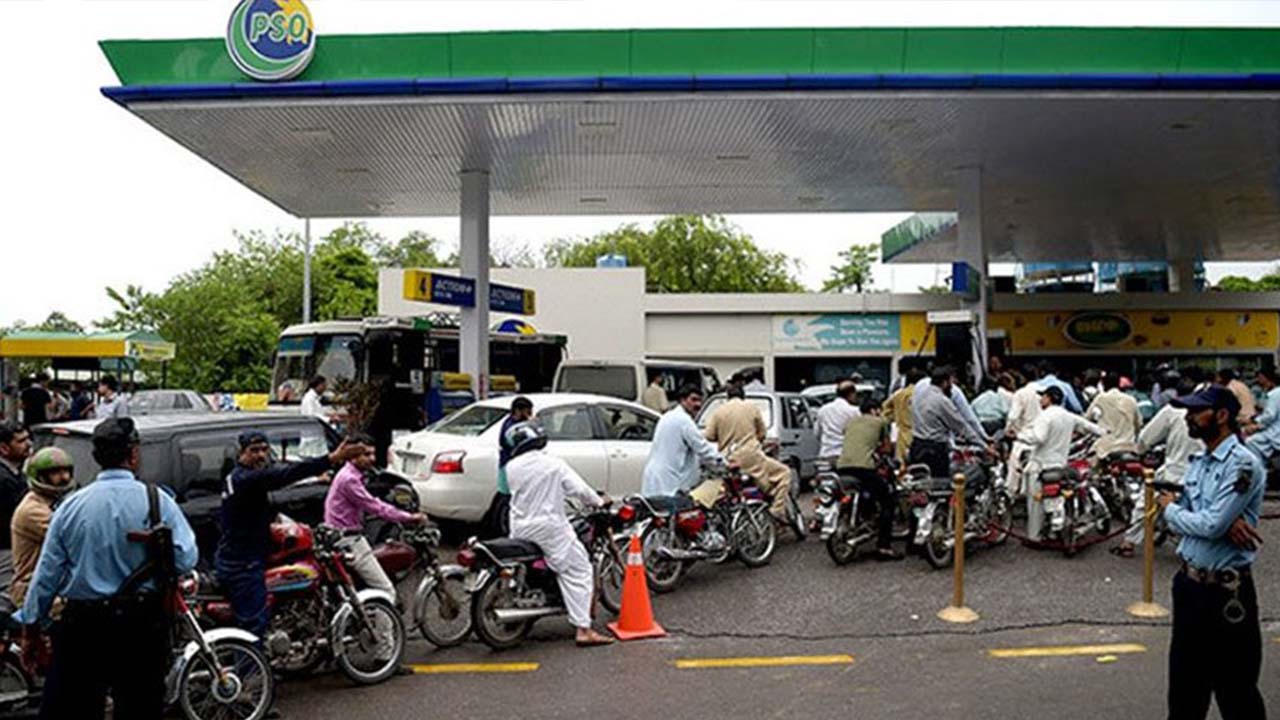
    Pakistan is currently experiencing a shortage of petrol, with its most populous province, Punjab, being hit the hardest. The crisis has affected major and minor cities, towns, and villages in Punjab, with the shortage being attributed to petroleum dealers.

    Sources previously reported that in addition to a low import of petrol by most Oil Marketing Companies (OMCs), petroleum dealers were also involved in hoarding petrol in anticipation of an expected price increase in mid-February.

  • Punjab Flour Mills Association declares indefinite strike from today, halts flour supply

    Punjab Flour Mills Association declares indefinite strike from today, halts flour supply

    The Punjab Flour Mills Association has declared an indefinite strike from today, disrupting the supply of flour to the market from February 14th.

    The strike is a response to the suspension of wheat quotas for over 100 flour mills by the Punjab Food Department.

    The ongoing differences between the Flour Mills Association and the Food Department have reached a boiling point following the government’s decision to suspend the quotas.

    The Chairman of the Punjab Flour Mills Association released a statement announcing that the flour mills will no longer receive wheat from the government quota, resulting in the discontinuation of the provision of affordable flour to the market.

    He also requested the Food Department to provide evidence for any alleged malpractice within the association.

    Prior to this development, the open market price of wheat in Punjab experienced a significant decrease of Rs1,200 per maund, due to the increased wheat quota and import. Market dealers report that the price dropped from Rs5,200 per maund to Rs4,000 per maund.

    As a result of a decrease of Rs1,200 per maund, the price of wheat per kilogramme in the open market has fallen to Rs100 from its previous rate of Rs130 per kg, according to ARY News.

  • Weekly inflation in Pakistan soars 35% from last year’s rates

    Weekly inflation in Pakistan soars 35% from last year’s rates

    The Pakistan Bureau of Statistics (PBS) has reported an increase in the Sensitive Price Indicator (SPI) based inflation for the week ending on February 9th, 2023. The SPI recorded a rise of 0.17 per cent due to heightened prices for both food and non-food items.

    The year-on-year trend shows an increase of 34.83 per cent mainly due to an increase in the prices of onions (507.98 per cent), chicken (93.21 per cent), diesel (81.41 per cent), eggs (79.19 per cent), rice basmati broken (68.92 per cent), petrol (68.77 per cent), rice irri-6/9 (68.26 per cent), pulse moong (66.30 per cent), tea Lipton (63.92 per cent), bananas (61.88per cent), pulse gram (56.80 per cent), bread (50.66 per cent), LPG (50.41 per cent), pulse mash (50.25 per cent) and salt powdered (46.46 per cent), while a decrease is observed in the prices of tomatoes (57.76 per cent), chilies powdered (12.43 per cent) and electricity for q1 (12.31 per cent).

    The SPI for the week under review in the above-mentioned group was recorded at 228.17 points against 227.79 points registered in the previous week, according to the latest PBS data released on Friday.

    During the week, out of 51 items, prices of 29 (56.87 per cent) items increased, 05 (9.80 per cent) items decreased and 17 (33.33 per cent) items remained stable.

    The SPI for the consumption group up to Rs. 17,732 decreased by 0.06 per cent while it increase for Rs. 17,732-22,888, Rs. 22,889-29,517, Rs. 29,518-44,175 and above Rs. 44,175 consumption group increase by 0.02 per cent, 0.10 per cent, 0.14 per cent, and 0.22 per cent respectively.

    The items, which recorded an increase in their average prices during the week over the previous include potatoes (7.15 per cent), chicken (6.94 per cent),  bananas (6.53 per cent), vegetable ghee Dalda/Habib or other superior quality 1 kg pouch each (5.67 per cent), rice basmati broken (3.80 per cent), rice irri-6/9 (3.64 per cent), LPG (3.06 per cent), vegetable ghee Dalda/Habib 2.5 kg tin each (2.71 per cent), cooking oil Dalda or other similar brands (sn), and 5 liter tin each (2.60 per cent).

    Other items which recorded an increase are pulse mash (2.42 per cent), cigarettes capstan 20’s packet each (2.25 per cent), garlic (2.20 per cent), pulse moong (2.20 per cent), mustard oil (2.20 per cent), powdered milk Nido 390 gm polybag each (1.88 per cent), pulse gram (1.87 per cent), curd (1.83 per cent), tea prepared (1.77 per cent), milk fresh (1.52 per cent), matchbox (1.47 per cent), Sufi washing soap (1.39 per cent), bread plain (1.25 per cent), pulse masoor (1.23 per cent), energy saver Philips (0.79 per cent), salt powdered (0.65 per cent), firewood whole 40 kg (0.60 per cent), cooked daal (0.52 per cent), gur (0.31 per cent) and cooked beef (0.09 per cent).

    The commodities, which recorded a decrease in their average prices included onions (9.83 per cent), tomatoes (5.40 per cent), eggs (3.40 per cent), wheat flour bag 20 kg (2.71 per cent), and sugar (0.31 per cent).

  • Flour mill owners in Punjab threaten to suspend market supplies on February 14

    Flour mill owners in Punjab threaten to suspend market supplies on February 14

    The owners of flour mills have threatened to go on strike, halting supplies to the markets on February 14th, and are demanding that the Punjab food department immediately meet their demands.

    The Chairman of the Pakistan Flour Mills Association (PFMA) Punjab chapter, Chaudhry Iftikhar Ahmad Mattu, has issued a warning of a planned strike on February 14th if the provincial food department does not address their demands.

    During a press conference, the Chairman of PFMA Punjab Mattu criticised the inappropriate behavior and incorrect policies of the provincial food secretary.

    According to ARY News, the Chairman stated that the wrong policies of the food secretary have impacted the supply of flour, leading to the closure of multiple flour mills. He further announced that the flour mills will stop receiving wheat quota from the government starting from February 13th.

    In addition, Chaudhry Iftikhar Ahmad Mattu announced that the flour mills will cease supplies to the market on February 14th and proceed with a strike, unless their demands are promptly met by the Punjab food department. Meanwhile, the Karachi Dairy and Cattle Farmers Association declared its intention to raise milk prices by Rs20 per litre, effective from February 11th.

    In a statement from the Karachi Dairy and Cattle Farmers Association, the spokesperson attributed the price hike of milk to the increased cost of fuel and fodder. The official rate for milk has been set at Rs180 per litre, however, it is being sold for Rs190 in the city.

    With the increase, the price per litre of milk will rise to Rs210. The Commissioner of Karachi has recently ordered operations to seal dairy shops selling milk at elevated prices.

  • Big power consumers to face increased tariff due to IMF conditions

    Big power consumers to face increased tariff due to IMF conditions

    The Economic Coordination Committee (ECC) of the Cabinet approved the removal of subsidies in electricity tariffs for the export-oriented sector and the Kissan package in order to meet one of the International Monetary Fund’s (IMF) preconditions for reaching a staff-level agreement.

    Federal Minister for Finance and Revenue Senator Ishaq Dar presided over the meeting, where the revenue and fiscal measures were discussed to fulfill the IMF’s demands.

    The recently concluded 10-day IMF mission in Islamabad had energy sector reforms and reducing the circular debt as the main focus of the talks. However, the IMF team left without signing an agreement and requested that Pakistan take corrective measures. The ECC meeting was convened to evaluate the situation and implement necessary steps.

    The government approved a revised Circular Debt Management Plan (CDMP) that includes quarterly tariff adjustments, a deferred fuel price adjustment, and a surcharge of Re1 per unit for large power consumers. The approved tariff hike ranges from Rs7-8 per unit until August 2023, with the consumer base tariff expected to increase from Rs15.28 per unit in June 2022 to Rs23.39 per unit by June 2023.

    According to sources, the IMF had requested the government to raise the base tariff by Rs4.06 per unit, but this request was not approved under the revised CDMP. It is yet to be determined how the IMF’s demand was incorporated into the Memorandum of Economic and Financial Policies (MEFP) that was presented to Pakistan on February 10, 2023.

    If the IMF continues to insist on a higher base tariff, it is estimated that the Pakistani authorities will have to raise the tariff by a range of Rs9 to 11 per unit.

    The government has so far protected electricity users consuming 300 units or less from a planned tariff increase. However, the revised Circular Debt Management Plan (CDMP) does not address the IMF’s demand for a higher base tariff in order to reduce the need for an additional subsidy of Rs335 billion.

    In accordance with IMF directives, the additional subsidy requirement has been reduced from Rs675 billion to Rs335 billion, and the government has indicated that it will be included as part of the circular debt management plan.

  • Yahoo announces major layoffs, 20% of staff to be affected

    Yahoo announces major layoffs, 20% of staff to be affected

    Yahoo announced in a statement on Thursday that they will be cutting more than 20 per cent of their workforce by the end of 2023, starting with the elimination of 1,000 positions this week.

    The company, which was acquired by private equity firm Apollo Global Management in September 2021, had a headcount of around 10,000 employees at the time of acquisition, according to PitchBook data.

    However, recent reports by Axios indicate that the current headcount may be closer to 8,000 employees, with more than 1,600 workers set to lose their jobs in the latest round of cuts.

    The recent layoffs at Yahoo are part of the company’s plan to simplify its advertising unit’s operations. A spokesperson for the company stated that the strategy for the Yahoo for Business segment failed to meet the company’s expectations in all aspects. These layoffs are a step towards rectifying the situation and ensuring the business segment operates more efficiently.

    “Given the new focus of the new Yahoo Advertising group, we will reduce the workforce of the former Yahoo for Business division by nearly 50 per cent by the end of 2023,” a Yahoo spokesperson told CNBC.

    Yahoo announced that it will redirect its focus to its long-standing collaboration with Taboola, a leading digital advertising firm, to enhance its advertising services. The partnership between the two companies has existed for 30 years.

    “These decisions are never easy, but we believe these changes will simplify and strengthen our advertising business for the long run, while enabling Yahoo to deliver better value to our customers and partners,” the Yahoo spokesperson said.

    According to a statement made by a representative of Yahoo to CNBC, the company has announced plans to offer severance packages to its domestic employees who have been impacted by job loss. However, the company has not disclosed the exact amount or specifics of the severance packages being offered.

    Severance packages are typically offered by companies to employees who have been laid off or let go due to a reduction in workforce, restructuring, or other reasons. These packages typically include a combination of financial compensation and benefits, such as continued health insurance, unemployment assistance, and outplacement services.

    The size and value of the severance package will depend on factors such as the employee’s length of service, position, and company policies. In the case of Yahoo, without specific details on the size or value of the severance packages, it is difficult to determine what the employees can expect to receive.

  • SBP-held foreign exchange reserves drop to a highly critical level of $2.92 billion

    SBP-held foreign exchange reserves drop to a highly critical level of $2.92 billion

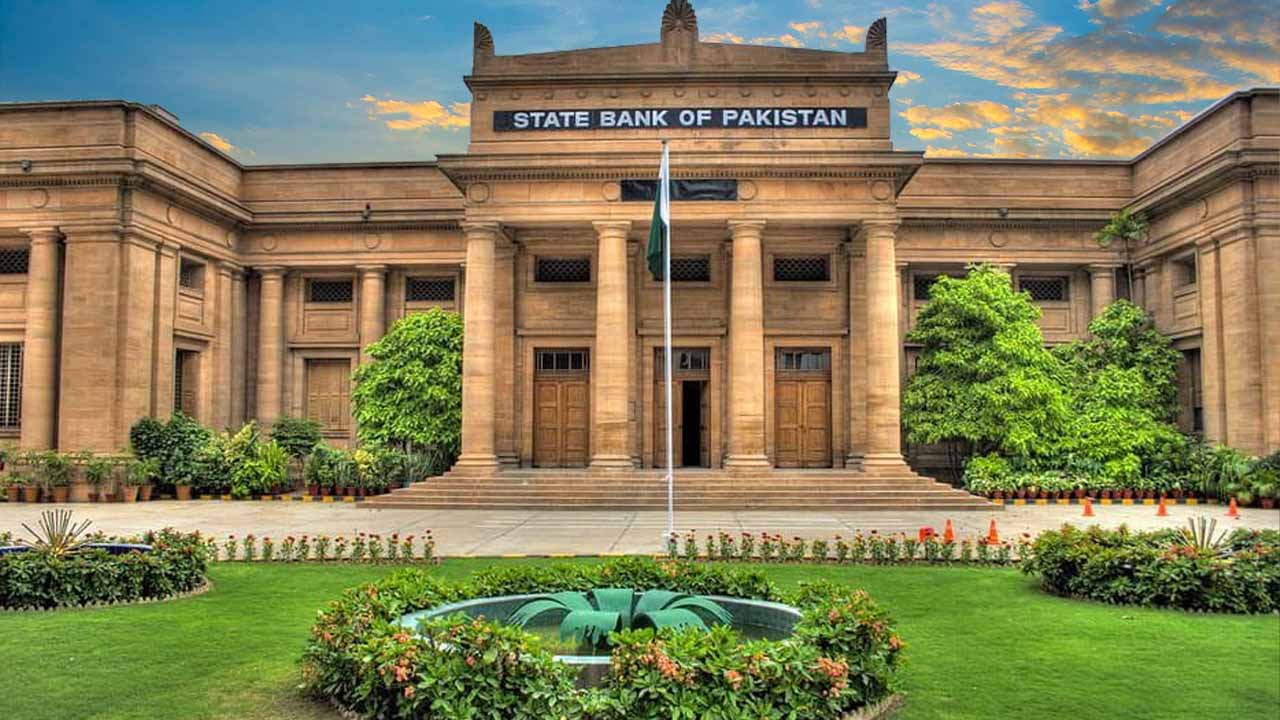
    The State Bank of Pakistan (SBP) has reported a decrease in its foreign exchange reserves, as reflected in data released on Thursday. The reserves fell to a total of $2.92 billion, marking a reduction of $170 million.

    According to the recent data, the current level of reserves held by the bank has reached its lowest point since February 2014.

    The country’s total liquid foreign reserves were reported to be at $8.54 billion, according to the latest data. Meanwhile, commercial banks in the country held net foreign reserves of $5.62 billion.

    “During the week ended on February 3, 2023, SBP’s reserves decreased by $170 million to $2,916.7 million due to external debt repayments,” the SBP said in a statement.

    The State Bank of Pakistan (SBP) experienced a substantial decrease in its foreign exchange reserves last week, declining to $3.09 billion, a drop of $592 million. This represents the lowest level of reserves for the central bank since February 2014. The current level of reserves falls below one month’s worth of import coverage.

    The depletion of the central bank’s reserves, which stood at nearly $18 billion at the beginning of 2022, highlights the pressing need for Pakistan to move forward with the next review of its International Monetary Fund (IMF) program.

    These declining reserves serve as a reminder of the economic challenges facing the country and the importance of addressing them in a timely and effective manner.

  • Rs170 billion in taxes to be imposed through mini-budget for revival of IMF loan program

    The Minister of Finance, Ishaq Dar, has announced that the talks between Pakistan and the International Monetary Fund (IMF) have concluded positively. In order to revive the loan program, the government will be required to implement a mini-budget, which includes collecting approximately Rs170 billion in taxes.

    During a media briefing, the finance minister confirmed receipt of the draft of the Memorandum of Economic and Financial Policies (MEFP) from the IMF based in Washington. At the outset of his media address, the minister emphasized that the current government is continuing to implement the program signed by former Prime Minister Imran Khan with the IMF in 2019-2020, and that the talks are being held as a “sovereign commitment” under the leadership of Shehbaz Sharif.

    “This is an old agreement which had been suspended and delayed previously,” he noted. 

    Regarding the discussions between Pakistan and the IMF mission, the finance minister stated that the talks, which lasted for ten days, were comprehensive and covered a range of topics including the power and gas sectors, as well as the fiscal and monetary aspects.

    “The SBP governor and officials from different departments and ministries participated in the talks,” said Dar.

    Finance Minister Ishaq Dar has shared details of the agreement reached with the IMF regarding the country’s financial situation. The finance minister confirmed that taxation measures of Rs170 billion will be taken, dispelling rumors of a larger figure of Rs700-800 billion.

    Dar highlighted that reforms in the energy sector will be a key focus, aimed at curbing the flow of circular debt, particularly in the gas sector where efforts will be made to bring the circular debt to zero and minimize untargeted subsidies.

    The minister acknowledged that some of the reforms suggested by the IMF are beneficial for Pakistan and emphasized the need for reforms in the country. He added that Prime Minister Shehbaz Sharif has assured the IMF of the government’s commitment to implement the necessary reforms.

    As per the standard procedure, a MEFP and a letter of intent are given. “The government has received the MEFP draft this morning and we will go through it on the weekend. A virtual meeting with the IMF will be held after that on Monday,” he added.

    “We believe that there are some sectors that need to be reformed in Pakistan’s interest,” he said.

    The Minister of Finance, in a statement, indicated that the country’s economy is facing significant challenges, with its current ranking standing at 47. The minister attributed the economic struggles to poor governance and mismanagement, and emphasized the need to address and rectify the situation.

    In reference to the power sector, the finance minister noted that a large portion of the national budget, approximately Rs3,000 billion, is spent on electricity generation, however, the recovery rate for these expenditures is only Rs1,800 billion. This highlights the pressing need for reforms and improvements in the sector to enhance efficiency and ensure sustained economic growth.

    “Even though these reforms are painful but we will have to implement them,” he maintained.

    He said that the government had decided that Pakistan will complete the IMF’s programme for the second time.

    “Pakistan will get $1.2 billion after the approval of IMF’s Executive Board.”

    The Minister of Finance announced that it has been determined to increase the budget of the Benazir Income Support Program (BISP), bringing it to a total of Rs400 billion. This increase is aimed at mitigating the impact of inflation on the most vulnerable segments of society.

    Regarding the declining foreign currency reserves, the minister provided reassurance that efforts are underway to boost them. The minister credited the State Bank of Pakistan (SBP) with managing the situation and noted that support from friendly countries has also been secured through commitments.

    “Pakistan had made big payments to countries during this time, and once the programme is finalised, we will get the amount back,” said Dar.

    The Minister of Finance criticized the previous administration for the credibility gap in the country’s reputation, stating that the lack of trust from the IMF is a result of the previous government’s failure to implement reforms, and even reversing them during a period of political instability.

    “This has negatively portrayed Pakistan’s image and this has affected the recent talks as [the IMF] is not sure if we would agree to it,” he added.

    He added that the government refused to impose sales tax on petrol and the IMF conceded it. “It was mutually agreed that there will be no sales tax on petroleum products,” he said. He added that the general sales taxes will be added to the Rs170 billion.

    Dar said that it is necessary to recover Rs170 billion in taxes within the current fiscal year, within a period of four months.