Category: Business

  • Pakistan impresses IMF with speedy implementation of agreed measures

    Pakistan impresses IMF with speedy implementation of agreed measures

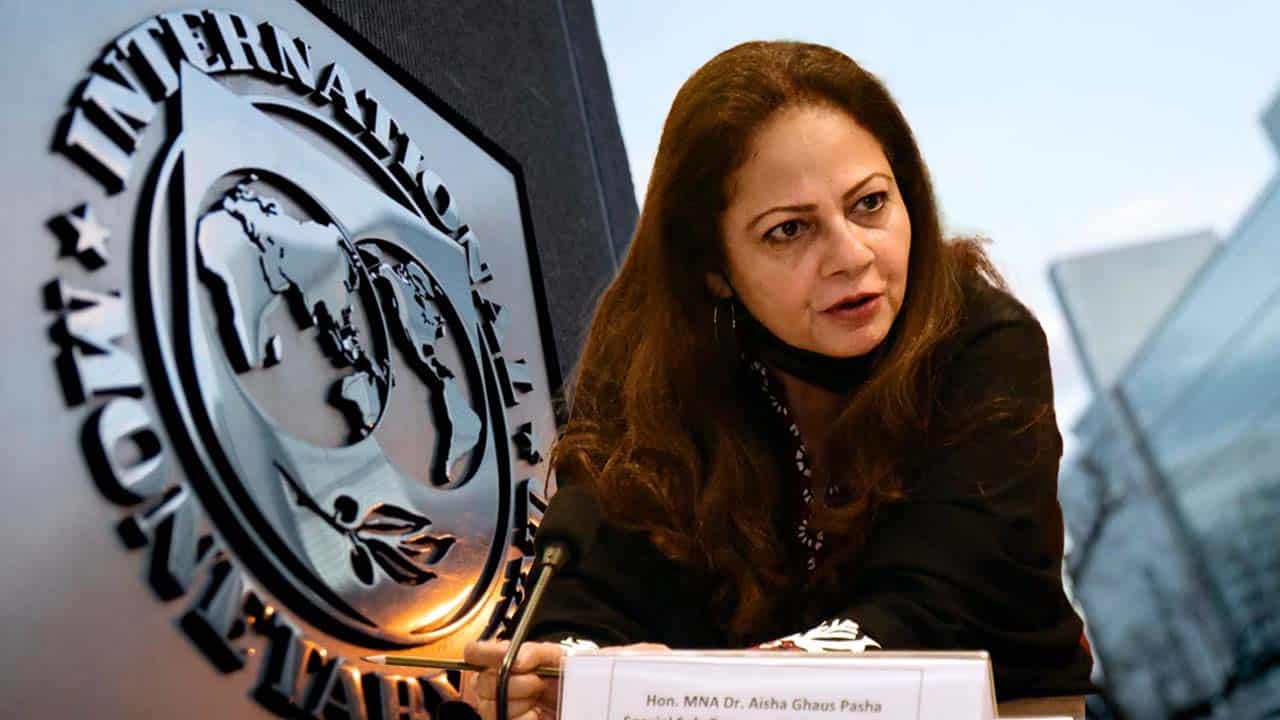
    During a press conference at the Parliament House on Thursday, Aisha Ghaus Pasha, the Minister of State for Finance and Revenue, announced that the International Monetary Fund (IMF) is not only satisfied with the Pakistani government’s measures to generate an additional Rs170 billion in revenue through the supplementary finance bill, but is also surprised by the speedy implementation of the agreed measures.

    The revenue measures, which were agreed upon with the IMF, have already been put in place. Pasha added that the IMF is also engaged with Pakistan’s friendly countries, including Saudi Arabia, the UAE, and China, with respect to the country’s external financing needs and will update the Executive Board accordingly.

    The minister further stated that discussions with friendly countries on external financing are ongoing, and progress is being made. Virtual talks with the IMF are expected to be held late Thursday night to discuss the Memorandum of Economic and Financial Policies (MEFP), and the government has submitted further clarification to the draft of the MEFP. Pasha noted that the finalization of the MEFP would not take a long time.

    Pasha had earlier briefed the Senate Standing Committee on Finance and shared that the culture of giving subsidies in Pakistan is an old one that needs to end.

    Senator Mohsin Aziz suggested that instead of increasing taxes on luxury items, a ban should be imposed on their import to prevent smuggling. Pasha explained that the government had first considered a total ban on luxury item imports, but the WTO, the IMF, and other international agencies were against it.

    While agriculture income tax is a provincial matter, Pasha emphasized that the sector needs to contribute to the economy. She also stated that, as part of the austerity measures, a scheme is under consideration to enforce the manufacturing of electric vehicles, and the government is deliberating on the financing mode to bridge the gap. Overall, the government has worked quickly on implementing prior actions and commitments to the IMF program.

  • Rev up your budget: Atlas Honda hikes motorcycle prices by up to Rs35,000 amid economic crisis

    Rev up your budget: Atlas Honda hikes motorcycle prices by up to Rs35,000 amid economic crisis

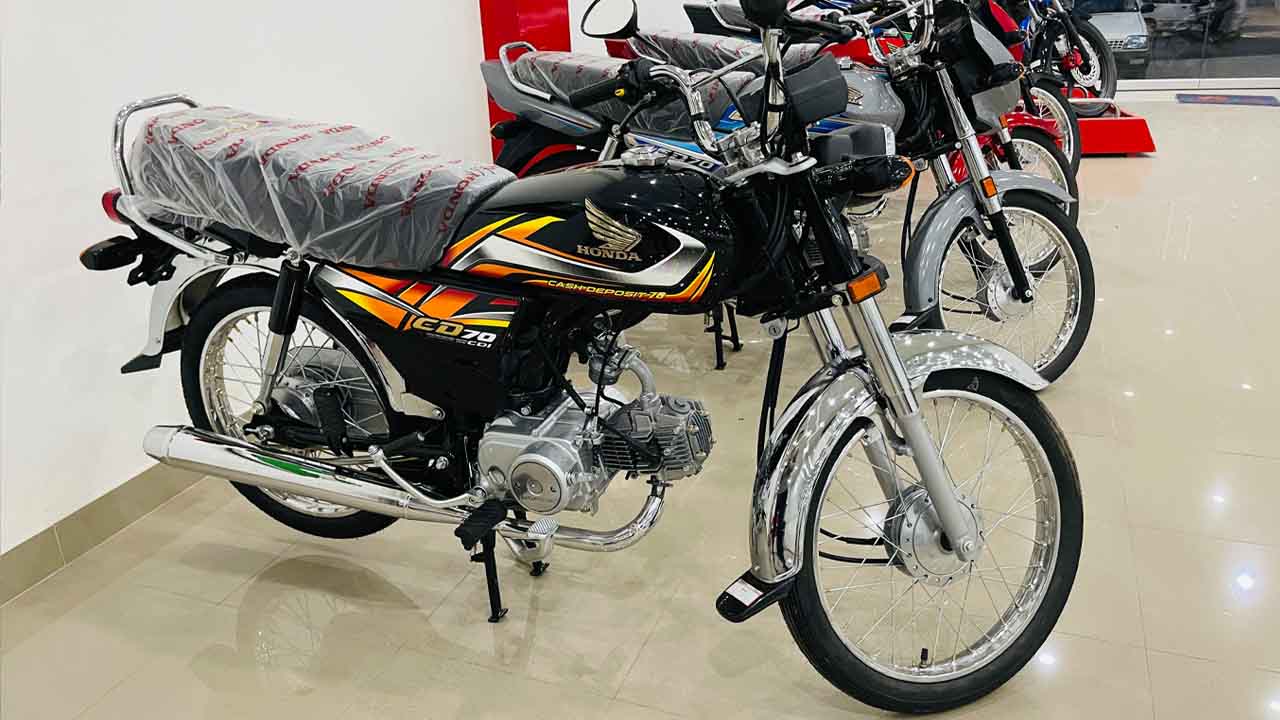
    The two-wheeler segment’s largest player in Pakistan, Atlas Honda, has raised motorcycle prices following a significant hike in car prices.

    This marks the company’s second rate hike in February, as they already increased the prices of their motorcycles by an amount ranging between Rs7,400 and Rs30,000 earlier this month.

    The new prices became effective on February 15.

    ModelOld Prices (Rs)New Prices (Rs)Hike (Rs)
    CD 70128,900137,9009,000
    CD 70 Dream137,900147,5009,600
    Pridor170,900181,50010,600
    CG 125194,900205,90011,000
    CG 125 Special Edition230,900243,90013,000
    CB 125 F303,900330,90025,000
    CB 150 F383,900418,90035,000
    CB 150 F SE387,900422,90035,000
    Latest Honda Bike Price Feb 2023

    During the Finance (Supplementary) Bill 2023, Finance Minister Ishaq Dar announced a rise in the general sales tax (GST) rate to 18%, which is expected to lead to price hikes for various industries and sectors.

    Amidst Pakistan’s ongoing economic crisis, the automobile sector has been significantly impacted due to the depletion of foreign exchange reserves and a weakening rupee, leading to issues with opening letters of credit.

  • Pakistan’s forex reserves increase by 9%, cross $3 billion mark

    Pakistan’s forex reserves increase by 9%, cross $3 billion mark

    After declining for three weeks in a row and losing a cumulative $1,685 million during that period, the foreign exchange reserves held by the State Bank of Pakistan (SBP) have rebounded, according to a statement from the central bank.

    As of February 10, SBP’s foreign currency reserves totaled $3,192.9 million, which is up $276 million from the previous week. This increase represents a gain of over 9 per cent and has broken the streak of declining reserves.

    However, even with this increase, the amount is still only enough to cover one month of imports. Meanwhile, the net forex reserves held by commercial banks are $5,509.3 million, which is $2,316.4 billion more than SBP, bringing the total liquid foreign reserves of the country to $8,702.2 million. The statement did not provide a specific reason for the increase in SBP-held reserves.

    Pakistan’s economy is in dire straits due to a balance-of-payments crisis, political chaos, and deteriorating security. The government has banned all but essential food and medicine imports until it receives a crucial loan tranche from the International Monetary Fund (IMF), which could unlock other sources of funding for the country.

    Inflation has risen sharply, the rupee has declined, and the country is struggling to afford imports, which has caused a severe decline in its industry. Pakistan is no longer issuing letters of credit, except for essential food and medicine, since January, which has led to a backlog of raw material imports that the country can no longer afford.

    According to Geo, the rupee devaluation and the logjam have resulted in a significant decline in manufacturing, including textiles and steel, and building projects.

    While the IMF cash injection alone will not be enough to rescue Pakistan, the government hopes that it will boost confidence and pave the way for other friendly countries like Saudi Arabia, China, and the UAE to offer additional loans.

  • From soap to air tickets: What’s getting costlier after mini-budget?

    From soap to air tickets: What’s getting costlier after mini-budget?

    The Federal Board of Revenue (FBR) has issued an SRO to increase the standard 17 per cent general sales tax (GST) to 18 per cent, which will collect taxes worth Rs115 billion. The remaining Rs55 billion will be generated through other measures mentioned in the Finance (Supplementary) Bill 2023.

    The top tax collection authority stated in the notification that the 18 per cent GST would be applicable to consumer packaged goods, which include various items used in everyday life.

    Following the increase in GST, the following items will experience a hike in their prices:

    • Biscuits
    • Jam
    • Jelly
    • Noodles
    • Edible oil
    • Coffee
    • Chocolates
    • Make-up
    • Shampoos
    • Creams
    • Lotion
    • Soap
    • Toothpaste
    • Hair colour
    • Hair removal cream
    • Hair gel
    • Shaving foam
    • Shaving gel
    • Shaving cream
    • Shaving blades
    • Computers
    • Laptops
    • Electronic gadgets
    • Smartphones
    • iPods
    • TVs
    • LEDs
    • LCDs
    • Juicers
    • Blenders
    • Other electronic machinery
    • Car shampoos
    • Car polishes
    • Perfumes
    • Children’s toys

    In addition to the aforementioned actions, the government intends to raise the Goods and Services Tax (GST) on luxury items from 17 per cent to 25 per cent. The Federal Excise Duty (FED) on first and business class air tickets will be increased to either Rs20,000 or 50 per cent, whichever amount is higher.

    Marriage halls will be subject to a ten percent withholding adjustable advance income tax, and the FED on soft drinks, sugary drinks, and cement will also be increased.

  • Saying ‘qabool hai’ just got more expensive: Mini-budget proposes increased tax rates on weddings, related events

    Saying ‘qabool hai’ just got more expensive: Mini-budget proposes increased tax rates on weddings, related events

    The Finance (Supplementary) Bill, 2023 proposes to reintroduce advance tax on functions and gatherings, requiring a tax withholding of 10 per cent for filers and 20 per cent for non-filers.

    The tax rate will be applied to the total amount of the bill from the individual or entity hosting the function, whether it is in a marriage hall, marquee, hotel, restaurant, commercial lawn, club, community place, or any other location used for such purposes.

    If the food, service, or any other facility is provided by another person, the host must also collect advance tax on the payment for such items at a rate of 10 per cent for filers and 20 per cent for non-filers. This tax will be adjustable against income subject to the normal tax regime and refundable if it cannot be adjusted.

    The proposed supplementary finance bill has introduced advanced tax on air tickets, marriage halls, hotels, commercial lawns, marquees, and clubs. Additionally, a 10 per cent advance tax will be levied on wedding ceremonies. Duty on business and first-class air travel has also been increased.

    The bill also suggests a 10 per cent hike in the tax on the retail price of beverages. Furthermore, the FED on cement will increase from Rs1.5 to Rs2 per kg after a proposed rise of 50 paisas per kg.

    The supplementary finance bill has also proposed an increase in the FED on cigarettes.

    • The proposed supplementary finance bill suggests a tax of Rs16,500 per 1,000 cigarettes for the tier 1 category, and Rs5,050 per 1,000 cigarettes for the tier 2 category.
    • The bill proposes a 10 per cent tax on sugary juices, syrups, squashes, and artificial sweeteners, and an 18 per cent GST on the retail prices of all items.
    • Imported mobile phones worth more than $500 will see an increase in GST from 17 per cent to 25 per cent.
    • The same 25 per cent rate will be applicable to all luxury goods.
    • The bill proposes a levy of 20 per cent or Rs50,000 FED for air tickets.
    • No additional tax will be applied to wheat, rice, milk, pulses, vegetables, fruits, fish, eggs, meat, or poultry.
    • Real estate or property will not be subject to any tax in the mini budget.
    • The document proposes an increase in the monthly stipend for beneficiaries of the Benazir Income Support Program, with the program’s budget increased by 40 per cent.
  • Imported mobiles priced above $500 to become more expensive under proposed GST of 25%

    Imported mobiles priced above $500 to become more expensive under proposed GST of 25%

    The Federal Board of Revenue (FBR) has put forward a proposal to significantly augment the sales tax on imported mobile phones.

    This proposal is part of the Finance (Supplementary) Bill, 2023, which incorporates amendments to the Ninth Schedule of the Sales Tax Act 1990, specifically focusing on mobile phones.

    As per the proposed bill, a sales tax of 25 per cent would be applicable on premium mobile phones that are imported and have a value of more than Rs132,000 ($500).

    The proposed amendment entails an increase in sales tax from 17 per cent to 18 per cent for imported mobile phones with an import value ranging from Rs53,000 ($200) to Rs132,000 ($500).

    It is noteworthy that this range includes two distinct categories within the Ninth Schedule, namely $200-$350 and $350-$500.

    It has been announced that the sales tax rate for imported mobile phones with a value up to $200 will remain unchanged. No proposed changes have been put forward for this import value category.

  • Govt increases petrol price by Rs22 to a historic high of Rs272 per litre

    Govt increases petrol price by Rs22 to a historic high of Rs272 per litre

    In an effort to satisfy the International Monetary Fund (IMF) and secure a crucial loan tranche, the federal government has raised the price of petrol to a historic high. This move comes mere hours after the introduction of a tax-laden “mini-budget”.

    Petroleum division confirmed that the price of petrol has increased by Rs22.20 to reach Rs272 per litre, citing the devaluation of the rupee relative to the dollar as the primary reason for the surge.

    The revised petrol prices are effective from 12 am tonight.

    Following an increase of Rs17.20, the cost of high-speed diesel has risen to Rs280 per litre. Similarly, kerosene oil is now priced at Rs202.73 per litre after a hike of Rs12.90, while light diesel oil is available at Rs196.68 per litre after an increase of Rs9.68.

    It is noteworthy that the surge in the prices of petroleum products was a requirement set by the lending organization based in Washington, which could result in a further escalation of the already record-high inflation. This development is compounded by the recent implementation of new fiscal measures via the ‘mini-budget’.

  • Ishaq Dar presents mini-budget in National Assembly to meet IMF conditions

    Ishaq Dar presents mini-budget in National Assembly to meet IMF conditions

    A crucial tax amendment bill to fulfil the conditions of the International Monetary Fund (IMF) to revive a stalled loan programme that the country needs to stave off default was presented in both houses of parliament on Wednesday.

    Finance Minister Ishaq Dar introduced the Finance (Supplementary) Bill 2023 first in the National Assembly and then in the Senate.

    The Pakistani government approved a proposal last night to increase the general sales tax (GST) rate from 17 to 18 per cent and to raise the Federal Excise Duty (FED) on cigarettes. The aim is to generate an additional Rs115 billion out of Rs170 billion, which was agreed upon by Pakistan in accordance with the IMF conditions.

    Through the implementation of the “mini-budget,” led by the Pakistan Democratic Movement (PDM)-led government, the country intends to reduce the budget deficit and enhance its tax collection efforts to meet the conditions set by the IMF, a Washington-based lender.

    The National Assembly will not be referring the bill to the Standing Committee on Finance and Revenue for further review, while the Senate has sent the legislation to the relevant committee. Officials at the Ministry of Finance have stated that they anticipate the bill to be passed by Thursday morning, which will allow for the receipt of funds not only from the IMF but also from other multilateral and bilateral sources.

    Last week, Pakistan and the International Monetary Fund (IMF) were unable to reach an agreement, and the visiting IMF delegation left Islamabad after 10 days of talks. However, negotiations are set to continue. The Pakistani economy, valued at $350 billion, is in dire need of financial assistance as it grapples with a severe economic crisis.

    In an effort to appease the IMF, the government initially intended to implement the fiscal measure via an ordinance. However, President Dr Arif Alvi recommended that the administration obtain the parliament’s approval instead.

    During his address to the lower house, Finance Minister Dar highlighted the unprecedented crises the nation is currently facing due to the “substandard” policies of the Pakistan Tehreek-e-Insaf (PTI) government. In contrast, the country had experienced economic growth during the previous government led by the Pakistan Muslim League-Nawaz (PML-N), during which the Gross Domestic Product (GDP) had increased by $112 billion.

    “The PML-N always tries to take fewer loans. Foreign investment had also increased during PML-N’s tenure. In contrast, during the PTI’s government, the loans hit record highs, and a common man’s income also plunged.”

    According to Geo, the finance minister stated that in addition to the challenges that the current government is confronting as a result of the Pakistan Tehreek-e-Insaf’s (PTI) policies, the country suffered losses exceeding $8 billion due to last year’s floods.

    “But, we should always prefer the state over politics,” he reiterated — the mantra that PDM leaders have time and again propagate as they face an uphill task on the economic front.

    This is a developing story…

  • ‘Extreme volatile situation of Pakistani rupee’ forces Toyota to announce third price hike of 2023

    ‘Extreme volatile situation of Pakistani rupee’ forces Toyota to announce third price hike of 2023

    Indus Motor Company (IMC), the manufacturer of Toyota vehicles in Pakistan, has increased prices for its CKD vehicles lineup by upto Rs890,000.

    The price hike has been attributed to “economic uncertainties and volatility of Pakistani rupee”, according to a notice sent to dealer principals, CEOs, and sales heads by the company.

    Below are the new prices:

    VariantOld Price (Rs)New Price (Rs)Increase (Rs)
    Yaris GLI MT 1.34,079,0004,279,000200,000
    Yaris GLI CVT 1.34,339,0004,549,000210,000
    Yaris ATIV MT 1.34,309,0004,519,000210,000
    Yaris ATIV CVT 1.34,529,0004,749,000220,000
    Yaris ATIV X MT 1.54,649,0004,869,000220,000
    Yaris ATIV X CVT 1.54,929,0005,169,000220,000
    Corolla Altis X MT 1.65,269,0005,529,000260,000
    Corolla Altis 1.6 X CVT-i5,749,0006,059,000310,000
    Corolla Altis 1.6 X CVT-i SE6,319,0006,659,000340,000
    Corolla Altis Grande X CVT-11.8 Beige6,609,0006,939,000330,000
    Corolla Altis Grande X CVT-i1.8 Black6,649,0006,979,000330,000
    Revo V AT 2.812,239,00012,859,000620,000
    Revo V AT Rocco12,899,00013,559,000659,100
    Fortuner 2.7 G Petrol13,419,00014,109,000690,000
    Fortuner 2.7 V Petrol15,359,00016,159,000800,000
    Fortuner 2.8 Sigma 4 Diesel16,189,00017,029,000840,000
    Fortuner Legender Diesel17,069,00017,959,000890,000

    The notice explained that the current volatile situation of Pakistani rupee against the US dollar has adversely affected the manufacturing cost of IMC, making it extremely difficult for the company to hold the current indicative retail selling prices.

    Hence, the company has decided to pass on some impact to the market. The notification stated that the prices are subject to change and prices prevailing at the time of delivery shall continue to be applicable on all orders.

    Any change in government levies and taxes (including federal excise duty, sales tax, and CVT, etc), tariffs, fiscal policies, import policies, etc., will be borne by the customers. This is the third time since January 2023 that the company has raised the prices of its CKD vehicles lineup.

    The first price hike was introduced on January 12, followed by another price increase later last month. The auto industry has been significantly impacted in recent months, with companies shutting down production plants due to the unavailability of imported raw materials and restrictions imposed by the government to curb imports.

  • Petrol, diesel prices expected to increase by more than Rs32 per litre from tomorrow

    Petrol, diesel prices expected to increase by more than Rs32 per litre from tomorrow

    The prices of petroleum products are expected to increase by more than Rs32 per litre from February 16th, due to fluctuations in the US dollar exchange rate. The current price of petroleum, oil and lubricants is set at Rs236.40 per dollar, which equates to Rs271.82 for the next fortnight. It’s worth noting that free-on-board Platt prices have seen a decline when compared to last fortnight’s pricing.

    Official and industrial sources have indicated that the price of Mogas is expected to increase by 12.8 per cent per litre, or by Rs32.07, resulting in a new price of Rs281.87 from the previous price of Rs249.8 per litre. The price of diesel is also set to rise by 12.5 per cent, or by Rs32.84, to reach Rs295.64 per litre, up from the previous price of Rs262.8 per litre.

    Kerosene oil is predicted to increase by 14.8 per cent, or by Rs28.05, bringing the new price to Rs217.88 per litre. Additionally, light diesel oil (LDO) could go up 5.3 per cent, or by Rs9.90, resulting in a new price of Rs196.90 per litre from Rs187 per litre set in the last review.

    According to The News, based on current government taxes and estimated Pakistan State Oil (PSO) incidentals, the prices mentioned above are projected. However, there is a possibility of the government adjusting the exchange rate to over Rs251, which could result in an increase of Rs15 per litre for both Mogas and diesel products. Moreover, the petroleum levy for diesel, currently standing at Rs40, may increase by Rs10 to reach Rs50 from February 16th.

    The government had set a target of earning Rs850 billion by imposing a petroleum levy on petroleum, oil, and lubricants. However, there is an estimated shortfall of Rs250 billion, and the authorities are hoping to collect a revenue of Rs600 billion.

    It’s worth noting that the government had implemented a significant increase of Rs35 per litre from February 1st, 2023, until February 15th. Presently, the government is charging Rs50 per litre as a petroleum levy, and the general sales tax (GST) has not been imposed yet.

    According to an official, the losses incurred by the refineries and oil marketing companies (OMCs) due to the exchange rate will be eliminated in a phased manner, as the government does not wish to burden consumers with the entire exchange rate at once.

    The federal government’s last review of petroleum product prices took place on January 29, 2021.

    At present, Pakistan is experiencing a shortage of petrol, with the province of Punjab, which has the largest population, bearing the brunt of the crisis. Petroleum dealers have been blamed for the situation.

    Additionally, it has been alleged that hoarders are stockpiling petrol in anticipation of a price hike scheduled for February 15th (today).