Category: Business

  • Govt denies request for lower gas tariff

    Govt denies request for lower gas tariff

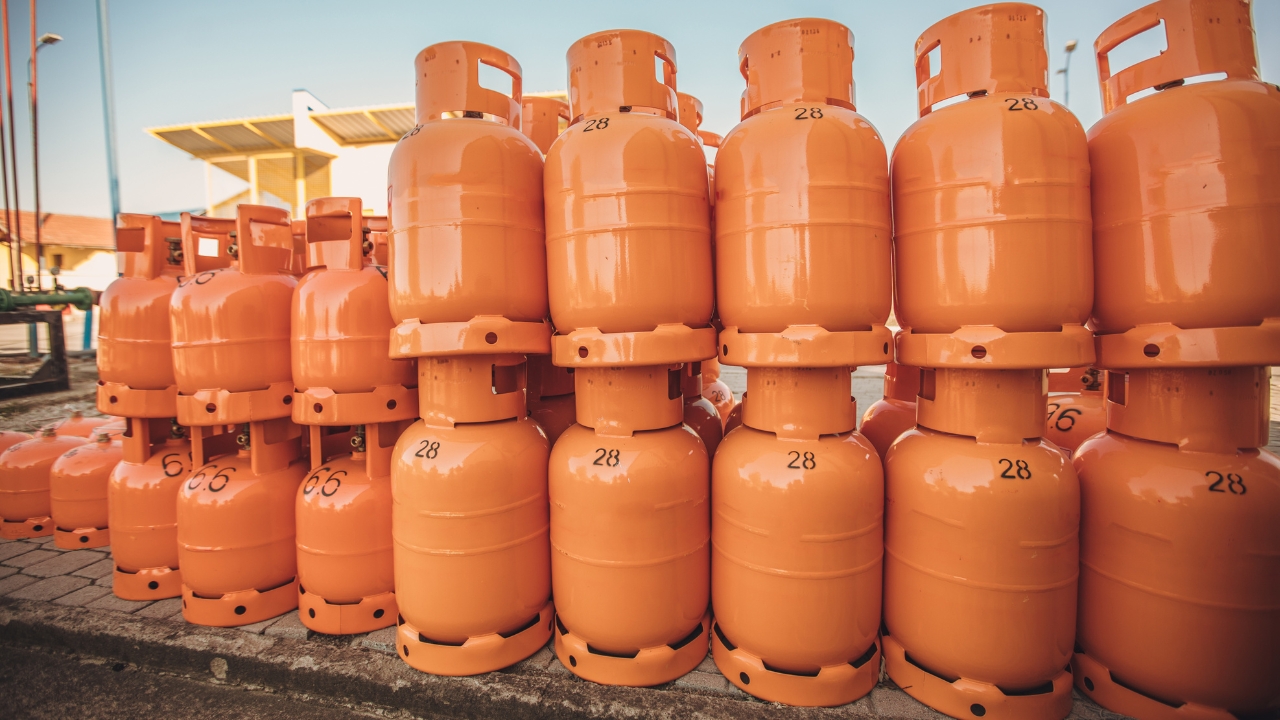
    The federal government has rejected a request for a lower tariff on gas, which would have allowed for export sectors to benefit, boosting competitiveness in the international market.


    As per the details, Economic Coordination Committee (ECC) authorities, during a recent meeting of the body, noted that concessionary tariffs on the sale of gas had already been exhausted in 2023. Authorities believed that granting tariff reductions to zero-rated and export sectors could result in other sectors requesting for similar concessions, reports said.

    The Ministry of Commerce told the meeting that Ghani Glass had in 2019 filed a petition in the Lahore High Court (LHC), asking that the concessionary gas and re-gasified liquefied natural gas (RLNG) tariff of Rs600 per mmBtu, already given to zero-rated and export-oriented sectors, be extended to them as well.

    According to reports, the petition named the Petroleum Division, Oil and Gas Regulatory Authority (OGRA), Sui Northern Gas Pipelines Limited (SNGPL) and the Federal Board of Revenue (FBR) as respondents, but the finance and commerce ministries were only added to the case on April 7, 2025.


    Reports said that the court ordered the finance ministry to work with the commerce ministry and other stakeholders to present Ghani Glass’s case to the ECC within 60 days. The goal was to design a fair policy that grants concessions only to genuinely export-oriented industries, rather than to entire sectors that include non-exporters.


    The court further directed the ECC to review, within the same 60-day period, Ghani Glass’s request for a tariff concession on Sui gas and RLNG, noting that glass had been unfairly excluded from the list of export-oriented sectors.


    Authorities were reportedly also instructed to determine whether Ghani Glass should receive the lower tariff starting from 2015, up to the period when similar benefits were extended to zero-rated and export-based industries.


    According to reports, the court asked the ECC to assess the glass industry’s export potential and its ability to generate foreign exchange while also considering whether it was reasonable to charge export-oriented industries in Pakistan higher energy prices than those faced by competitors abroad.


    As per the Commerce Division, the gas concession was originally given to sectors that made up a major share of Pakistan’s exports in 2011. At that time, the glass industry’s exports stood at only $15.9 million, which it described as insignificant. Based on the aforementioned facts, the Commerce Division told the ECC that Ghani Glass’s request for a tariff concession was not justified and recommended that it be rejected.
  • Diesel prices plummet by Rs12.84, petrol prices remain same

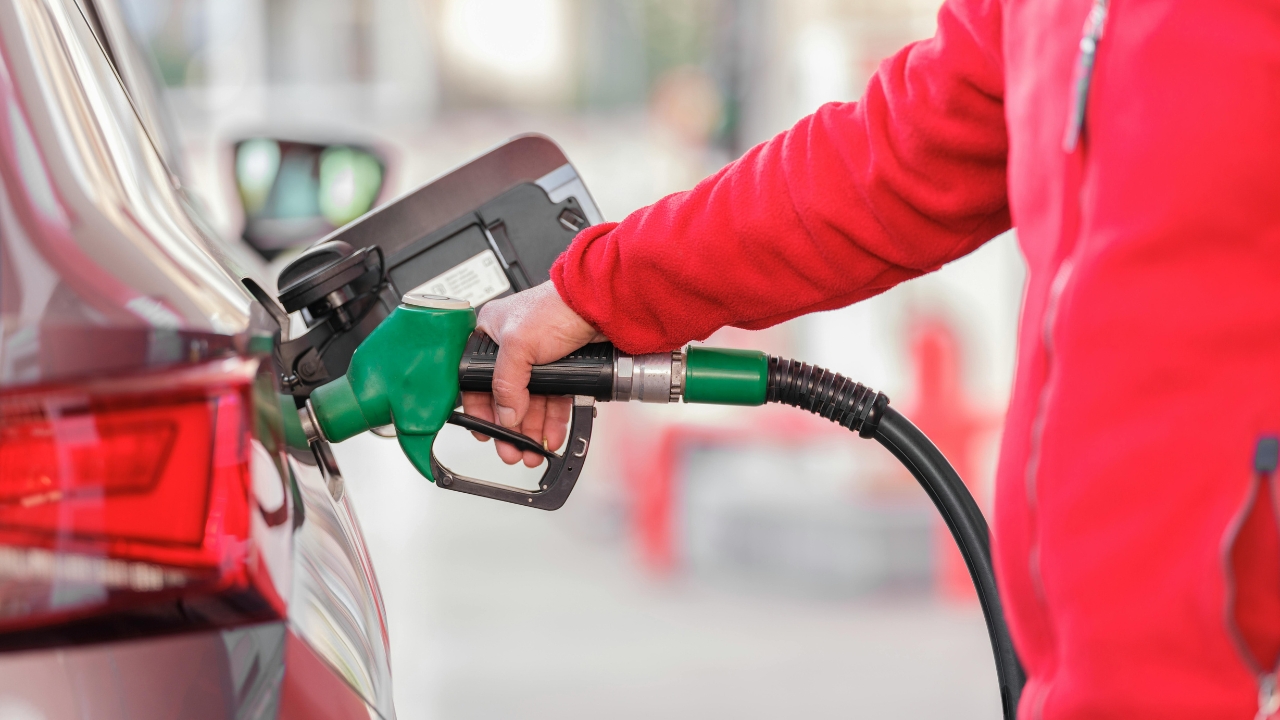
    Diesel prices plummet by Rs12.84, petrol prices remain same

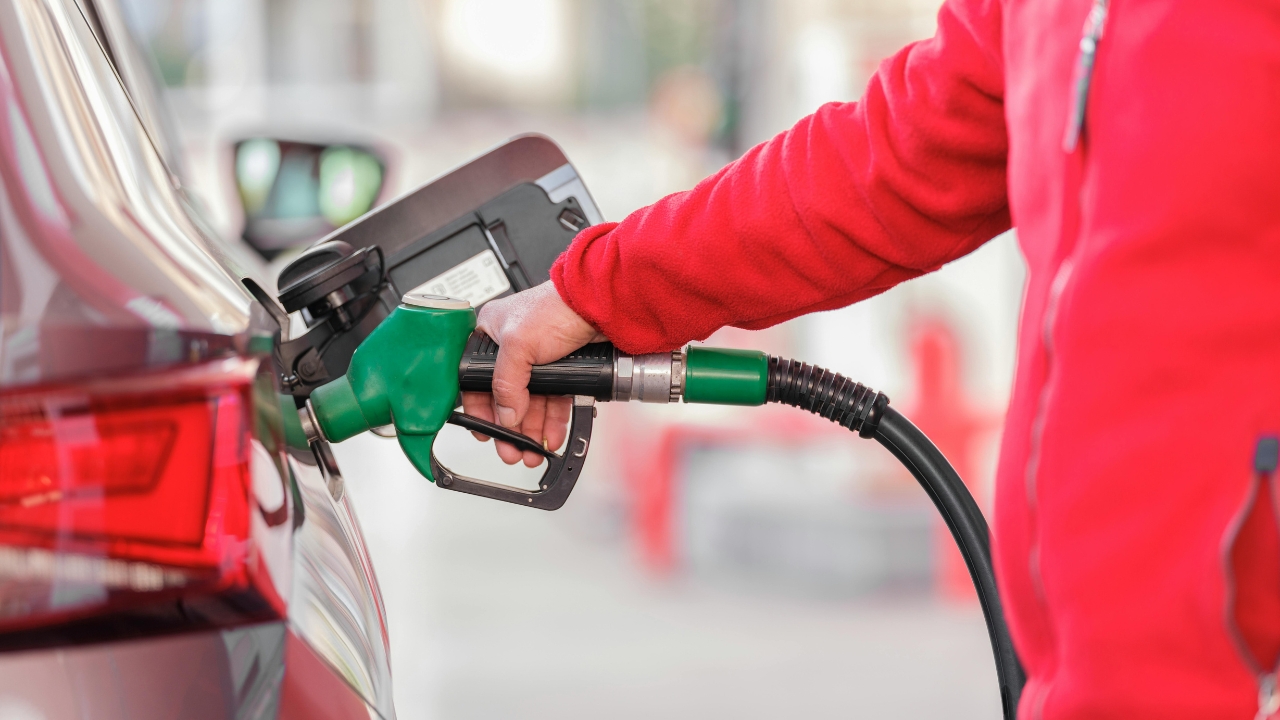
    High-speed diesel (HSD) prices for the next fortnight have been slashed by Rs12.84 per litre, according to a Finance Division notification issued on Friday. Petrol prices, however, remain unchanged despite earlier estimates suggesting a possible increase.

    The new prices took effect on Saturday, 16 August, and are reportedly based on recent exchange rate fluctuations and international market trends.


    The Rs12.84 per litre decrease in HSD prices translates to a fall of approximately 4.7 percent in the price of the commodity. The new price of HSD rests at Rs272.99 per litre while the price of petrol remains at Rs264.61 per litre.

    The federal government made the aforementioned changes to the price of petroleum products. It merits a mention that these changes were reportedly in line with recommendations made by the Oil and Gas Regulatory Authority (Ogra) and relevant ministries.

    Data from reports has revealed that over the past two weeks, the price of diesel in the international market has reportedly decreased by approximately $4.5 per barrel. Petrol prices during the same period logged a marginal increase instead, growing by 15 cents per barrel.

    According to reports from earlier this week, the rupee also recorded an increase in value, appreciating modestly against the dollar. For reference, an appreciation of the rupee makes it easier to purchase fuel domestically, as Pakistan is a net importer of petroleum-based fuels.


    Prior to the rate cut, the price of HSD stood at a staggering Rs285.83 per litre. The price of HSD had recorded a significant increase before the government reduced prices since May 15, HSD rates shot up by Rs27 per litre.

    Light diesel oil and Kerosene rates are projected to fall by approximately Rs8.2 per litre and Rs7.19 per litre, respectively. 

    However, the drop in HSD prices is likely to have the most noticeable impact on the economy as it lowers the operating costs for both the transport and agriculture sectors. The decrease may benefit the economy by helping lower food prices. HSD is widely used in agriculture to power tractors and other mechanised farming equipment.

    A decrease in HSD rates could also benefit the transport sector, given its reliance on fuel. For instance, the transportation sector has diesel as a primary input and thus requires vast quantities of the commodity. Lower HSD prices imply lower operational costs for businesses in the transportation sector.

  • Pakistan Crypto Council CEO recalls 2018 Bitcoin outlook as its price tops $124,000

    Pakistan Crypto Council CEO recalls 2018 Bitcoin outlook as its price tops $124,000

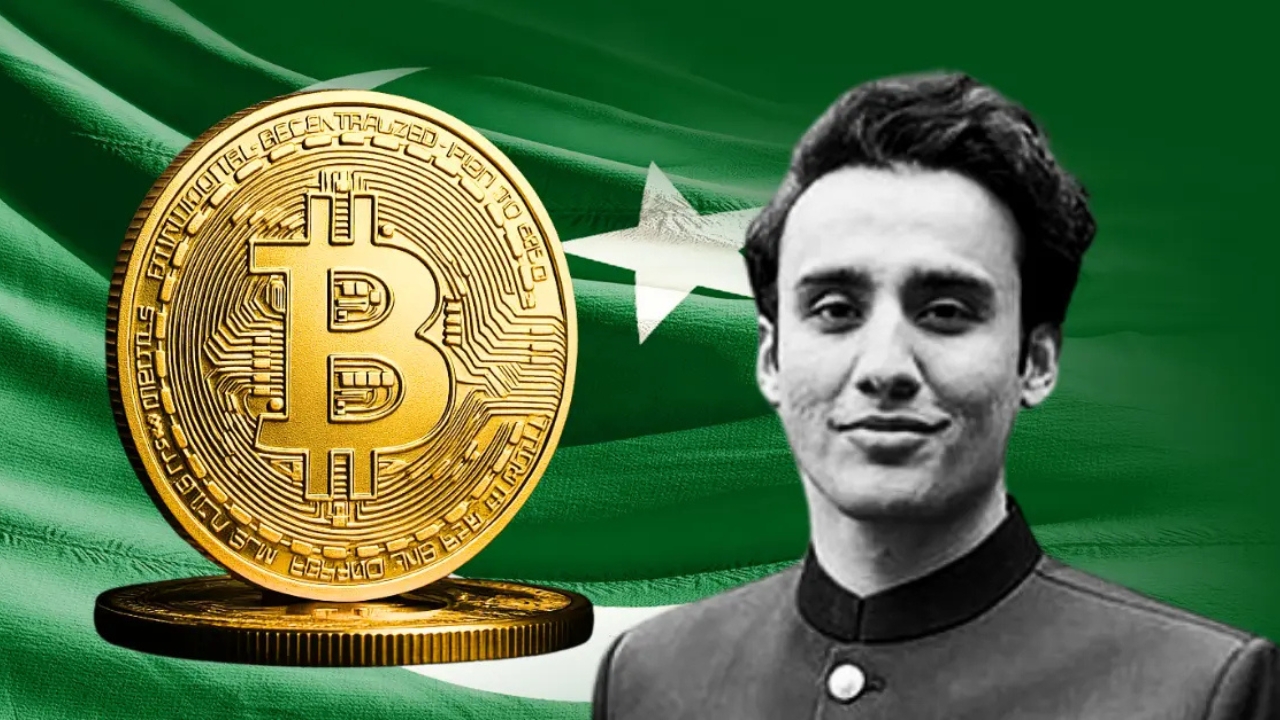
    Minister of State and Chief Executive Officer (CEO) of the Pakistan Crypto Council (PCC) Bilal bin Saqib took to social media to highlight the recent surge in Bitcoin’s (BTC) price. In his post on X (formerly Twitter), the PCC chief referred to a tweet he posted in 2018, expressing confidence that BTC’s value would not fall below the $8,000 support level.

    Seven years later, the price of bitcoin has skyrocketed to an astronomical $124,000, an all-time high which was achieved on Thursday, after which the price dipped slightly. According to the PCC’s CEO, BTC is now “leading Pakistan’s Bitcoin Strategic Reserve”. 

    The federal government has been taking strides to establish itself as a digital asset hub. These efforts include the launch of the PCC in March 2025, the creation of the regulatory body Pakistan Virtual Assets Regulatory Authority (PVARA), and the formation of the first-ever government-led Strategic Bitcoin Reserve at the ‘Bitcoin Vegas 2025’ in Las Vegas, United States.

    As per the PCC’s CEO, “2018’s overlooked asset became 2025’s crown jewel”. His statement holds merit as the value of bitcoin has surged by a staggering $116,000 since March 2018, translating into a whopping 1450 percent increase in the price of the cryptocurrency.

    Last week, the PCC’s CEO also revealed how he had been tracking Ethereum’s (ETH) explosive growth since 2018, a time when “most called it a scam”. Since then, ETH has witnessed a growth in value of 900 percent, as its value jumped from a conservative $430 to a respectable $4,300.

    He highlighted how “Pakistan is today’s undervalued play and the payoff will be far greater than anyone dares to imagine”. The PCC’s CEO’s statement is in line with earlier remarks made when Pakistan’s strategic bitcoin reserve was created, as he outlined how holding digital assets by the state was “not for sale or speculation, but as a sovereign reserve signalling long-term belief in decentralised finance.”

    If Pakistan manages to hold a sizable amount of crypto, its value could increase exponentially in the coming years. However, it merits a mention that the value of cryptocurrencies is highly volatile and is subject to large swings in prices. 

    For reference, the price of bitcoin fell by approximately $5,000 after hitting an all-time high on Thursday. As of publishing, one bitcoin is trading at a price of about $119,000.

    Netizens expressed great pleasure over Pakistan’s recent crypto developments, with one social media user believing that “Pakistan’s $BTC reserve will be talked about in textbooks one day”. Another user praised the PCC’s CEO for his work, suggesting that his efforts were “truly shaping a brighter future”.

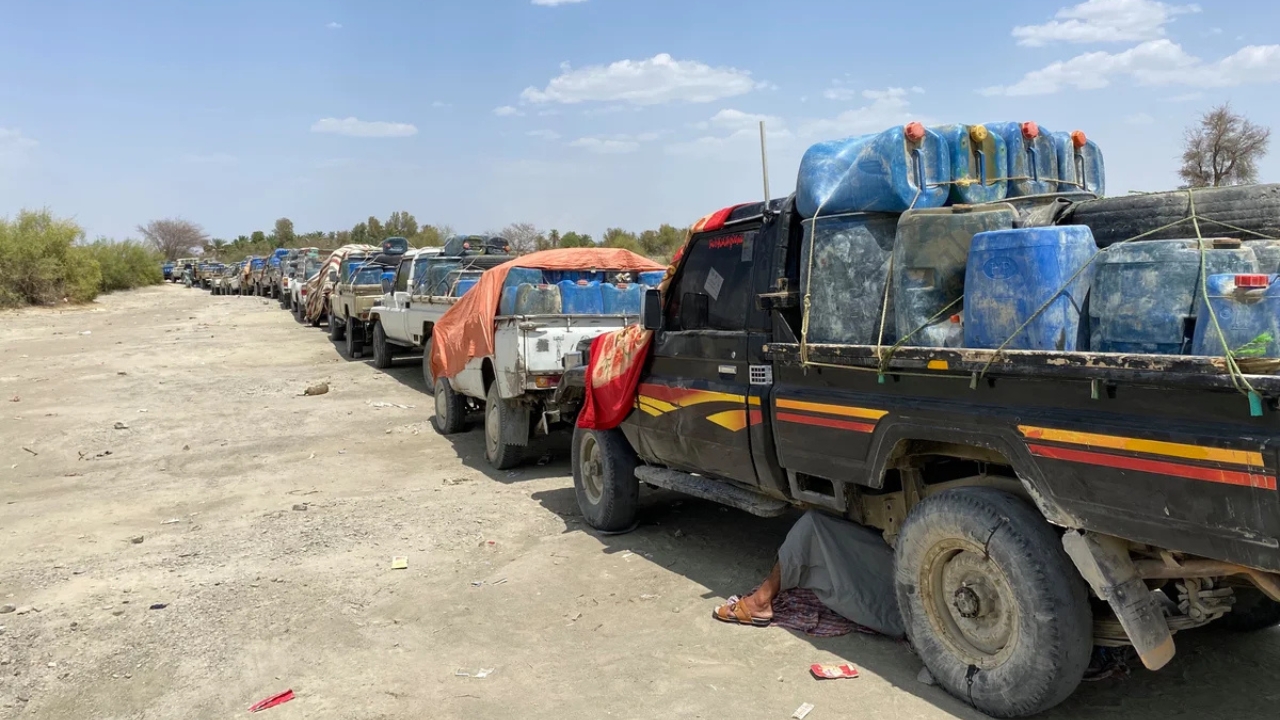
  • Govt introduces digital fuel monitoring to curb smuggling, end fuel black market

    Govt introduces digital fuel monitoring to curb smuggling, end fuel black market

    The government has decided to digitally track every litre of petroleum products at every step of the process to reduce petroleum theft, smuggling, adulteration and misappropriation. According to reports, authorities will track fuel in real-time, following processes related to import, refinement, storage, transit, and final sale.

    The National Assembly passed the Petroleum Amendment Act 2025 earlier this week, allowing authorities to monitor petroleum products through digital systems and with the help of enforcement agencies. This could lead to annual revenues potentially increasing by up to Rs500 billion.

    The amendment makes changes to the nine-decade-old Petroleum Act 1934.  Under the amendment, deputy and assistant commissioners will be given enforcement powers, such as seizing illegally stored or smuggled petroleum products. The Oil and Gas Regulatory Authority (Ogra) has reportedly engaged with market stakeholders to guarantee a seamless transition to the new system. 

    The amendment spells great news for domestic refineries and oil marketing companies, as oil and gas companies have been campaigning for a crackdown on smuggling, which hurts businesses that are compliant with the legislation.

    Fuel stations that purchase smuggled petroleum products evade taxes and duties, allowing for the generation of supernormal profits for all those involved in the malpractice.

    The new digital system is expected to encourage pump owners to comply with the law, as ensuring that every entity is subject to the same rules will reduce the incentive to avoid compliance. Moreover, the government has also decided to slap fines on petroleum businesses that engage in dishonest behaviour. 

    A Rs1 million fine on any company convicted of importing, storing, refining, moving or supplying illegally procured petroleum products. To discourage individuals from repeatedly engaging in the illegal sale of petroleum, those found to be violating the legislation repeatedly will have to face a larger fine of Rs5 million.

    Moreover, the owner of a facility with an invalid license will be liable to pay a Rs10 million fine to the government. Facility owners who possess an expired licence will be given six months to ensure their licences are renewed, after which they can be fined Rs1 million for non-cooperation.

    Any facility found to be storing or trading smuggled petroleum will be sealed immediately, along with a seizure of all assets. Reports reveal that such facilities will also face a fine of Rs100 million.

  • Diesel prices expected to witness Rs11.50 drop, petrol prices likely to rise

    Diesel prices expected to witness Rs11.50 drop, petrol prices likely to rise

    High-speed diesel (HSD) rates are expected to tumble by approximately Rs11.50 per litre in the upcoming fortnight, while petrol prices are projected to rise by about Rs1.40 per litre. The estimated change in fuel prices is reportedly based on recent exchange rates and international market movements.

    Reports indicate that the change will go into effect from August 16, after which prices will remain locked for two weeks. The Rs11.50 per litre decrease in HSD prices translates into a fall of four percent in the price of the commodity. Conversely, petrol prices are slated to witness an uptick of 0.5 percent.

    However, it merits a mention that the aforementioned price changes are projections and not final price revisions. The federal government reserves the right to make adjustments prior to locking fuel prices for the upcoming fortnight.  

    Data from reports has revealed that over the past two weeks, the price of diesel in the international market has reportedly decreased by approximately $4.5 per barrel. Petrol prices during the same period logged an increase instead, growing by 15 cents per barrel.

    As per reports, the rupee also recorded an increase in value, appreciating modestly against the dollar. For reference, an appreciation of the rupee makes it easier to purchase fuel domestically, as Pakistan is a net importer of petroleum-based fuels.


    Currently, the price of HSD stands at a staggering Rs285.83 per litre. The price of HSD has increased significantly since May 15, rising by approximately Rs27 per litre. In contrast, the ex-depot rate of petrol currently sits at Rs264.61 per litre but is expected to rise in the upcoming fuel price revision. 

    Light diesel oil and Kerosene rates are projected to fall by approximately Rs7 per litre and Rs6 per litre, respectively. However, the drop in HSD prices is likely to have the most noticeable impact on the economy.

    This is because a fall in HSD rates lowers the operating costs for both the transport and agriculture sectors. This decrease could have positive effects on the economy, as it could lead to a drop in food prices. HSD is widely used in agriculture to power tractors and other mechanised farming equipment.

    A decrease in HSD rates could also positively impact the transport sector, given its reliance on fuel. For instance, the transportation sector has diesel as a primary input and thus requires vast quantities of the commodity. Lower HSD prices imply lower operational costs for businesses in the transportation sector.

  • Public Accounts Committee to investigate bureaucrats’ alleged investments in Portugal

    Public Accounts Committee to investigate bureaucrats’ alleged investments in Portugal

    The Public Accounts Committee (PAC) of Pakistan’s National Assembly has expressed serious concern over recent remarks made by Defence Minister Khawaja Asif regarding bureaucrats reportedly making real estate investments in Portugal. The controversy began earlier this month when the Defence Minister publicly criticised the country’s bureaucracy for allegedly making fortunes and preparing to settle abroad.

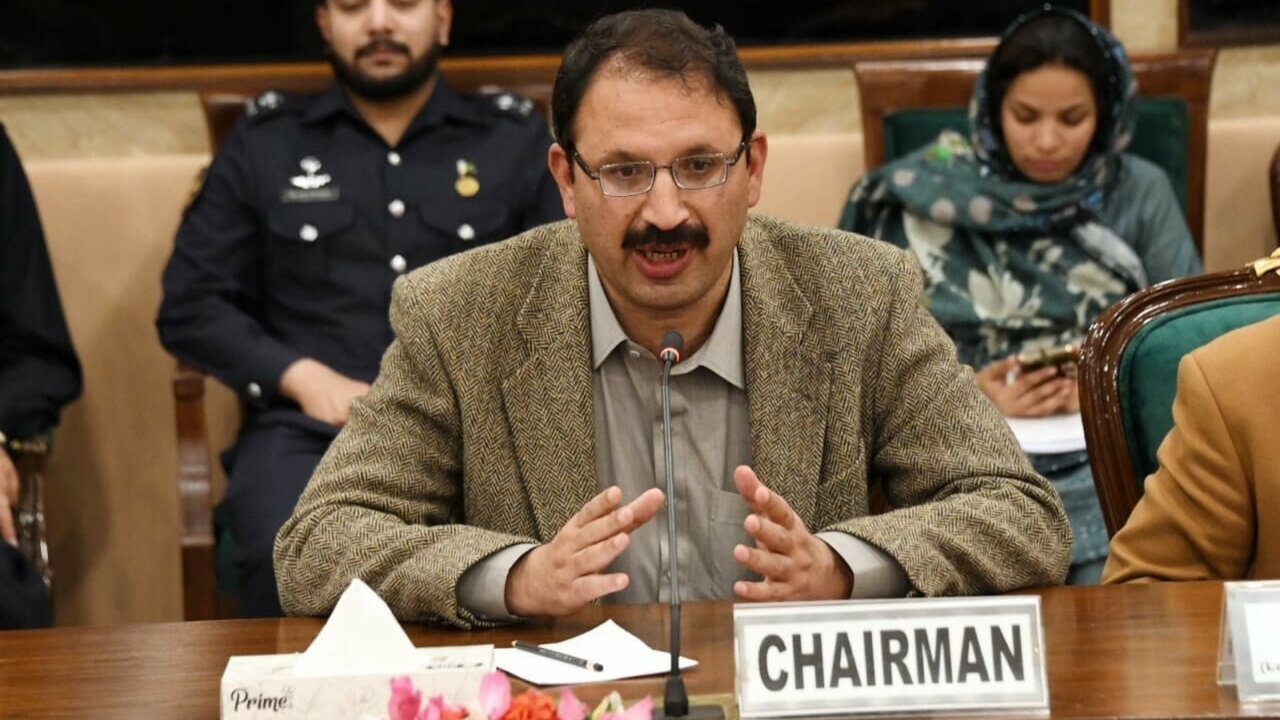
    Chaired by Junaid Akbar, the PAC chairman, the accounts committee resolved to summon officials from key government institutions, including the State Bank of Pakistan (SBP), the Federal Board of Revenue (FBR), the Ministry of Interior, and other relevant authorities, in its next session, to aid in the inquiry. Reports indicate that a briefing on the issue of bureaucrats purchasing property in Portugal will be provided in the next session. 

    As per the details, authorities aim to identify which bureaucrats may have acquired assets in foreign countries. Reports suggest that the PAC’s chairman intends to conduct a thorough review, as he outlined his intent to “obtain complete records to determine which bureaucrats have acquired plots,”.

    The PAC will look into allegations made by the defence minister, who, on August 5, took to social media platform X (formerly Twitter), claiming that more than half of Pakistan’s bureaucrats are purchasing property in Portugal, using funds that they had gathered via corruption.

    The Defence Minister highlighted the case of a bureaucrat closely linked to former Punjab Chief Minister (CM) Usman Buzdar. According to reports, he alleged that the official received a staggering Rs4 billion in cash gifts at his daughter’s wedding. For perspective, this amount, when converted into dollars, exceeds $14 million. 

    The Minister also suggested that such officials are accumulating wealth through questionable means and using it to secure a comfortable future outside Pakistan. He compared the conduct of bureaucrats to that of elected politicians, highlighting that while politicians remain directly accountable to voters and face regular elections, bureaucrats enjoy privileges that allow them to prepare for life abroad without public scrutiny. 

    He claimed that politicians, unlike many bureaucrats, typically do not hold foreign property or citizenship, outlining how bureaucrats are not held accountable for their misgivings.

    Condemning the reported behaviour of the bureaucracy, the defence minister stated that the bureaucracy “was polluting our land,” underlining his strong distaste for bureaucrats prioritising personal gain at the expense of public service.

    It merits a mention that the PAC also reviewed audit objections against the Ministry of Religious Affairs related to embezzlement cases amounting to tens of millions of rupees. Reports reveal details of a case in which an assistant accountant embezzled Rs12 million in remittances.

  • Five countries owe Pakistan $304.5 million: audit report

    Five countries owe Pakistan $304.5 million: audit report

    A recent audit report has revealed that five countries owe Pakistan a staggering $304.5 million. According to the report, these countries include Iraq, Bangladesh, Sri Lanka, Sudan and Guinea-Bissau.

    According to the details, Pakistan extended export credit to these countries as far back as the 1980s. The unpaid amount translates to over Rs86 billion, which, for reference, is over two times the Rs39.5 billion budget allocated for the Higher Education Commission (HEC) for fiscal year (FY) 2025-26.

    Data from reports that Iraq owes Pakistan the most, with Islamabad expecting $231.3 million in repayment. Sudan trails behind, owing Pakistan a hefty $46.6 million, while Guinea-Bissau owes Pakistan just $3.653 million.

    Bangladesh owes Pakistan $21.4 million, with no repayments made for cement and sugar plant projects. The Auditor General of Pakistan has advised using diplomatic channels to recover the funds.

    Efforts are reportedly underway to recover the funds, as officials from the Ministry of Economic Affairs are utilising joint ministerial committees and diplomatic channels to push for the recovery via the Foreign Office. As per the details, authorities have sent demand notices and reminder letters to all five countries to recover the unpaid amounts. 

    It merits a mention that authorities sent demand notices and reminders nearly two decades ago, after the AGP flagged the pending repayments in the 2006-07 audit. Another concern is that the repayment amount is expressed in nominal terms, whereas the value of $304.5 million in 2025 is vastly different from its face value in the 1980s and 1990s, when Pakistan initially extended these amounts to these countries.

    According to a consumer price index (CPI) calculator, the amount adjusted for inflation could range from $749 million to $1.19 billion, depending on the dates the support was extended to these five countries. In rupees, this corresponds to a present-day value of Rs211.5 billion to Rs335.5 billion.

    It merits a mention that the aforementioned figures have been adjusted for inflation and don’t account for potential earnings if the money had been invested in securities or other instruments.

  • Power minister rules out raising threshold of protected power slab to 300 units

    Power minister rules out raising threshold of protected power slab to 300 units

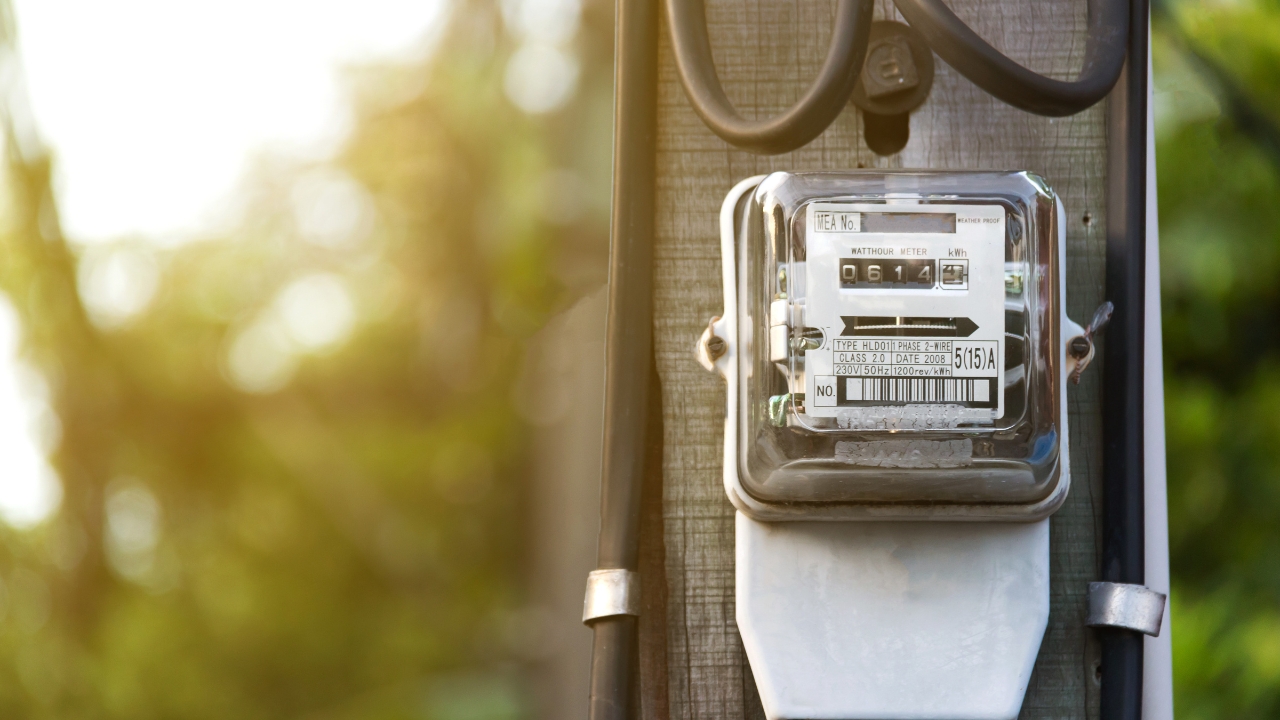
    Addressing the National Assembly on Monday, Federal Minister for Power Sardar Awais Ahmad Khan Leghari stated that the government cannot raise the threshold for the protected power category. According to reports, the federal government would require a staggering Rs275 billion in subsidies to increase the threshold from 200 to 300 units.

    While this change remains unfeasible under the current budget, the 6 minister highlighted the government’s efforts to provide affordable electricity to low use power users. He outlined that charges for households consuming up to 200 units a month had fallen by 60 percent over the last nine months. According to reports, this segment of electricity users receive a sizable subsidy to reduce the financial burden of high electricity bills on them.

    While responding to a question in the National Assembly, the Power Minister revealed that 18.3 million of the 35 million electricity users nationwide are receiving power subsidies. These figures suggest that over 52 percent of electricity users benefit from subsidies provided by the federal government.

    Data from reports suggests that the subsidy rate for electricity users consuming 100 to 200 units stands at 70 percent. However, the subsidy rate jumps significantly for users consuming 100 units or less, as their subsidy rate stands at 90 percent.

    Moreover, while replying to a question posed by a Member of the National Assembly (MNA) regarding the provision of subsidized power to cryptocurrency mining operations in Pakistan, the Power Minister revealed that no power had been offered to mining companies at subsidized rates. Earlier this year, the federal government had allocated 2,000 megawatts of surplus power to crypto mining and to power artificial intelligence data centres. 

    However, reports indicate that the Power Minister has clarified that no legal framework regarding power rates or tariff had been approved for crypto ventures. According to the minister, the federal government had introduced a power package for the industrial sector without subsidies to increase competitiveness.

    Reports suggest that this package was going to allow exporters to boost their performance in the international market. As per the details, a staggering 7,500 Megawatts (MW) of extra power was available for the package, which could be used to improve grid stability. However, this move was to be made after discussions with the International Monetary Fund (IMF) and other development partners concluded.

  • Pakistan ready to kick India’s basmati rice off US shelves amid steep tariffs

    Pakistan ready to kick India’s basmati rice off US shelves amid steep tariffs

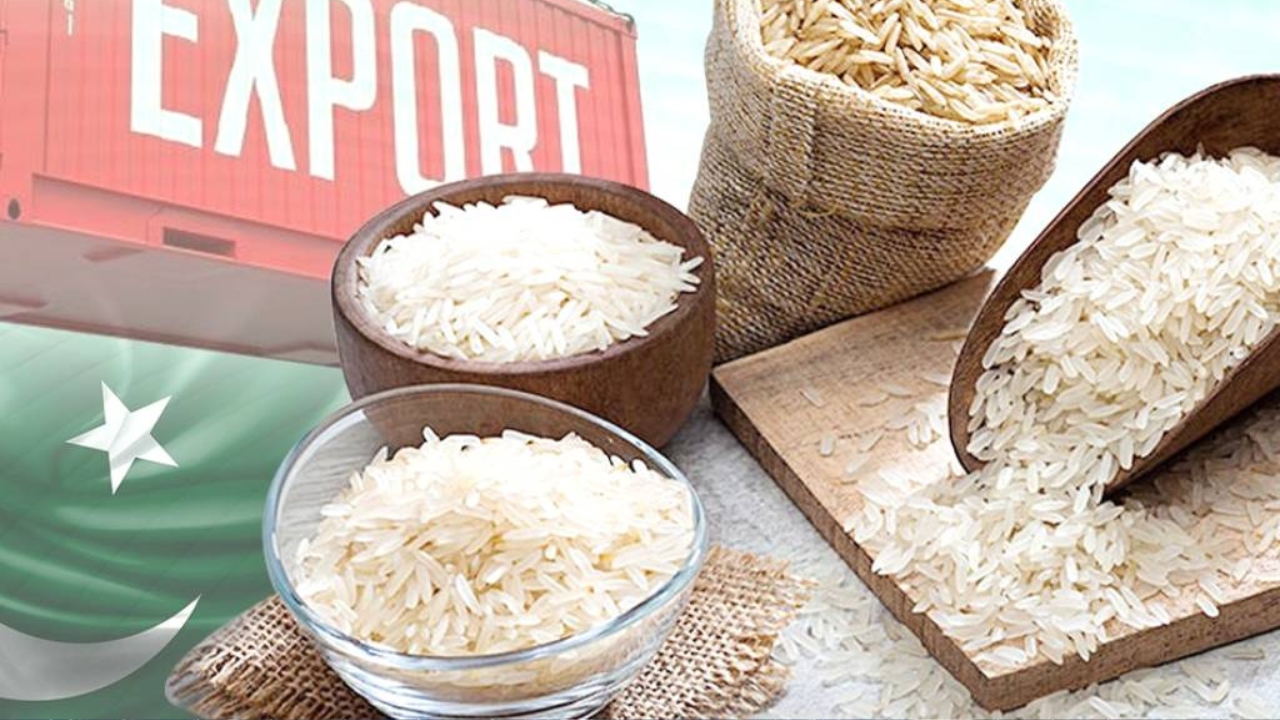
    US President Donald Trump’s imposition of a 50 percent tariff on Indian goods has opened the door for Pakistan to capture a bigger share of the American market. The US trade flows are reportedly already shifting away from India, creating new export opportunities for Pakistan, particularly in basmati rice.

    According to data from a global trade platform, 24 percent of Pakistan’s basmati rice was exported to the US between November 2023 and October 2024, with the country importing a staggering 1,519 shipments of rice from Pakistan.

    The US imports rice from Asian countries, as locally produced rice differs greatly in aroma and quality. According to the US Department of Agriculture (USDA), rice imports have increased over the past three decades, rising from just seven percent of the domestic market in 1993 to a sizable 25 percent by 2023.

    The USDA expects a growth in the demand for rice imports in the coming periods. The US sources over 60 percent of these imports from Asia, with Thailand, India, and Pakistan serving as top exporters of rice to the economic hegemon. 

    However, with US-India tensions heightening, mainly because of India’s economic ties with Russia, Pakistan could outcompete India on American shelves. Currently, India’s basmati rice faces a 50 percent tariff as opposed to the 19 percent tariff that Pakistani rice imports into the US bear.

    Reports have highlighted how this gives Pakistan a clear pricing advantage over India in the US market. Details from Indian media outlets have revealed that India’s basmati rice exports to the US could plunge by a whopping 80 percent. 

    This is because the price of importing India’s basmati rice into the US has soared to a staggering $1,800 per metric ton. For reference, the price of India’s basmati rice to US customers is now over 24 percent higher compared to importing rice from Pakistan, as Pakistani basmati rice is priced at roughly $1,450 per metric ton.

    US retailers and importers have already begun sourcing their basmati rice from Pakistan, instead of India, as its prices are unmatched compared to India. Reports suggest that customers have welcomed the change too, citing a retail worker who outlined that Pakistan’s basmati rice is “already popular” in the US. 

    Data from the Rice Exporters Association of Pakistan (REAP) indicates that Pakistan exported over 772,000 tons of basmati rice in fiscal year (FY) 2023-24, allowing for export revenues of $876.9 million. However, this number could grow significantly in Pakistan’s favour, as the odds and tariffs are stacked against India.

  • Supertax cut on the cards as govt mulls relief for manufacturers

    Supertax cut on the cards as govt mulls relief for manufacturers

    The federal government is expected to reduce the super tax rate on the manufacturing sector in the upcoming industrial policy. According to reports, the government intends to slash the rate to just five percent over the next four years.

    Reports suggest that in the fifth year, authorities intend to scrap the super tax entirely, allowing industries to benefit greatly. As per the details, the tax will only be removed if the primary balance remains positive. For reference, the primary balance is the difference between a government’s total revenue and its non-interest expenditures.

    However, it merits a mention that this plan is still subject to the International Monetary Fund’s (IMF) approval. As per reports, the draft of the new industrial policy includes initiatives to assist the manufacturing sector.

    A key proposal intends to increase the minimum threshold for super tax in the manufacturing sector from just Rs200 million to Rs500 million. Moreover, the policy draft reportedly advises increasing the threshold for levying a 10 percent supertax from Rs500 million to Rs1.5 billion.

    Reports have outlined how the policy draft will likely result in only larger manufacturers bearing the super tax, allowing smaller manufacturers to avoid bearing its burden. The aforementioned developments are not final as the policy draft still has to be approved by the federal cabinet later this month.

    According to reports, the policy draft has highlighted measures to revive industrial units and rationalize taxes that the manufacturing sector has to bear. Moreover, authorities intend to introduce a bankruptcy framework to help underperforming businesses restructure more efficiently.

    Access to credit facilities on easier terms is also expected to be granted to manufacturers to support industrial activities. Reports reveal that the policy draft includes plans to increase investment inflows while also boosting the competitiveness of Pakistan’s manufacturers in global markets.

    If authorities remain successful in creating an environment that favours manufacturers, Pakistan could witness a sizable uptick in export earnings, which could close the gap in Pakistan’s balance of trade deficit.

    This could help increase Pakistan’s current account surplus, which stood at $2.1 billion for fiscal year (FY) 2024-25. While the surplus was primarily achieved because of the $38 billion in remittance inflows Pakistan was able to attract, the current account surplus could grow significantly with an uptick in export earnings.