Category: Business

  • Pakistani rupee depreciates for the 5th day in a row, settles at Rs222.67

    Pakistani rupee depreciates for the 5th day in a row, settles at Rs222.67

    The Pakistani rupee (PKR) lost 0.12 per cent on Thursday in the inter-bank market, continuing its downward trend against the US dollar.

    The rupee dropped by Rs0.26 and ended the day at Rs222.67. The rupee has decreased by Rs1.25, or 0.56 per cent, over the last five trading sessions.

    PKR continued to lose value against the US dollar on Wednesday, falling Rs0.50 (0.22 per cent) to settle at Rs222.41.

    In a significant breakthrough on Wednesday, the State Bank of Pakistan (SBP) promised the Standing Committee on Finance of the National Assembly that action would be taken against banks by the end of the month for allegedly overcharging importers when establishing Letters of Credit.

    The SBP informed the banks in person about the practise and counselled them to rationalise the margins they were charging customers, according to information provided to the committee.

    Additionally, Pakistan’s external debt and liabilities reduced by $3.282 billion from $130.196 billion as of June 30, 2022, to $126.914 billion at the end of September 2022.

    The dollar recovered globally on Thursday as strong US retail data challenged the recent narrative that inflation is declining and US interest rates do not need to increase significantly more.

    The US reported overnight that retail sales increased 1.3 per cent in October, exceeding economists’ expectations of 1.0 per cent, a positive sign but one that dashed expectations for a pause in rate increases.

    The dollar index, which compares the value of the dollar to six important peers, increased 0.18 per cent to 106.46.

    A key indicator of currency parity, oil prices fell on Thursday due to easing geopolitical tensions and worries about Chinese demand, though signs of tighter supply, such as lower US inventories, provided support.
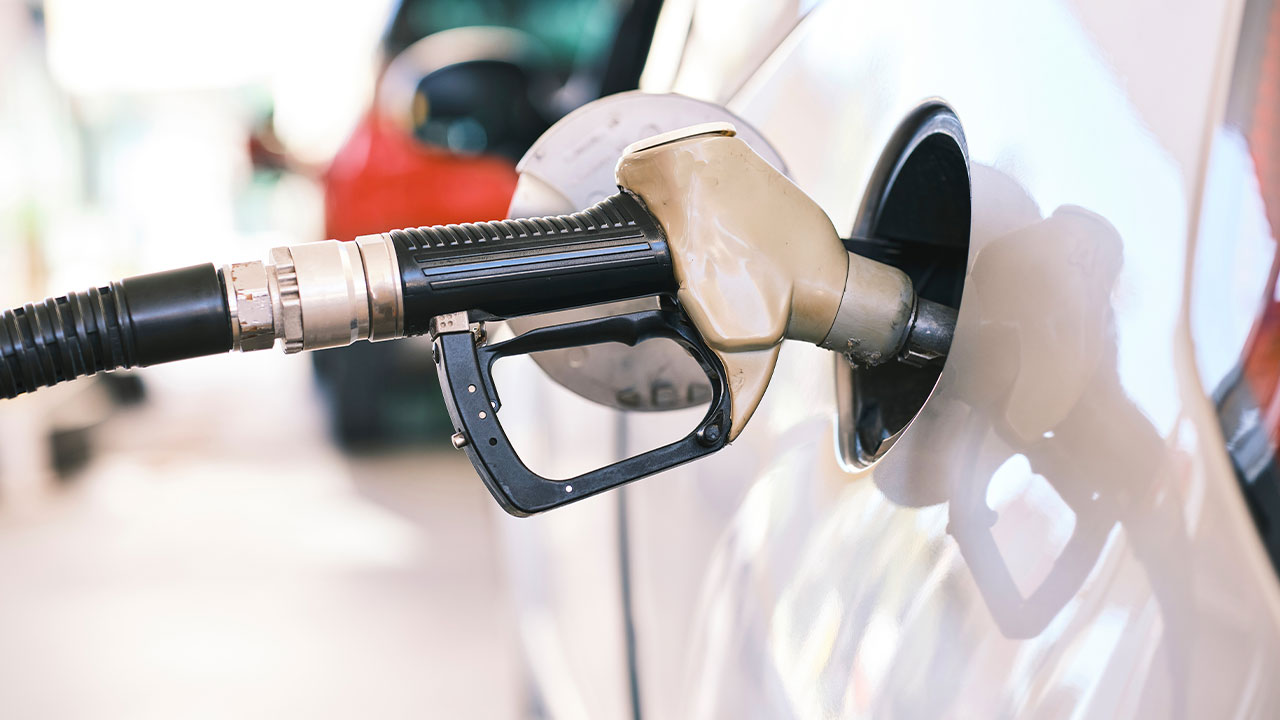

  • Forced stabilisation of oil prices causes oil industry to face over Rs7 billion in losses: OCAC

    Forced stabilisation of oil prices causes oil industry to face over Rs7 billion in losses: OCAC

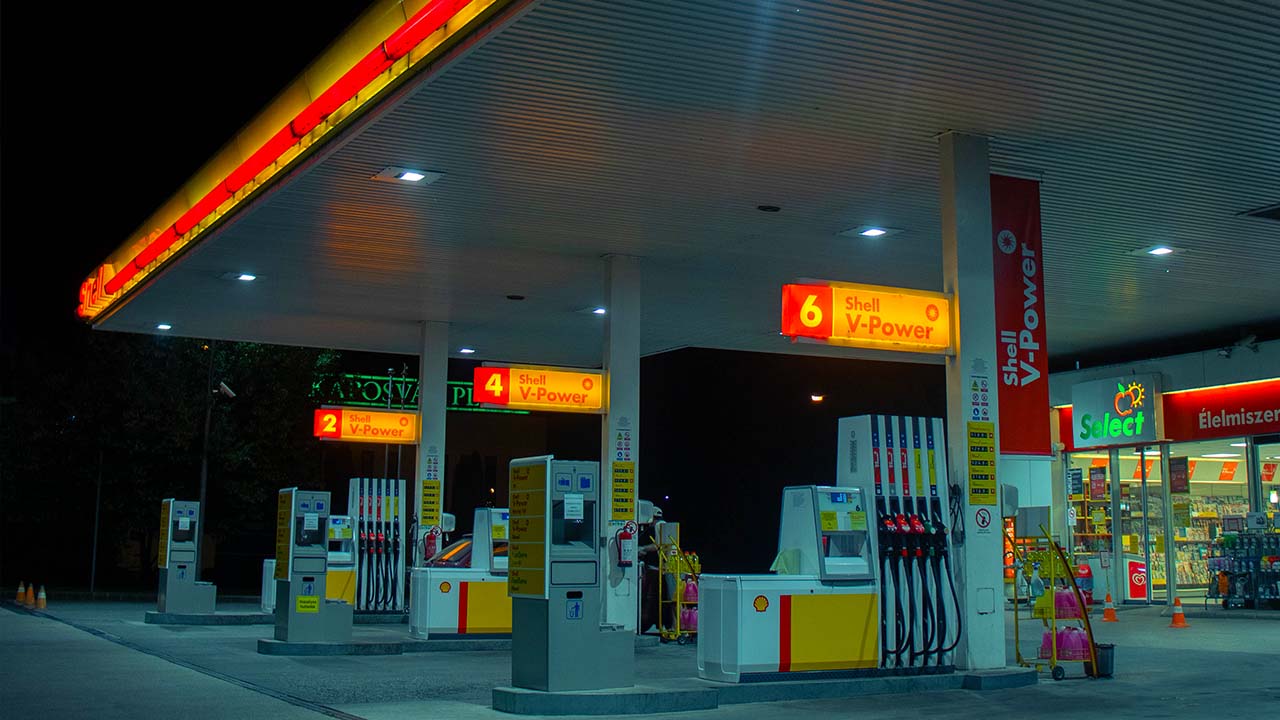
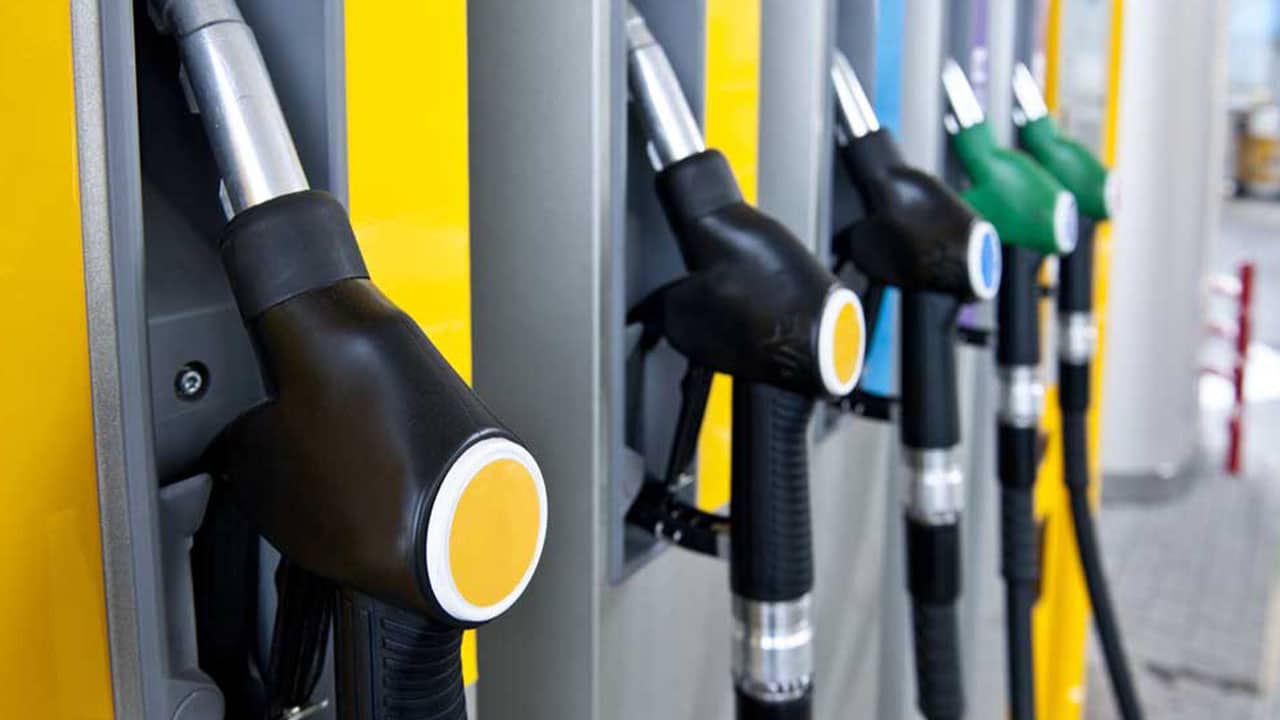
    Maintaining oil prices for the second consecutive fortnight could harm the oil industry and disrupt petroleum products supply. The oil industry claims that it has suffered a loss of over Rs7 billion due to the government’s plan to keep oil prices artificially low.

    The nation’s oil industry protested against the government’s “manipulation” of the pricing system in its most recent fortnightly review to keep ex-depot petroleum product prices the same for the next 15 days.

    “This forced stabilisation of oil prices at the cost of the industry is not sustainable and will severely impact the already crippled oil industry,” wrote the Oil Companies Advisory Council (OCAC) — an umbrella organisation of more than three dozen oil marketing companies (OMCs) and refineries — to the Ministry of Energy on Wednesday.

    Following political pressure from the opposition Pakistan Tehreek-i-Insaf (PTI), the government declared on Tuesday that all product prices will remain unchanged. However, market participants, including Ogra, had predicted hikes in POL prices beginning on November 16.

    The oil sector claimed that the government was maintaining the rates in defiance of the long-standing pricing system. Over the next 15 days, the oil industry is expected to lose more than Rs7.6 billion as a result of the unilateral shift in pricing.

    According to the OCAC, the price freeze would result in losses for OMCs of Rs8.34 on each litre of petrol and Rs7.15 on each litre of high-speed diesel (HSD), totaling Rs7.55 billion.

    Even though the rates were rising in accordance with the pricing methodology set by the government itself, it claimed that the prices of motor fuels had remained the same for the second fortnight of November. Instead of passing on the increase or absorbing the increase by lowering the petroleum levy, it was claimed that the price components were “very forcefully and unjustly reduced.”

    “The industry is already facing a severe financial crunch due to high global prices, depreciation of the rupee, increased charges on confirmation of letters of credit, high premiums on import, etc and will not be able to survive if these unfair adjustments are not removed immediately”, the OCAC wrote to the Oil and Gas Regulatory Authority (Ogra) and the Petroleum Division.

    According to Dawn, inland freight equalisation margin (IFEM), a collection of transportation fees paid to OMCs, was decreased by Rs3.21 and Rs2.72 per litre on petrol and HSD, respectively, according to the OCAC. According to sources, the Ministry of Finance called the senior Ogra officials on Tuesday night to make these cuts.

    On gasoline and HSD, respectively, the exchange loss adjustment was also decreased by Rs3.01 and Rs2.11 per litre. Additionally, the long-awaited increase of OMC’s sales margins from Rs2.68 to Rs6 per litre was approved by the ECC on October 31. With another loss of Rs2.32 per litre on both products, the “revised margin for both products has not been incorporated in the prices.”

    Based on estimated sales volumes for the second fortnight of November from Ogra, the OCAC estimated a total loss of Rs7.55 billion, including Rs4.25 billion for petrol and Rs3.30 billion for HSD.

    The “forced price stabilization” could pose problems for the supply chain and jeopardise the industry’s survival, according to the OCAC, given the lower stock levels and higher import volume requirements.

  • Estée Lauder to buy designer brand Tom Ford for Rs625 billion

    Estée Lauder to buy designer brand Tom Ford for Rs625 billion

    Estée Lauder, a luxury cosmetics brand, has announced that it will pay $2.8 billion to acquire Tom Ford, a luxury clothing brand.

    This will be the US cosmetics company’s largest acquisition to date.

    Estée Lauder won the contract over Gucci’s owner Kering SA by outbidding them. The company already licences Tom Ford cosmetics and fragrances.

    The deal will “open new prospects,” according to Estée Lauder.

    Tom Ford said in a joint statement with Estée Lauder: “I could not be happier with this acquisition.”

    He said the Estée Lauder companies had been “an extraordinary partner from the first day of my creation of the company and I am thrilled to see them become the luxury stewards in this next chapter of the Tom Ford brand.”

    The Council of Fashion Designers of America is currently led by Tom Ford, who first established his company in 2005. In the 1990s and early 2000s, he served as the creative director at Gucci and Yves Saint Laurent.

    The companies declared that Tom Ford will continue serving as creative director for at least until 2023.

    According to analysts, the luxury goods market is poised for global expansion at this moment, and China is gradually removing its coronavirus import limitations, allowing the high-demand consumers in this market to gradually resume their pre-pandemic spending habits.

  • Amazon plans to lay off 10,000 employees due to declining sales

    Amazon plans to lay off 10,000 employees due to declining sales

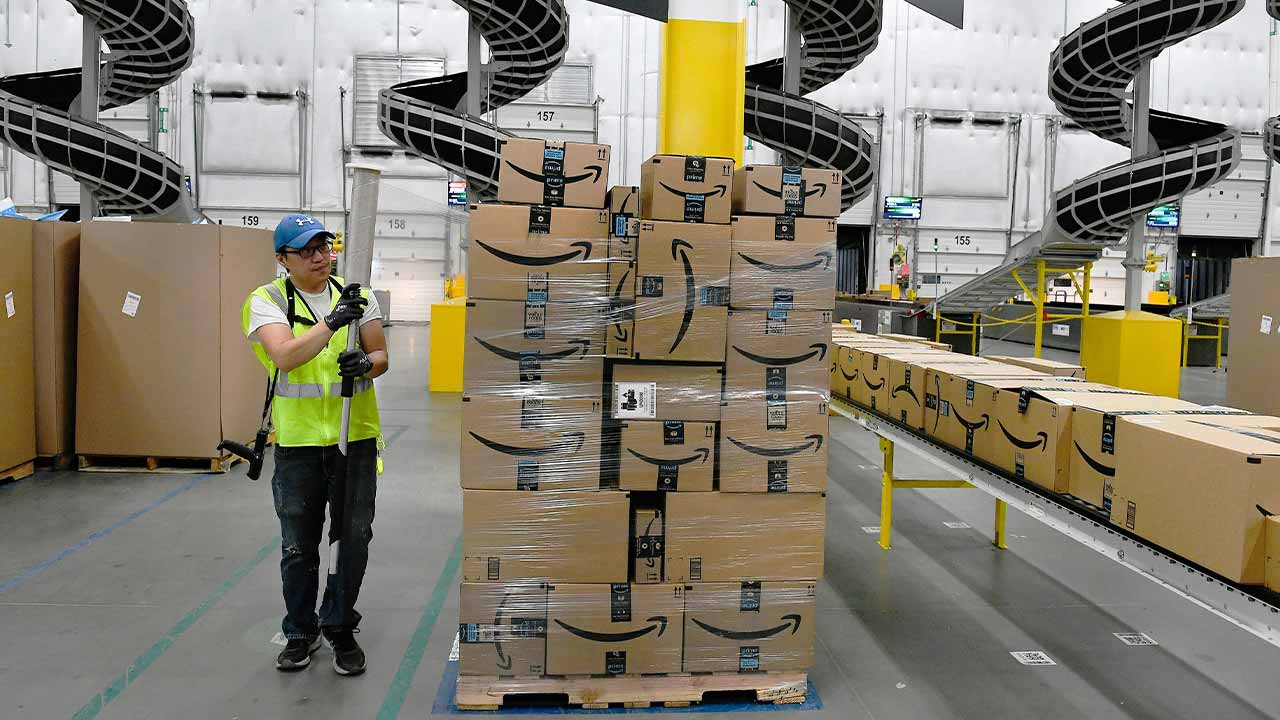
    Amazon is reportedly getting ready to lay off thousands of office workers due to decreasing sales and worries about an impending recession.

    The e-commerce giant’s office personnel could lose about 10,000 of their employees, according to US media sources who requested anonymity.

    Cuts are anticipated to have an impact on departments like e-commerce and personal devices.

    The business warned it had overhired during the pandemic and had previously implemented a hiring freeze and stopped some of its warehouse expansions. Additionally, it has taken steps to close off some areas of its operations by shelving plans for things like a personal delivery robot.

    The business announced last week that cutting costs would be a priority in its annual review of business operations. “As part of this year’s review, we’re of course taking into account the current macro-environment and considering opportunities to optimize costs,” the e-commerce company said in a statement.

    According to media sources, the precise number of positions that will be eliminated is still uncertain.

    Amazon is battling a dip in online sales after the epidemic saw a surge in its revenue. Despite a 15 per cent increase in overall revenue in the most recent quarter, the company has remained concerned about the forecast as the slowdown spreads to other industries, including its long-profit-boosting cloud computing division, Amazon Web Services.

    On social media, the company’s founder Jeff Bezos, who is no longer serving as CEO but is still chairman of the board, declared that it was time to “batten down the hatches.”

    Amazon joins a long list of other tech firms that have announced layoffs in an effort to signal an impending economic collapse. Included in the list is Meta, the parent company of Facebook, Instagram, and WhatsApp, which recently announced plans to eliminate 11,000 jobs, the largest reduction in staff in company history.

    According to a survey by Challenger, Gray & Christmas, which analyses such announcements, US-based tech companies have cut more than 28,000 jobs overall this year, more than double the number from a year ago.

  • Mazeed mehnga petrol: Oil prices may go up by Rs4 per litre

    Mazeed mehnga petrol: Oil prices may go up by Rs4 per litre

    The government is expected to marginally increase the price of petroleum products for the next two weeks in order to collect revenue from local consumers.

    According to an official of the Petroleum Division, price increases for petroleum products may range from Rs3 to Rs4 per litre.

    He noted that in order to fulfill its promise to the International Monetary Fund, the government was anticipated to adjust tariffs on petroleum goods (IMF). In an effort to increase revenue, it has already increased the petroleum duty on petrol and high-octane blending component (HOBC) to Rs50 per litre.

    The petroleum charge on Super and HOBC is at an all-time high, yet there is no general sales tax on petroleum goods.

    According to sources in the petroleum industry, oil products’ ex-refinery prices could decrease marginally during the next two weeks. According to them, the price of gasoline might drop by about Rs1.6 per litre and the price of high-speed diesel (HSD) by Rs3, although they said that these figures did not account for exchange rate loss adjustments. As a result, given that the government skipped it the last time, there might be an addition of around Rs 4 to the price of HSD per litre.

    Additionally, they noted that the previous oil price revision had resulted in a negative Inland Freight Equalisation Margin (IFEM) of roughly Rs 5 per litre for HSD consumers; however, it was anticipated that this would change in the new price announcement.

    In addition to this, changes in the petroleum levy on HSD and the imposition of general sales tax on both gasoline and HSD also affect price revision.

    Oil prices had previously been held steady for the seven days of November 1–15.

    For the first week of November, it was anticipated that the price of gasoline would decrease by Rs2.86 per litre and the price of HSD would increase by Rs3.70 per litre in accordance with the Platts trading platform and exchange rate movement. The government, however, refused to lower the price of petrol for the public.

    HSD currently costs Rs235.30 per litre, while a litre of petrol costs Rs224.80. Light diesel oil costs Rs186.50 per litre, while kerosene costs Rs191.83 per litre.

  • Pakistan seeks to import 1.5 million tonnes of petrol from UAE at a negotiated price

    Pakistan seeks to import 1.5 million tonnes of petrol from UAE at a negotiated price

    In an attempt to begin the process of signing an intergovernmental agreement (IGA), Pakistan will write to the United Arab Emirates this week. The country is looking for a government-to-government contract to import 1.5 million tonnes of gasoline annually.

    According to The News, Pakistan would import 1.5 million tonnes of motor spirit (Mogas) over a five to eight-year period, or 30 cargoes. The nation would receive two to three shipments from the gulf nation each month.

    The IGA with Oman, Qatar, Saudi Arabia, and some other nations has already been signed by the energy ministry. UAE will receive the same contract. Both nations will begin negotiating the GtG deal for the import of petrol, crude oil, and jet fuel once the agreement is finalised.

    Leading representatives from both sides agreed to sign a GtG agreement for the import of petrol, crude oil, and jet fuel at the Abu Dhabi negotiations held in the first week of the current month.

    This will enable Pakistan to have a sufficient supply of petroleum products.

    ADNOC (Abu Dhabi National Oil Company), on behalf of the UAE, and Pakistan State Oil (PSO), on behalf of Pakistan, will begin negotiations for a commercial deal on a going-to-market basis after the IGA has been finalised and signed.

    Before December 31, 2022, Pakistan wants both IGAs and business agreements signed so that beginning in January 2023, oil imports from the UAE could begin on a GtG basis.

    Under the terms of the GtG agreement, PSO obtains diesel from KPC (Kuwait Petroleum Company) and pays significant premiums for gasoline purchased on the open market, which is determined by the costs of goods on the global market.

    Now, as part of the GtG agreement, PSO would purchase gasoline from ADNOC at a negotiated rate. Additionally, because the nation’s refineries typically meet jet fuel needs, PSO would also import it as needed.

  • SSGC cuts gas supply to industries in Karachi to facilitate domestic customers

    SSGC cuts gas supply to industries in Karachi to facilitate domestic customers

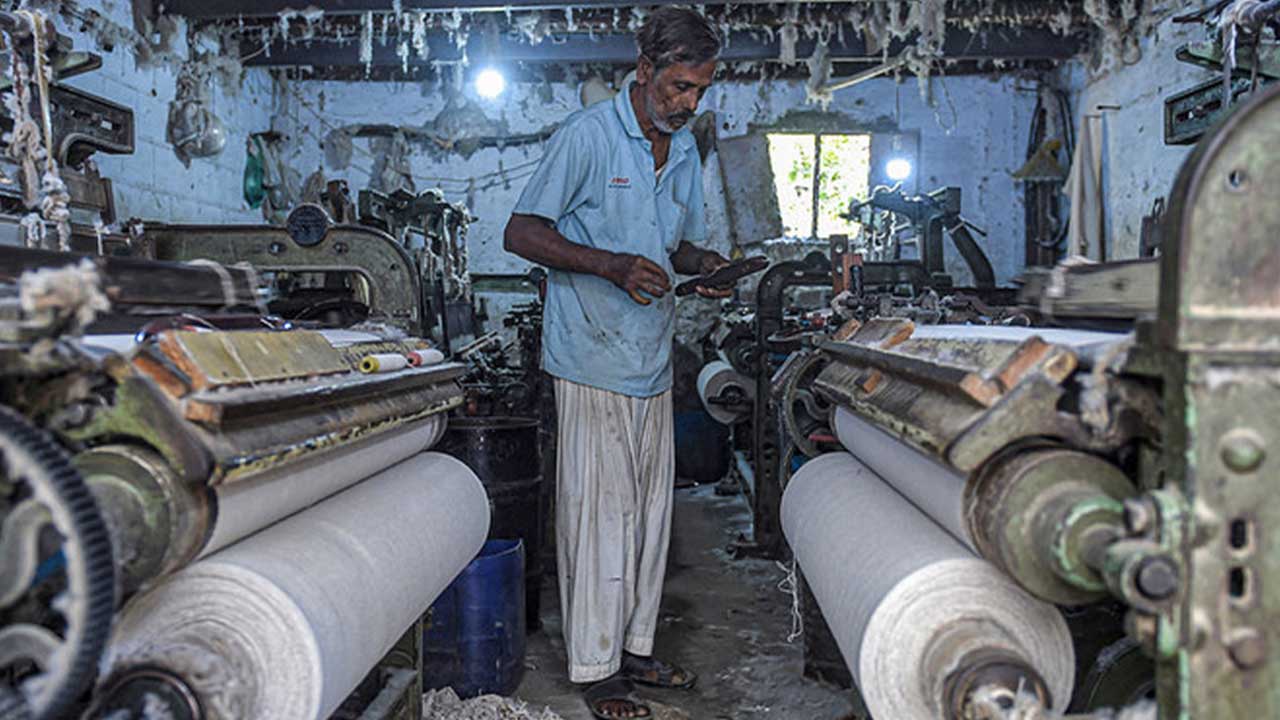
    Owing to the Sui Southern Gas Company Limited’s (SSGC) decision to stop supplying gas to several industries throughout the city, the gas crisis in Karachi appears to have gotten worse.

    “In adherence to the Ministry of Energy (Petroleum Division) gas load management plan, that places domestic and commercial customers on top of the priority list, it has been decided to suspend gas supply to all general industries from November 15 to February 28, 2023,” a statement issued by the gas company read.

    The decision, according to the statement, is intended to accommodate the rising demand from domestic customers in Sindh and Balochistan.

    It should be remembered that due to a gas shortage, all CNG stations in Sindh have already been closed for two and a half months.

    According to Geo, the SSGC delivered notices last week that gas will be shut off for more than three months over the winter to the city’s industries, but they rejected the notices, claiming that gas interruptions would result in large layoffs and the closing of firms.

    “The industries are in a state of shock to receive SSGCL’s notices of gas closure starting from November 15, 2022, to February 28, 2023,” according to Karachi Chamber of Commerce and Industry (KCCI).

    “The gas closures can not be proved good for the economy, especially this year, as no special arrangements have been made by the government to purchase RLNG to inject in the system.”

    The committee, established by KCCI, stated that it expected the government to take the proper steps to ensure gas supply to the city’s industries rather than completely cutting off gas, which would cause a significant drop in exports and revenue, the closure of industries, and job losses.

    The committee had suggested to the government that the gas supply be shut off every 12 hours for two days each week during the winter.

  • Govt to spend Rs40 billion to uplift 20 backward districts

    Govt to spend Rs40 billion to uplift 20 backward districts

    In order to initiate rehabilitation projects across 20 backward and underprivileged districts over the course of 60 months in four provinces, the Ministry of Planning has announced a special development project worth Rs40 billion.

    The federal and provincial governments are expected to split the project’s estimated cost 50:50. The project has received approval from the Planning Minister Ahsan Iqbal-led Central Development Working Party (CDWP).

    According to DAWN, the project has already been given a budget of Rs18 billion for PSDP 2022–23. Eleven districts from Balochistan, five from Sindh, three from Khyber Pakhtunkhwa, and one from Punjab are among the 20 districts that were chosen based on Multidimensional Poverty Index (MPI) ratings. The recent flood calamity, notably in Balochistan and Sindh, has severely damaged many of these districts.

    Sherani, Kohlu, Jhal Magsi, Barkhan, Killa Abdullah, Zhob, Musakhel, Dera Bugti, Jaffarabad, Ziarat, and Killa Saifullah are among the 11 districts in Balochistan. Sujawal, Thatta, Tharparkar, Kashmore, and Badin are five in Sindh; Torghar, Shangla, and North Waziristan are three in Khyber Pakhtunkhwa; and Rajanpur is one district in Punjab.

    The tentative interventions in these districts will be in the areas of connectivity via roads, access to broadband services and the internet, solarization of off-grid areas, establishment of LPG terminals, development of the agri-livestock and mineral value-chain, tunnel framing, dairy farming, fish farming, etc., establishment of common border markets, investments in skill development, and student scholarships.

    Additionally, the provincial and federal governments will choose sub-projects based on a thorough analysis of the requirements of the marginalised population in their respective regions. These initiatives will be approved by the relevant federal and provincial forums. Steering committees at the federal and provincial levels will oversee the sub-projects.

    “This is the first of its kind project in the economic history of Pakistan where the federal government is undertaking a national intervention to uplift the poorest districts and address the disparity in economic development,” said the planning minister in a statement released on Saturday.

    With the assistance of the UNDP, the MPI survey was finished in 2017–18, allowing for the first time ever to map poverty at the district level nationwide.

    Through targeted investments in infrastructure and the development of human capital in the nation’s poorest regions, the project’s principal goal is to promote inclusive growth and equitable development. One of the main cornerstones of the proposal is investments in human capital development, especially for young people and women.

    According to Pakistan’s MPI estimation for 2017–18, 38.3 percent of Pakistan’s population (87,089,000 people in 2020) will be multidimensionally poor, and a further 12.9 percent will be vulnerable to multidimensional poverty (29,353,000 people in 2020).

    The initiative seeks to significantly contribute to eliminating regional inequality and enhancing national integration and peace in the nation in line with Pakistan Vision 2025 and the Global Agenda for Sustainable Development Goals 2030.

    Prime Minister Shehbaz Sharif’s Youth Development Program, which the project is a part of, was introduced last month.

  • FBR increases WHT rates for non-filers to raise additional revenue

    FBR increases WHT rates for non-filers to raise additional revenue

    In order to enhance the cost of non-filers and generate additional income in the second quarter (October-December) 2022–2023, the Federal Board of Revenue (FBR) has decided to carefully monitor budgetary measures established under the Finance Act 2022.

    The higher cost to non-filers was one of the budget’s driving concepts (for the years 2022-23), sources told Business Recorder. For those who don’t submit income tax returns, the withholding tax rates have increased significantly.

    The last budget included new steps in this regard (2022-23). The remainder of the current fiscal year must see some measures completely implemented, though. All procedures put in place for individuals who do not appear on the FBR’s list of active taxpayers are tightly under the FBR’s vigilance.

    For instance, the government raised the tax rate for people who don’t pay taxes regularly from 100 per cent to 250 per cent when they buy property. Similar to this, the tax rate on the acquisition of a motor vehicle by a person who is not an active taxpayer has increased from 100 per cent to 200 per cent. The financial impact of raising the advance tax rate for non-ATL individuals who purchase real estate from the current 2 per cent to 5 per cent is Rs20 billion.

    The Excise and Taxation authorities currently collect advance tax on passenger transport vehicles operating for hire based on the vehicle’s seating capacity. By substituting the Table in the manner described below, the rates of adjustable advance tax on such vehicles stipulated in Division III of Part IV of the First Schedule of the Ordinance have been increased. According to rule 1 of the Tenth Schedule to the Income Tax Ordinance, the tax rate has been increased by 100 per cent in cases where a person’s name does not appear on the Active Taxpayers List.

    The rate of tax to be collected under section 236K will rise by 250 per cent of the rate indicated in Division XVIII of Part IV of the First Schedule in the case of a purchaser of immovable property who is not listed on the Active Taxpayers List. Rule 1 of the Income Tax Ordinance’s Tenth Schedule has been updated as necessary.

    The provision 236Y has been reinserted by Finance Act 2022. When sending money outside of Pakistan on behalf of a person who has completed a credit card, debit card, or prepaid card transaction with a person outside of Pakistan, every banking company will collect this adjustable advance tax. In the case of individuals who are not on the Active Taxpayers List, the rate will increase by 100 per cent.

    The advance tax on motor vehicles that is collectible under this section will increase by 200 per cent in the event that a person does not appear in ATL. Rule 1 of the Income Tax Ordinance’s Tenth Schedule has been updated as necessary.

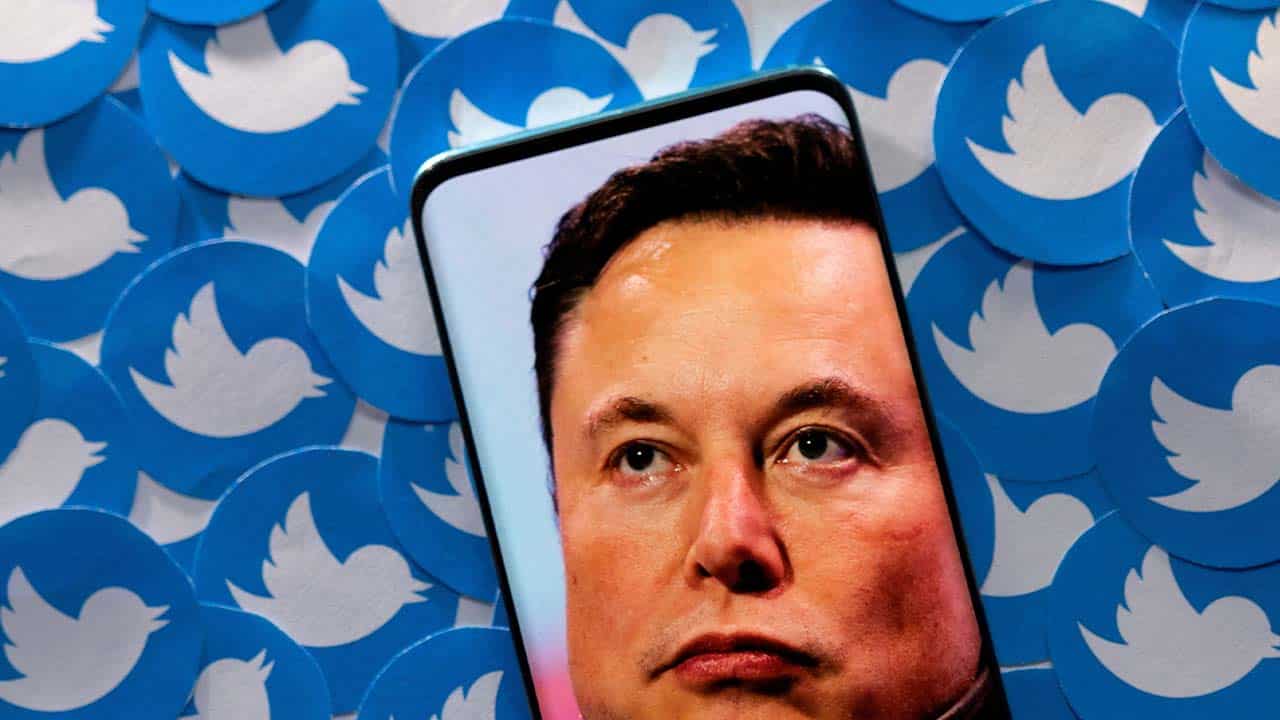
  • Twitter halts $8 subscription program after fake accounts abuse service to impersonate major brands

    Twitter halts $8 subscription program after fake accounts abuse service to impersonate major brands

    After users started misusing it to impersonate major companies and known personalities, Twitter appears to have suspended its $7.99/month Blue membership service, which allowed customers to pay for a verification check mark.

    This week, Twitter introduced a feature that lets users purchase a checkmark that had previously been used to denote a verified or official account in its iPhone app. Friday saw the removal of the Twitter Blue sign-up option from the iPhone app.

    The swift suspension of the service shows that, at least right now, CEO Elon Musk’s grand strategy to attract new user-based revenue isn’t succeeding as anticipated.

    According to NBC, due to the expensive subscription service, many pranksters started setting up fake Twitter accounts. It made the site even more conducive to false information, and numerous easily obtained checkmarks were used to discredit corporations, governments, and celebrities.

    According to a current Twitter sales employee, the company decided to reduce Twitter Blue verification due to the influx of impersonators.

    The employee, who wanted to remain anonymous because they were not allowed to speak on behalf of Twitter, said that a fake Eli Lilly account that tweeted that “we are excited to announce insulin is free now” caused a major issue.

    Before it was deleted, the tweet remained visible for several hours. Later, the genuine Eli Lilly account tweeted, “We regret to individuals who have received a false message from a bogus Lilly account.

    Following the fraudulent message’s publication, the stock price of Eli Lilly and other pharmaceutical firms, notably AbbVie, which was also the target of a Twitter impersonation, both fell precipitously. Major stock indices were then rising during a market surge.

    Another imposter mocked Elon Musk’s electric car company Tesla by mimicking the blue subscription checkmark for paid subscribers. In a barrage of insulting tweets, a user whose name looked to be “@TeslaReal” claimed, “honestly the 53 per cent reduction in stock price doesn’t phase[sic] us. We are the ones who are most knowledgeable about Crashing.

    For marketers, the impact of so many changes to the Twitter platform is a significant challenge; several have already suspended their expenditure there.

    Some users who had already paid for the programme also reported that their freshly acquired blue checkmarks had vanished from their accounts.

    No one from Twitter was immediately available for comment. Musk was unavailable for comment right away.

    The removal of Twitter Blue verified comes as Musk and Alex Spiro, who is currently serving as Twitter’s top lawyer, are attempting to reassure staff, clients, and regulators that they will abide by all legal requirements and the terms of an earlier FTC consent decree.

    “I cannot emphasize enough that Twitter will do whatever it takes to adhere to both the letter and spirit of the FTC consent decree,” Elon Musk wrote in a company-wide email that CNBC was able to get on Thursday night.

    In a subsequent email, Spiro stated that his team had communicated with FTC officials on Thursday and that Twitter would soon be subject to the agency’s “initial forthcoming compliance check.” He made it clear that any violations would be the responsibility of Twitter, not “those who work at Twitter.”