Category: Business

  • Workers protest, beaten at biggest iPhone factory in China

    Workers protest, beaten at biggest iPhone factory in China

    Workers at the world’s biggest Apple iPhone factory were beaten and detained in protests over pay amid anti-virus controls, as tensions mounted over Chinese efforts to combat a renewed rise in infections.

    Hundreds of workers may be seen marching down a road in daylight in videos posted on Weibo and Twitter that AFP has confirmed. Some of the workers are being confronted by riot police and those wearing hazmat suits.

    A man with blood on his face was shown in a nighttime video as someone off-camera yelled, “They’re striking people, hitting people. Do they possess morals? Geolocation data that displayed recognisable features, such as a building and barricades close to staff housing on the factory compound, helped AFP verify that video in part.

    In another video, testing booths for Covid-19 were destroyed, and a car was on its side.

    In one daytime video, a loudspeaker could be heard stating, “All workers kindly return to their lodging, do not mix with a small minority of unlawful elements,” as multiple fire trucks were parked near residential buildings and were encircled by police wearing hazmat suits.

    Wide swaths of the population in China have grown weary and resentful as a result of the country’s relentless zero-Covid policy; some have spent weeks being locked up in industries and universities or unable to leave their homes.

    By Wednesday noon, the Weibo hashtag “Foxconn riots” appeared to be blocked, but some text posts discussing extensive demonstrations at the factory were still accessible.

    Requests for comment on the most recent unrest from AFP went unanswered from Foxconn or Apple.

    In the place of the fleeing workers, the firm has offered large bonuses and other incentives for employees who stayed as the local government bussed in fresh labourers in a bid to keep the factory afloat.

    Apple this month admitted the lockdown had “temporarily impacted” production ahead of the holiday season at the Zhengzhou factory, the Taiwanese company’s crown jewel that churns out iPhones in quantities not seen anywhere else.

    Foxconn is China’s biggest private sector employer, with over a million people working across the country in about 30 factories and research institutes.

    China is the last major economy wedded to a strategy of extinguishing Covid outbreaks as they emerge, imposing lockdowns, mass testing and lengthy quarantines despite the widespread disruption to businesses and international supply chains.

    The policy has sparked sporadic protests throughout China, with residents taking to the street in several major Chinese cities to vent their anger against snap lockdowns and business closures.
  • Nomura warns seven countries including Pakistan are at high risk of currency crisis

    Nomura warns seven countries including Pakistan are at high risk of currency crisis

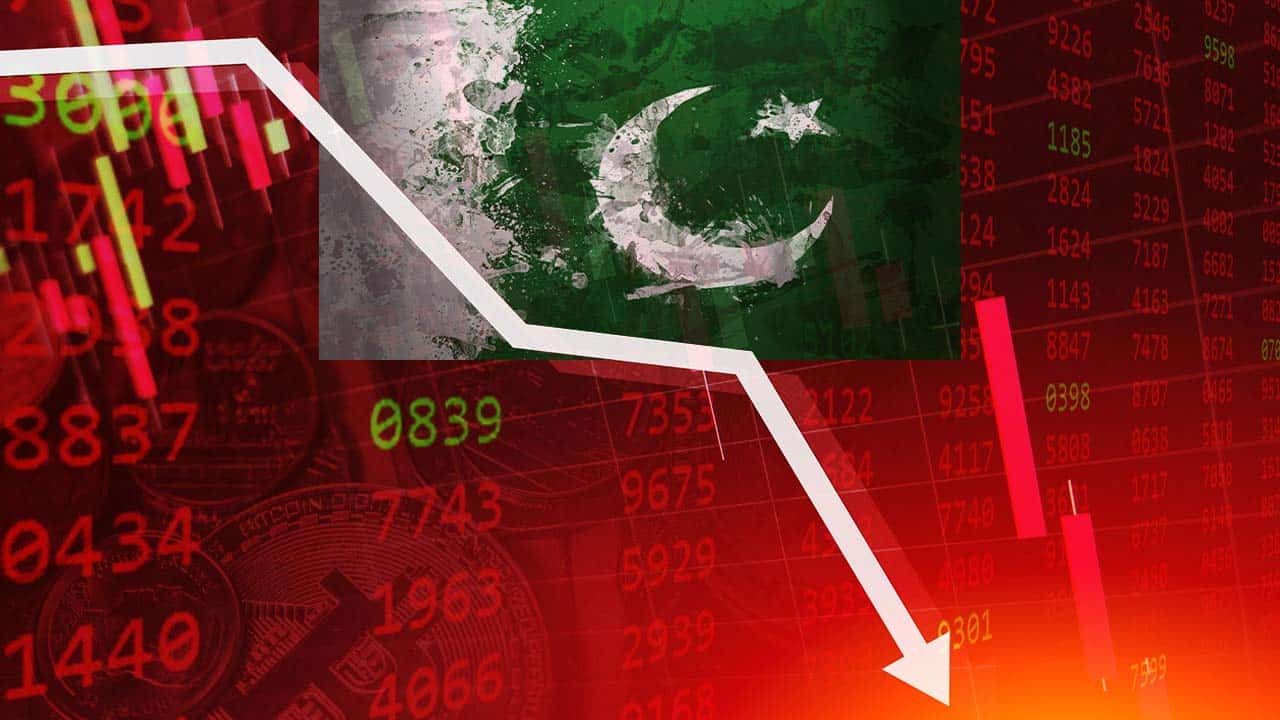
    The biggest brokerage and investment bank in Japan, Nomura Holdings, has issued a warning that seven nations, including Egypt, Romania, Sri Lanka, Turkey, the Czech Republic, Pakistan, and Hungary, are now at high risk of experiencing currency crisis.

    According to Reuters, the Japanese bank reported that 22 of the 32 nations covered by its internal “Damocles” warning system had witnessed an increase in risk since its last update in May, with the Czech Republic and Brazil experiencing the biggest rises.

    It indicates that since May, the total of the model’s scores for all 32 grew significantly from 1,744 to 2,234 points.

    “This is the highest total score since July 1999 and not too far from the peak of 2,692 during the height of the Asian crisis,” Nomura economists said, calling it “an ominous warning sign of the growing broad-based risk in EM currencies”.

    The model computes an overall score based on eight important variables, including a nation’s foreign currency reserves, exchange rate, financial soundness, and interest rates.

    Nomura calculates that a score above 100 implies a 64 per cent likelihood of a currency crisis in the next 12 months based on data from 61 prior EM currency crises that have occurred since 1996.

    Egypt currently has the lowest score at 165 after devaluing its currency significantly twice already this year and applying for an IMF programme.

    Romania, which has been using interventions to support its currency, is listed next on page 145. Both Turkey and Sri Lanka, which frequently has currency crises due to default, have ratings of 138, while the Czech Republic, Pakistan, and Hungary receive scores of 126, 120, and 100, respectively.

    The Damocles model was also applied by Nomura to the G7 group of advanced countries. The results showed that all but Japan now had Damocles scores over the 100-point barrier, with the United States and Britain leading the way.

    EM economies continue to be increasingly fragile. Due to their incomplete recovery from the COVID-19 epidemic, the majority of countries are currently dealing with high inflation, a finite amount of fiscal room, negative real interest rates, a weakened balance of payments, and reduced FX reserve cover.

    “It is somewhat surprising that there have not been more full-blown EM currency crises this year,” Nomura added.

    “Then again, EM challenges are far from over… The late Professor Rudiger Dornbusch once said, A crisis takes a much longer time coming than you think, and then it happens much faster than you would have thought”.

  • Govt aims to resolve issues of the business community: Finance Minister

    Govt aims to resolve issues of the business community: Finance Minister

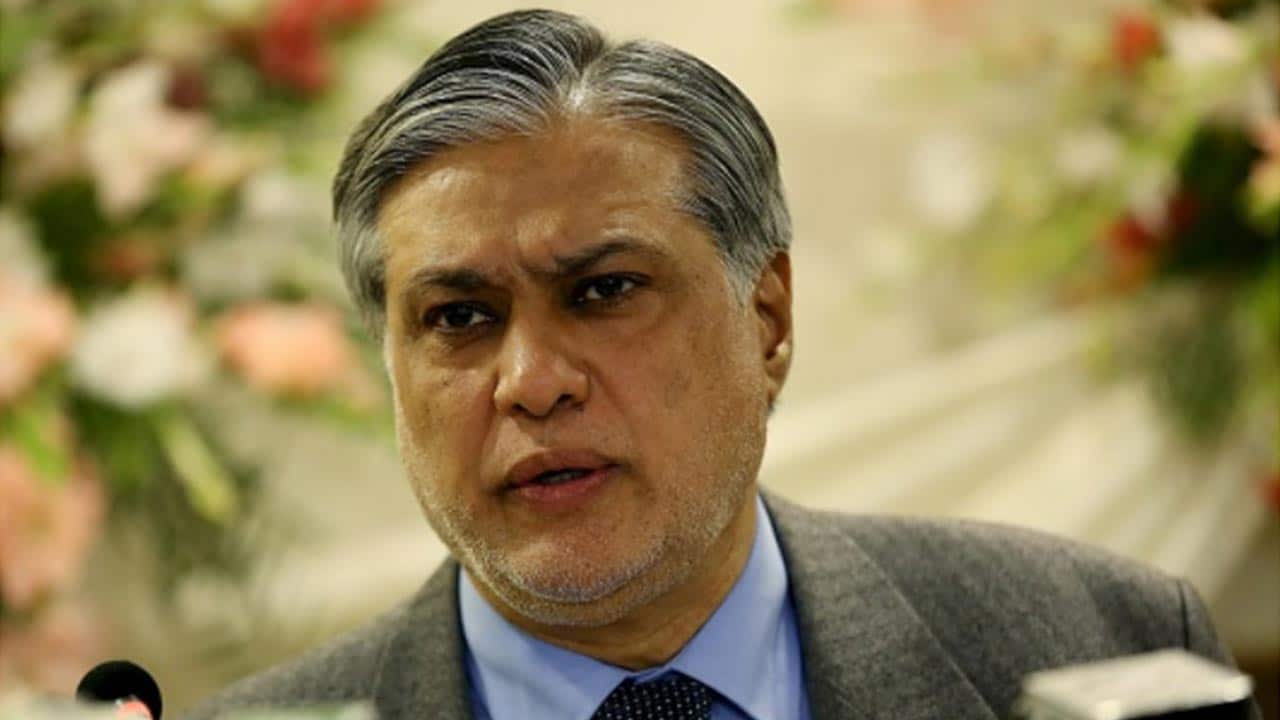
    Federal Minister for Finance and Revenue Ishaq Dar said that the goal of the current administration is to facilitate the business community and maintain the trajectory of the nation’s economy.

    According to a press release, he said this while speaking with a team from the Pakistan Sugar Mills Association (PSMA) led by its chairman, Asim Ghani Usman.

    Senior officers from the Finance Division as well as Federal Ministers for Industries and Production Syed Murtaza Mahmud, National Food Security and Research Tariq Bashir Cheema, SAPM on Finance Tariq Bajwa, Chairman FBR, Vice Chairman PSMA Iskander M. Khan, and Vice Chairman PSMA Ahmed Ebrahim Hasham attended the meeting.

    The Finance Minister was informed about the sugar industry’s contribution to the nation’s overall economic development by PSMA Chairman Asim Ghani Usman.

    He also gave a presentation to the group on the problems the sugar sector is having with the GST, stock availability, and sugar export.

    Senator Ishaq Dar, the minister of finance, highlighted the need of sustaining sugar prices and strategic reserves in order to provide the greatest amount of comfort to the general populace.

    He told Chairman PSMA that the current administration is aware of the problems that Pakistan’s sugar sector and sugar cane farmers are now facing.

    Dar promised the group he would deal with their concerns and find a solution as soon as possible. He also offered them his complete support and collaboration.

  • Pakistan’s current account deficit decreases by 68% due to marginal increase in exports

    According to statistics provided by the State Bank of Pakistan (SBP) on Monday, the current account deficit decreased 68.13 per cent year over year to $0.57 billion in October.

    In comparison to September, when it stood at $0.36 billion, the deficit jumped by 56.2 per cent, reaching its highest level since April 2021.

    According to the figures, the deficit for the first four months of the current fiscal year was $2.8 billion, down 46.82 per cent from $5.3 billion from July to October 2021.

    According to the central bank, “continued import drop helped improve the current account imbalance.”

    When compared to the same quarter in FY22, imports fell by $2.7 billion (11.6 per cent) and exports increased by $0.2 billion (2.6 per cent).

    The current account deficit increased month over month despite a remark made last week by Finance Minister Ishaq Dar that it was anticipated to be below $0.4 billion.

    Dar said that the deficit was being closely watched, managed, and handled for the good of the nation.

    “The current account deficit was at $316m in September and expected to be below $400m in October,” he said, adding, “If this continues at the same pace, it will be around $5-6bn for the year, (while) the projected was $12bn.”

    The deficit was not at a worrying level, the finance minister stressed.

    Pakistan had a huge current account deficit of $17.3 billion, or an average of $1.44 billion per month, in the preceding fiscal year.

  • CPEC created 190,000 jobs in less than 10 years: Chinese official

    CPEC created 190,000 jobs in less than 10 years: Chinese official

    A Chinese official said on Sunday that the China-Pakistan Economic Corridor (CPEC), a pilot project of the Belt and Road Initiatives, had generated 190,000 jobs in the previous nine years.

    According to Meng Wei, a representative of China’s National Development and Reform Commission, China and Pakistan created the Joint Cooperation Committee (JCC) on the CPEC in 2013 with an emphasis on collaboration in the Gwadar Port, energy, infrastructure, and industries.

    The two parties have recently increased their areas of collaboration to include agriculture, society, people’s livelihoods, and the information technology industries.

    The Gwadar East Bay Expressway project, the Gwadar Seawater Desalination Project, the Carlot Hydropower Station, China’s assistance to Pakistan’s flood-affected areas, and more may be seen as examples of the cooperation’s success, according to the China News Service.

    The spokesman said, “The two sides will next work together to put the leaders’ agreement into action, speed up their cooperation in areas including agriculture, mining, information technology, society, and people’s livelihood, and support the CPEC’s high-quality building.”

    CPEC is kicking off a new age of collaboration and exchanges between the two nations in a variety of fields, including energy, industry, culture, and trade and business.

  • Elizabeth Holmes sentenced for more than eleven years in prison for fraud startup

    Elizabeth Holmes sentenced for more than eleven years in prison for fraud startup

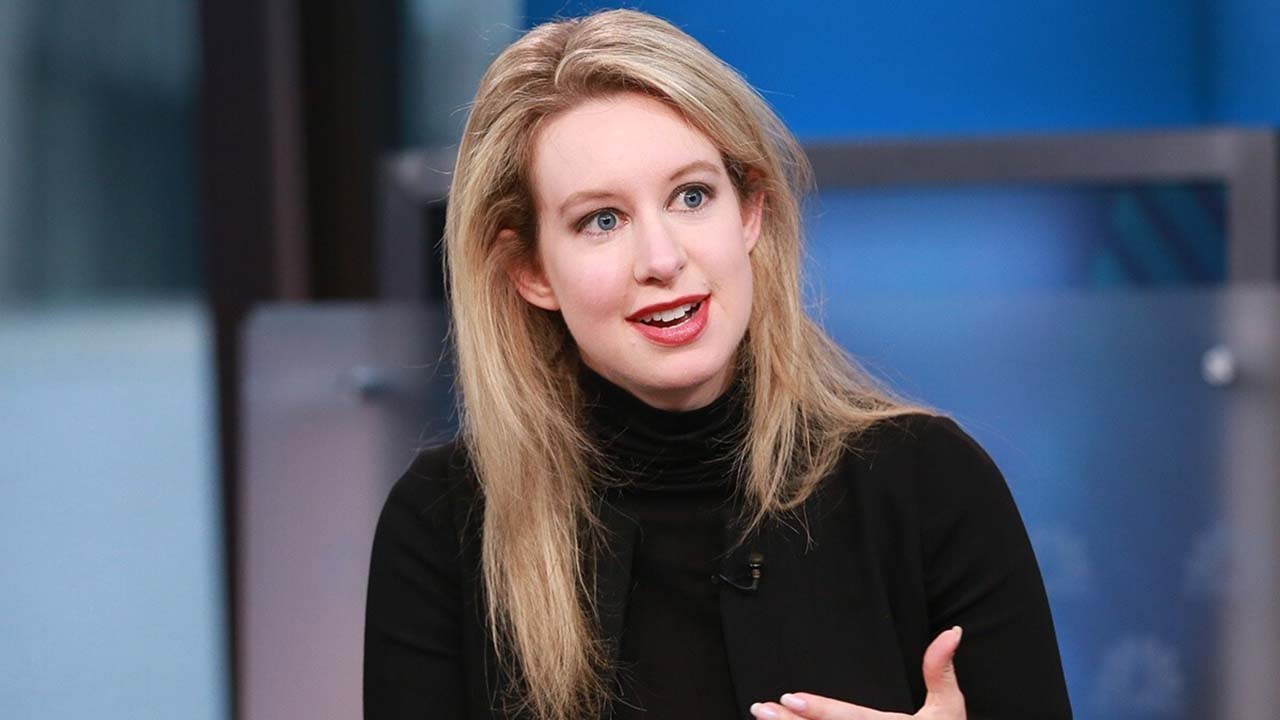
    Elizabeth Holmes, the founder of Theranos, was found guilty of cheating investors in her now-defunct blood-testing firm, which had a $9 billion valuation at the time, and a California judge sentenced her to 11 years and three months in prison.

    In San Jose, California, US District Judge Edward Davila sentenced Holmes on three charges of investor fraud and one count of conspiracy. Holmes, 38, was found guilty by a jury in January after a three-month trial.

    According to Al Jazeera, Holmes’s surrender was scheduled for April by the judge. Her attorneys are anticipated to ask the judge to keep her out on bail while she files an appeal.

    Before the judge imposed the sentence, Assistant US Attorney Jeff Schenk said that a 15-year term would “make a statement that the aims don’t justify the means.”

    However, Holmes’ attorney Kevin Downey argued at the hearing that, unlike someone who committed a “big crime,” Holmes was not driven by money.

    Holmes pleaded with the judge not to make her a “martyr to public passion” in court filings, asking for a more moderate sentence of 18 months of home detention followed by community service.

    Theranos’ technology and financial standing, according to the prosecution, were misrepresented throughout the trial by Holmes, who claimed that the company’s miniature blood testing device could perform a variety of tests using just a few drops of blood. Prosecutors said that the business used covertly purchased standard machines from other businesses to do patients’ tests.

    Prosecutors had stated that a 15-year term was essential to dissuade Holmes and others from fraud prior to her sentencing.

    Her misdeeds, according to them, “undermined the trust and integrity” that Silicon Valley’s startup ecosystem depends on.

    According to court documents, the federal probation agency had suggested a nine-year prison term.

    Forbes dubbed Holmes the world’s youngest female self-made billionaire in 2014 when she was 30 and her stake in Theranos was worth $4.5bn.

    However, the firm failed after a series of Wall Street Journal stories published in 2015 cast doubt on its technology.

    Prosecutors contended that Holmes, rather than letting Theranos collapse, lied to investors about the company’s technology and finances.

    In her testimony in her own defense, Holmes stated that she had thought her claims to be true at the time.

    Holmes was exonerated on four counts that claimed she defrauded patients who paid for Theranos tests, despite the fact that she was found guilty on the other four.

    Davila had turned down Holmes’ attempts to have her convictions overturned, stating that the evidence presented at trial supported them.

    Holmes can appeal those decisions and her sentencing to the 9th US Circuit Court of Appeals now that the sentence has been given.

  • Weekly inflation witnesses slight increase of 0.62%

    Weekly inflation witnesses slight increase of 0.62%

    Sensitive Price Indicator (SPI) data shows that short-term inflation in the week ending November 17 decreased to 0.62 per cent week-over-week (WoW), primarily as a result of lower prices for some food products such tomatoes, lentils, and cooking oil. The SPI was 0.74 per cent last week.

    The Pakistan Bureau of Statistics (PBS) revealed data on Friday showing that the weekly inflation rate increased by 28.67 per cent year over year (YoY).

    Since reaching a peak of 45.5 per cent in the week ending September 1, the annual increase in SPI has been declining. YoY inflation was measured at 29.24 per cent last week.

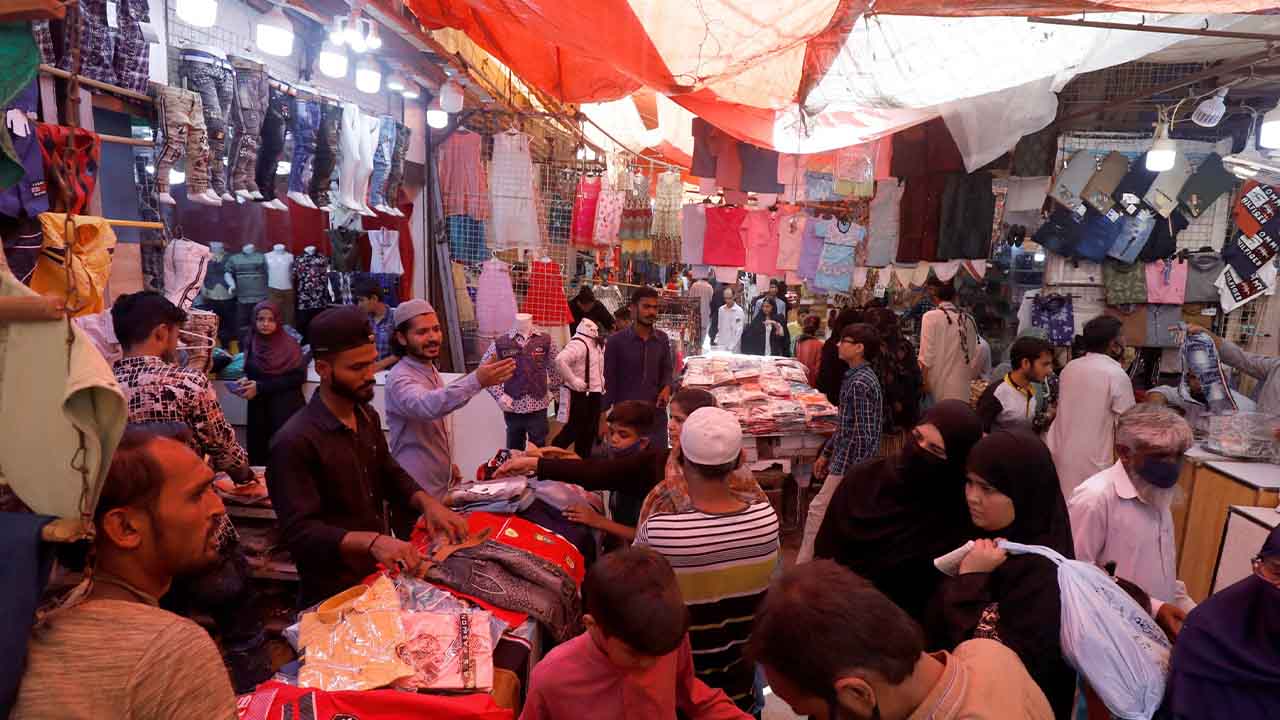
    Based on a study of 50 markets in 17 cities across the country, the SPI tracks the costs of 51 necessities. 23 items had price increases over the week, 13 saw price decreases, and 15 saw no change.

    Highest WoW increase

    Salt: 7.61 per cent

    Lipton tea: 5.9 per cent

    Chicken: 4.89 per cent

    Onions: 4.61 per cent

    Eggs: 3.66 per cent

    Highest WoW decline

    Tomatoes: 6.06 per cent

    Pulse Masoor: 1.56 per cent

    Pulse Gram: 1.46 per cent

    Ghee (1 kg): 1.03 per cent

    Pulse Mash: 0.68 per cent

    Highest YoY increase

    Onions: 319.35 per cent

    Lipton tea: 59.27 per cent

    Pulse Gram: 57.39 per cent

    Petrol: 53.85 per cent

    Pulse Moong: 51.24 per cent

    Highest YoY fall

    Chilli powder: 41.42 per cent

    Sugar: 4.27 per cent

    After slowing to 23.2 per cent in September from a 49-year high of 27.3 per cent in August as the nation continued to be gripped by high food and transportation expenses, annual CPI inflation soared to 26.6 per cent YoY in October.

    In recent weeks, inflation has been driven up by rising vegetable prices, particularly those of onions and tomatoes, as a result of standing crops damaged by floods, as well as a significant increase in electricity prices.

    The Food and Agriculture Organization of the United Nations issued a warning last month that severe food insecurity is likely to get worse in some areas of Pakistan as a result of the negative effects of floods and the astronomically high prices of energy and gasoline.

  • Sazgar introduces Pakistan’s first-ever locally assembled Hybrid SUV

    Sazgar introduces Pakistan’s first-ever locally assembled Hybrid SUV

    At a ceremony in Lahore, Sazgar Engineering formally unveiled the Haval H6, Pakistan’s first locally assembled hybrid electric vehicle (HEV).

    By doing this, the business has significantly surpassed its competitors. This is a huge milestone because not even the top automakers in Pakistan considered releasing a hybrid automobile.

    In a notice to the Pakistan Stock Exchange (PSX), the company said, “We are pleased to inform you that the company has successfully assembled/ manufactured locally the first Hybrid Electric Vehicle (HEV) of Pakistan and is being launched under brand ‘Haval’ as of November 17.”

    One of the four brands owned by the Chinese carmaker Great Wall Motors (GWM), “Haval,” reached the Pakistani market through Sazgar in early 2021.

    A 1.5 turbocharged engine in the Haval H6 generates 152 horsepower (HP) and 233 newton metres (Nm) of torque. With that, there is a motor producing 174 horsepower and 300 Nm of torque. Excellent efficiency, low fuel consumption, high performance, and light weight are the engine’s four standout qualities.

    The Haval H6 Hybrid SUV costs Rs9.75 million, yet the manufacturer charges Rs1.9 million for bookings.

  • Toyota IMC increases car prices up to Rs7 lac

    Toyota IMC increases car prices up to Rs7 lac

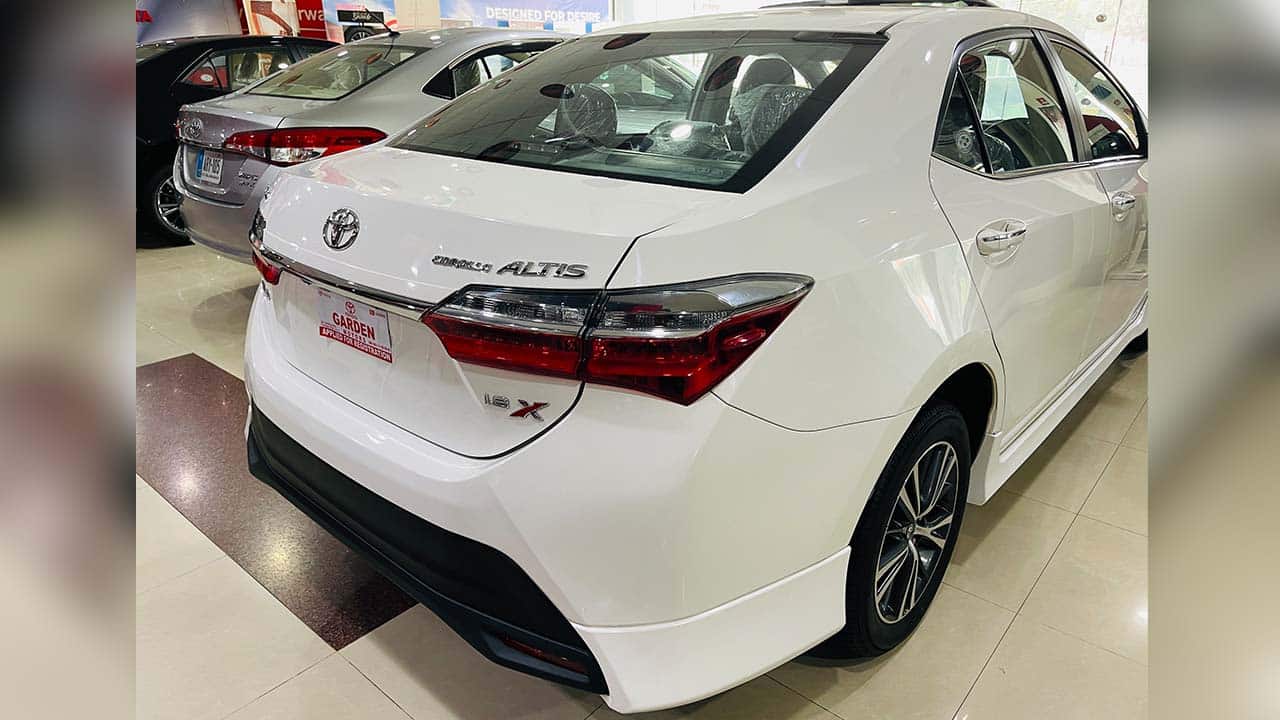
    Toyota Indus Motor Company has announced a massive price hike for Corolla and Hilux variants.

    The automaker blames rising manufacturing costs and the weakening rupee in a notification it has issued.

    Here are the new prices:

    VehicleOld InvoiceNew PriceDifference
    Toyota Corolla Altis 1.6 CVTRs4,789,000Rs4,979,000Rs190,000
    Toyota Corolla Altis 1.6 CVT SERs5,279,000Rs5,479,000Rs200,000
    Toyota HiluxRs8,449,000Rs9,069,000Rs620,000
    Toyota Hilux Revo G 2.8R9,169,000Rs9,839,000Rs670,000
    Toyota Hilux Revo G 2.8 ATRs9,609,000Rs10,309,000Rs700,000
    Toyota Corolla’s new prices

    Since January 2022, Toyota has raised the pricing of all of its vehicles by 32 to 7 per cent. Aspiring Toyota buyers are put into a worse situation by this additional price increase.

    These models are now more competitively priced with their top-tier competitors in their respective categories. Toyota may therefore be using decoy pricing to steer client spending into their more expensive items as one of its goals.

    IMC may also want to prepare customers for potential price increases that are even higher relative to those for the more expensive versions of these particular models.

    Regardless of what Toyota hopes to accomplish with this price rise, the cause is most likely the same: its operational loss of Rs3.3 billion in Q1FY23. From Rs5.42 billion in Q1FY22 to Rs1.29 billion in Q1FY23, Toyota’s sales revenue fell by 76 per cent. Toyota would have ended the quarter with a total loss if it weren’t for its Rs5.16 billion in other income.

  • Twitter offices close as hundreds of workers resign, #RIPTwitter trends

    Twitter offices close as hundreds of workers resign, #RIPTwitter trends

    Twitter has announced that its office buildings will be temporarily closed, effective immediately and that the offices will reopen on Monday, November 21.

    Twitter employees were informed regarding the closure in a letter, but the company withheld an explanation for this.

    The statement comes as there are rumours that several employees were leaving after the new owner, Elon Musk, told them to sign up for “long hours at high intensity” or quit.

    Mr Musk stated that those who didn’t sign up by Thursday, November 17 would receive three months’ worth of severance money.

    The corporation said earlier this month that it will be laying off almost 50 per cent of its workers.

    The news that Twitter had temporarily closed its offices today coincided with indications that several employees had already left in protest at Mr Musk’s new contract terms.

    To announce their departure from the company, employees have begun tweeting using the hashtag #LoveWhereYouWorked and a saluting emoji.

    One former Twitter employee who wished to remain anonymous told BBC: “I think when the dust clears today, there’s probably going to be less than 2,000 people left.”

    They added that everyone in their team had been terminated.

    “The manager of that team, his manager was terminated. And then that manager’s manager was terminated. The person above that was one of the execs terminated on the first day. So there’s nobody left in that chain of command.”

    Around 7,500 people worked for Twitter before Elon Musk took over. Thousands of contract workers were also reportedly employed by the company, the majority of whom are believed to have been let go.

    Another person claimed that despite being ready to put in long hours, they had quit their job.

    “I didn’t want to work for someone who threatened us over email multiple times about only ‘exceptional tweeps should work here’ when I was already working 60-70 hours weekly,” they said.

    The richest person in the world acquired Twitter last month in a $44 billion deal, becoming the company’s CEO in the process.

    In response to a query on worries that Twitter was set to shut down after the notification about the closure of Twitter’s offices was sent, Mr Musk tweeted: “The best people are staying, so I’m not super worried”.