Category: Business

  • Pakistan Customs seizes 67 non-custom paid vehicles in an operation

    Pakistan Customs seizes 67 non-custom paid vehicles in an operation

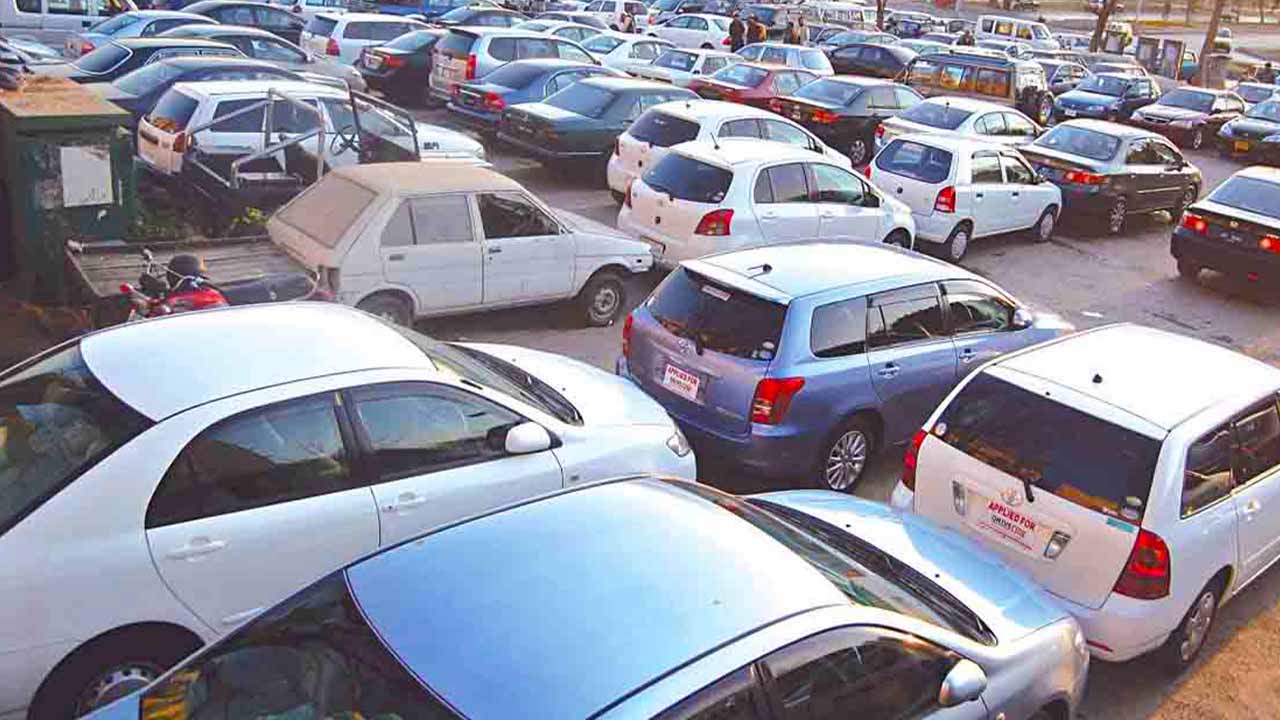
    Pakistan Customs has impounded 67 non-custom paid vehicles in a crackdown against the smugglers in Quetta.

    67 non-custom paid vehicles, sugar, and fertiliser valued at approximately Rs336 million were confiscated in accordance with the Prime Minister’s goal to eradicate smuggling.

    The Customs team launched a crackdown in Nokandi, Quetta, and thwarted the attempt to smuggle goods across the Pakistan-Afghanistan border.

    Earlier, the Federal Board of Revenue (FBR) said on February 21 that non-custom paid vehicles worth Rs11.2 billion were seized between July 2021 and January 2022.

    During the July–January 2020–2021 period, smuggled goods worth a total of Rs35 billion were discovered, compared to Rs22 billion during the same time the previous year.

    Many people in Quetta continue to purchase non-custom vehicles despite the fact that they are illegal since they are much more expensive than legal or custom-paid vehicles.

    For instance, if a car is sold for Rs5 million at a dealership or local car market, it may be offered by smugglers for Rs2.5 million or even less. As these are smuggled vehicles, non-custom-paid automobiles are less expensive and lack the necessary paperwork or legal documents.
  • NAB summons real estate tycoon Malik Riaz to reveal £190 million settlement

    NAB summons real estate tycoon Malik Riaz to reveal £190 million settlement

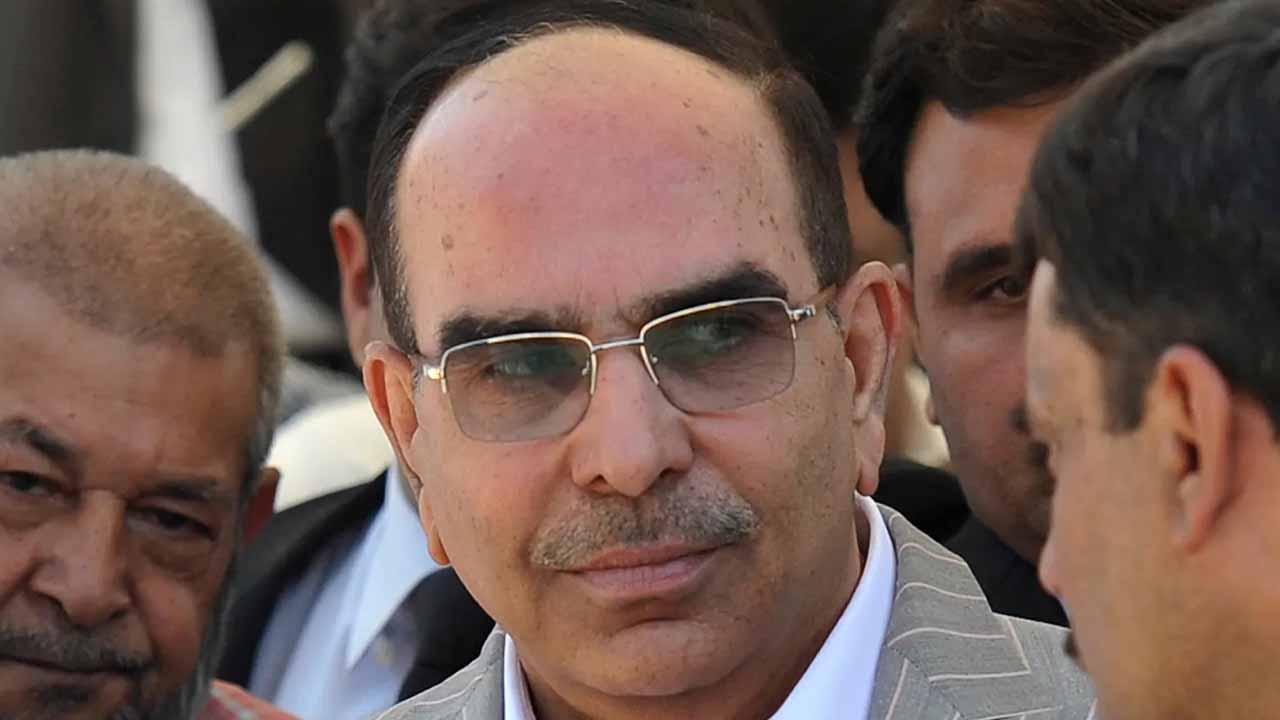
    The National Accountability Bureau (NAB) has asked real estate magnate Malik Riaz and close aides of PTI Chairman Imran Khan to appear before court on December 1 in a case relating to a £190 million (Rs50 billion) settlement.

    According to Profit, the owner of Bahria Town Malik Riaz was asked to appear before a joint investigation team of the anti-corruption watchdog on December 1 at 11 am at the bureau’s Rawalpindi headquarters, according to a NAB letter.

    “Call-up notice to the persons acquainted with facts of the case under section 19 of the National Accountability Ordinance-1999, inquiry against holders of public office and others qua misuse of authority, financial gains and criminal breach of trust in recovery of crime proceeds received from the UK and illegal sealing of its record,” the notice stated.

    It claimed that Ali Riaz Malik and others had entered into an out-of-court settlement agreement with Britain’s National Crime Agency for the repatriation of funds to the government of Pakistan following an investigation into allegations of abuse of power, financial gain, and criminal breach of trust.

    Imran and his wife were accused by Rana Sana Ullah of getting substantial amounts of land from Bahria Town property owners.

    Malik Riaz has been demanded to provide full records regarding the acquisition of 458 kanals in Tehsil Sohawa, the agreement by which Bahria Town donated land to Al Qadir Trust along with revenue documents, and information regarding any other property that he or any of his relatives transferred in favour of Al Qadir Trust or any of its trustees.

    Unverified reports claim that Imran Khan’s wife serves as one of the trustees. The real estate tycoon was informed that disobeying this notification could result in legal repercussions under NAO 1999.

    Interior Minister Rana Sanaullah revealed a secret arrangement between the NCA and Malik Riaz’s family members (referred to as “the counter parties”) in June of this year.

    In order to defend the real estate company in a case involving money laundering, he had charged Imran Khan and his wife of collecting Rs5 billion and hundreds of kanals of land from Bahria Town.

    A £190 million settlement offer that includes a UK property, 1 Hyde Park Place, London, W2 2LH, was accepted by the NCA in December 2019. All of the money, which had a value of almost £50 million, ended up in Malik Riaz’s blocked accounts.

  • Saad Rafique directs PIA to install mobile charging points in aircraft

    Saad Rafique directs PIA to install mobile charging points in aircraft

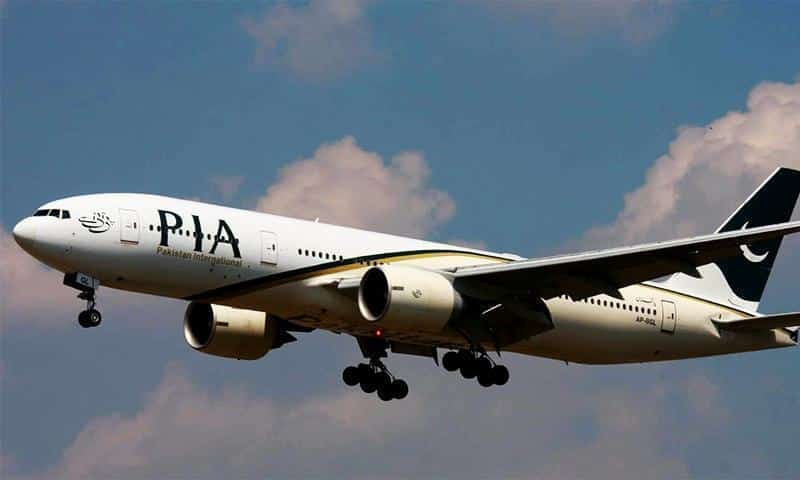
    Federal Aviation Minister Khawaja Saad Rafique on Saturday directed Pakistan International Airlines (PIA) to install charging stations for electronic devices in their aircraft.

    The minister also instructed the national flag carrier to make seats more comfortable for the passengers. In addition, it was advised to install a flight entertainment system in the aircraft.

    Officials were directed to review its current branding as well.

    “Special arrangements should be made for cleaning the washrooms,” he added.

    The directions were issued after a meeting headed by Saad Rafique, which was attended by officials from the Pakistan Civil Aviation Authority (PCAA), the Airport Security Force (ASF), and the PIA.

    The aviation minister hopes that the upgrades will boost customer service standards.

  • SBP raises key interest rate to 16% amid economic difficulties to combat inflation

    SBP raises key interest rate to 16% amid economic difficulties to combat inflation

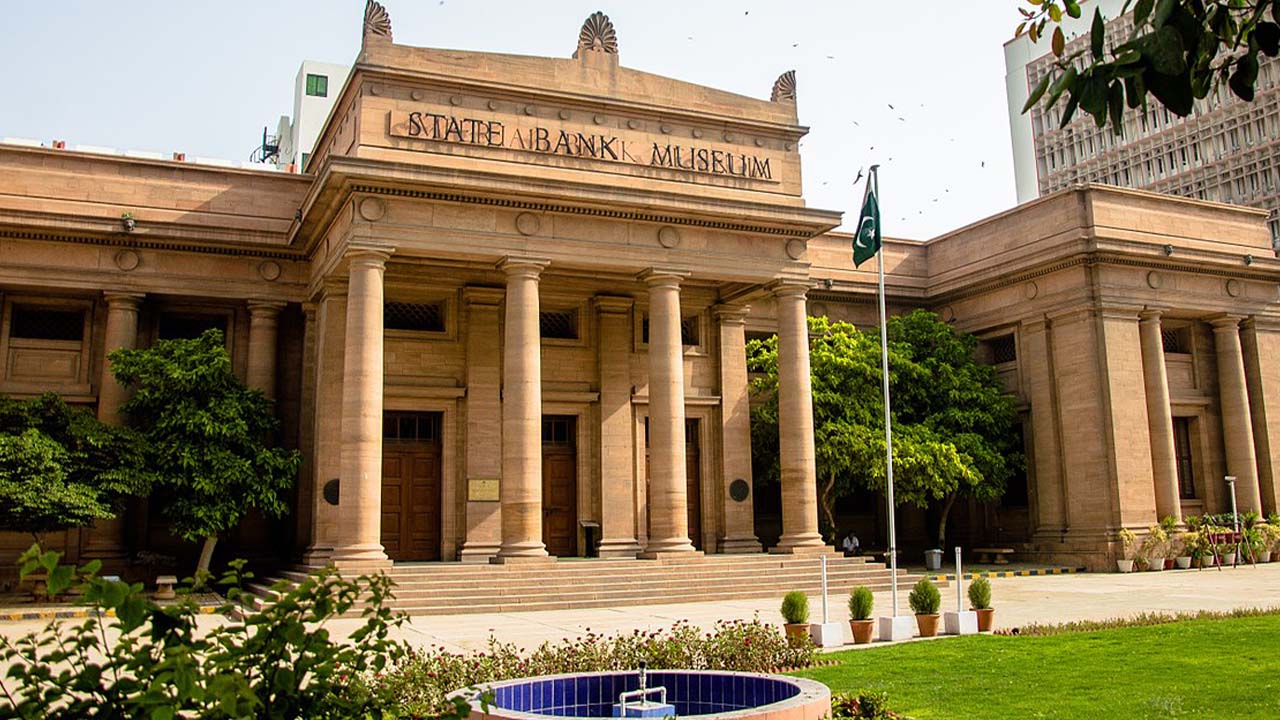
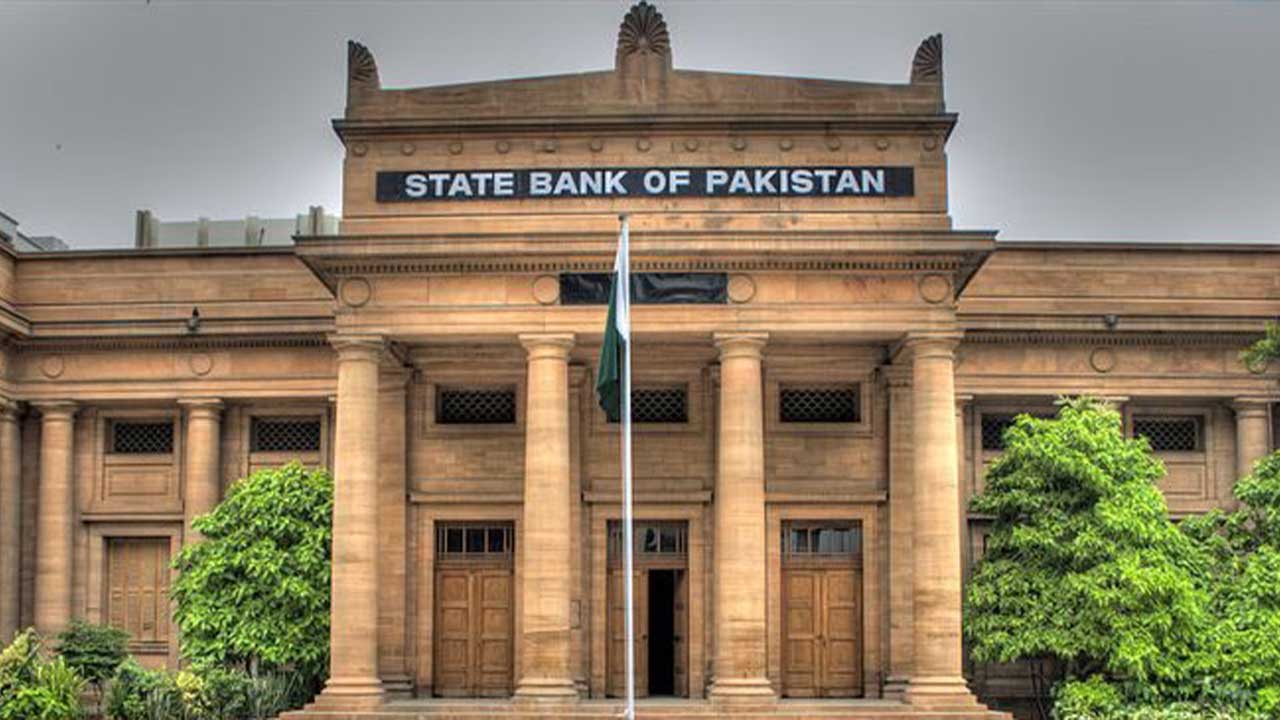
    The State Bank of Pakistan’s Monetary Policy Committee (MPC) increased the key policy rate by 100 basis points to 16 per cent on Friday, the highest level since 1999.

    The decision, according to the central bank, reflects the MPC’s belief that inflationary pressures have proven to be higher and more persistent than anticipated, according to a statement released following the meeting.

    “This decision is aimed at ensuring that elevated inflation does not become entrenched and that risks to financial stability are contained, thus paving the way for higher growth on a more sustainable basis,” the MPC said.

    The SBP stated that, notwithstanding the continuous slowing in the economy, supply shocks both domestically and globally are increasingly responsible for inflation.

    “In turn, these shocks are spilling over into broader prices and wages, which could de-anchor inflation expectations and undermine medium-term growth,” the statement read, adding that consequently the rise in cost-push inflation cannot be overlooked and necessitates a monetary policy response.

    The MPC also pointed out that the immediate costs of fighting inflation are less than the long-term consequences of letting it persist. In the meanwhile, reducing food inflation through administrative steps to clear supply-chain snags and any required imports continues to be a top focus.

    From September 2021 to November 2022, the central bank raised the interest rate by a total of 900 basis points, bringing it to 16 per cent.

    However, the committee noted that core inflation and rising food costs are now anticipated to raise average inflation for FY23 to 21-23 per cent.

  • Pakistan will pay back $1 billion international bond 3 days before its due date: SBP governor

    Pakistan will pay back $1 billion international bond 3 days before its due date: SBP governor

    State Bank of Pakistan (SBP) Governor Jameel Ahmad said on Friday that Pakistan will pay back a $1 billion international Sukuk bond three days before its due date of December 5, 2022.

    Given that Pakistan is recovering from terrible floods that claimed more than 1,700 lives and experiencing an economic crisis, there has been rising concern about its capacity to satisfy its obligations for external finance.

    SBP Governor stated during a briefing that the bond repayment, which expires on December 5, totals $1.08 billion.

    In order to guarantee that the repayment would not have an impact on foreign exchange reserves, Jameel noted that finance had been arranged from both international and bilateral sources. Next week on Tuesday, the Asian Infrastructure Investment Bank was anticipated to make an immediate infusion of $500 million, he added.

    As of November 18, Pakistan’s reserves at the central bank were just $7.8 billion, which is not enough to pay for a month’s worth of imports.

    However, Jameel stressed that he was optimistic the reserve number will be “far higher” by the end of the financial year in June 2023. Reserve levels will rely on the continuous realisation of anticipated inflows and the rollover of loans from friendly nations.

    He stated at the briefing that he anticipates that the inflows from foreign lenders would allow him to meet his external finance needs on schedule. Despite payments of $1.8 billion in November, he emphasised that reserves were steady.

    The early completion of Pakistan’s flood recovery plan, according to the International Monetary Fund (IMF), is crucial for negotiations and ongoing financial assistance from multilateral and bilateral partners.

    Pakistan is now enrolled in an IMF bailout programme, which it joined in 2019. Despite the fact that Pakistan is fighting a full-blown economic crisis with decades-high inflation and limited reserves, a fixed date for the ninth review to release much-needed cash is still pending.

  • Suzuki resumes Swift GLX CVT bookings ‘for a limited time only’

    Suzuki resumes Swift GLX CVT bookings ‘for a limited time only’

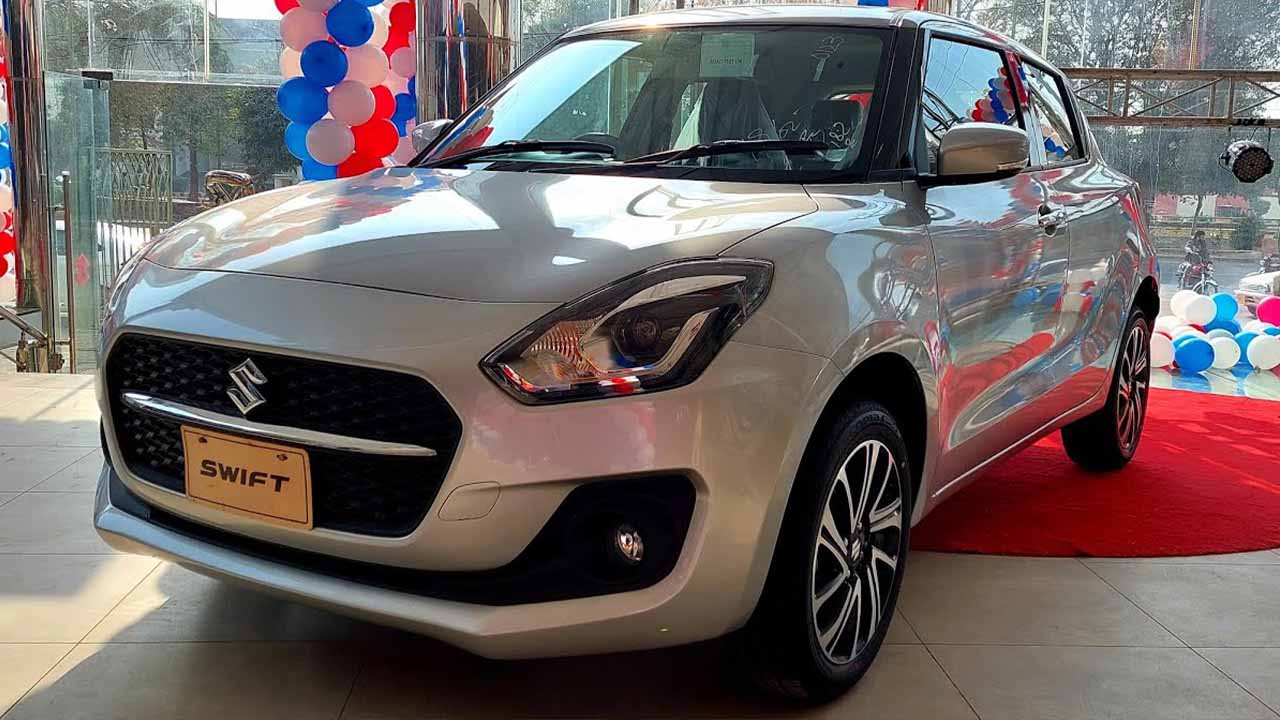
    Production and sales at Pak Suzuki Motor Company (PSMC) are picking up speed. The automaker just announced the reopening of bookings for its overall lineup of vehicles on its official Facebook page.

    The best kei car-selling company is also accepting reservations for the Suzuki Swift’s top and most expensive GLX CVT model, according to Pak Suzuki’s official Facebook page. Without providing a specific date, the automaker claimed that the offer is only valid for a short period of time.

    Sales for PSMC also slightly increased last month. This, along with the aforementioned factors, may signal the company’s turnaround from a protracted slump. Even so, the Swift GLX CVT’s Rs3.76 million price tag makes it difficult to sell.

    The new Swift GL CVT Limited Edition model sits below the GLX CVT model and offers a few extra conveniences over the GL CVT model. These features include a center armrest between the passenger seats and a rear top spoiler.

    The Limited Edition variant of Swift costs Rs3,450,000, which is only Rs30,000 more than the Swift GL CVT standard model. The increased cost represents a premium for the added improvements in the Limited Edition variant.

  • Pakistanis pay about Rs800,000 more for a Suzuki Alto than Indians

    Pakistanis pay about Rs800,000 more for a Suzuki Alto than Indians

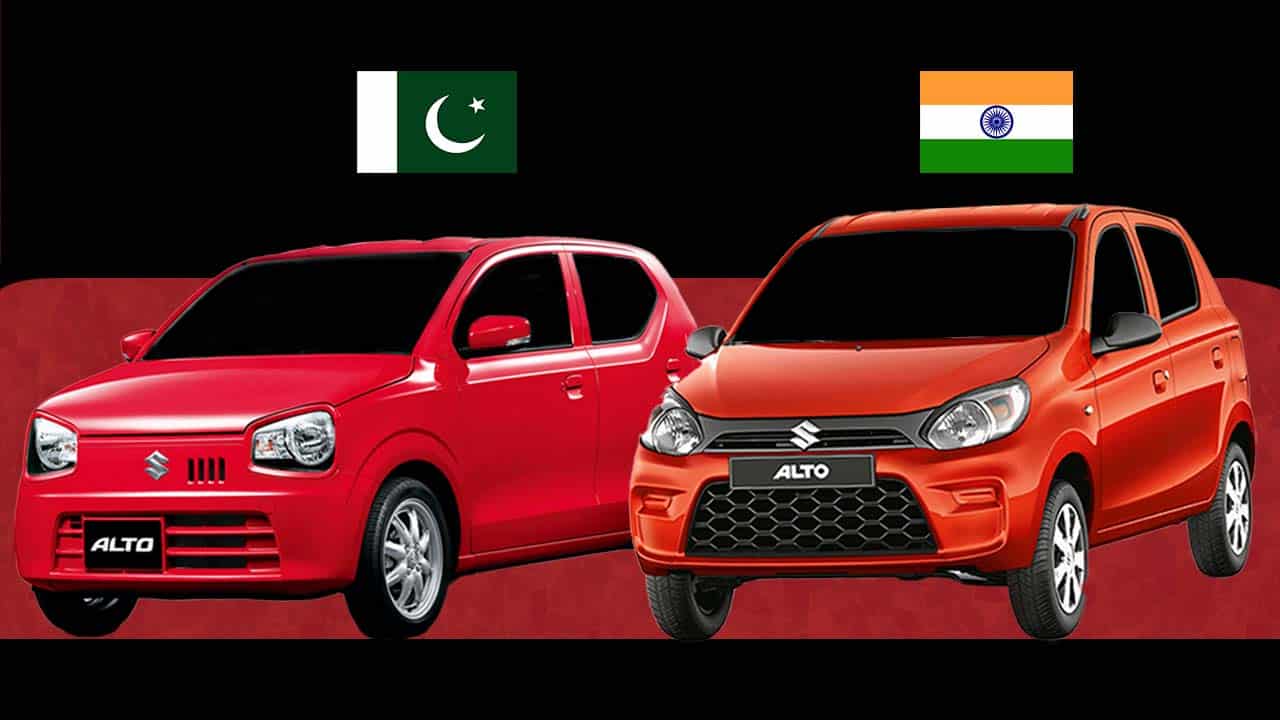
    Shockingly, the base variant of the Suzuki Alto costs PKR 922,000 (INR 339,000) in India, whereas Pak Suzuki Motor Company, Pakistan’s Suzuki vehicle manufacturer, offers the older model of the Suzuki Alto for a starting price of Rs1.7 million.

    The 0.8-liter petrol engine in the Indian Alto 800 produces 48 PS and 69 Nm and is connected to a five-speed manual transmission. When using CNG, the output drops to 41 ps and 60 nm. The vehicle’s quoted mileage is 31.59 km/kg for CNG and 22.05 km per litre for petrol.

    On the other hand, Pakistani Alto is powered by a 3-cylinder 658 cc R06A petrol engine mated to either a 5-speed manual or auto gear shift (AGS) transmission. The variant we are talking about is the manual base variant. The hatchback offers a maximum output power of 39hp at 6500 rpm and a torque of 56 Nm at 4000 rpm. With a compression ratio of 10:1, it comes with a multi-point injection system. The Suzuki Alto offers seating for four adults and a fuel capacity of 27 litres.

    When comparing the Indian Alto to the Pak Suzuki-produced Alto, the Indian Alto appears to have greater power because it has a larger engine, more torque, and costs less.

    It is worth noting that despite its hefty price tag Suzuki Alto is also Pakistan’s most-selling car currently as it is the only mini hatchback sold below Rs2 million from a prominent automaker.

  • Exports from Pakistan witness 35.7% increase in first four months of FY23

    According to data from the Pakistan Bureau of Statistics (PBS), exports from Pakistan increased by 35.77 per cent in rupee terms during the first four months of the current fiscal year (2022-23) compared to the same time previous year.

    According to Geo, exports from July through October (2022-23) were Rs2,131,776 million, up from Rs1,570,136 in the corresponding period the previous year. This represents a growth of 35.77 per cent.

    In comparison to October 2021, when exports were Rs423,063 million, the country’s exports rose by 24.29 per cent to Rs525,831 million in October 2022.

    When compared to the exports of Rs563,714 million reported in September 2022, the exports climbed by 6.72 per cent in October 2022 on a monthly basis.

    The main commodities of exports during October 2022 were:

    Knitwear (Rs86,400 million), readymade garments (Rs60,778 million), bedwear (Rs47,895 million), cotton cloth (Rs37,407 million), rice other than basmati (Rs20,344 million), towels (Rs17,553 million), made-up articles, excluding towels & Bedwear (Rs12,758 million), fish products (Rs12,057 million), rice Basmati (Rs11,375 million) and cotton yarn (Rs10,819 million).

    On the other side, imports increased by 12.87 per cent from July through October 2022 to a total of Rs4,701,648 million, compared to Rs4,165,590 million during the same time previous year.

    Imports totaled Rs1,039,036 million in October 2022 compared to Rs1,232,299 million in September 2022 and Rs1,093,545 million in October 2021, a drop of 15.68 per cent over September 2021 and 4.98 per cent over October 2021.

    The major imports during October 2022 were:

     Petroleum products (Rs100,436 million), petroleum crude (Rs82,124 million), natural gas, liquified (Rs65,485 million), palm oil (Rs59,739 million), plastic materials (Rs47,301 million), iron & steel (Rs38,517 million), raw cotton (Rs29,943 million), iron & steel scrap (Rs26,037 million), electrical machinery & apparatus (Rs24,058 million) and medicinal products (Rs23,234 million).

  • Pakistani workers earn only Rs160 per ball despite producing 70% of the world’s footballs

    Pakistani workers earn only Rs160 per ball despite producing 70% of the world’s footballs

    More than two-thirds of the world’s soccer balls are made in one of Sialkot’s 1,000 factories, including the Adidas Al Rihla, the official ball of the 2022 FIFA World Cup in Qatar, which begins this month.

    Approximately 60,000 people, or 8 per cent of the city’s population, work in the soccer ball manufacturing industry in Sialkot. They frequently put in long hours and sew the panels of the balls by hand.

    In Sialkot, hand stitching is used in more than 80 per cent of the soccer balls produced. This time-consuming method increases the soccer ball’s durability and aerodynamic stability. Compared to stitches made by machines, the seams are deeper and the tension is higher.

    Bloomberg reports that stitchers make about Rs160 ($0.75) each ball. It takes three hours to finish each one. A stitcher can make roughly Rs9,600 per month by stitching three balls per day. The earnings are modest, even for an impoverished area. According to researcher estimates, a living wage for Sialkot is close to Rs20,000 per month.

    Women make up the majority of those who sew the balls. They might sew two balls in a typical day, go home to prepare meals for their kids, and then go back to work in a nearby village in the late afternoon.

    Usually, men prepare supplies or do quality checks at various phases of the production process. The industries in Sialkot employed kids as young as 5 alongside their parents up until labour laws were passed in 1997. According to a 2016 assessment, the sector in Sialkot is threatened by the ban on child labour since it “took away a large slice of a prospective skilled generation,” creating a persistent worker shortage.

    About 40 million soccer balls are purchased annually worldwide, and sales are anticipated to increase during the World Cup.

  • TikTok is willing to open offices in Pakistan: IT minister

    TikTok is willing to open offices in Pakistan: IT minister

    Federal Information Technology (IT) Minister Syed Aminul Haque stated on Wednesday that popular social media platform TikTok is interested in opening offices in Islamabad after discussions were successful. He also hinted that another significant social media platform was also open to coming to the country.

    On Wednesday, he made this statement while speaking at an event in Islamabad.

    He noted that the government wanted social media businesses to establish offices in the nation and stated that TikTok was one with which effective negotiations had taken place. The platform may soon establish headquarters in Islamabad, he added.

    TikTok does not belong to a group of regional social media sites that have resisted government attempts in recent years to exert more direct control over what is posted on the site.

    He made a suggestion that a significant social media site that is a part of the collective has stated a willingness to establish offices in Pakistan.