Category: Business

  • IMF expects Pakistan’s govt gross debt to decline by 6.7%

    IMF expects Pakistan’s govt gross debt to decline by 6.7%

    According to projections made by the International Monetary Fund (IMF), Pakistan’s government gross debt will decrease from 77.8 per cent of GDP in 2022 to 71.1 per cent in 2023.

    The predictions for Pakistan’s fiscal year 2022–2023, however, are made using data as of the end of August 2022 and do not take the current floods’ effects into account.

    The net debt for Pakistan is predicted to decrease from 71.5 per cent of GDP in 2022 to 66.1 per cent in 2023, according to the IMF study “Fiscal Monitor, Helping People Bounce Back.”

    According to projections, government revenue will represent 12.4 per cent of GDP in 2023 and 12.8 per cent of GDP in 2024, compared to 12.1 per cent during the same time in 2022.

    The primary balance of the government was predicted by the Fund to be 0.2 per cent in 2023 as opposed to -3.0 per cent in 2022. Furthermore, compared to 2022, 2023 is expected to see a decrease in the government’s overall balance of 4.8 per cent.

  • Pakistani rupee finally snaps 13-day winning streak versus US dollar

    Pakistani rupee finally snaps 13-day winning streak versus US dollar

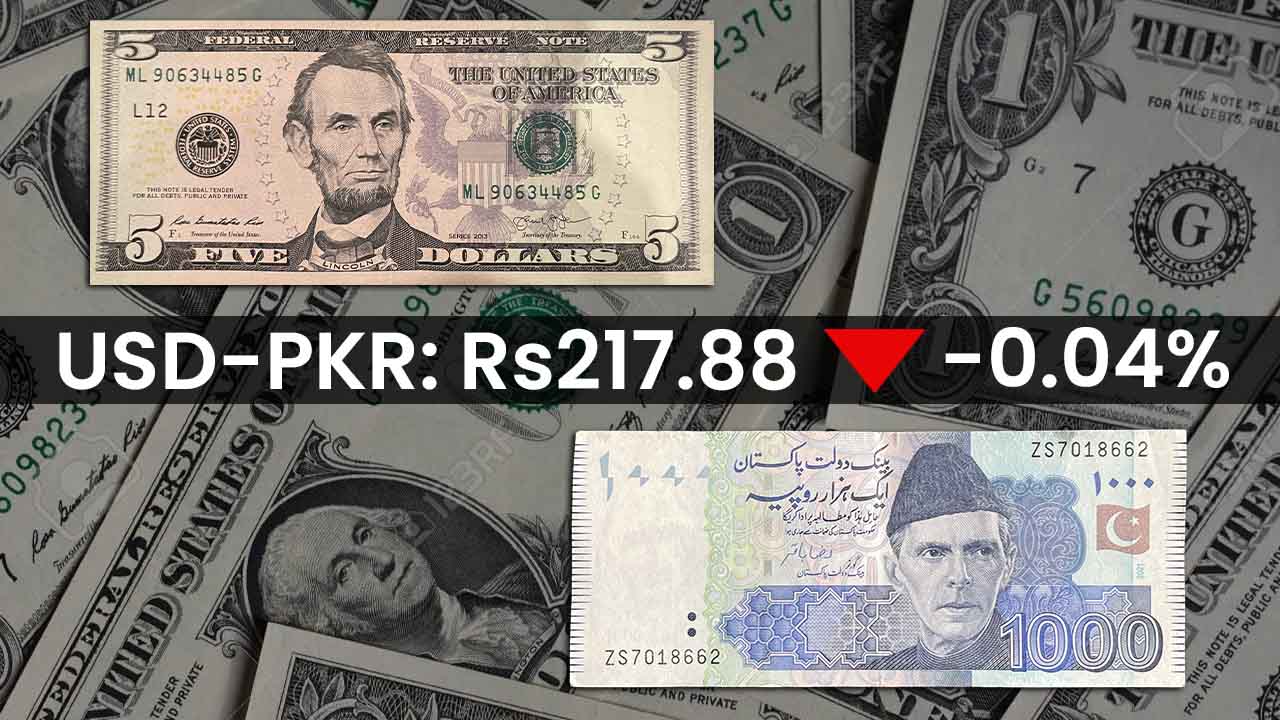
    The Pakistani rupee (PKR) on Wednesday finally stopped rising against the US dollar after 13 sessions as it dropped by 0.04 per cent in the inter-bank market.

    It dropped nine paisas in today’s interbank market to settle at Rs217.88, depreciating by 0.04 per cent against the USD. During today’s open market session, the local currency was quoted at a day low of Rs217.65 against the US dollar.

    The recent increase in the value of the rupee is linked to a change in sentiment and the central bank’s operations against participants in currency speculation.

    On Wednesday, as traders prepared for US inflation data and its implications for future Federal Reserve rate hikes, the dollar reached new 24-year highs internationally.

    After the International Monetary Fund (IMF) predicted that Pakistan’s inflation rate will be 19.9 per cent in 2023 as opposed to 12.1 per cent in 2022, the rupee halted its 13-day winning run.

    The lender predicted Pakistan’s GDP growth rate would be 3.5 per cent in 2023 compared to 6 per cent in 2022, however this does not take the current floods into account.

    Wednesday also saw a global decline in oil prices for the third day in a straight as investors feared the impact of increasing COVID-19 regulations in China and mounting global economic threats on fuel demand.

  • Apple witnesses highest sales growth in PC segment

    Apple witnesses highest sales growth in PC segment

    Apple MacBooks are increasingly being purchased by more people. Apple’s sales have significantly increased compared to the previous year, despite the fact that it offers the most expensive products in the global tech market.

    This is a blatant example of why customers tolerate the fact that the company sells everything at a heftier price tag but also offers top-notch quality at the same time.

    The PC market experienced a 15 per cent fall in the second quarter of 2022 compared to the same period last year, and it has now repeated itself, according to market researcher International Data Corporation (IDC).

    In 2022, Lenovo continues to dominate the PC industry, followed by HP and Dell. Apple comes in at number four, while ASUS is positioned at the bottom of the top 5. The only firm on the list to experience a 40 per cent growth over that time was Apple; all the others had a decline.

    The most recent IDC report reveals a further 15 per cent decline in PC shipments. For clarity, servers, tablets, and 2-in-1 convertibles are not considered “PCs” in this research; only desktops, laptops, and workstations are.

    Positively, the overall number of shipments to consumers and distributors was 74.3 million, down from the previous quarter but up from Q1.

    In 2022, it was still difficult to find PC components, which led to price increases and higher Average Selling Prices (ASP) for all computers. However, the ASP decreased in Q2 and Q3, which Linn Huang, research vice president of Devices & Displays at IDC, claims is a sign of “a market in retreat.”

  • IMF lowers growth prediction for FY23, cautions ‘the worst is yet to come’

    IMF lowers growth prediction for FY23, cautions ‘the worst is yet to come’

    The International Monetary Fund (IMF) on Tuesday warned that the worst was yet to come as it further cut its projection for global economic growth to minus 2 per cent amid persistently increasing inflation.

    According to Dawn, the global lender of last resort projected Pakistan’s GDP growth rate at 3.5 per cent and inflation at about 20 per cent in its World Economic Outlook (WEO) 2023 – Countering the Cost-of-Living Crisis with the caveat that “the 2022 projections for Pakistan are based on information available as of the end of August and do not include the impact of the recent floods.”

    The fund forecasted Pakistan’s current account deficit at 2.5 per cent of GDP for the current fiscal year, down from 4.6 per cent last year, and the unemployment rate at 6.4 per cent on the same basis. Therefore, all of these projections are based on dated information that has drastically changed over the past two weeks.

    The Asian Development Bank estimated Pakistan’s growth rate to be 3.5 per cent late last month, compared to the World Bank’s projection of 2 per cent last week.

    According to the IMF, its projections call for global growth to decline from 6 per cent in 2021 to 3.2 per cent in 2022 and then further to 2.7 per cent in 2023, which is 0.2 per cent below the July forecast, with a 25 per cent chance that it will dip below 2 per cent.

    The three greatest economies—the United States, the European Union, and China—will continue to stagnate, while more than one-third of the world economy will contract this year or the following year. It said that Russia’s invasion of Ukraine was still seriously destabilising the world economy and that “in short, the worst is yet to come.”

    The fund urged international decision-makers to maintain their composure while storm clouds formed. It blamed the lasting consequences of three strong forces—the Russian invasion of Ukraine, a cost-of-living crisis brought on by persistent and expanding inflation pressures, and the downturn in China—for the severe economic challenges the world economy is currently facing.

    According to the WEO, worldwide inflation would increase from 4.7 per cent in 2021 to 8.8 per cent in 2022 before falling to 6.5 per cent in 2023 and 4.1 per cent by 2024. With more variation in emerging markets and developing nations, upside inflation shocks have been most common in advanced economies.

    The fund recommended emerging market officials to batten down the hatches right away. IMF access to preventative instruments should be urgently considered by eligible nations with strong policies who want to increase their liquidity reserves.

    As too many low-income countries were in or on the verge of debt distress, the countries should also try to reduce the effects of upcoming financial instability by a combination of preventative macroprudential and capital flow measures, where appropriate.

    The IMF stated that in order to prevent a wave of sovereign debt crises, the Group of Twenty’s Common Framework’s progress toward orderly debt restructurings for the most impacted was urgently required. Time could be rapidly running out.
  • Uber ceases operations in 5 Pakistani cities

    Uber ceases operations in 5 Pakistani cities

    According to a statement released by Uber on Tuesday, it has stopped operating in Karachi, Multan, Faisalabad, Peshawar, and Islamabad.

    A statement on the company’s website says, “Uber is dedicated to Pakistan. We will continue to serve these five cities via our subsidiary brand Careem and continue to run the Uber app in Lahore.”

    Uber will keep providing its services in Lahore while also introducing new products to “help earners through these challenging times.”

    It declared that it would inform its customers and business partners in the five locations of how to use and seamlessly switch to Careem.

    “When we acquired Careem, it was always our belief that the two companies could come together to complement each other’s strengths and better serve the region through tailored experiences,” the statement added.

    According to Dawn, the company said it was aware this was a “difficult time” for its teams, which had “worked incredibly hard to build this business over the past few years”.

    “We greatly appreciate everyone’s contributions and our priority is to minimise the impact on our employees, drivers, riders, and Hero partners who use the Uber app during this change in Karachi, Islamabad, Faisalabad, Multan and Peshawar,” the statement reads.

    Uber finalised the $3.1 billion acquisition of rival Careem in 2020. At the time, it was said that Careem and Uber will continue to operate as distinct businesses and provide their own regional services.

    By the time the purchase was completed, Uber had acquired Careem’s mobility, delivery, and payments operations throughout the larger Middle East, including its key markets in Saudi Arabia, Egypt, Jordan, and the United Arab Emirates.

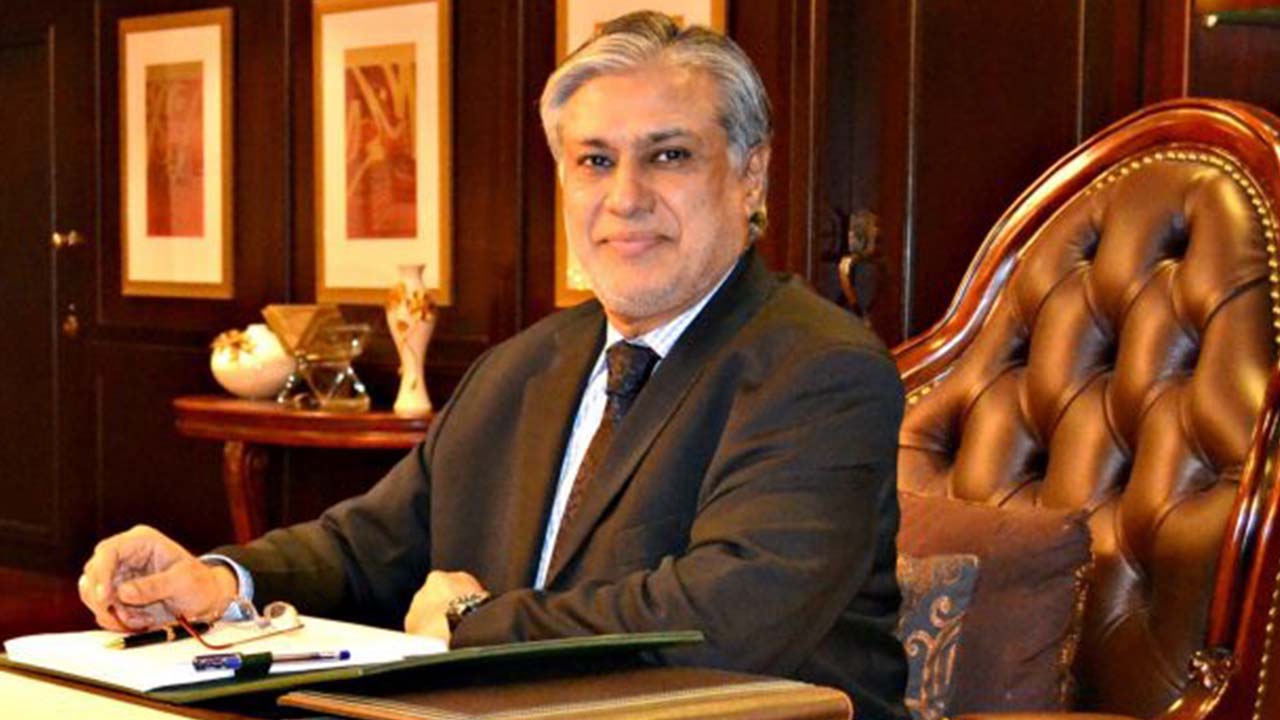
  • Ishaq Dar leaves for US to attend annual IMF, World Bank meetings

    Ishaq Dar leaves for US to attend annual IMF, World Bank meetings

    The Federal Minister of Finance and Revenue Ishaq Dar would ask the World Bank (WB) for an early release of cash and the International Monetary Fund (IMF) to relax the program’s rules.

    Alongside the annual meeting, Ishaq Dar will meet representatives from the IMF and WB. He will also meet representatives of the global rating agency Moody’s and the IMF to examine the state of the economy and the loan programme.

    According to Dawn, the discussions will also include participation from the Finance Secretary and the Governor of the State Bank of Pakistan (SBP).

    At a press conference on Saturday, the minister firmly denied rumours that he will visit the Paris Club to reschedule loans from multilateral lenders and donor organisations.

    The minister added that they had complied with the report of the most recent Moody’s credit rating in a hurry and that the ministry had provided its response in a press release.

    The Prime Minister met with representatives from the World Bank and the International Monetary Fund last month on the UN sidelines to review the current flood situation and request relief in the programme terms, which they pledged to take favourably.

  • Pakistani rupee continues to rise for 13th consecutive session

    Pakistani rupee continues to rise for 13th consecutive session

    The Pakistani rupee is strengthening versus the US dollar in the interbank market and increased by more than 0.4 per cent on Tuesday morning.

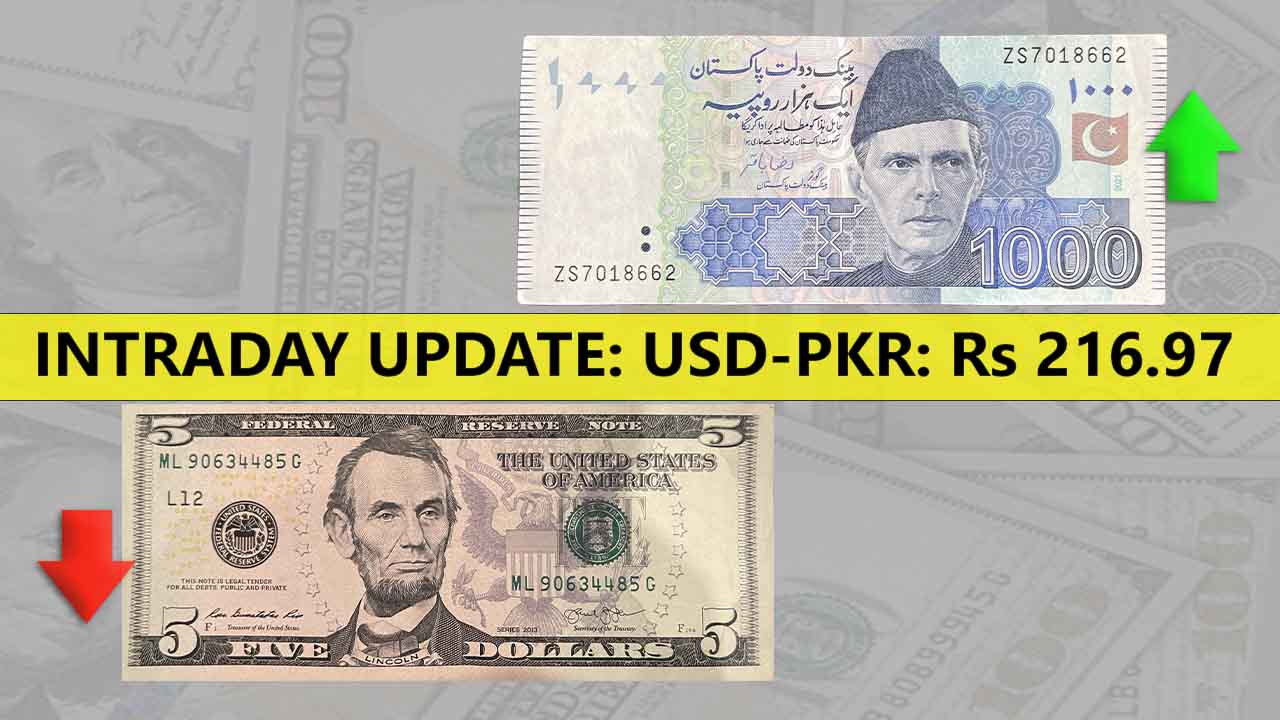
    During intra-day trading, the rupee was quoted at Rs216.97 at around 10:40 am, up Rs1 or 0.46 per cent against the US dollar.

    On Monday, the rupee continued its upward trend against the US dollar for the 12th straight session and appreciated Rs1.95 or 0.89 per cent to settle at Rs217.97.

    The Monetary Policy Committee (MPC) of the central bank maintained its benchmark policy rate at 15 per cent on Monday, which was a significant development.

    However, market observers attribute the rupee’s recent increase to the central bank and other authorities’ efforts to curb market speculation.

    According to Brecorder, the United Nations Development Programme issued a grim warning on Tuesday, stating that there was a debt problem that was rapidly worsening in a number of developing countries, including Pakistan.

    Without prompt assistance, the poverty rate in at least 54 countries would increase, according to UNDP, and “critical investments in climate adaptation and mitigation will not happen.”

    Sri Lanka, Pakistan, Tunisia, Chad, and Zambia are the nations most at risk right now, according to UNDP head economist George Gray Molina.

    In other countries, the dollar loomed big over precarious financial markets on Tuesday, worrying investors with concerns about rising interest rates, global growth, and geopolitical tensions.

    The 20-year high of Rs114.78 that it reached late last month was not far away; the US dollar index was up 0.053 per cent at Rs113.12 at the time.

    An increase in COVID-19 cases in China and a stronger US dollar contributed to Tuesday’s decline in oil prices, a major measure of currency parity, as they sparked worries about a faltering global economy.

  • LC payments up to $50,000 to be released by SBP

    LC payments up to $50,000 to be released by SBP

    Federal Finance Minister Ishaq Dar said that $50,000 in letters of credit (LC) payments that are overdue will be settled this week.

    According to Geo, the decision was made following a discussion with the Governor State Bank of Pakistan (SBP) Jameel Ahmed Dar said that the SBP chief will convey these instructions to clear LCs as a “first step” towards growth next month before departing for Washington DC to meet with International Monetary Fund (IMF).

    Almost 4,400 requests for opening LCs, a payment mechanism used in international trade to provide an economic guarantee from a creditworthy bank to an exporter of goods, will be deducted after these decisions, according to the speaker, who revealed that there were a total of 7,952 cases still pending.

    For certain imports, including completely knocked down (CKD) vehicles, telephones, and various types of machinery, the SBP previously required prior approval before opening LCs or registering contracts. However, these directives were given on May 20.

    The Finance Minister also made it clear that Pakistan will not be refinancing its loans through the Paris Club. According to him, Pakistan will make sure to make timely payments to multilateral organisations for its national sovereign debt obligations. He claimed that in this regard, a strategy had been developed.

  • PFA seizes 1,600 kg outdated meat and expired edibles during a raid in Lahore

    PFA seizes 1,600 kg outdated meat and expired edibles during a raid in Lahore

    On Saturday, the Punjab Food Authority (PFA) foiled an attempt to move a massive stock of unhygienic and expired food from cold storage to some other facility.

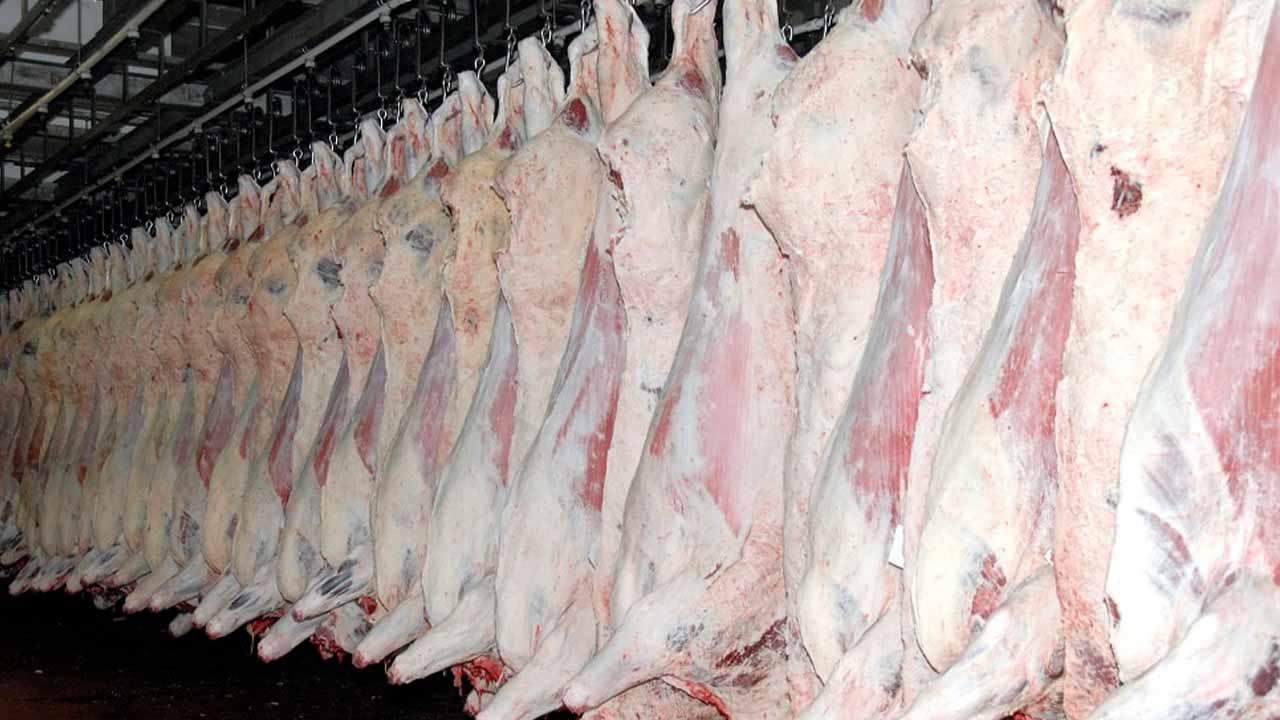
    According to The News, PFA Director General Mudassar Riaz Malik and an enforcement team raided a cold storage at Bhobatian Chowk, Lahore based on vigilance-based evidence, and they seized a vehicle (a chiller truck) that was entirely loaded with 1,600 kg of outdated meat, 150 kg of expired butter, and 20 kg of cheese.

    He claimed that unhealthy food was being transported around just to avoid the PFA’s action, however the officials were able to foil the fraud mafia’s plans. Selling or providing expired stock along with new food is illegal and deceptive, according to the PFA DG.

    He asked everyone in the food industry to work with the PFA to comply with the law and fulfill the objectives of the reform.

  • Pakistani rupee becomes best performing currency after recording impressive gains

    Pakistani rupee becomes best performing currency after recording impressive gains

    The unpredictable Pakistani rupee, which made the highest rise of 3.9 per cent over five working days to Rs219.92 against the dollar on anticipation of sizable inflows of foreign cash, was dubbed the “world’s best-performing currency” in the week that concluded on Friday.

    According to analysts monitoring currency movements, the rupee proved to be the best-performing currency throughout the week.

    Friday marked the rupee’s 11th straight successful working day since the current finance minister, Ishaq Dar, announced his return to Pakistan by ending a five-year self-exile last month, according to the Express Tribune.

    Clearly, Dar continued his previous strategy of defending the rupee from the assault of the US currency after assuming power. He thought the rupee was undervalued at its all-time low of roughly Rs240 to the dollar in July and suspected commercial banks of manipulating the rupee’s value to advance their own interests.

    In a swift move, Pakistani officials notified Moody’s that during recent meetings with multilateral creditors, the government had received an additional funding commitment of more than $2.5 billion from the Asian Development Bank.

    This was done while strongly responding to Moody’s downgrading Pakistan’s credit rating to Caa1. The World Bank has also committed to providing an additional $1.3 billion in finance for infrastructure improvement and other projects during the current fiscal year.