Category: Business

  • Samsung is getting out of LCD business by the next month

    Samsung is getting out of LCD business by the next month

    Samsung Display has decided to cut its LCD production unexpectedly by July 2022. The stoppage was originally planned for December, but it can now take place as soon as the end of this month.

    According to insiders, Samsung’s competition has been quite harsh, and the company wanted to avoid further losses.

    Keeping in view previous Display Supply Chain Consultants (DSCC) reports, the price of LCD panels is only 36.6 per cent of what it was in 2014, when production was at its peak. BOE, a Chinese display manufacturer, and AU Optronics, a Taiwanese company, are also offering lower prices to customers.

    Samsung had planned to exit the LCD business in 2020, but lockdowns caused by the COVID-19 pandemic increased demand for home entertainment on low-cost devices like affordable TVs and smartphones. As a result, Samsung was forced to postpone this significant step.

    Samsung officials have yet to respond to a request for comment, but we expect to learn more about the shutdown’s financial implications in July when the tech giant releases its Q2 earnings report.

    As per the Korea Times, people’s interest in LCDs has waned, while they are increasingly drawn to display technologies such as Quantum Dot and OLED.

    A US market research firm also revealed the LCD panel price index has fallen dramatically since late 2021 and is now down 60 per cent year on year.

    Moreover, in recent years, smartphones have also shifted from LCD displays to OLED displays.

  • Khyber Pakhtunkhwa reduces free fuel allocation for ministers and govt officials

    Khyber Pakhtunkhwa reduces free fuel allocation for ministers and govt officials

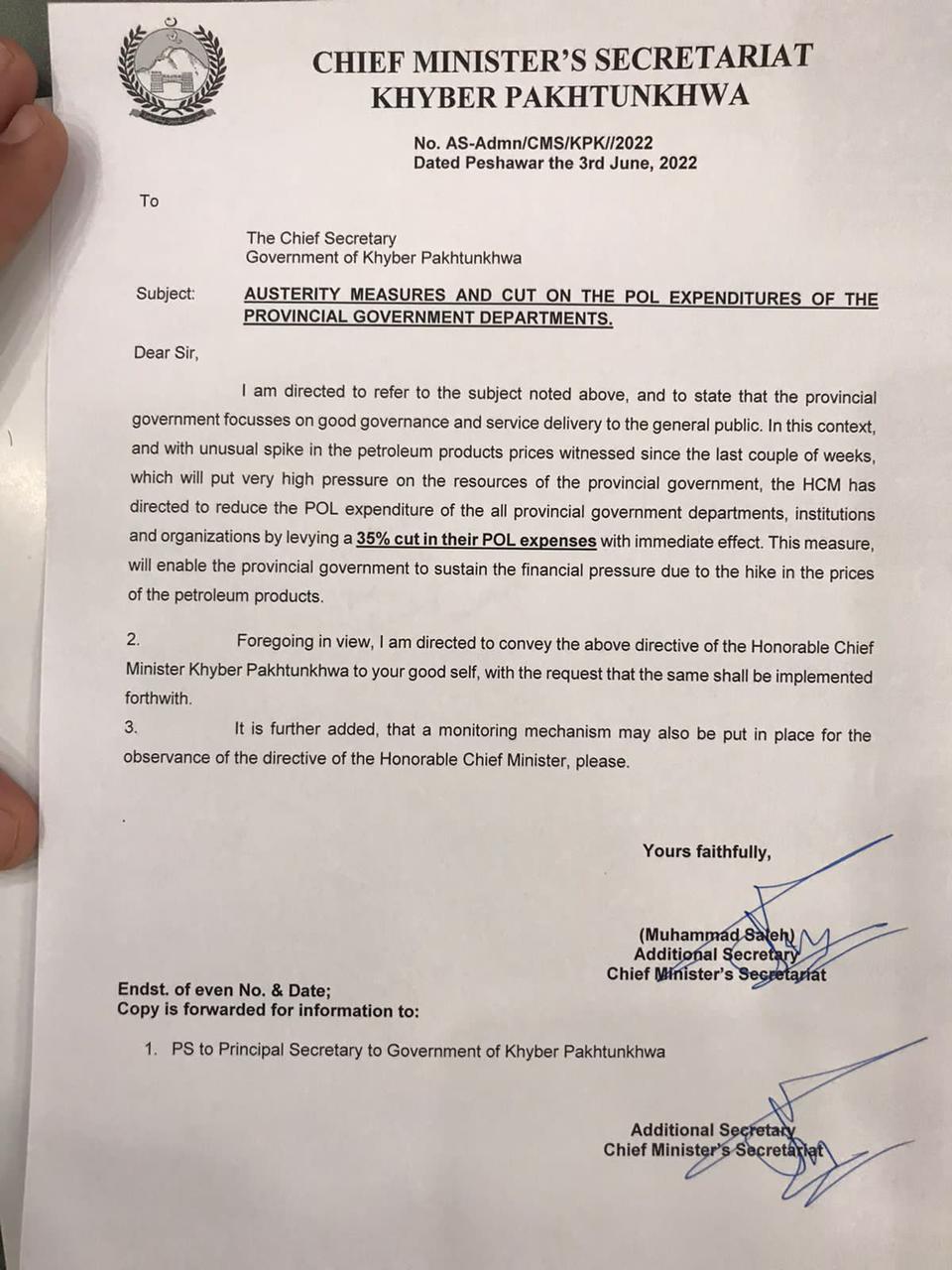
    Following Sindh, the Khyber Pakhtunkhwa (KP) government has decreased free petroleum quotas for all provincial government departments, institutes, and organisations.

    Chief Minister of KP, Mehmood Khan, has approved a 35 per cent reduction in the free gasoline allotment, according to an official notification issued by the KP Chief Secretary.

    The news comes just hours after the Sindh government decided to reduce the Chief Minister’s (CM), ministers’, and provincial government employees’ free fuel quotas.

    Keeping in view a substantial spike in POL prices within the last few days, the decision was made to limit spending and decrease the strain on the national kitty.

    Read more: Petrol quota for ministers, govt officials in Sindh lowered by 40 per cent

    The latest petrol price hike came just hours after the National Electric Power Regulatory Authority (NEPRA) approved a power tariff hike of Rs7.91 per unit.

  • Petrol quota for ministers, govt officials in Sindh lowered by 40 per cent

    Petrol quota for ministers, govt officials in Sindh lowered by 40 per cent

    Sindh Chief Minister (CM) Murad Ali Shah lowered the petrol allotment of ministers and government officials by 40 per cent this week as part of his moderation campaign following another spike in petroleum prices.

    Keeping in view a substantial spike in POL prices within the last few days, the decision was made to limit spending and decrease the strain on the national kitty.

    “The rise in petrol price should not be a burden on the exchequer,” Sindh CM Murad Ali Shah said, increasing the treasury’s load entails intensifying the burden on individuals.

    To meet the International Monetary Fund’s (IMF) conditions, the government has unleashed another big gasoline bomb on the country after another hike of Rs30. In less than a month, the price of petrol has risen by Rs60 to Rs209.86.

    The latest petrol price hike came just hours after the National Electric Power Regulatory Authority (NEPRA) approved a power tariff hike of Rs7.91 per unit.

    The price hike sparked riots in Karachi, with protesters wrecking a petrol pump and torching tyres on University Road. Despite expressing their dissatisfaction with the situation, the general public has requested that the government tightens its belt instead of putting the weight on the populace.

    Senator Mustafa Nawaz Khokar, a top PPP lawmaker, also shared this attitude, suggesting a 50 per cent wage cut for politicians, generals, judges, and senior bureaucrats.

    “Why should common folk shoulder the failures of the political, military and judicial elite? This joke has to end”.

    If the average citizen is compelled to narrow his belt, Khokar believes that politicians, generals, judges, and top bureaucrats’ income should be halved and all amenities, including free utilities, should be removed.

    The administration warned on June 2 that it would raise fuel prices by Rs30 for the second time in ten days, as an attempt to obtain the remaining funds from IMF.

  • Microsoft reduces profit estimation due to market volatility

    Microsoft reduces profit estimation due to market volatility

    Microsoft slashed its fourth-quarter profitability and earnings projections on June 2, becoming the latest U.S. corporation to notify of the impact of a stronger dollar.

    An aggressive Federal Reserve and increased geopolitical tensions have driven the dollar up 14 per cent against a basket of currencies in the last year, forcing companies like Coca-Cola Co and Procter & Gamble to lower their expectations for the rest of the year.

    A stronger dollar generally consumes the earnings of multinational corporations that have extensive global operations and convert foreign currencies into dollars. Microsoft has lowered its sales forecast for all three segments, which include Windows products, cloud services, and personal computing.

    Corporate hedging activity has increased as more businesses seek to protect their revenues from the impact of market volatility in the face of rising inflation. It’s indeed common for businesses to preserve themself from unusual currency transitions, however, the intensity comes after years of low forex fluctuation when market volatility had little impact on income.

    Revenue for the quarter is expected to be between $51.94 billion and $52.74 billion, down from a previous range of $52.40 billion to $53.20 billion. Microsoft reduced its profit forecast from $2.28 to $2.35 per share to between $2.24 and $2.32 per share.

    Considering Refinitiv data, analysts expect earnings per share of $2.33 on revenue of $52.87 billion. In April, the company forecasted double-digit revenue growth for the next fiscal year, owing to increased demand for its office software and cloud services as economies reopen and businesses shift to a hybrid model that allows employees to work from both the office and from home.

  • Moody’s lowers Pakistan’s rating to Negative after IMF delay

    Moody’s lowers Pakistan’s rating to Negative after IMF delay

    On Thursday, Moody’s Investors Service (Moody’s) lowered Pakistan’s rating from stable to negative. It confirmed the Government of Pakistan’s B3 issuer and senior unsecured debt ratings in local and international currencies.

    “The decision to change the outlook to negative is driven by Pakistan’s heightened external vulnerability risk and uncertainty around the sovereign’s ability to secure additional external financing to meet its needs,” read the statement.

    This grade indicates that the entity is suffering financial instability or has insufficient cash reserves compared to its business needs, debt, or other financial obligations.

    Rising inflation, which puts downward pressure on the current account, currency, and depleting foreign exchange reserves, has exacerbated Pakistan’s external vulnerability risk, according to the ratings agency, especially in the context of heightened political and social risk.

    “Pakistan’s weak institutions and governance strength adds uncertainty around the future direction of macroeconomic policy, including whether the country will complete the current IMF Extended Fund Facility (EFF) programme and maintain a credible policy path that supports further financing,” it stated.

    In a recent report, Brecorder reported, that despite the above-mentioned risks, Moody’s maintained a B3 rating, indicating that Pakistan will complete the seventh review under the IMF Extended Fund Facility (EFF) programme by the second part of this calendar year. “Additional financing from other bilateral and multilateral partners” will result as a result of this.

    “In this case, Moody’s assesses that Pakistan will be able to close its financing gap for the next couple of years,” it said. On the back of rising global commodity prices, Moody’s forecasts Pakistan’s current account to continue under substantial strain through 2022 and 2023.

    For fiscal 2022 (ending June 2022), Moody’s forecasts a current account deficit of 4.5-5 percent of GDP, somewhat higher than the government’s forecast. It anticipates the current account deficit to reduce to 3.5-4 percent of GDP in 2023 as global commodity prices steadily decrease and local demand moderates. Its expectations for fiscal 2022 and 2023 are higher than previous (early February 2022) projections of 4% and 3%, respectively.

    Given Pakistan’s limited foreign exchange reserves, the country’s growing current account deficits highlight the need for further external finance.

    Pakistan is now negotiating the sixth review of the EFF programme with the IMF.

    “Conclusion of the seventh review, and further engagement with the IMF, will also help Pakistan secure financing from other bilateral and multilateral partners. In this scenario, Moody’s expects Pakistan to be able to fully meet its external obligations for the next couple of years.

    “However, Moody’s assesses that the balance of risks is on the downside. An agreement with IMF could take longer than expected, as the government may find it difficult to reduce fuel and power subsidies given rising inflation.”

    According to Moody’s, if Pakistan is unable to get additional funding before the end of the year, its foreign exchange reserves will continue to be depleted, raising the likelihood of a balance of payments crisis.

    Pakistan’s foreign exchange reserves are currently less than $10.1 billion, posing a threat to the country’s balance of payments as rising oil costs and a ballooning import bill put pressure on the currency.

    At the same time, increased political upheaval, including calls by Pakistan Tehreek-e-Insaf Chairman Imran Khan for early elections, and a delay in the IMF program’s reactivation have all contributed to the country’s economic troubles.

    Moody’s Investors Service and B3 rating

    Ratings are the indicators of the creditworthiness of the ratee. For “obligations considered speculative and exposed to significant credit risk,” Moody’s assigns a B3 grade. This grade indicates that the entity is suffering financial instability or has insufficient cash reserves compared to its business needs, debt, or other financial obligations.

    The bond credit rating division of Moody’s Corporation is known as Moody’s Investors Service, or just Moody’s. It is the company’s traditional line of business and historical moniker. Moody’s Investors Service conducts global financial research on corporate and government bonds. The Big Three credit rating agencies are Moody’s, Standard & Poor’s, and Fitch Group. It’s also on the list of Fortune 500 companies to watch in 2021.

    How Entities are Rated?

    The organisation uses a standardised ratings scale to rate borrowers’ creditworthiness, which gauges potential investment loss in the case of default. Moody’s Investors Service assigns ratings to debt securities in a variety of bond markets. Government, municipal, and corporate bonds; managed investments such as money market funds and fixed-income funds; financial entities such as banks and non-bank finance firms; and structured finance asset classes are all examples. Securities are rated from Aaa to C in Moody’s Investors Service’s ratings system, with Aaa being the highest quality and C being the lowest.

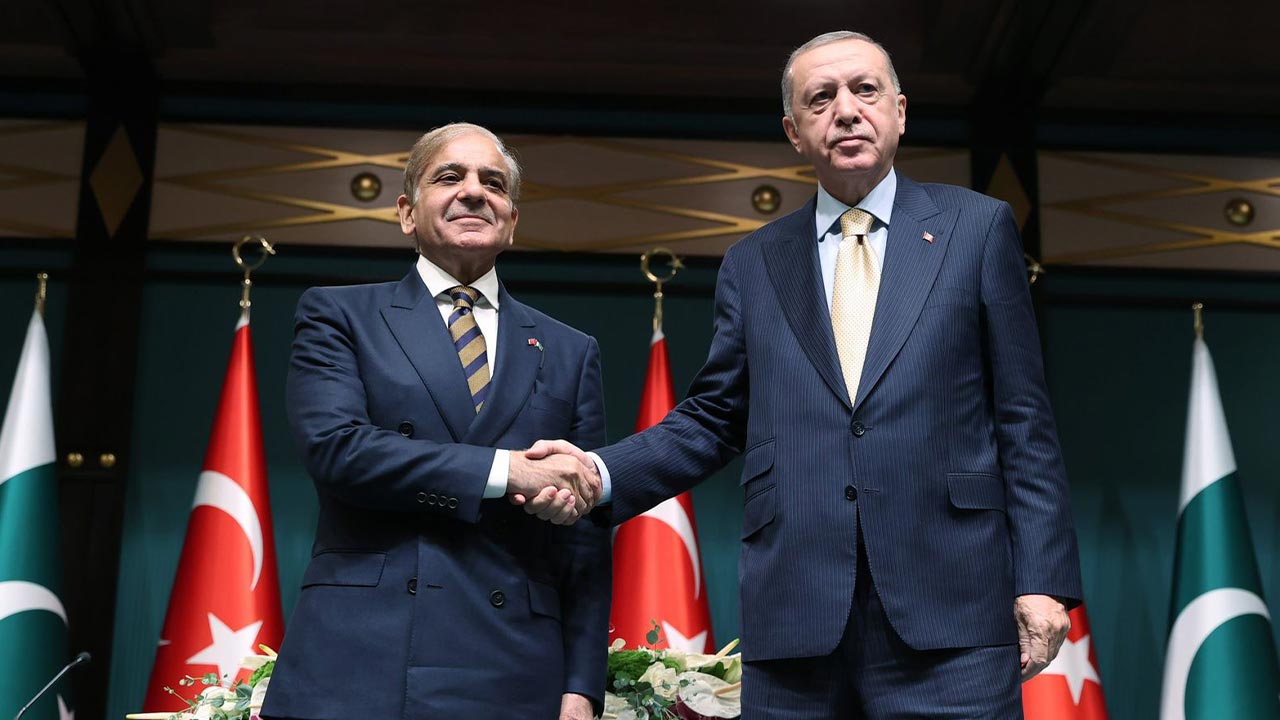
  • ‘Beloved brother’ Shehbaz in Turkey, trade to be expanded from $1bn to $5bn

    ‘Beloved brother’ Shehbaz in Turkey, trade to be expanded from $1bn to $5bn

    Prime Minister (PM) Shehbaz Sharif’s formal visit to Turkey, according to Turkish Foreign Minister Mevlut Cavusoglu, will bring bilateral ties a “new dimension”.

    After a meeting in Ankara, he made the remarks, “On the 75th anniversary of our diplomatic ties, we hosted my beloved brother Shehbaz Sharif, Prime Minister of the Islamic Republic of Pakistan. We are prepared to further develop Türkiye-Pakistan relations in light of the two nations’ shared history, friendship, and potential,” Cavusoglu stated on Twitter.

    PM Shehbaz arrived in Istanbul on Tuesday for a three-day official visit, his first since becoming the PM of Pakistan in April.

    According to a Foreign Ministry statement, the premier stressed the significance of growing bilateral trade volume to $5 billion over the next three years.

    “The Prime Minister noted that the bilateral relations were exceptionally warm as the people of the two countries shared special bonds that dated back centuries,” the ministry said in a statement.

    He also emphasised the two countries’ shared interests on a number of regional and international issues, according to the report.

    He said Islamabad aimed to strengthen bilateral trade and cultural ties with Ankara in his address to the Turkey-Pakistan Business Council on Tuesday evening.

  • Honda 125S will now be sold for nearly Rs200,000

    Honda 125S will now be sold for nearly Rs200,000

    Several factors, including burgeoning raw material costs, continuous depreciation of the local currency, and greater freight rates, have forced the Pakistani two-wheeler industry to announce regular price hikes in 2022, putting motorcycles in a price range that is difficult to afford for a remarkable portion of the populace.

    Atlas Honda recently announced a price increase for their motorcycles in the range of Rs3,600-9,000, with the new rates taking effect from June 1, 2022.

    United, Metro, and Road Prince, among other Chinese motorbike manufacturers, have also hiked their two-wheeler prices.

    New prices

    The price of the Honda CD 70 has increased by Rs3,600, to Rs106,500. Similarly, following a Rs4,000 increase, the CD70 Dream model is now available for Rs113,500.

    Following a Rs5,000 price hike, the Pridor variant will now be available for Rs144,900.

    The CG125 and CG125S have had their prices increased by Rs5,000 to Rs168,500 and Rs198,500, respectively.

    The price of the Honda CB125F has been hiked by Rs9,000 from Rs244,900 to Rs253,900.

    The price of the CB150F has been increased to Rs308,900, while the CB150F (red, black) will be available at Rs312,900 starting June 1.

    Since March 2022, Atlas Honda has increased the price of its motorcycles every month.

    The two-wheel market isn’t the only one seeing price increases; car costs have grown by up to 55 percent in the current fiscal year.

    As per industry experts, the increase in motorbike and automobile prices is primarily due to an increase in foreign raw material prices and an increase in freight costs following Covid-19.

    The automobile industry, particularly due to auto-grade steel and plastic resins, is significantly reliant on imports.

    Furthermore, the sector has a low level of localisation, with the majority of parts being imported. As a result, the rupee’s depreciation has an impact on automobile and motorcycle prices.

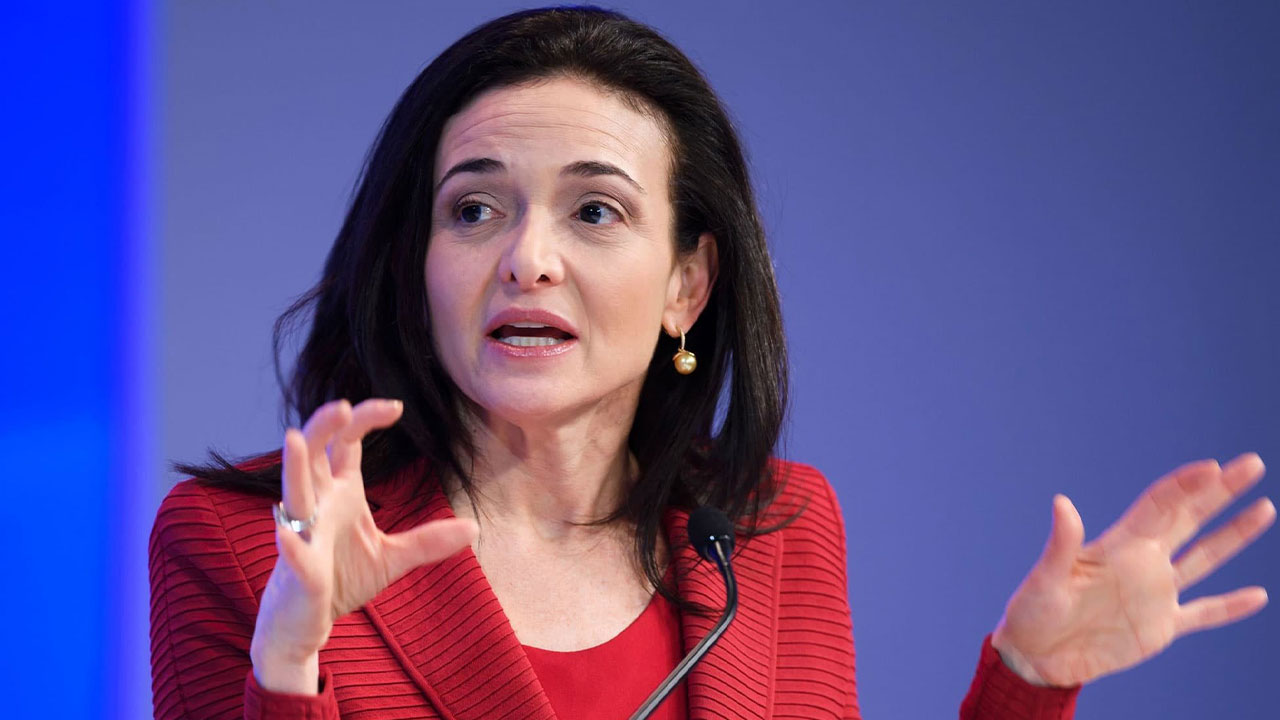
  • Sheryl Sandberg to step down from Facebook after 14 years

    Sheryl Sandberg to step down from Facebook after 14 years

    Facebook-parent Meta confirmed that Sheryl Sandberg is stepping down as its chief operating officer (COO) of the social media platform.

    However, Sandberg did not specify the reason for her departure from the company, which will happen in the fall, in a Facebook post. Sandberg revealed that she intends to concentrate on her charity efforts in the future.

    “The debate around social media has changed beyond recognition since those early days. To say it hasn’t always been easy is an understatement,” Sandberg wrote. “But it should be hard. The products we make have a huge impact, so we have the responsibility to build them in a way that protects privacy and keeps people safe”.

    Mark Zuckerberg clarified that Sandberg will remain on the board of directors of Meta, according to Meta CEO Mark Zuckerberg in a separate Facebook post. The company’s Chief Growth Officer, Javier Olivan, will take over as COO, although his work will be “distinct from what Sheryl has done” and “a more traditional COO function”.

    In a recent post, Zuckerberg said: “It’s unusual for a business partnership like ours to last so long. I think ours did because Sheryl is such an amazing person, leader, partner, and friend”.

    Sandberg established herself as a high-profile figure in the IT industry prior to joining Facebook, having previously served as Google’s vice president of global online sales and operations. Prior to joining Google, she worked for President Bill Clinton at the World Bank and the Treasury Department.

    She was often regarded as the adult supervisor for a firm led by a very young entrepreneur during her early years at Facebook.

    Sandberg closely worked with Zuckerberg to increase Facebook’s income from around $150 million in 2007 to over $3.7 billion in 2011, the year before the company went public.  She also rose to fame as one of the most powerful women in technology. Her notoriety was enhanced by her role in founding the Lean In movement, which outlined a strategy for women to succeed and achieve their objectives.

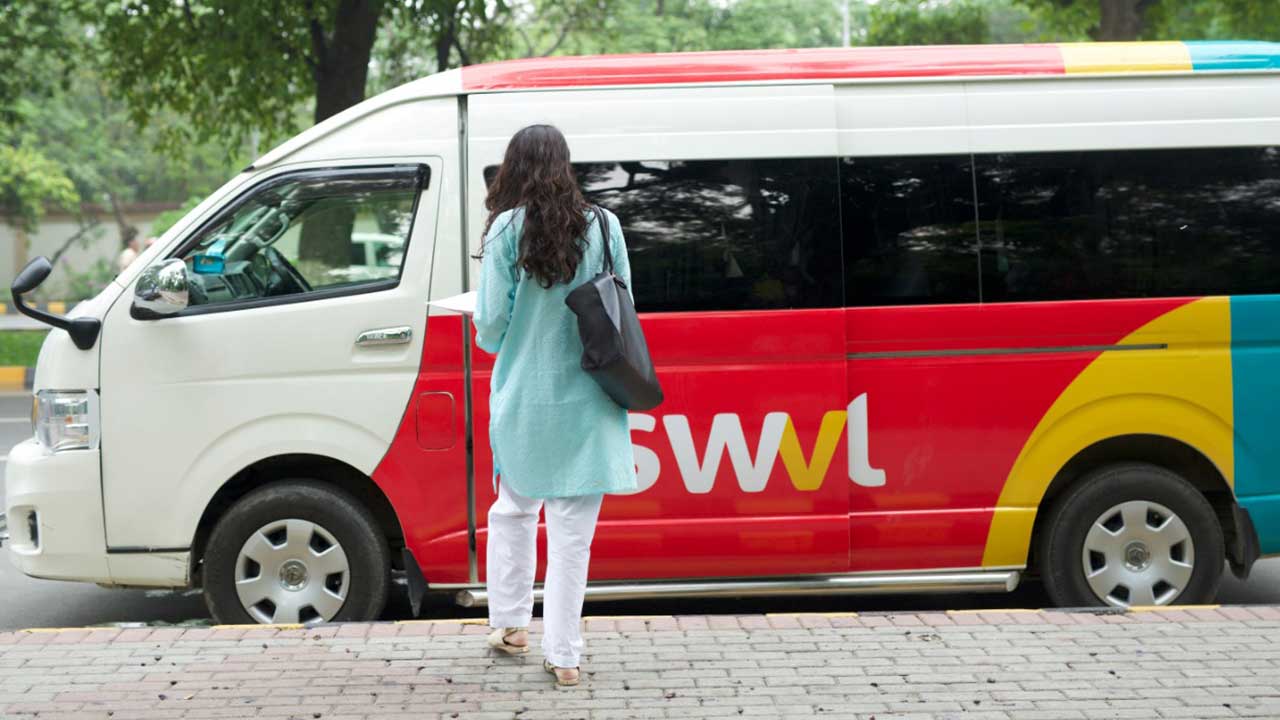
  • After Airlift, Swvl to let go 32 per cent workforce, limit operations

    After Airlift, Swvl to let go 32 per cent workforce, limit operations

    The provider of tech-enabled mass transit solutions, Swvl announced that it is implementing a portfolio optimization plan to boost sales performance while lowering its expenses as a way to accelerate its path to increase profitability and gain a tremendous reputation by the next year.

    The company’s big move comes just days after Airlift announced that it was reducing headcount by 31 per cent across all countries and limiting categories on the platform. Also, the company has withdrawn from several markets, including Faisalabad, Gujranwala, Sialkot, Peshawar, Hyderabad, Johannesburg, Cape Town, and Pretoria.

    Swvl aims to cut its workforce by 32 per cent, according to the company’s official press release. Roles that have been automated as a result of investments in the Company’s engineering, product, and support operations will be targeted for reductions. Swvl intends to provide monetary, non-monetary, and job placement assistance to assist specific employees in transitioning to new responsibilities.

    Swvl’s Transport as a Service (TaaS) and Software as a Service (SaaS) businesses are both rapidly growing. Swvl’s TaaS business provides technology-enabled transportation for corporates, schools, universities, industrial facilities, airlines, and other institutional clients via its asset-light marketplace. They presently have over 500 active accounts on four continents, with a monthly salary of over $5 million.

    According to the company’s LinkedIn site, it employs over 1,330 people. Around 400 employees will lose their employment as a result of the mobility company laying off nearly 30 per cent of its workforce.

    Tech startups, both private and public, have had to face a reckoning in recent months, with their stock prices plummeting. An economic slump has impacted company finances, forcing them to make cost-cutting decisions, the most important of which is laying off staff.

    The Dubai-based startup’s restructuring joins a lengthy list of global cross-stage cutbacks in what has been a difficult month for tech workers. According to statistics, over 15,000 tech workers have lost their jobs in the United States alone. Multiple Companies including Klarna, Getir, Gorillas, and Bolt (the payments startup) have fired employees, while Snap, Twitter, and Instacart have halted or stopped hiring entirely.

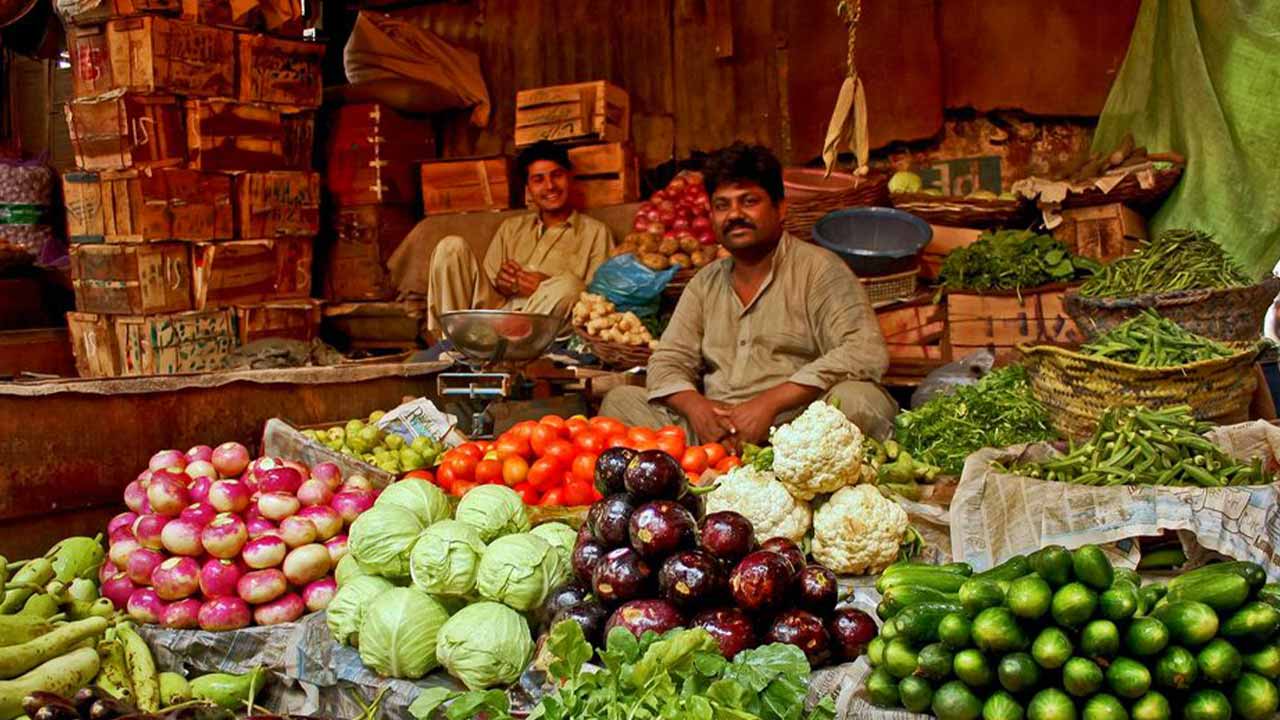
  • Pakistan records 13.8 per cent inflation in May

    Pakistan records 13.8 per cent inflation in May

    The latest data provided by the Pakistan Bureau of Statistics (PBS) on June 1, inflation continued to rise in May 2022, with the Consumer Price Index (CPI)-based reading coming in at 13.8 per cent year on year, up from 13.4 per cent the previous month and 10.9 per cent in May 2021.

    In May 2022, inflation climbed by 0.44 per cent month over month, compared to 1.6 per cent the previous month and 0.1 per cent in May 2021. This brings average inflation in 11MFY22 to 11.29 per cent year over year, up from 8.83 per cent in 11MFY21.

    Rising prices have emerged as a major source of concern for the economy of the South Asian country, which is grappling with dwindling foreign exchange reserves and a growing import bill.

    The State Bank of Pakistan (SBP) hiked the main interest rate by 150 basis points to 13.75 per cent last month in an attempt to combat economic headwinds.

    The existing administration, on the other hand, has indicated that it will partially remove subsidies by raising petroleum product tariffs by Rs30 per liter, a move that is projected to raise inflation.

    As per a report from Brecorder, on a month-on-month basis, Inflation in Urban areas increased by 0.3 per cent in May 2022 as compared to an increase of 1.6per cent in the previous month and increase of 0.2per cent in May 2021.

    In the meantime, CPI inflation in urban areas grew 12.4 per cent year over year in May 2022, compared to 12.2 per cent the previous month and 10.8 per cent in May 2021.

    It climbed by 0.3 per cent month over month in May 2022, compared to a 1.6 per cent increase the previous month and a 0.2 per cent increase in May 2021.

    In rural areas, CPI inflation climbed by 15.9per cent year over year in May 2022, compared to 15.1 per cent the previous month and 10.9 per cent in May 2021. It climbed by 0.6 per cent month over month in May 2022, compared to an increase of 1.6 per cent the previous month and a fall of -0.03 per cent in May 2021.

    In May 2022, the SPI inflation grew by 14.1 per cent year over year, compared to 14.2 per cent a month earlier and 19.7 per cent in May 2021. On a month-over-month basis, it climbed by 0.6 per cent in May 2022, compared to 1.5 per cent a month earlier and 0.8 per cent in May 2021.