Category: Business

  • PM directs urgent review of NEPRA’s new solar policy to safeguard existing contracts

    PM directs urgent review of NEPRA’s new solar policy to safeguard existing contracts

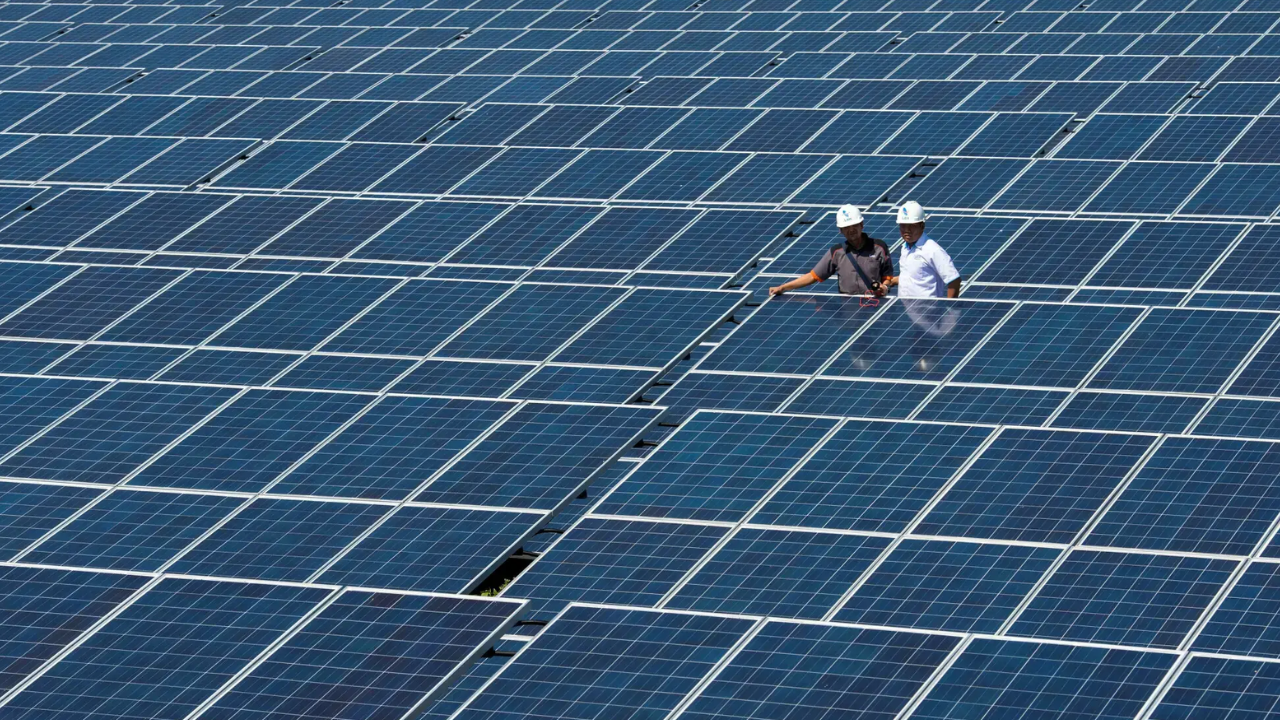
    Prime Minister Shehbaz Sharif has taken immediate notice of the new solar regulations issued by the National Electric Power Regulatory Authority (NEPRA) and directed the Power Division to promptly seek a review to safeguard existing net metering agreements and shield grid consumers from any added financial strain.

    According to a statement from the Prime Minister’s Office (PMO), the prime minister instructed the Power Division to file an appeal before NEPRA without delay. The move is aimed at protecting the rights of current solar consumers and ensuring that all previously signed agreements remain fully intact.

    During the meeting, the prime minister stressed that fairness within the power system must be upheld. He stated that the financial implications associated with solar net metering should not be transferred to the majority of electricity users who rely exclusively on the national grid. 


    Highlighting the scale of the issue, he noted that around 466,000 solar consumers are currently benefiting from net metering, and any policy revision must not unfairly impact more than 37.6 million consumers who depend entirely on grid electricity.

    He further directed the Power Division to develop a comprehensive strategy to ensure the national electricity system remains balanced, sustainable, and equitable for all consumers. 

    The directives were issued during a special high-level meeting chaired by the prime minister in Islamabad to assess NEPRA’s latest solar-related framework and its potential consequences for consumers and the broader power sector.

    The meeting was attended by Deputy Prime Minister and Foreign Minister Ishaq Dar, Federal Ministers Ahsan Iqbal Chatha, Attaullah Tarar, Ali Pervaiz Malik, Sardar Awais Khan Leghari, Minister of State Bilal Azhar Kayani, Adviser on Privatization Muhammad Ali, along with senior officials from relevant departments.

    Officials briefed the prime minister on the anticipated impact of the revised regulatory structure on power sector operations and financial sustainability. The prime minister reiterated that while the government remains committed to promoting renewable energy, policy reforms must maintain system stability, protect investor confidence, and ensure that the costs and benefits of the transition are fairly distributed across the consumer base.

  • Master MoltyFoam launches Pakistan’s most advanced AI assistant for smart sleep solutions

    Master MoltyFoam launches Pakistan’s most advanced AI assistant for smart sleep solutions

    Choosing the right mattress has long been a challenging decision for Pakistani consumers. With increasing awareness around sleep health, posture, and back pain, the traditional approach of relying on showroom trials or word-of-mouth recommendations is no longer sufficient. As lifestyles evolve and health concerns become more prominent, technology is beginning to play a meaningful role in how people make sleep-related decisions.

    Master MoltyFoam, widely regarded as one of the best mattress brands in Pakistan, has taken a significant step in this direction by introducing an AI-powered sleep assistant. This launch reflects a broader shift in how established consumer brands are addressing modern problems through intelligent digital solutions.


    Why Smart Sleep Solutions Matter More Than Ever

    Modern routines are more sedentary than ever before. Extended screen time, long working hours, and reduced physical activity have contributed to rising cases of back pain and posture-related discomfort. Traditional mattress shopping does not always account for individual needs. Comfort preferences, body weight, sleeping position, and existing pain points vary from person to person, yet most buying decisions are still based on generic recommendations. This gap highlights the need for smarter, more personalized guidance.

    For consumers searching for the best mattress brand for back pain, the lack of tailored advice often leads to trial-and-error purchases. Smart sleep solutions aim to replace this uncertainty with clarity, allowing individuals to make informed choices based on their specific requirements.


    Introducing Pakistan’s Most Advanced AI Sleep Assistant

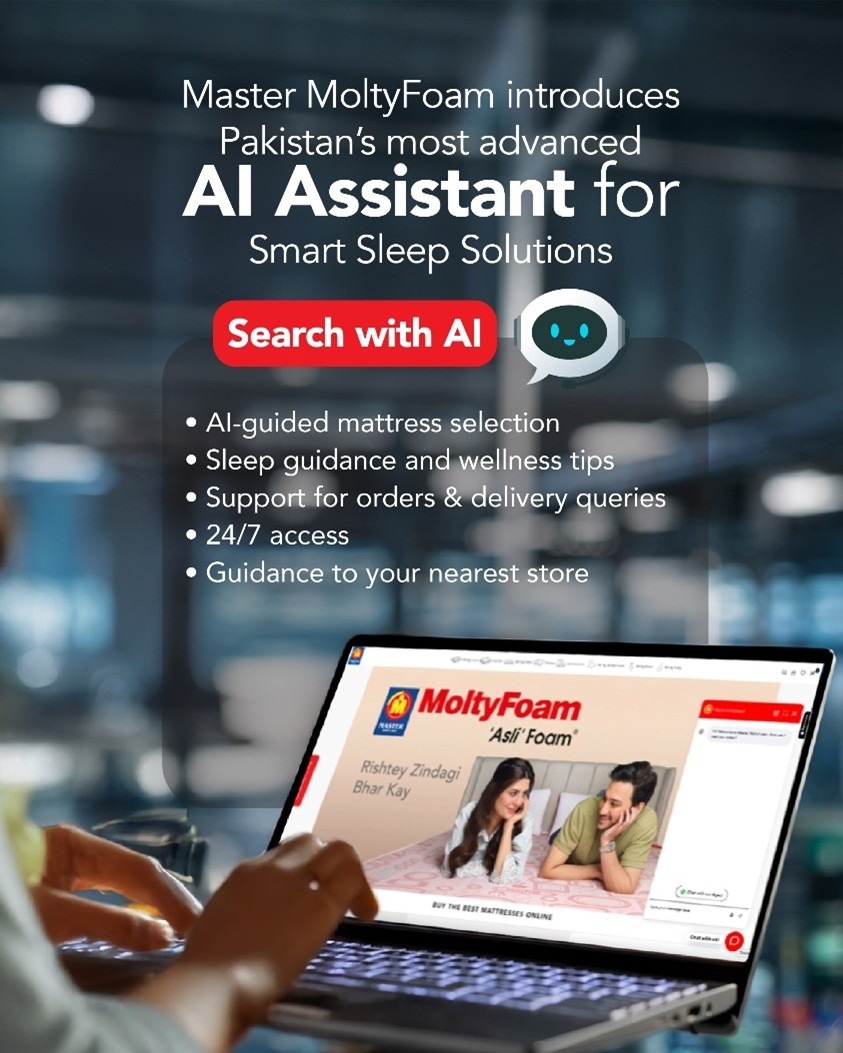
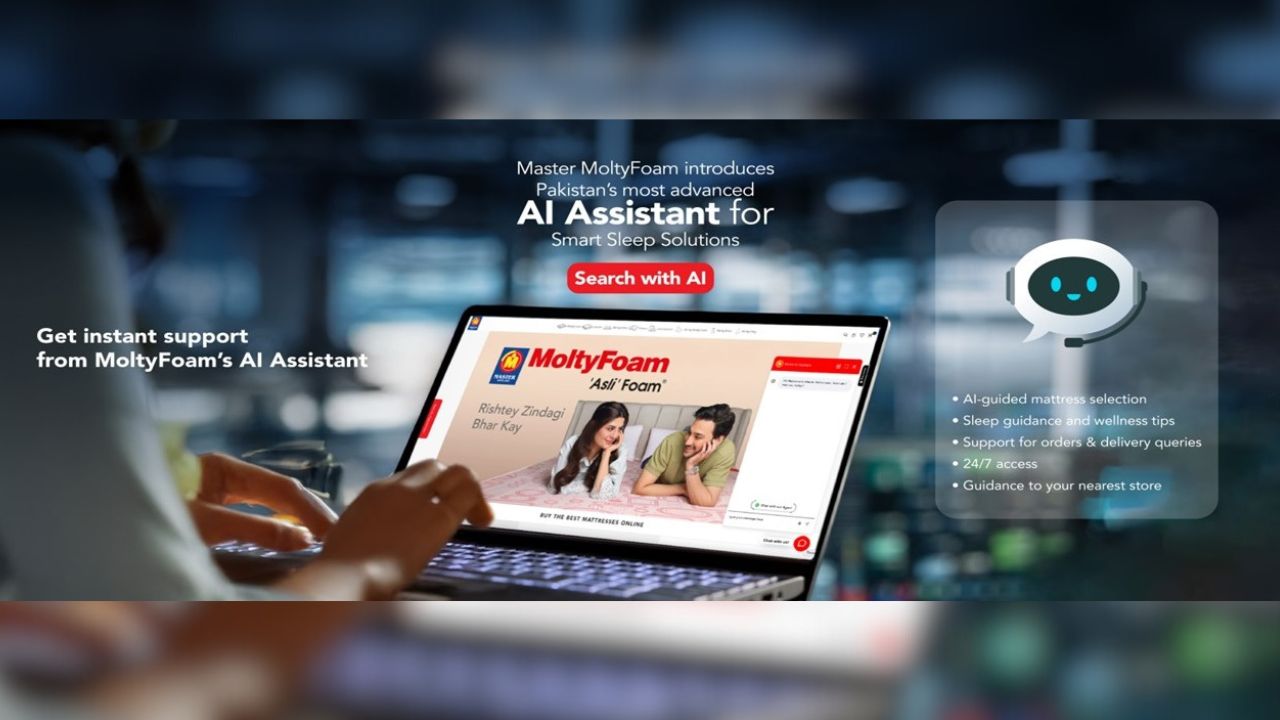
    Master MoltyFoam’s AI assistant has been designed to address these challenges directly. Rather than functioning as a basic chatbot, it serves as a guided decision-support tool focused on sleep health and product suitability.

    The assistant helps users navigate mattress selection by considering factors relevant to Pakistani consumers, including common sleep habits, climate considerations, and prevalent health concerns. By combining these inputs with product knowledge, the system offers recommendations that feel practical and relevant rather than generic.

    How the AI Assistant Works

    The process begins with user inputs that capture key aspects of sleep behavior. These include preferred sleeping position, body weight range, firmness preference, and any existing discomfort such as lower back pain.

    Based on this information, the AI analyzes patterns and aligns them with appropriate mattress features. The output is presented in clear, easy-to-understand terms, ensuring that users are not overwhelmed by technical jargon. The emphasis remains on clarity and confidence, enabling users to move forward with their choice.


    Helping Customers Choose the Best Mattress in Pakistan

    One of the most significant advantages of AI-assisted guidance is the elimination of guesswork. Instead of browsing endless product pages, users are directed toward options that match their specific needs.

    This targeted approach saves time and reduces the likelihood of unsuitable purchases. It also reinforces trust, as recommendations are based on logic and personalization rather than promotional emphasis. For a market searching for the best mattress brands in Pakistan, this level of guidance represents a meaningful upgrade.


    Smart Solutions for Back Pain and Orthopaedic Support

    Back pain remains one of the most common sleep-related complaints in Pakistan. The AI assistant addresses this by identifying pain-related inputs and prioritizing features that support spinal alignment and pressure relief. The focus on orthopaedic support reflects a growing understanding that sleep quality and physical health are closely linked.

    What Makes Master MoltyFoam Stand Out Among Mattress Brands in Pakistan

    Innovation has long been central to Master MoltyFoam’s positioning. The introduction of AI-powered personalization reinforces this leadership by combining market understanding with advanced technology. Unlike generic digital tools, this assistant has been developed with an awareness of Pakistani sleep needs, ensuring relevance and usability.

    AI-Powered Mattress Buying vs Traditional Mattress Shopping

    Traditional mattress shopping relies heavily on brief in-store experiences that may not reflect long-term comfort. AI-powered guidance, on the other hand, is data-driven and tailored, offering insights that extend beyond surface impressions.


    The Future of Sleep in Pakistan Starts Today

    As AI continues to evolve, its role in consumer decision-making is expected to expand. In the sleep category, this means more accurate recommendations, deeper personalization, and improved overall satisfaction.

    Master MoltyFoam’s AI assistant represents an early but important step in this direction, reinforcing its position as one of the best mattress brands in Pakistan.

    Smart sleep solutions are no longer a concept of the future. They are becoming an essential part of how consumers choose the best mattress in Pakistan. By integrating AI into the decision-making process, Master MoltyFoam has introduced a tool that prioritizes clarity, comfort, and confidence.

    Readers interested in exploring a more informed approach to mattress selection can experience this AI assistant and discover a sleep solution tailored to their needs.

    FAQs

    Is AI helpful in choosing a mattress?

    Yes. AI can simplify mattress selection by considering individual factors such as sleeping position, comfort preferences, and physical concerns. By processing these inputs together, an AI assistant can offer more relevant guidance than generic recommendations, helping consumers make better-informed decisions.

    Can an AI assistant replace in-store mattress trials?

    An AI assistant does not replace physical trials but complements them. It helps narrow down choices before purchase by aligning options with individual needs, making in-store or online selection more efficient and confident.


    Why is Master MoltyFoam considered one of the best mattress brands in Pakistan?

    Master MoltyFoam is widely recognized for its long-standing focus on sleep innovation, product quality, and understanding of local sleep needs. The introduction of AI-powered support further strengthens its position by offering personalized guidance and a more informed mattress-buying experience.

  • Made-for-Pakistan solution ARVO launches ARVO Education Press (AEP), tailored to out perform global standards

    Made-for-Pakistan solution ARVO launches ARVO Education Press (AEP), tailored to out perform global standards

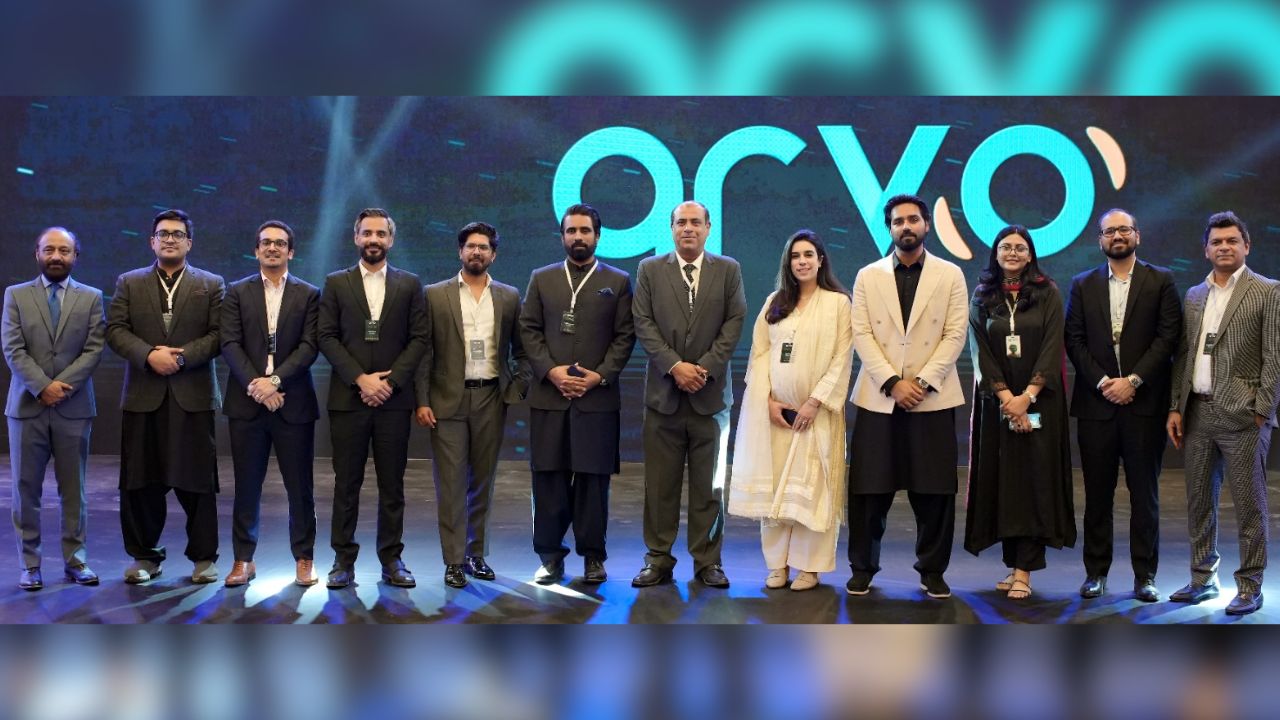
    Monday, 9th February 2026, marks the official launch of ARVO, during a grand event at Pearl Continental Lahore. Prominent education leaders, principals, and franchisees from Allied Schools network, and educators gathered to experience a system built to deliver value through integration. 


    Chairman, Mian Amer Mehmood, outlined the long-term vision of an education model where curriculum, technology, and teacher-enablement function as one strategic framework. During the event, attendees experienced demonstrations in the interactive zones and witnessed how QR-enabled textbooks, digital platforms, and structured resources operate seamlessly together. 


    This was not a conceptual presentation; it was a visual model working live!


    The key milestone of the ARVO launch was the introduction of ARVO Education Press (AEP), the publishing engine behind the ARVO ecosystem. AEP delivers high-quality, reasonably priced textbooks, crafted by leading subject experts. These books are grounded in learning science and aligned with current standards. 


    Emerging from the four-decade legacy of educational excellence of the Punjab Group, ARVO is a transformative EdTech platform that brings together three essential pillars in one cohesive system: affordable, high-quality curriculum, integrated technologies, LMS capabilities, and structured professional development for teachers. 


    The question may arise: Why is ARVO needed? Across Pakistan, schools are under pressure to modernize. School administrators grapple to balance the quality and costs. Teachers struggle to deliver deep conceptual learning, Parents demand visibility and progress, and students need future-ready skills. Yet many institutions operate through disconnected, manual, and dated tools. 


    ARVO is built to change that!


    Derived from the Finnish word for ‘value’, ARVO is a platform whose core principle is creating measurable value for schools, teachers, students, and parents through integration, not addition.

    ARVO has officially introduced its integrated platform in Pakistan, designed to modernize curriculum delivery, strengthen teachers’ support, and improve student engagement while reducing the time and cost impact of the fragmented systems.


    Instead of managing separate publishers, portals, and training providers, with ARVO, schools operate through one connected ecosystem. Textbooks link directly to digital resources; teachers access structured guides, and administrators gain measurable visibility into implementation and engagement. As a result, the outcome is practical and immediate. ARVO saves time, reduces complexity, and delivers measurable value. 

    As part of the initial rollout, ARVO launched 30 student books and 30 teacher guides for Classes 1–5, covering core subjects including English, Urdu, Social Science, ICT, Mathematics, and Science. In parallel, ARVO introduced a training and certification program focused on pedagogy and effective classroom teaching. 

    ARVO is engineered for sustainable collaboration. Its ecosystem model enables schools to standardize delivery, strengthen instructional quality, monitor outcomes, and eliminate inefficiencies caused by disconnected systems. As ARVO expands, its objective remains clear: deliver lasting change through integration, not addition.

    For Pakistan’s educational leaders, the question is no longer whether to modernize, but how. ARVO offers a Made-for-Pakistan solution, built to outperform global standards and anchored in local value.

    The future of learning is not theoretical.

    With ARVO, it is operational.


  • Your existing solar contract is NOT at risk under new policy; here’s what really happened…

    Your existing solar contract is NOT at risk under new policy; here’s what really happened…

    The National Electric Power Regulatory Authority (NEPRA) has notified new regulations replacing Pakistan’s net-metering framework with a net-billing system for rooftop solar and other small-scale power producers, while allowing existing prosumers to continue under their current contracts until the end of their agreed term.

    The changes were introduced through the NEPRA (Prosumer) Regulations, 2026, which take effect immediately and repeal the Alternative & Renewable Energy Distributed Generation and Net Metering Regulations, 2015. The new framework applies to solar, wind and biogas systems.

    Under the revised regime, utilities will purchase surplus electricity generated by prosumers at the National Average Energy Purchase Price (NAEPP), currently around Rs11 per unit, while electricity supplied by distribution companies (Discos) will be billed to consumers at applicable tariffs ranging between Rs37 and Rs55 per unit, excluding taxes, surcharges and duties. The unit-for-unit exchange mechanism under net metering has been discontinued for future connections.

    Nepra clarified that existing registered prosumers will continue under their present agreements until expiry of their seven-year contracts. Any renewals or extensions after expiry will fall under the new net-billing framework. New applicants will be offered contracts limited to five years, renewable by mutual consent.

    The regulator notified the rules shortly after holding a public hearing, issuing the same draft without amendments. The notification has prompted claims that net metering has been abolished for all solar consumers, though the regulations maintain the existing contractual protections until expiry.

    Under net billing, electricity exported by a prosumer is sold to the Disco, while imported electricity is charged at the applicable consumer tariff. “In case the billed amount of the units supplied by prosumers exceeds the billed amount of units supplied by Disco, the net billed amount shall be credited against the prosumer’s next billing cycle or shall be paid by the licensee to the prosumer quarterly,” Nepra stated. Discos have not consistently made such payments in previous arrangements.

    For existing prosumers, export units will continue to be valued at Rs26 per unit for the remaining contract period, though credits will now be adjusted monthly instead of over three months. 

    The regulations restrict system size to the consumer’s sanctioned load and bar installations exceeding that limit. Discos are also prohibited from approving new connections if distributed generation capacity connected to a transformer reaches 80 per cent of its rated capacity. Systems of 250kW or above will require a mandatory load flow study.

    Nepra stated that all interconnection costs, including meters and grid upgrades, will be borne by the prosumer. A non-refundable concurrence fee of Rs1,000 per kilowatt has been introduced, and metering must support two-way measurement through bidirectional or dual meters.

    Utilities are required to acknowledge applications for interconnection of distributed generation facilities within five working days, complete technical assessments within 15 days and install interconnection facilities within 15 days after payment. Prosumers must also obtain formal concurrence from Nepra, which the regulator said would be issued within seven working days.

    The Power Division and Nepra have attributed grid pressures and rising capacity charges to the expansion of distributed solar generation. Officials have cited on-grid solar capacity of about 7,000MW and off-grid capacity exceeding 13,000MW, while pointing to widespread use of hybrid systems without meters. The new regulations, however, apply only to metered prosumers.

    Nepra has previously stated that high electricity costs were driving consumers toward decentralised generation. “Compounded by heavy taxes, levies and surcharges, particularly the Debt Servicing Surcharge, these factors collectively inflate electricity costs for consumers. The result is a shifting of consumers towards decentralised or off-grid solutions,” the regulator said in a recent observation.

    The regulations also grant Nepra authority to revise purchase rates during the life of agreements, issue binding directions, demand operational data and impose penalties. Discos retain the right to disconnect systems in cases of faults, non-compliance or maintenance, with or without notice, and prosumers are barred from selling electricity to third parties using the utility network.

  • World Bank reiterates support for $20bn Pakistan development plan

    World Bank reiterates support for $20bn Pakistan development plan

    The World Bank on Sunday reaffirmed its commitment to Pakistan’s $20 billion development programme, signalling continued backing for the country’s reform and development agenda.

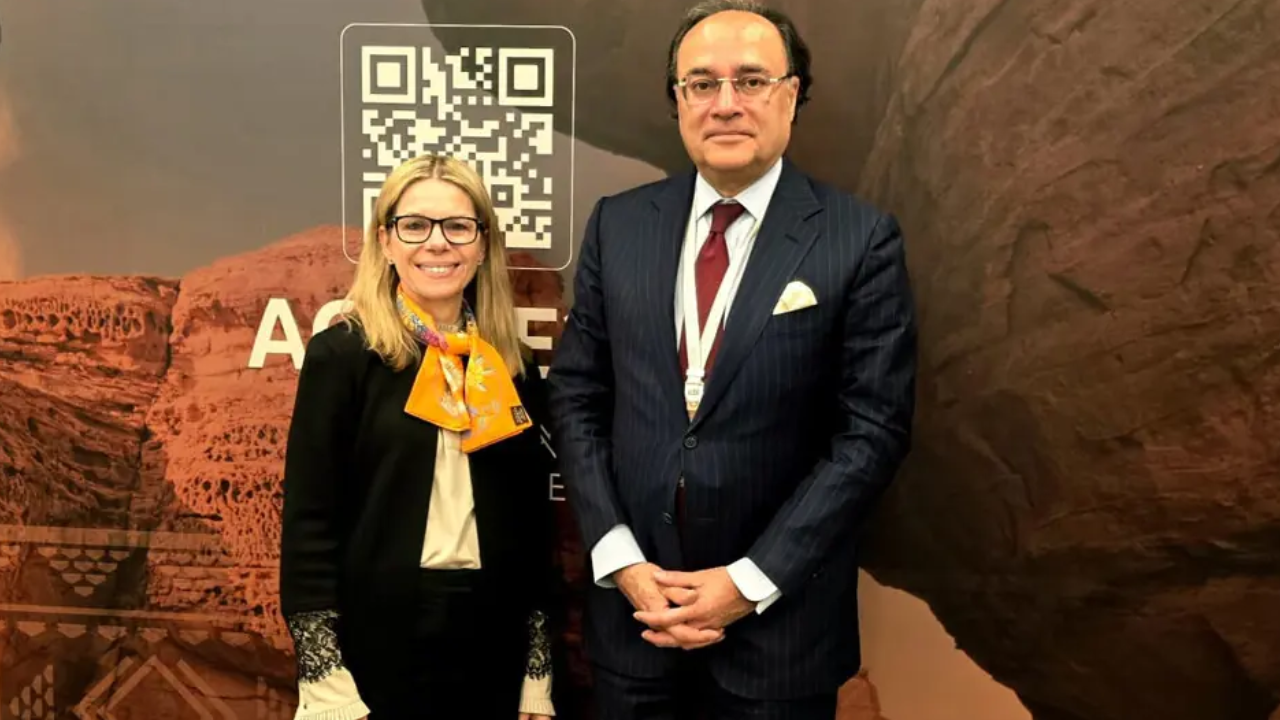
    The assurance was conveyed during a meeting between Finance Minister Muhammad Aurangzeb and World Bank Group Managing Director Anna Bjerde on the sidelines of the AlUla Conference for Emerging Market Economies in Saudi Arabia.

    According to officials, the meeting included a review of progress under Pakistan’s Country Partnership Framework (CPF) and followed up on the recent visit of the World Bank president to Pakistan. The discussions covered a range of priority areas identified under the framework, including energy, education, health, climate resilience, infrastructure, fiscal reforms and debt-for-development swaps.

    Both sides highlighted the importance of adopting a more focused approach to programme execution, stressing the need for clear performance benchmarks and strong implementation mechanisms to ensure timely and measurable outcomes.

    During the meeting, Bjerde reaffirmed the World Bank Group’s commitment to Pakistan’s 10-year development programme valued at $20 billion. Aurangzeb reiterated Pakistan’s resolve to work closely with the World Bank, including through engagement with provincial governments to improve coordination and delivery under the framework.

    The World Bank Board approved the $20 billion financing package for Pakistan last year, covering the period from 2025 to 2035. The Country Partnership Framework was formally released following approval by the World Bank Group’s Board of Executive Directors.

    The programme aims to address learning poverty, improve health outcomes for disadvantaged populations and strengthen protection against climate-related risks. The framework outlines investments and reforms across multiple sectors identified as critical to Pakistan’s development objectives.

    Ahead of the plan’s approval, the World Bank projected Pakistan’s economic growth at 3.8 percent by 2029. It also projected a fiscal deficit equivalent to six percent of gross domestic product and a debt-to-GDP ratio of 73 percent which were cited as benchmarks for assessing economic performance during the programme period.

  • From newcomer to top 8 in just 17 months: OMODA & JAECOO’s breakthrough moment in the UK

    From newcomer to top 8 in just 17 months: OMODA & JAECOO’s breakthrough moment in the UK

    In one of the world’s most demanding automotive markets, OMODA & JAECOO has achieved a milestone few new brands manage—let alone in record time.

    In January 2026, the brand delivered a standout performance in the United Kingdom, with the JAECOO 7 recording 3,842 unit sales in a single month, securing second place in overall UK vehicle sales. The model outpaced long-established names such as the Ford Puma, Nissan Qashqai, Volkswagen Tiguan, and newer challengers including the BYD Seal U, a rare achievement in a market dominated by decades-old automotive players.

    Across its portfolio, OMODA & JAECOO registered 6,550 total monthly sales, placing the brand 8th overall in the UK’s monthly brand rankings, closely behind premium stalwarts like Mercedes-Benz. It also emerged as the top-selling Chinese automotive brand in the UK, surpassing MG and BYD, while outperforming several Japanese and South Korean manufacturers.

    A Record-Breaking Rise in One of the World’s Toughest Markets

    Since its UK debut in September 2024, OMODA & JAECOO has shown exceptional momentum. In just 17 months, the brand progressed from market entry to mainstream contender, one of the fastest ascents in UK automotive history.

    By September 2025, monthly sales crossed the 10,000-unit mark, followed by another milestone in October, when OMODA & JAECOO overtook MG to become the leading Chinese brand in the UK for the first time. Full-year 2025 sales reached 48,087 units, delivering a 2.38% market share ahead of several globally recognised names including Tesla and MINI.

    According to industry publication Car Dealer, this achievement places OMODA & JAECOO in rare company: brands like Kia and MG took decades to reach similar penetration levels in the UK, while OMODA & JAECOO accomplished it in under a year.

    Built for Global Standards

    Behind this performance lies a clear, differentiated strategy. OMODA is shaping its identity as “The World’s Leading Crossover Brand,” blending progressive design with smart technology. JAECOO, rooted in classic off-road heritage, follows the philosophy “From Classic Beyond Classic,” with a strong focus on advanced hybrid solutions and all-terrain capability.

    Their success in a market known for strict regulations, informed buyers, and intense competition reflects a brand built not for shortcuts but for global standards.


    In an era where consumers increasingly look beyond badges to real-world performance, the UK has become a proving ground. OMODA & JAECOO’s rapid rise there is not just a sales story, it is a clear signal of trust earned in one of the automotive world’s most discerning environments.

  • Bitcoin slide wipes $2 trillion from crypto market

    Bitcoin slide wipes $2 trillion from crypto market

    Bitcoin fell sharply on Thursday, extending losses as pressure across global markets weighed on risk assets and triggered heavy selling in cryptocurrencies.

    The world’s largest cryptocurrency dropped to an intraday low of $63,295.74, its weakest level since October 2024. It was last trading at $63,525, down 12.6 percent on the day, marking its steepest one-day decline since November 2022.

    Data from CoinGlass showed that around $1 billion worth of bitcoin positions were liquidated over the past 24 hours as prices moved lower.

    The decline in bitcoin has contributed to a broader fall in the digital asset market. According to CoinGecko, total crypto market value has dropped by $2 trillion since peaking at $4.379 trillion in early October. Nearly $800 billion of that loss has occurred over the past month.

    Bitcoin has now fallen 17 percent this week, taking its year-to-date losses to 28 percent. Ether, the second-largest cryptocurrency by market value, fell more than 13 percent to $1,854 late Thursday. Ether has declined 19 percent this week and is down nearly 38 percent so far this year.

    Market sentiment has been affected by volatility across asset classes. Precious metals saw sharp moves, with gold and silver affected by leveraged trades and speculative flows. Silver dropped as much as 18 percent to a low of $72.21.

    Equity markets also came under pressure. The S&P 500 slid to a seven-week low, while the Nasdaq fell to its lowest level in more than two months as technology stocks declined and investor focus on artificial intelligence weakened.

    “It’s clear the crypto market is now in full capitulation mode,” said Nic Puckrin, investment analyst and co-founder of Coin Bureau. “If previous cycles are anything to go by, this is no longer a short-term correction, but rather a transition from distribution to reset and these typically take months, not weeks.”

    The selloff has also weighed on shares of companies holding bitcoin and other digital assets, raising concerns that market stress is spreading beyond cryptocurrencies.

    Analysts said political developments in the United States have added to pressure on digital assets. Donald Trump’s selection of Kevin Warsh as his pick for Federal Reserve chair has raised expectations of tighter monetary conditions.

    “The market fears a hawk with him,” said Manuel Villegas Franceschi from the next generation research team at Julius Baer. “A smaller balance sheet is not going to provide any tailwinds for crypto.”

    Deutsche Bank analysts said ongoing withdrawals from institutional exchange-traded funds have added to selling pressure. In a note to clients, they said US spot bitcoin ETFs recorded outflows of more than $3 billion in January, following outflows of about $2 billion in December and $7 billion in November.

    “This steady selling in our view signals that traditional investors are losing interest, and overall pessimism about crypto is growing,” the analysts said.

    Bitcoin has remained closely linked to the broader technology sector, and recent losses in global software stocks have accelerated declines across digital tokens.

    “Concerns are being raised around the crypto miners and whether we could be looking at forced liquidations if prices continue to fall, which could lead to a vicious cycle,” Jefferies strategist Mohit Kumar said in a note.

  • Pakistan eyes $1bn trade volume after signing 30 MoUs with Kazakhstan

    Pakistan eyes $1bn trade volume after signing 30 MoUs with Kazakhstan

    Prime Minister (PM) Shehbaz Sharif is looking to increase the trade volume between Pakistan and Kazakhstan to $1 billion as both countries have signed over 30 memoranda of understanding (MoUs) in several sectors, including petroleum, mining and maritime affairs.

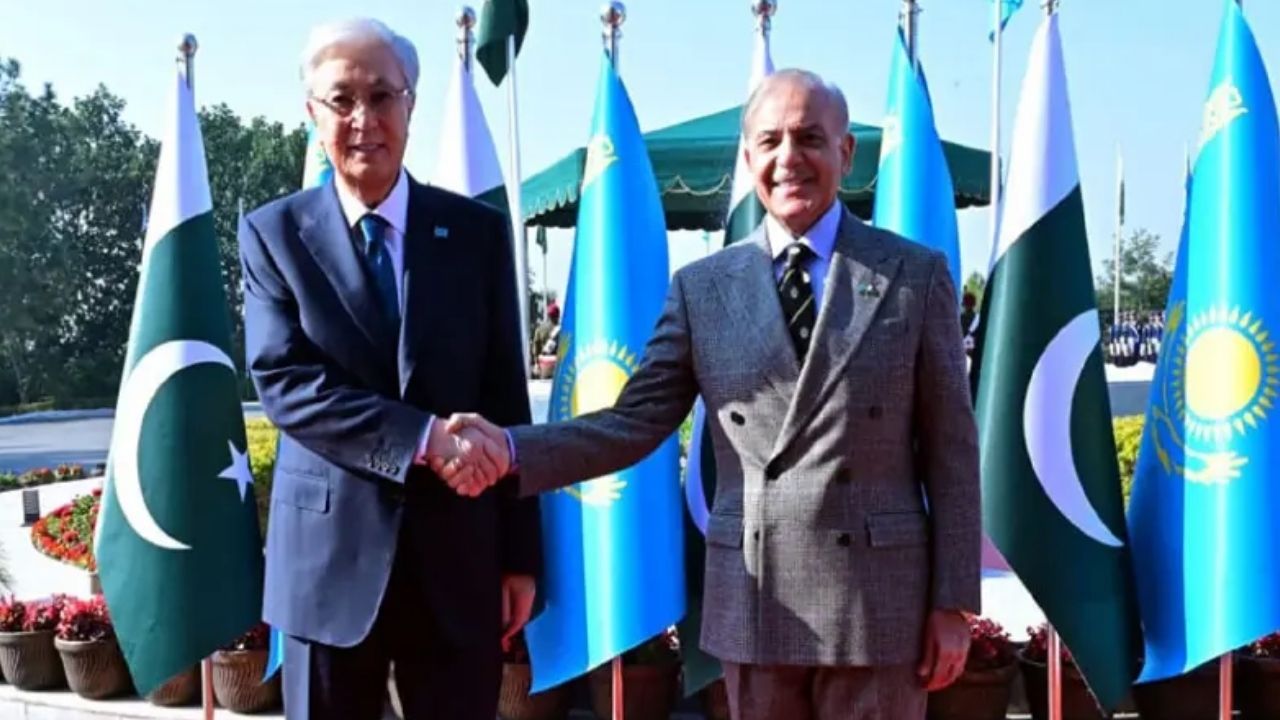
    Addressing a joint press conference with President Kassym-Jomart Tokayev after the signing ceremony, the premier said the existing level of trade between Islamabad and Astana did not reflect the true strength of relations or the economic potential of the two sides.

    “Unfortunately, our trade volume is a meagre $250 million, which does not reflect the strength of our friendship and the potential of both countries. Let us commit to raising our trade volume to $1 billion within the next one year,” he said.

    Earlier, President Tokayev was accorded a warm reception and a guard of honour as he arrived at the PM House to hold a one-on-one meeting with the premier.

    The meeting was a part of the president’s two-day state visit to Islamabad on the invitation of PM Shehbaz. He is accompanied by a high-level delegation, comprising senior cabinet ministers and other high-ranking officials.

    As the visiting dignitary arrived, the premier received him at the entrance of the PM House, where the formal reception took place.

    The national anthems of Pakistan and Kazakhstan were played and a smart contingent of the three services of the Pakistan armed forces presented guard of honour.

    The two leaders introduced their respective delegations to each other before proceeding for a one-on-one meeting, followed by talks at the delegation level.

    During the talks, the two sides reviewed full spectrum of bilateral relations and explored new avenues to further deepen cooperation across diverse sectors.

    The president also planted a commemorative sapling in the lawn of the PM House.

  • Gold jumps Rs14,800 per tola as prices rise globally

    Gold jumps Rs14,800 per tola as prices rise globally

    Gold and silver prices went up again on Wednesday, continuing an upward trend seen in both international and local markets.


    In the international market, gold rose sharply by $148 per ounce, reaching $5,064.


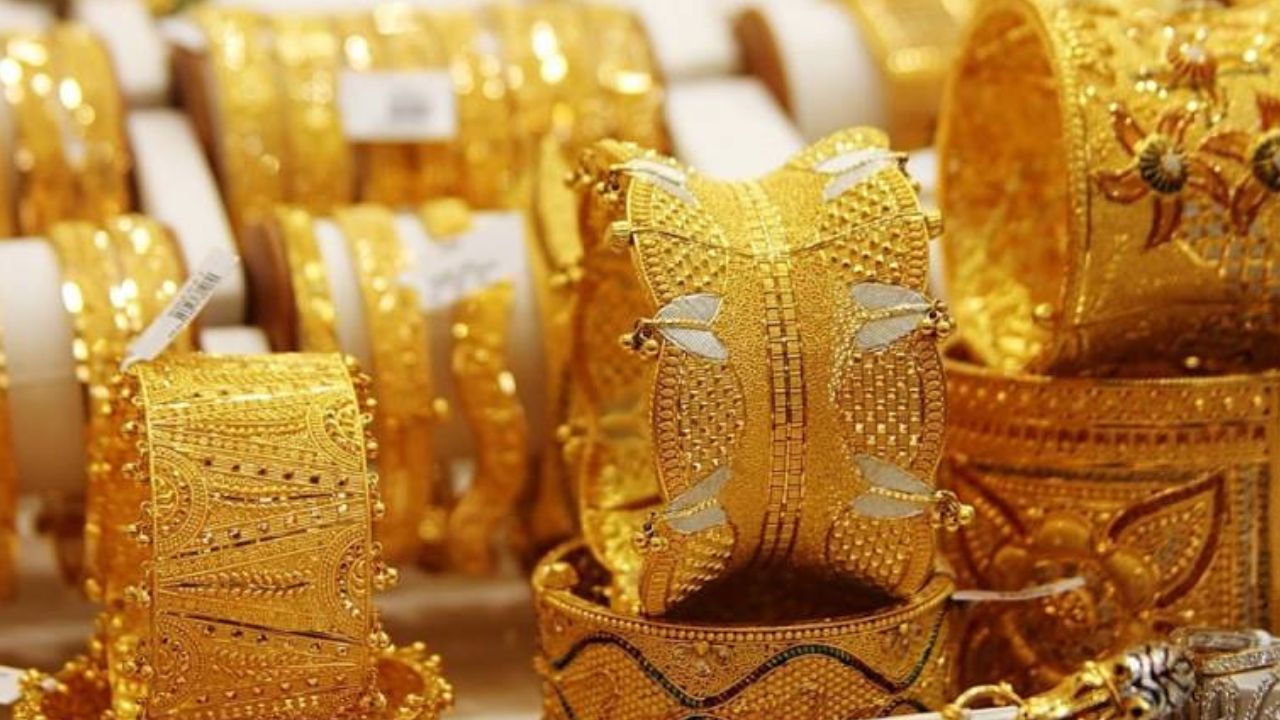
    The increase was reflected in the Pakistani market where the price of gold per tola went up by Rs14,800 to Rs529,162. Similarly, the price of 10 grams of gold increased by Rs12,689 to Rs453,671.


    Silver also gained in value. In the local market, silver per tola rose by Rs109 to Rs9,255, and per 10 grams increased by Rs93 to Rs7,934.


    Spot gold also jumped 2.8% to $5,076.01 per ounce, following a 5.9% surge on Tuesday, which was its biggest daily gain since November 2008. Gold also touched a record high of $5,594.82 last Thursday.


    Meanwhile, US gold futures for April delivery climbed 3.3% to $5,097.20 per ounce. Spot silver also rose 5% to $89.38 per ounce, after reaching a record high of $121.64 last Thursday and dropping to a month-low of $71.33 on Monday.


    On Tuesday, gold prices rebounded sharply, tracking a strong recovery in the international bullion market after several sessions of steep losses that had rattled investors and traders.


    Locally, gold per tola jumped Rs24,000 to Rs 514,362, and 10 grams of gold rose Rs20,576 to Rs 440,982, according to the All-Pakistan Gems and Jewellers Sarafa Association (APGJSA).


    The rise came after a steep decline on Monday, when gold per tola had dropped Rs21,500 to Rs490,362. Over the previous three sessions, gold also lost Rs85,500 per tola, reflecting high volatility in global markets.

  • Etihad Town delivers fifth project: Etihad Town Premier Enclave before time at grand possession event

    Etihad Town delivers fifth project: Etihad Town Premier Enclave before time at grand possession event

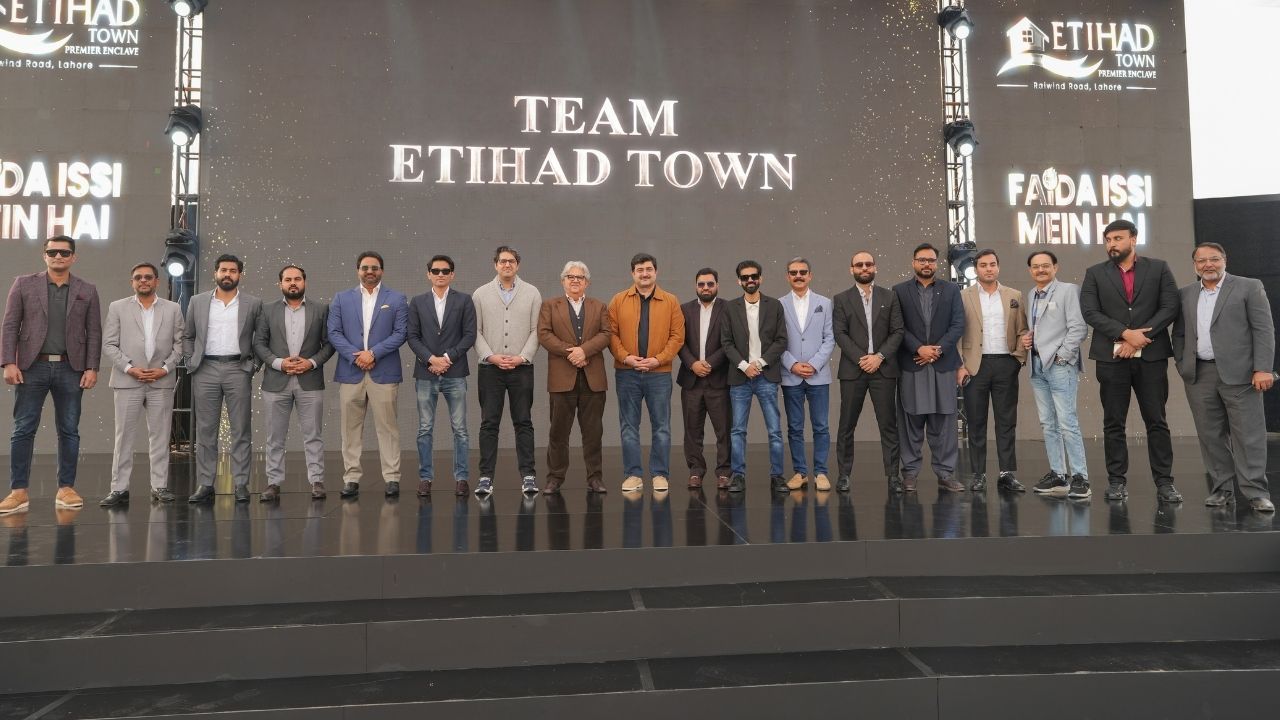
    Etihad Town organized a grand possession ceremony for its Premier Enclave, located on main Raiwind Road, marking the early handover of plots to customers and achieving another major development milestone.

    The well-attended event was hosted by renowned media personality Vasay Chaudhary and drew investors, members, real estate stakeholders, and media representatives.

    Launched in 2024, this project is the fifth project the company is delivering before time out of the nine projects they initiated since 2017, further reinforcing Etihad Town’s strong track record of timely execution and market credibility.

    During the event, customers were invited on stage to receive their possession documents in a transparent and celebratory setting, while attendees were also presented with a detailed overview of the completed development works, including the society’s grand entrance gate, fully developed road network, and ready infrastructure.

    The management emphasized that this achievement is a testament to the strategic vision of Chairman Chaudhary Munir, Executive Directors Ch Raheel Munir, Ch Faisal Munir, and Ch Sohail Munir, and the dedicated leadership team.

    Their collective foresight and commitment to excellence have been the driving forces behind the group’s ability to consistently surpass market expectations and deliver high-quality residential solutions.

    Speaking on the occasion, COO Etihad Town Sheikh Shujaullah Khan said, “Early possession is a responsibility we take seriously. Premier Enclave, located on main Raiwind Road, reflects our commitment to quality development, timely execution, and long-term value for our customers. 


    Etihad Town will continue to raise benchmarks in Pakistan’s real estate sector.”

    The possession ceremony concluded on a celebratory note, reaffirming Etihad Town’s position as Pakistan’s most trustworthy real estate brand and marking another significant milestone in Lahore’s urban development along Main Raiwind Road.