Category: Business

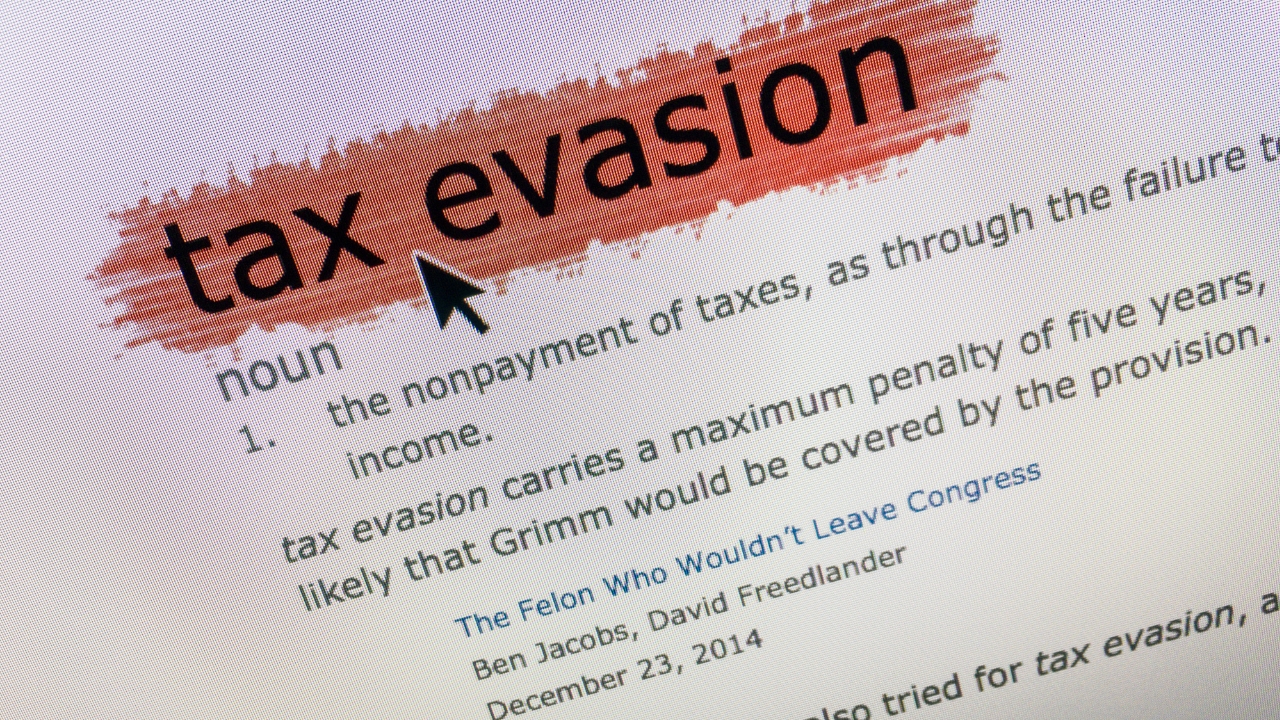
  • FBR targets tax evasion in tobacco, poultry sectors

    FBR targets tax evasion in tobacco, poultry sectors

    In a bid to expand compliance with taxation laws, the Federal Board of Revenue’s (FBR) Chairman, Rashid Mahmood Langrial, vowed to launch a crackdown against non-compliant businesses. Appearing on Television, he outlined the FBR’s intent to look into existing loopholes the tobacco sector exploits, digitise the monitoring process, and commented on the new passive income tax framework.

    Outlining the board’s achievements with the sugar industry, the chairman assured that the tobacco sector will soon fall into the tax net as well. According to details from reports, Islamabad’s crackdown against businesses in the sugar industry allowed for a staggering 39 percent boost in tax collection levels. It merits a mention that this increase in collections came about without a hike in tax rates.

    The chairman highlighted that, similar to the sugar industry, other sectors would be at the receiving end of similar crackdowns to ensure compliance. Illicit tobacco and cigarette companies operating in the domestic market have resulted in the federal government losing out on Rs300 to Rs500 billion in unrealised revenues.

    He outlined the federal government’s strategy of bringing businesses into the fold of compliance as opposed to raising tax rates, as higher taxes can cause the informal sector to grow stronger. The chairman revealed that the FBR has witnessed a large spike in compliance rates with tax laws in the sugar industry.

    Moreover, he underlined accountability measures that had been put in place to reduce instances of corruption and tax evasion. The Intelligence Bureau (IB) has played an instrumental role in rooting out corrupt officials from the FBR’s staff, allowing for the tax watchdog to operate with greater efficiency.

    Aside from the sugar and tobacco sectors, the chairman mentioned that producers in the poultry industry were engaging in large-scale tax evasion schemes. These schemes came to light after the FBR probed into the matter, and the schemes are reportedly cheating the national exchequer out of “millions of rupees”.

    In other developments, the chairman also commented on the imposition of a new 15 percent tax on passive income, explaining how it could boost investment levels in the economy. Taxing funds parked in banks to yield interest revenues could cause individuals to pull their money out and invest in businesses or the capital market.

    This could result in a greater level of business activity, which the FBR is expected to keep track of to bring in greater revenues.

  • Teachers, academics express concern over insufficient higher education budget

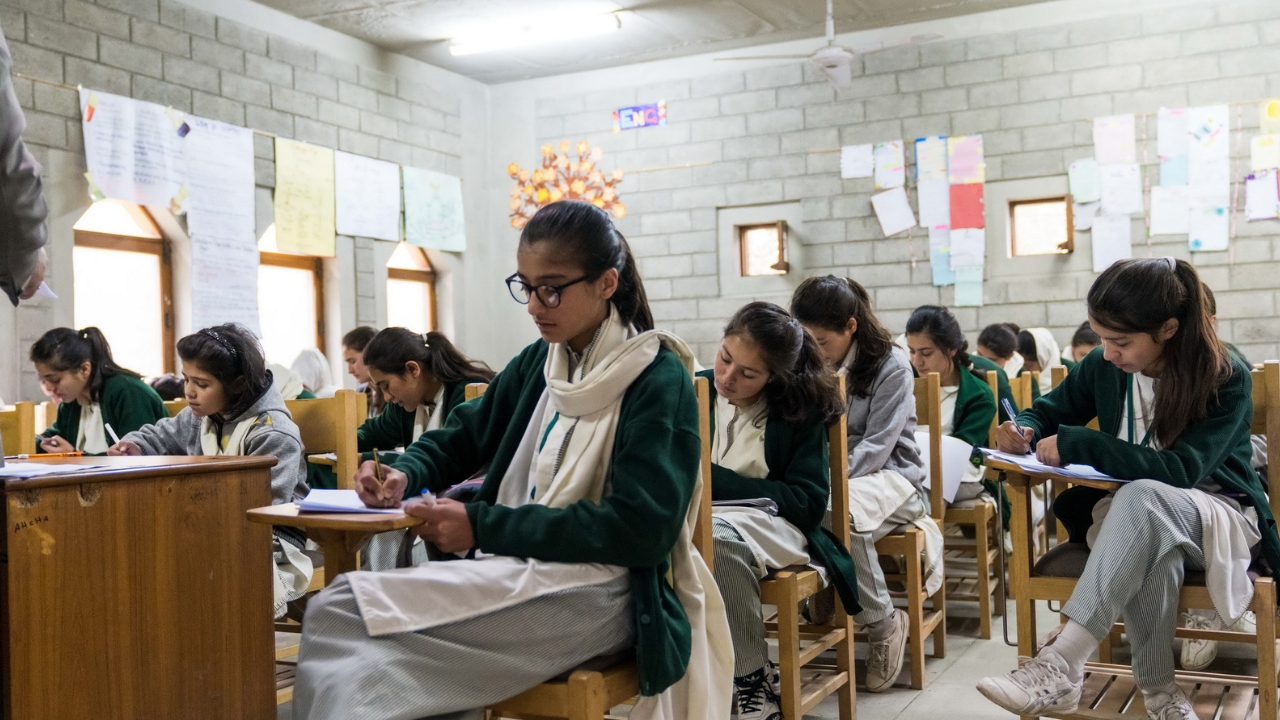
    Teachers, academics express concern over insufficient higher education budget

    Stakeholders in the education sector have raised concerns over the outlay for the Higher Education Commission (HEC) in the recently announced federal budget for fiscal year (FY) 2025-26. According to reports, teachers have outlined how Rs66.4 billion is not enough to cover the monetary requirements of institutions in the higher education space.

    The HEC had requested a budget of Rs84.6 billion; however, the government was unable to meet this demand. This has resulted in a gap of approximately 21.5 percent between the initially requested amount and the actual allocation. It merits a mention that the allocated amount for the HEC is to cover all “non-development” expenses, including the salaries and pensions for staff. 

    Reports reveal that the government has actually slashed development budgets, causing the outlay for development initiatives in the educational sector to fall to just Rs39.4 billion for FY 2025-26. This is a sharp drop in comparison to the development outlay for FY 2024-25, which stood at a respectable Rs65 billion. 

    Reports indicate that the low amount earmarked for the HEC comes at a time when top-tier higher educational institutes such as Quaid-i-Azam University (QAU) are facing difficulties in covering financial liabilities. These liabilities include the salaries and pensions of staff.

    According to reports, the financial situation of universities is especially grave in Balochistan and Khyber Pakhtunkhwa.  The Information Secretary of the Federation of Pakistan Universities Academic Staff Association (FAPUASA) has reportedly highlighted that universities could face immense difficulties if budgets are not increased. 

    A joint statement released by the President, Vice President and General Secretary of FAPUASA witnessed all members collectively rejecting the federal budget for the current fiscal year. Reports reveal that the members of FAPUASA have also highlighted their concerns regarding the freezing of the HEC recurring grant. 

    The joint statement underlined the lack of additional funds for the upkeep of universities since 2018, citing the rampant increases in utility bills, inflation rates and operational expenses as reasons for a larger budget. Moreover, the statement highlighted the need for funds as enrollment levels across educational institutions over the past seven years have increased.

    The statement called upon Islamabad to review the federal budget and consider increasing the allocation to the HEC in the Finance Bill. However, it is unclear whether the government will boost the HEC’s budget as lawmakers are yet to comment on the developments.

  • Stock market hits record high after budget-driven rally

    Stock market hits record high after budget-driven rally

    The Pakistan Stock Exchange (PSX) witnessed a massive 2300-point rally, allowing the benchmark index of the exchange, KSE-100 index, to cross 124,500 points, setting a new all-time high. According to reports, shares climbed rapidly on Wednesday as investors were pleased by the Federal Budget that was announced on Tuesday.

    Even prior to the release of the budget, investor confidence remained high as the KSE-100 gained 400 points during intraday trading on Tuesday. Reports suggest that the lack of new taxes in the budget on the stock market allowed bullish sentiments to take over the market.

    Moreover, the government has reportedly decided to tax dividends from equities and debt at a rate of 15 percent and 25 percent, respectively. Coupling this with the tax rate on proceeds from debt rising from 15 percent to 20 percent has reduced the incentive for people to park their funds in banks. Analysts have highlighted that these developments are going to help the capital market.

    These developments caused the index to open in the green in the early hours of the day, with the upwards momentum continuing until closing hours. The KSE-100 index reached an intraday high of 124,588.17 points. The index peaked at approximately 3:30 PM, after which the market closed at a lower, yet respectable, 124,352.68 points.

    For reference, the KSE-100 closed at 122,024.44 points on Tuesday, after which the index recorded a growth of 1.91 percent during trading hours on Wednesday, leading to a 2,328.24 point rise. The market displayed a slowdown around 9:48 AM as the KSE-100 hit its intraday trading low of 123,237.99 points.

    All 17 indexes listed on the exchange remained in the green with the All-share index (ALLSHR) growing by 1.53 percent, which translates into a 1,167.03 point rise in the index. Unlike the KSE-100, which tracks the performance of the 100 largest and most liquid companies, the ALLSHR index records the performance of all publicly listed companies on the PSX.

    A number of companies witnessed a rise in share prices, with Pervez Ahmed Consultancy Services Ltd. (PASL) and Dewan Farooque Spinning Mills Limited (DFSM) winning big, to the tune of growth rates that sat at 32.45 percent (PASL) and 27.17 percent (DFSM). 

    However, not every publicly listed stock witnessed an improvement, as many companies witnessed sharp declines. Of these declining companies, the one that fared the worst during intra-day trading wasPak Leather Crafts Limited (PAKL), which posted a 10.00 percent decline in its position.

    Recent reports have suggested that the KSE-100 index could cross 165,000 points by December 2025, owing to a drop in interest rates and an improved state of the wider economy. These factors are responsible for creating a business-friendly environment, lending weight to analysts’ claims.

  • FACT CHECK: ‘Binance to establish Asian head office in Pakistan’?

    FACT CHECK: ‘Binance to establish Asian head office in Pakistan’?

    Popular social media platforms claimed that the world’s largest cryptocurrency exchange, Binance, was planning to establish its Asian head office in Pakistan. However, sources within the Pakistan Crypto Council (PCC) confirmed to The Current that this information was baseless and the underlying claims were false.

    While sources from the PCC have dubbed the claims as misinformation, Binance has not yet issued an official statement to distance itself from these claims.

    These claims, made on Tuesday, 10 June, were spread out by two accounts on X (formerly Twitter): ‘South Asia Index’ and ‘Defence Index’. Analytics indicate that these posts were viewed by 186,400 accounts and garnered 7,400 likes.

    Netizens, unaware that the claims were false, outlined the potential benefits for Pakistan.

    “Pakistan will be the center of crypto market in Asia” one user wrote in the comments.

    Another social media user commented, “Its need of hour and Pakistan is winning it. More power to Pakistan.”.

    It merits a mention that Binance’s co-founder, Changpeng Zhao (CZ), recently joined the PCC, lending weight to the false claims, as some believed he played a role in bringing Binance’s headquarters to Pakistan. However, while the aforementioned claims have been identified by The Current to be false, Pakistan has been making great strides to adopt, regulate, and integrate digital assets into the country’s economic landscape.

    Some of these developments include the unveiling of Pakistan’s first-ever government-led Strategic Bitcoin Reserve at Bitcoin Vegas 2025 in Las Vegas, United States. Moreover, the PCC’s Chief Executive Officer (CEO), Bilal Bin Saqib, urged crypto builders in his keynote speech at Bitcoin Vegas 2025 to tokenise land and “build wallets for the unbanked”. 

    If builders heed his advice, Pakistan could witness a sizable influx of foreign direct investment (FDI), to the tune of billions of dollars, along with a potential increase in employment opportunities. To facilitate the inflow of crypto-related investments, authorities reportedly greenlighted the allocation of 2,000 megawatts (MW) of power to these initiatives.

    Data from reports suggests that the government intended to provide crypto miners with electricity at eight to nine rupees per unit. For reference, the base rate stands at a significantly higher Rs24 to Rs25 per unit, showcasing the magnitude of savings bitcoin miners would have enjoyed. However, the International Monetary Fund (IMF) has expressed displeasure over the provision of surplus power at uneven rates to different segments of Pakistani society.


    The IMF’s stance on the provision of surplus power at lower rates has led analysts to question whether the government will still honour their announcement to allocate 2000MW of power to crypto mining and AI data centres.

  • How much tax will you pay on digital transactions? Here are the details

    How much tax will you pay on digital transactions? Here are the details

    The federal government on Tuesday imposed a broad range of taxes on e-commerce platforms, digital service providers, and courier companies in an effort to generate Rs64 billion during the next fiscal year. The new policy establishes a tiered tax structure for online transactions and applies to both domestic and foreign enterprises operating in Pakistan’s digital economy.

    Under the proposed structure, transactions on local e-commerce platforms will be taxed based on their value. Transactions up to Rs10,000 will be taxed at one percent, while those less than Rs25,000 would be charged at two percent. A reduced fee of 0.25 percent will be applied to transactions exceeding Rs25,000.

    Foreign vendors who deliver digital goods and services to Pakistani users, whether physically or online, will be taxed at five percent. Banks have been designated as withholding agents, and they will be responsible for deducting the tax before transferring funds. The tax also applies to digital networks with a Pakistani user base, such as YouTube and social media services. 


    A new levy, called the Digital Transactions Proceeds levy, has also been implemented. This applies to digital transactions, and courier providers and banks are now accountable for guaranteeing payment chain compliance. The amended tax laws also cover digitally delivered services such as cloud computing, online education, telemedicine, streaming, online banking, and remote accounting.

    The courier industry, particularly cash-on-delivery (CoD) services, will also undergo adjustments. The tax rate for goods delivered via COD is 0.25 percent for electronics, two percent for clothes, and one percent for other things. Courier firms will collect these taxes at the time of delivery. 


    To increase control, the government has required that online marketplaces, payment intermediaries, and courier services provide detailed accounts to tax authorities. These declarations must include information about sellers engaged in digital transactions and services. Failure to comply would result in penalties, including a Rs1 million punishment for platforms that allow unregistered vendors to operate and a fine of 100% of the unpaid tax for withholding agents who fail to remit collected taxes.


    The meaning of “e-commerce” has also been broadened. It now includes all online transactions, including those made using COD. In keeping with this, the withholding tax on e-commerce sales has been increased from one percent to two percent, and all online vendors will be required to register with the tax authorities.

  • Finance Minister announces federal budget for upcoming fiscal year

    Finance Minister announces federal budget for upcoming fiscal year

    Finance Minister Muhammad Aurangzeb formally presented the federal budget for fiscal year 2025–26 in a much anticipated session on Tuesday, setting the outlay at Rs17.573 trillion. According to reports, the announcement was made during a National Assembly session presided by Speaker Ayaz Sadiq, which commenced late in the afternoon.


    Aurangzeb laid Finance Bill 2025 before the House along with detailed revenue and budgetary documents. Government expenditure for the incoming fiscal year (FY) 2025-26 stands lower than last FY’s outlay of Rs18.78 trillion. Details from reports suggest that the Federal Board of revenue is responsible for revenue collections amounting to a staggering Rs14.131 trillion. 


    The new revenue target is being dubbed as ambitious as the revised revenue target for the outgoing FY stands at just Rs12.33 trillion. However, key officials have conceded that the FBR may remain unable to meet the revised target before the start of FY 2025-26. 


    Government pay and pensions have witnessed a hike of 10 percent. Prior to the release of the budget, the Ministry of Finance (MoF) tabled four proposals on pay and pension hikes which ranged from five to 12.5 percent.


    Initial reports suggest that the final decision was likely to lean toward a raise between 7.5 to 10 percent for government employees, with a 30 percent Disparity Allowance expected for those in grades 1 to 16. The hike in pay and pensions is in line with the higher end of the projections.


    Analysts have outlined how the hike in salaries is higher than the rate of inflation in the economy. Inflation rates have remained subdued, largely because of the State Bank of Pakistan’s goal to rein in inflation.


    The overall revenue framework sees the FBR’s Rs14.131 trillion goal supported by a projected non-tax revenue collection of Rs5.147 trillion.
    Mark-up payments on debt obligations remain a dominant portion of federal spending as they have been budgeted at Rs8.207 trillion. This marks a steep decline from Rs9.7 trillion the year before. Defence allocations have increased by 18 percent, standing at Rs2.55 trillion. Analysts believe one factor behind the hike is India’s unwarranted belligerence against Pakistan. 


    Pension payments for FY 2025-26 will stand at Rs1.05 trillion. Subsidies and grants have been pitched at Rs1.186 trillion and Rs1.9 trillion respectively.


    On the development side, the federal Public Sector Development Programme (PSDP) has been slashed, standing at just Rs1 trillion. Total federal expenditures for the fiscal year have been pegged at Rs17.573 trillion, of which Rs16.286 trillion constitutes current spending.


    It merits a mention that the federal government intended to announce the budget earlier, however authorities chose to delay the announcement instead as discussions, in late May, between Islamabad and the IMF remained inconclusive.

  • Capacity payments resulting in high costs for national grid users

    Capacity payments resulting in high costs for national grid users

    Users of the national grid are once again under financial strain, with Pakistan’s excess power capacity resulting in idle power plants continuing to receive capacity payments. According to the latest Economic Survey, Pakistan’s total power generation capacity could increase to a staggering 46,605 megawatts (MW) by the end of fiscal year (FY) 2024-25.

    Data from reports indicate that the current capacity payment burden stands at an extortionate Rs12 to Rs15 per unit. Energy experts, however, believe that the strain of capacity payments is likely to decline in the coming years as the federal government has ended multiple power purchase agreements (PPAs) with independent power producers (IPPs). The burden may decline further as Islamabad has stopped new power-related projects.

    Details from reports suggest that the financial strain of capacity payments increases during winter months as electricity demand plummets to as low as 12,000 MW. However, users of the national grid cannot use up excess power even in the summer months.

    During the first nine months of FY 2024-25, power consumption remained at 80,111 GWh, whereas electricity generation dwarfed consumption, standing at 90,145 GWh. The breakup of power consumption reveals that households, industries, commercial users and the agriculture sector use up 49.6 percent, 26.3 percent, 8.6 percent and 5.7 percent, respectively.

    As per estimates, the national grid pays capacity charges up to 2,000MW in the summer, with the burden increasing in winter as users are then responsible for capacity charges for 5,000MW. Reports have outlined that terminating additional PPAs could alleviate the financial strain as tariffs would likely fall. Alternatively, an increase in consumption could result in lower tariffs as the financial burden would be divided over a larger number of users. 

    It merits a mention that the federal government has attempted to boost power consumption levels by getting a waiver that would allow surplus power capacity to be provided at a lower rate. As per reports, the waiver would have created provisions for 7000 megawatts (MW) of electricity.

    Islamabad’s motivation behind the provision of power at lower rates lay in increasing economic output. This is because lower power rates for new entrants would yield higher industrial output.

    However, the International Monetary Fund (IMF) did not support the scheme as it believed that the current state of the economy is a direct consequence of the distribution of similar allowances in the past.

  • Significant price hike likely for cars under 850cc: reports

    Significant price hike likely for cars under 850cc: reports

    The federal government has decided to revisit a proposal to increase the sales tax on smaller, locally assembled cars. Reports indicate a possible imposition of taxes on vehicles with engine capacities of up to 850cc.

    These claims come despite Islamabad scrapping the idea just last week. According to a report, insiders familiar with the ongoing budget planning have stated that the earlier decision to hold off on the tax hike has been overturned and that the revised rates are being prepared for inclusion in this year’s Finance Bill. 

    If passed, the new rates on the aforementioned vehicle type could fall anywhere between 15 and 18 percent. This marks a steep increase from the current sales tax rate these vehicles are subjected to, a relatively conservative 10 to 12.5 percent.

    Reports suggest that lawmakers need to boost revenue levels during fiscal year (FY) 2025-26. With the budget for FY 2025–26 looming, officials are under mounting pressure to find new cash flows. The International Monetary Fund (IMF) wants Islamabad to increase revenues, as it has asked the federal government to incorporate agricultural income tax into provincial budgets, along with the expectation that provincial governments will observe austerity measures.

    Raising taxes on small cars has remained unpopular, as it erodes the purchasing power of households that aren’t wealthy. Details for reports highlight that historically, small engine vehicles have been subjected to lower tax rates, keeping them within reach for working-class and middle-income households.

    This spells bad news for domestic automobile assemblers as well, as a spike in taxes is likely to translate into higher car prices, which could reduce sales volumes. Sales volumes only recovered as inflation rates normalised in the outgoing FY, coupled with the State Bank of Pakistan (SBP) cutting interest rates to a conservative 11 percent. However, sales may tank upon the implementation of a tax hike.

    If approved, the higher sales tax on small cars may lock a large segment of potential buyers out of the market for cars. Higher costs might potentially even cause some buyers to abandon purchasing a car altogether if prices rise significantly.

    However, it merits a mention that a formal announcement is yet to be made. Buyers may scramble to place purchase orders before the announcement of the budget to avoid bearing higher sales tax rate.

  • Budget session approved for Jun 10

    Budget session approved for Jun 10

    The Speaker of the National Assembly (NA), Ayaz Sadiq, has approved the federal budget schedule, confirming that the budget’s presentation will take place on Tuesday, June 10. According to details shared by the NA Secretariat, the assembly will not meet on June 11 or 12, giving lawmakers time to go through the proposed budget.

    Reports reveal that Khurram Schehzad, adviser to the finance minister, announced that the Pakistan Economic Survey will come out on Monday, June 9. Following the release of the survey, a full debate on the budget will start in the NA from June 13. Reports indicate that parties represented in the assembly will be allotted time according to the rules to present their viewpoints and concerns during the discussion.

    According to the NA Secretariat’s statement issued on Sunday, the debate will continue until June 21, with no session on June 22, and will reconvene on June 23 to review the necessary expenditures for the fiscal year 2025–26. Reports suggest that votes and debates on proposed cuts and grants will be held on June 24 and 25.

    The Finance Bill will reportedly reach its final stage on June 26, with discussions and a vote. The assembly will then move on to other matters, on June 27, going over matters including “supplementary grants”. Any alterations to this timetable, however, will only be allowed if permitted by the speaker himself.

    Prime Minister Shehbaz Sharif has stated that his administration’s main objective in the budget is to offer relief to ordinary citizens. Alongside that, job opportunities, agricultural growth, housing, support for small and medium enterprises, and advancement in IT have been outlined as high-priority areas.

    In similar budget-related developments, Planning Minister Ahsan Iqbal recently highlighted that the development budget would be around Rs1 trillion. He also gave a clear indication that the government may raise defence spending in the upcoming financial year.

    Analysts will watch the budget sessions closely, as decisions made in the coming weeks will shape the macroeconomic landscape in the country. Latest data from the IMF suggests that government expenditure accounted for approximately 19.24 percent of GDP. If the federal government decides to boost expenditures in the upcoming budget, Pakistan’s GDP value will rise.

  • Buyers enraged by cattle prices ahead of Eid

    Buyers enraged by cattle prices ahead of Eid

    Prospective buyers of cattle have raised concerns surrounding the lack of health measures along with sellers attempting to charge extortionate prices for sacrificial animals. According to reports Khyber-Pakhtunkhwa is especially hard hit by such matters, with animal health experts outlining key issues plaguing markets.


    Reports reveal that authorities in Peshawar have allocated two areas of the city to markets for Eid-ul-Adha. One of these markets is in Lala Kalay with the second one being located on the ring road. Both markets source their animals from various regions of Punjab such as Dera Ghazi Khan and Multan.


    However, the absence of oversight in markets has allowed livestock traders to add a significant premium to the prices of their animals. This has caused buyers to run into significant issues who did not anticipate having to pay exorbitant sums of cash for livestock.


    In an interview with a reputable English news organization, a prospective buyer of cattle visited the Ring Road market in Peshawar. However, to his dismay, he found out that animal prices have ballooned significantly over just one year.


    Details from the interview suggest that livestock that used to be priced at two to three lakh rupees is now being sold at a staggering three to five lakh rupees. More alarmingly, even goats and sheep are fetching one to five lakh rupees in the market, highlighting the magnitude of the overpricing issue.


    As per reports, the livestock market requires that all traders pay a fee of Rs1,500 to enter the market. However, the public does not benefit from these fee payments as animals are not subjected to any form of health checks prior to their entry into the market.


    This results in buyers remaining unsure whether the animal they are purchasing is fit for consumption. As a result, prospective buyers have no choice but to bring vets to the market if they want to ensure they make the right purchase.


    These concerns are not limited to buyer only, as multiple interviewees mirrored the same concerns. An interviewee critiqued the government’s approach to the situation, outlining the subpar performance of the Livestock Department despite possessing adequate resources.


    However, sellers defend higher prices, claiming that they purchased the livestock at inflated rates. They highlighted that they could not sell their livestock at a loss and require a fair margin for their efforts. 


    Sellers cite an increase in transportation expenses as a primary reason for the higher prices for the cattle. However, it merits a mention that petrol prices stand Rs4.53 lower than Eid-al-Adha season in 2024, weakening the claim of sellers.