Category: Business

  • Pakistan delegation coming to US next week for tariff talks: Donald Trump

    Pakistan delegation coming to US next week for tariff talks: Donald Trump

    US President Donald Trump has revealed that a Pakistani delegation will visit the United States (US) in the coming week, likely to hash out the terms of a trade and tariff deal.


    Pakistan currently enjoys a trade surplus with the US amounting to a staggering $3 billion . However, the Trump administration threatened Pakistan’s export earnings by announcing a 29 percent tariff on Pakistan last month.


    While tariffs are currently suspended, Pakistan could face their full weight if authorities do not attempt to soften trade conditions. According to a press release by the Ministry of Finance (MoF), formal negotiations began via a phone call between Finance Minister Muhammad Aurangzeb and US Trade Representative Jamieson Greer. 


    As per reports, reciprocal tariffs remained the key point of discussions. If negotiations yield positive results, it could safeguard a vital inflow of foreign exchange, shielding the current account balance from widening.


    Reports indicate that Donald Trump has reiterated his anti-war rhetoric, outlining how he does not intend to make a deal with either Pakistan or India in the event of a war breaking out. Earlier this month, he took to social media to take credit for mediating a ceasefire between the two belligerent countries.


    His remarks follow India’s unprovoked aggression against Pakistan following a militant attack in Pahalgam, Indian Illegally Occupied Jammu & Kashmir. Reports reveal that Indian aggression led to the neutralisation of five Indian jets alongside heavy economic losses to both countries.


    Speaking to news crews after departing Air Force One at Joint Base Andrews, he reportedly announced that “we’re very close (to) making a deal with India”. As per reports, US-India trade relations are expected to normalize with both sides expected to ink an interim agreement in July. 


    Details released by the Pakistan Institute of Development Economics (PIDE) paint a bleak picture for the economy in case the US does not revise the 29 percent tariff it has imposed on the import of Pakistani goods. According to PIDE, Pakistan will suffer from a loss of foreign exchange inflows amounting to $1.1 to $1.4 billion per annum if tariffs are not reversed.


    Even if the tariff is reduced, the trade deficit may still widen as long as the tariff remains above zero. This is because the imposition of a tariff will serve to make Pakistani goods more expensive in the US market.
  • Crypto is not illegal, just unregulated, clarifies State Bank

    Crypto is not illegal, just unregulated, clarifies State Bank

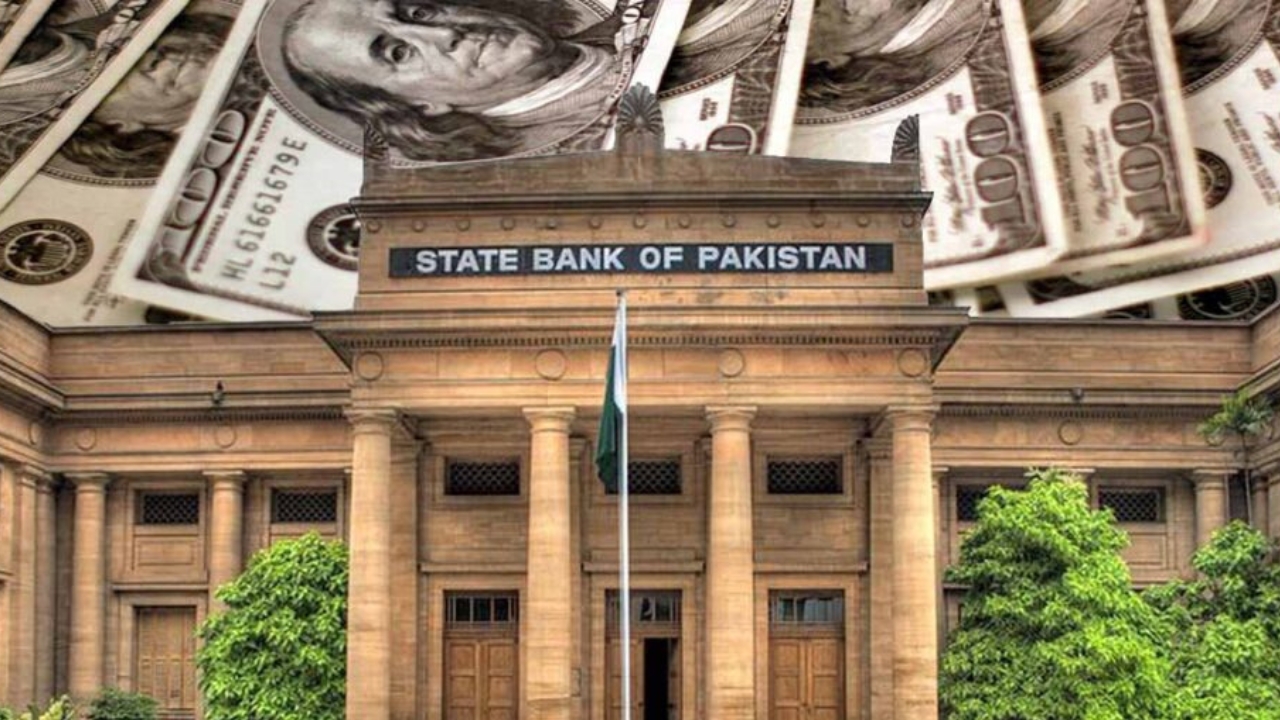
    The State Bank of Pakistan (SBP) has clarified the legal status of cryptocurrencies and other virtual assets in its latest press release. According to the details, digital assets are not illegal in Pakistan but remain unregulated due to the absence of a legal framework.

    Issued on May 30, 2025, the press release has addressed recent media reports regarding discussions during the 14th meeting of the National Assembly’s Standing Committee on Finance and Revenue. The SBP explained that it had advised banks, microfinance institutions, exchange companies, and other regulated entities back in 2018 to avoid dealing in virtual assets (VAs). 

    This was not done because digital assets were illegal, but because there were no legal or regulatory protections in place at the time. “This was done to protect its regulated entities and their customers from the risks emanating due to the absence of legal and regulatory framework for VAs in the country,” the SBP stated.

    The central bank also confirmed that it is now working with the Ministry of Finance and the Pakistan Crypto Council to develop a formal regulatory framework for virtual assets. “We understand that the legal and regulatory framework would provide the requisite clarity and legal coverage about the VAs, ensuring consumer and investor protection,” the statement added. 

    For now, cryptocurrencies remain in a legal grey area, but the SBP’s clarification suggests that Pakistan is inching toward regulation rather than an outright ban. Over the past few months, the federal government has actively been taking measures to adopt and regulate cryptocurrencies and digital assets.

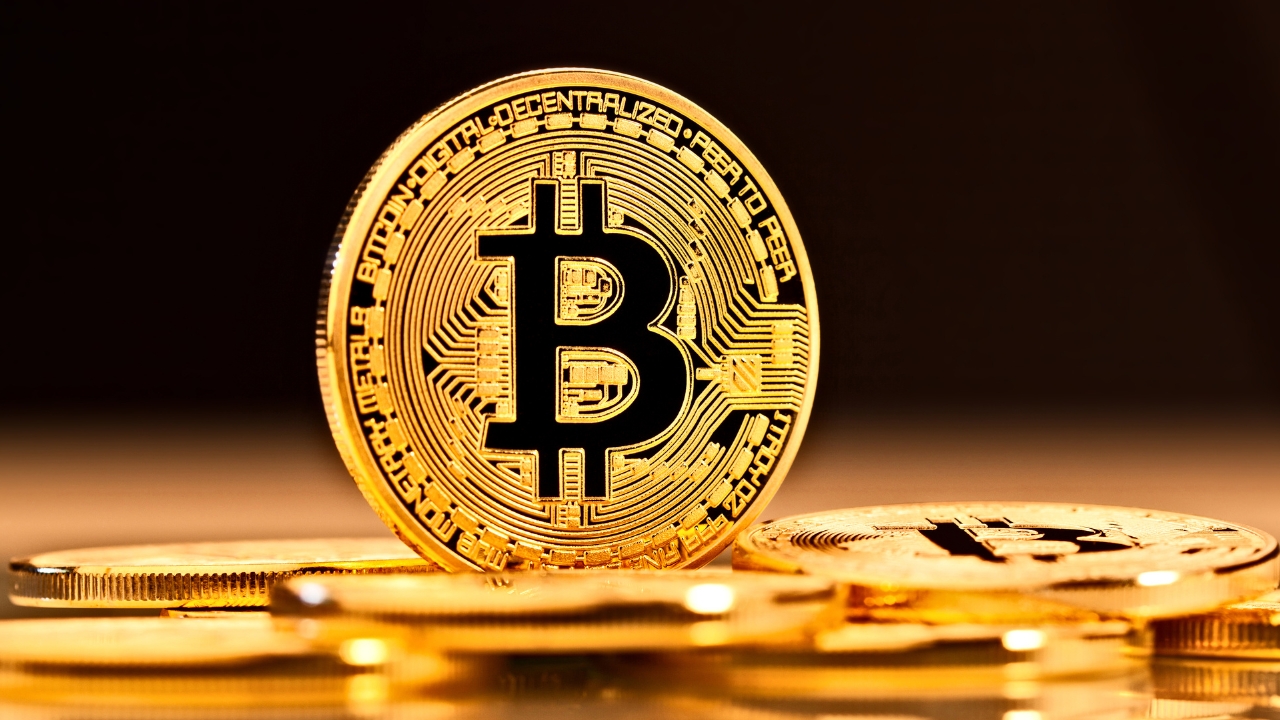
    Earlier this week, in a bid to integrate digital assets into the formal economic structure of the country, the Pakistan Crypto Council (PCC) revealed Pakistan’s first-ever government-led Strategic Bitcoin Reserve. According to reports, PCC Chief Executive Officer (CEO) Bilal Bin Saqib made the announcement during a keynote speech at Bitcoin Vegas 2025 in Las Vegas, United States.

    Pakistan has taken initiatives to support digital asset growth, mentioning how the federal government recently allocated 2,000 megawatts of surplus power to crypto mining and to power artificial intelligence data centres.

    However, critics remain sceptical, outlining how crypto may accelerate the outflow of foreign exchange from the domestic market, leading to a crisis. This is because cryptocurrencies could make it easier for capital to leave the country undetected, especially in the absence of a proper regulatory framework.

  • Inflation projected to rise after record low

    Inflation projected to rise after record low

    The Monthly Economic Update and Outlook by the Ministry of Finance (MoF) indicates that inflation was projected to rise during May and June 2025.

    For May, inflation is expected to sit between 1.5 percent to two percent, wheras it could rise to three to four percent by June. Reports have highlighted that estimates for the current and upcoming months are significantly higher compared to the “record low” 0.3 percent inflation rate recorded in April.

    While inflation rates seem to be subdued, earlier reports indicated that the decline in inflation rates can be chalked up to the ‘base effect’ of the inflation rate the economy experienced in the previous periods.

    The base effect in this context entails that subsequent increases in the prices of goods and services have been limited after inflation rates touched their peak of almost 38 percent in May 2023. However, the effect of inflation from the previous period reportedly continues to diminish the purchasing power of Pakistani citizens and businesses alike. 

    Details in the MoF’s monthly update also suggest that Large-Scale Manufacturing (LSM) remains subdued. However, the LSM sector is expected to improve its output in the next few months despite contractions in the sector on both year-on-year (YoY) and month-on-month (MoM) terms.

    As per reports, high-frequency indicators have been moving in the right direction, suggesting optimism in the sector. Improvements in the aforementioned indicators include the State Bank of Pakistan’s (SBP) expansionary monetary policy, imports of raw materials and an increase in automobile output levels.

    The SBP raised interest rates to an extortionate 22 percent in an attempt to rein in inflation rates. This measure curbed demand for consumer and business loans, resulting in a slowdown in the LSM sector.

    However, the SBP has slashed policy rates by a staggering 1,100 basis points over the past year, easing borrowing costs for manufacturers, which could help increase production levels. Moreover, consumers can avail themselves of lower rates while purchasing these goods, resulting in increased demand for LSM sector products.

    Aside from inflation rates, the MoF also outlined how the increased availability of water and improved weather conditions could boost crop output levels. If the agricultural sector witnesses growth owing to better natural conditions, it could translate into higher economic growth.

  • Pakistan boasts crypto reserve; State Bank says ban still in place

    Pakistan boasts crypto reserve; State Bank says ban still in place

    The Ministry of Finance (MoF) and the State Bank of Pakistan have reiterated that cryptocurrency and its transactions remain illegal under current regulations. This announcement, made on Thursday, comes as Islamabad takes steps to adopt and regulate cryptocurrencies on the international stage.

    Earlier this week, in a bid to integrate digital assets into the formal economic structure of the country, the Pakistan Crypto Council (PCC) revealed Pakistan’s first-ever government-led Strategic Bitcoin Reserve. According to reports, PCC Chief Executive Officer (CEO) Bilal Bin Saqib made the announcement during a keynote speech at Bitcoin Vegas 2025 in Las Vegas, United States.

    However, reports reveal that Finance Secretary Imdadullah Bosal has outlined how a crypto ban remains in place because of regulations on digital assets set by the SBP and Securities and Exchange Commission of Pakistan (SECP). The finance secretary further highlighted how crypto is not “legal tender” in Pakistan at the moment and that a legal framework can only come into place when the federal government “formally takes a decision”.

    Moreover, crypto use lacks the parliamentary backing that is needed to legalise it in the near future. Members of the National Assembly’s Standing Committee on Finance and Revenue remain confused over Islamabad’s approach to crypto. As per reports, Mirza Ikhtiar Baig asked why the government has encouraged the general public to invest in crypto when it is banned under current laws.

    He even warned investors, outlining how they could face serious consequences for investing in crypto. As per an executive director at the SBP, cryptocurrencies, including bitcoin, were declared illegal under a directive issued by the bank in 2024, with the Financial Monitoring Unit (FMU) still looking into crypto cases to refer to authorities. 

    Another official has reportedly raised concerns, shedding light on how the federal government is dedicating surplus power for bitcoin mining operations despite crypto being illegal in Pakistan.

    Mohammad Mobeen has reportedly asked why Islamabad is dealing with crypto instead of the SBP, as it could be better suited for the job of maintaining the country’s newly established crypto wallet. Critiquing the government’s approach further, he outlined how the PCC’s CEO has been meeting with leaders in the digital asset space to garner investments despite the illegal status of cryptocurrencies in Pakistan.

    Shahram Khan Tarakai has suggested that crypto may accelerate the outflow of foreign exchange from the domestic market, leading to a crisis. Committee members have also requested clarification on whether crypto mining will be controlled by the public or private sector.

  • Gold prices rise by Rs1,400 per tola in domestic market

    Gold prices rise by Rs1,400 per tola in domestic market

    Gold prices in the domestic market crept up on Wednesday, mirroring the upward trend in the international market. According to reports, the rise in prices can be attributed to growing anticipation regarding the release of information from the latest US Federal Reserve’s policy meeting.

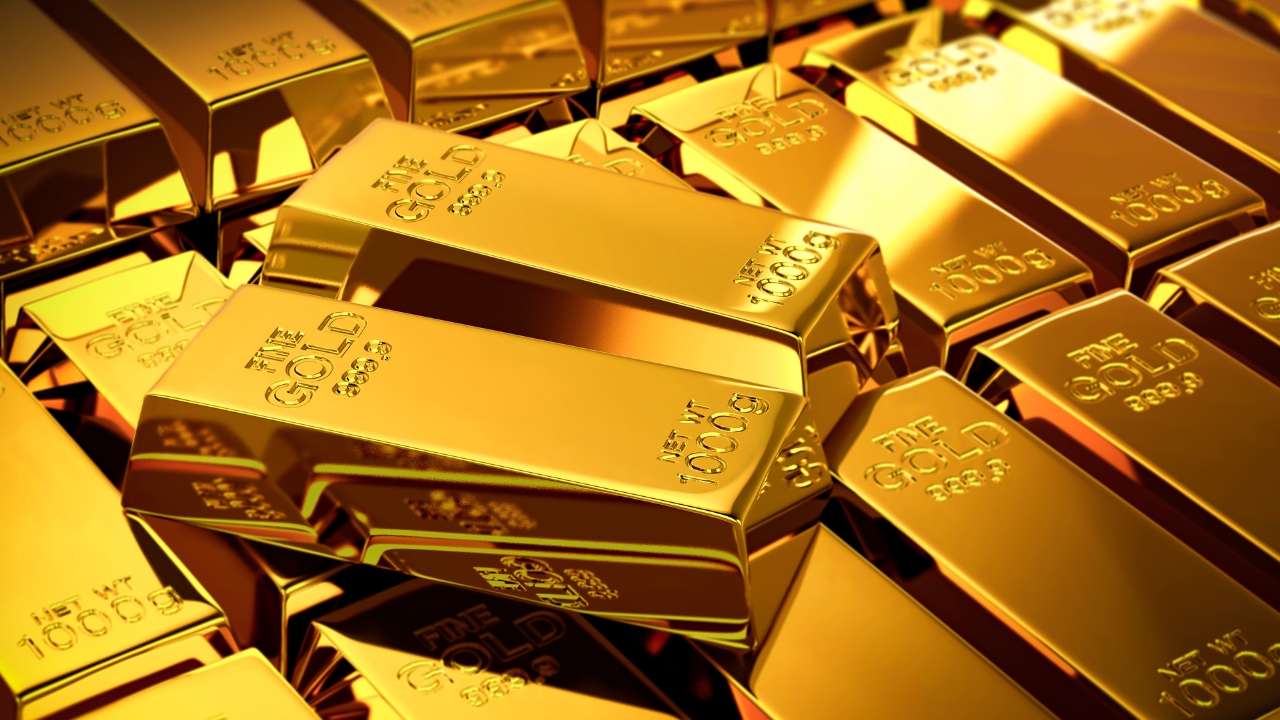
    Reports indicate that rising prices can also be chalked up to speculative purchasing in the global market, as investors are buying the dip following a drop in gold rates. Per tola 24k gold rates have surged by Rs1,400 to rest at Rs349,300 as per data from the All Pakistan Gems and Jewellers Sarafa Association (APGJSA).

    Likewise, 24k 10-gram gold prices rose by Rs1,200, causing the rate to surge up to Rs299,468. Reports outline how prices have recovered after witnessing a persistent decline, dropping by Rs3,600 per tola on Tuesday alone.

    A director at a reputable financial brokerage outlined that while gold rates fluctuated sizably on Wednesday, they remained within a set trading range. Details from reports suggest that gold prices per troy ounce surged past the $3,300 barrier and touched $3,325, while a trading low of $3,290 was recorded as well.

    The director of the financial brokerage reportedly highlighted how the $3,270 per troy ounce was a support level from where the market rates began a rally. He also mentioned that $3,250 per troy ounce was a key resistance level beyond which gold prices may not rise in the short term.

    He explained that profit taking grips the market when rates approach higher resistance levels. Historical movements in the price of the precious metal lend credibility to his statements as higher prices tend to trigger sell-offs.

    However, ongoing Russia-Ukraine tensions along with uncertainty linked to the United States’ (US) tariffs on countries continue to make gold seem an attractive investment. Historically, gold has been perceived by many as a safe-haven asset as it is a great source of value, especially in times of uncertainty.

    Gold prices tend to rise when interest rates are low. This is because lower interest rates reduce the benefit of holding interest-yielding bonds compared to holding gold, which does not provide a coupon payment. 

    Since gold prices are denominated in dollars, the direction of the shift in interest rates in the US market largely determines how gold rates will change. If the US Federal Reserve decides to cut interest rates, gold may witness a boost, causing gold rates in Pakistan to rise as well.

  • Pakistan launches state-backed Bitcoin reserve, invites crypto investment at Bitcoin Vegas 2025

    Pakistan launches state-backed Bitcoin reserve, invites crypto investment at Bitcoin Vegas 2025

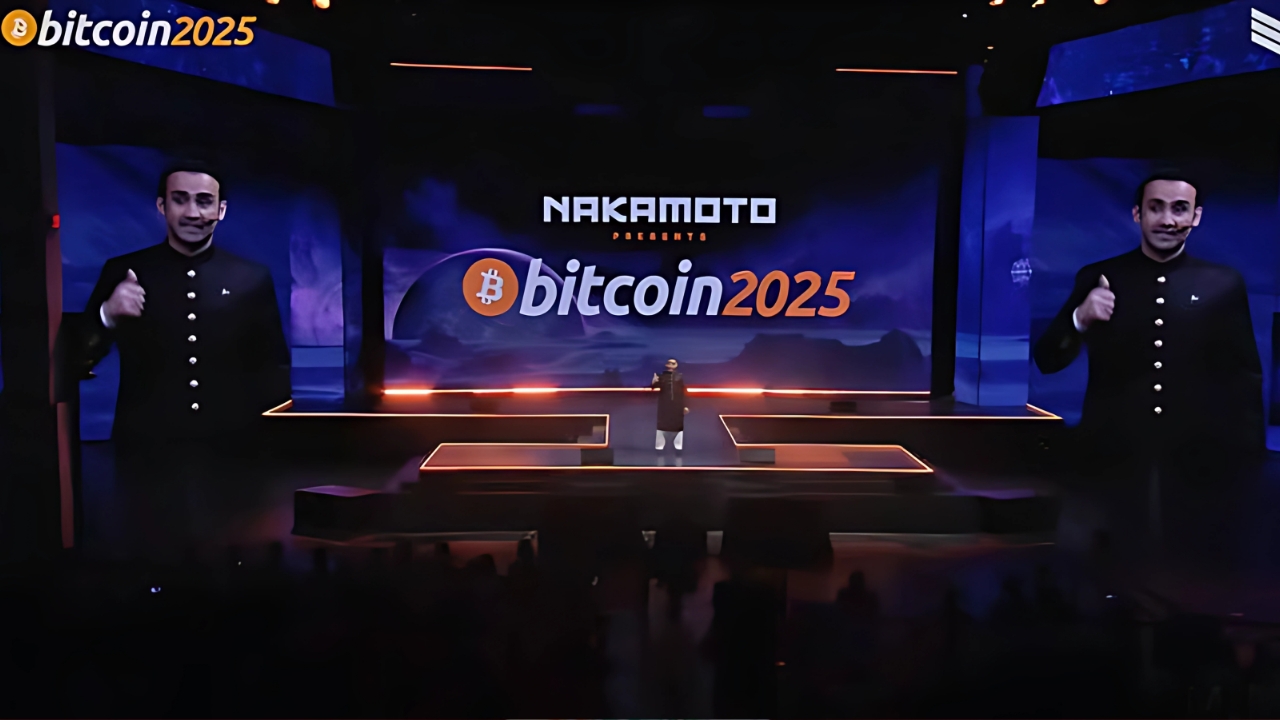
    In a bid to integrate digital assets into the formal economic structure of the country, the Pakistan Crypto Council (PCC) has revealed Pakistan’s first ever government-led Strategic Bitcoin Reserve. According to reports, PCC Chief Executive Officer (CEO) Bilal Bin Saqib made the announcement during a keynote speech at Bitcoin Vegas 2025 in Las Vegas, United States.


    The PCC CEO delivered his speech to a crowd including high profile attendees such as United States Vice President JD Vance, Donald Trump Jr and Eric Trump. Reports reveal that the PCC’s CEO is attempting to garner investment inflows into domestic crypto markets.


    He outlined the intentions behind creating a crypto wallet, highlighting how holding digital assets by the state was “not for sale or speculation, but as a sovereign reserve signalling long-term belief in decentralised finance.” Pakistan’s move comes after the United States (US) created its own strategic reserve in early March 2025, upon the election of Donald Trump as President of the US.


    He acknowledged taking inspiration from the United States in establishing the national wallet, stating, “We want to thank the United States of America again because we are getting inspired by them.” He also thanked US President Donald Trump for his commitment to adopt crypto.


    However, he attempted to highlight Pakistan’s initiatives as well, mentioning how the federal government recently allocated 2,000 megawatts of surplus power to crypto mining and to power artificial intelligence data centers.


    He also cleared Pakistan’s image which has been tarnished because of negative PR and media coverage by shining a positive light onto Pakistan. Reports indicate that he requested everyone to “look past the headlines” as it would allow them to see “talent, resilience, and vision.”


    Moreover, in a statement issued by his office, he said that the country is “no longer defined by its past” and that ongoing advancements will transform Pakistan into a hub of digital innovation. He urged international crypto builders to bring their investments to Pakistan, stating, “If you’re building something real — come build it in Pakistan.”


    He suggested that crypto builders could tokenize land and “build wallets for the unbanked”. If builders heed his advice, Pakistan could witness a sizable influx of foreign direct investment (FDI), to the tune of billions of dollars, along with a potential increase in employment opportunities.


    During his speech at Bitcoin Vegas 2025, the PCC CEO revealed a blueprint which placed Pakistan “as a  tech-forward, youth-powered, and opportunity-rich nation ready to lead”.

  • Finance minister vows to shift tax burden away from salaried class, other documented sectors

    Finance minister vows to shift tax burden away from salaried class, other documented sectors

    Finance Minister Muhammad Aurangzeb has assured that the upcoming budget will offer some relief to the salaried class by shifting the tax focus towards sectors that operate outside of the formal economy. According to reports, in meetings held on Tuesday as part of pre-budget consultations, the finance minister outlined how this shift would come through stronger digitisation efforts and a move to limit cash transactions.

    Reports indicate that over the past few days, the finance team met with a multitude of officials from banks, financial institutions, regulators, and representatives from industries like steel and ceramics. These meetings gathered input on policy decisions for the next federal budget, and as per reports, much of the focus remained on finding ways to capture undocumented economic activity.

    A set of proposals was discussed that could reshape how cash is used in Pakistan’s economy. Some of the ideas included taxing large cash transactions, which incentivises digital payment methods, or, more seriously, even banning cash altogether in certain sectors that the Federal Board of Revenue (FBR) will identify. 

    Karandaaz, Pakistan Revenue Automation Limited, and banks are all expected to play a part in supporting this effort. If implemented, it would allow for transactions to be documented in greater detail, reducing instances of tax evasion and money laundering.

    Another meeting zeroed in on the push toward digital payments. Authorities intend to expand access to these services, especially for people who are currently left out. 

    According to analysts, those left out of the digitisation process include small retailers and communities that still depend heavily on cash. Stakeholders said this transition can’t happen unless it becomes cheaper and easier to adopt digital options. 

    Reports indicate that lowering costs for businesses that accept digital payments was described as a priority in discussions. As it stands, consumer transactions made via digital means are subject to lower General Sales Tax (GST) charges, which already makes cashless payments an attractive option. 

    As per reports, the federal government also wants to make digital payment systems more compatible with one another. Platforms like Raast, which allow instant payments between banks, were outlined as a key building block to a system where people have more freedom to choose how they pay and who they bank with.

    Officials reportedly stressed the importance of making digital payments not just available but attractive. That means changing how incentives are structured so that cash no longer seems like the simpler option. The overall goal is to level the playing field between digital and cash-based transactions.

    The finance minister made it clear that moving away from cash is no longer just a policy goal, as he labelled it a necessary step for economic stability and long-term growth. In his words, building an inclusive and easy-to-use digital payments system is essential, and it needs to happen with speed and coordination.

  • SBP purchases $5.9 billion to build reserves

    SBP purchases $5.9 billion to build reserves

    The State Bank of Pakistan (SBP) has accumulated $5.9 billion from the currency market since the start of fiscal year (FY) 2024-25 by utilising stronger remittance inflows. According to reports, the SBP aims to build up its foreign exchange reserves even as it continues to receive financial support from the International Monetary Fund (IMF) and allied nations.

    According to data compiled by a reputable domestic brokerage house, the SBP purchased a staggering $223 million in February alone. The total volume of market purchases during the first nine months of FY 2024-25 reportedly suggests that the SBP wants to accrue a respectable amount of reserves, which has caused analysts to outline how the SBP’s purchase of dollars in the aforementioned period might be the largest in recent history.

    Despite these efforts, the SBP has fallen short of its reserves target. After initially forecasting modest inflows, the SBP revised its expectations upwards, setting a new goal of $14 billion in reserves while simultaneously projecting remittances to reach $38 billion by the end of FY25.

    Following a $1 billion IMF disbursement received on May 16, SBP’s reserves rose to a respectable $11.5 billion. Reports claim that this figure indicates that nearly half of the reserve accumulation has come from dollar buying in the open market.

    Currency dealers report that despite ample liquidity, the SBP has continued to restrict import activity. Pakistan’s trade deficit in April hit a new high, while FY 2024-25 also witnessed record-high profit repatriation by foreign companies.

    For reference, repatriation of profits by foreign companies indicates a movement of funds out of the domestic market. Persistently high trade deficits and repatriation of profits abroad have reportedly pressured Pakistan’s external account.

    At the same time, Pakistan is set to receive further external support. Reports reveal that a $1.4 billion inflow is expected under the IMF’s Resilience and Sustainability Facility. Moreover, the domestic financial sector claims that Pakistan has been successful in inking a $1 billion agreement with the United Arab Emirates (UAE), which will result in an inflow of funds likely in the coming weeks.

    On the investment front, foreign direct investment during the first ten months of the fiscal year slightly lagged behind the previous year’s tally. However, analysts believe that a firm and strategic response to recent Indian aggression has helped Pakistan reassert its regional presence. Some see this as a potential catalyst for improved investor sentiment and renewed interest in long-term commitments to the country.

  • Local gold rates record decline as global prices drop amid easing US-EU tensions

    Local gold rates record decline as global prices drop amid easing US-EU tensions

    Gold prices in Pakistan fell sharply on Monday, echoing a slowdown in the international bullion market. In the local market, rates dropped by Rs2,600 per tola, settling at Rs351,500, while the price of 10 grams also declined by Rs2,228, closing at Rs301,354.

    This drop comes just after gold had reportedly jumped by Rs3,100 per tola on Saturday, hitting a peak of Rs354,100. Gold prices in the international market also took a hit, with prices slipping by $26 per troy ounce to $3,331, according to the All-Pakistan Gems and Jewellers Sarafa Association (APGJSA).

    A Director of a reputable commodities institute outlined how market activity was almost non-existent due to a US bank holiday. According to the director, the market was largely subdued, experiencing a high of $3,356 while touching a low of $3,323. Rates hovered around $3,335, witnessing nominal fluctuations.

    As per reports, one of the key reasons for the dip was easing trade tensions between the United States (US) and the European Union (EU). After warning of a 50 percent tariff starting June 1, Donald Trump reportedly agreed over the weekend to delay the decision after talks with the EU. A new deadline has now been set for July 9 to finalise the deal, which pulled some pressure off global markets and dampened demand for gold.

    Historically, gold has been perceived by many as a safe-haven asset as it is a great source of value, especially in times of uncertainty. However, with trade tensions decreasing, many are pulling out the funds that they had previously parked into gold as US-EU trade tensions decrease.

    For Pakistan, the drop in gold prices could be a good sign as it will allow domestic buyers to purchase the commodity. This is because gold will become more affordable for local buyers allowing people to purchase the yellow metal for the upcoming wedding season.

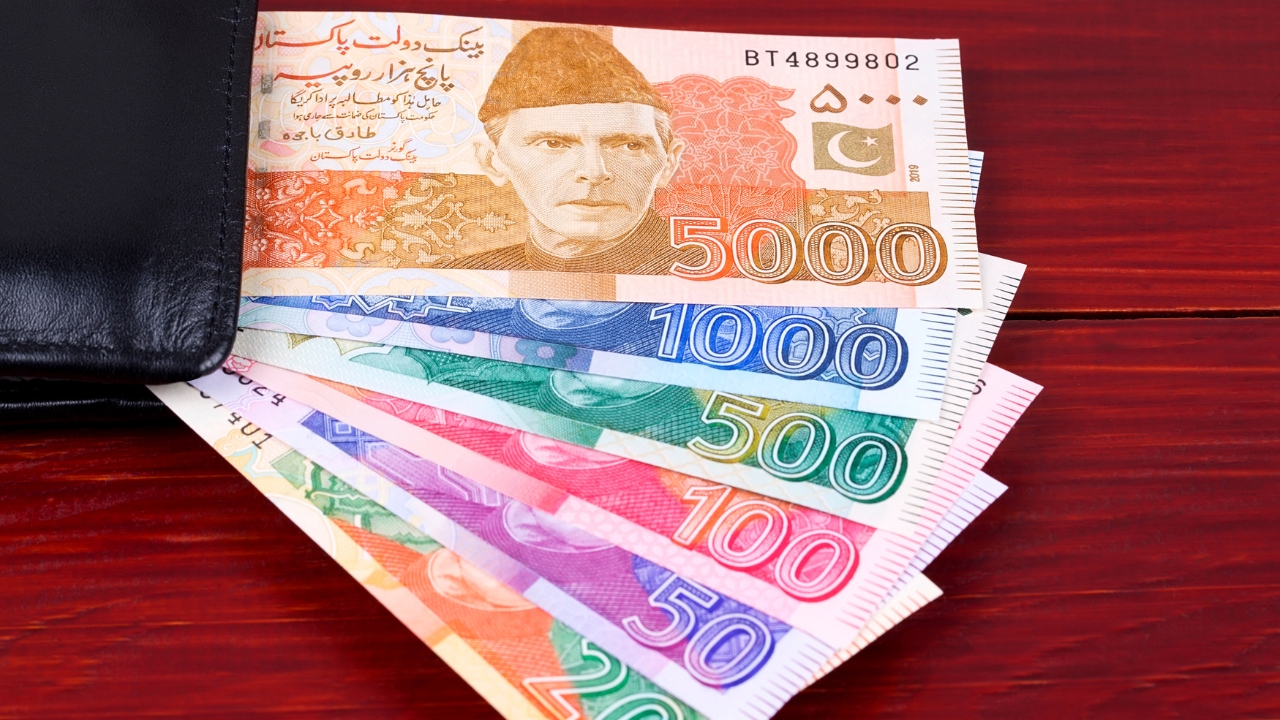
    In other developments, the Pakistani rupee saw a small decline against the US dollar. Data from the State Bank of Pakistan indicates that it closed at 282.06 in the interbank market, slipping by Rs0.09 or 0.03 percent. On a calendar year-to-date basis, the rupee has weakened by 1.24 percent, and by 1.32 percent for the fiscal year so far.

    Reports have revealed the performance of other major currencies too, highlighting how the euro and the US dollar gained ground globally against traditional safe-haven currencies like the yen and Swiss franc. This move came after Trump’s tariff retreat, which calmed investor nerves and shifted money away from gold and into riskier assets.

  • Auto industry calls for clear import duty policy ahead of upcoming budget

    Auto industry calls for clear import duty policy ahead of upcoming budget

    Automobile assemblers and spare part manufacturers alike have requested the federal government to provide clear policy guidelines regarding the reduction of import duties. According to reports, assemblers want the government to disclose this information to them prior to the announcement of the federal budget for Fiscal Year (FY) 2025-26.

    Stakeholders in the domestic automotive sector met with Special Assistant to the Prime Minister, Haroon Akhtar Khan, to seek the government’s stance on upcoming policy changes. As per reports, the aforementioned stakeholders included representatives from the Pakistan Automotive Manufacturers Association (PAMA) and the Pakistan Association of Automotive Parts and Accessories Manufacturers (PAAPAM).

    While a reduction in duties could help increase competition in the domestic market, authorities linked to the Ministry of Industries and Production and the Engineering Development Board (EDB) outlined how it could lead to a shift of focus away from domestic manufacturing in favour of imported cars.

    Higher automotive imports could also result in a significant leakage of foreign reserves. The mechanism behind this is the State Bank of Pakistan’s managed float regime, which requires foreign exchange interventions to ensure the rupee does not depreciate significantly.

    Domestic consumers would stand to benefit from such policies; however, the increase in competition could lead to a drop in car prices. Moreover, easing imports could also increase the array of choices available to those looking to purchase a vehicle.

    The federal government intends to implement the National Tariff Policy (NTP) for 2025-30 from July 1. Reports indicate that the meeting between manufacturers and state officials falls under the umbrella of the NTP. 

    The NTP aims to reduce regulatory duties while also abolishing additional customs duties in phases. This policy measure intends to simplify customs processes while also cutting down barriers to free trade.

    Reports suggest that domestic automotive manufacturers seek duties on imported vehicles as the high cost of raw materials and electricity make it virtually impossible to compete, on price, with players such as China, Indonesia, India, Thailand and Vietnam.  

    As per Paapam, operating domestic manufacturing units was not viable given the aforementioned challenges. Reports reveal that by 2030, import duties on industrial and auto machinery are expected to fall to around 15 percent, which has raised concerns in the auto sector. 

    CBUs (completely built imported vehicles) currently face high taxes ranging from 50 percent to 100 percent. Similarly, local auto part manufacturers are protected by an 18 percent duty on imported CKD (completely knocked down) kits. 

    During the meeting, Paapam reportedly cautioned the government, outlining how if CBUs are imported at just 15 percent duty, auto parts may also be imported at extremely low rates of around zero to 10 percent. This could detrimentally impact local manufacturers who rely on protective tariffs to stay competitive.