Category: Business

  • Govt revises economic growth rate down to 2.68 percent

    Govt revises economic growth rate down to 2.68 percent

    Pakistan’s economy continues to post modest growth as macroeconomic indicators such as Gross Domestic Product (GDP) and per capita income have increased in Fiscal Year (FY) 2024-25 compared to FY 2023-24. The government announced that it anticipated the economy to grow at a rate of 2.68 percent.

    The figure displays a steep drop from initial projections which suggested that the rate of economic growth would sit at 3.6 percent in FY 2024-25. The government’s statement from Tuesday indicates that the country will not be able to meet the targeted GDP figure. 


    The latest growth figures released by the government align closely with revised projections released by international financial institutions such as the World Bank and International Monetary Fund (IMF). Data from the World Bank indicates that Pakistan’s economy is expected to grow by 2.7 percent during the current FY, falling marginally from earlier estimations of a 2.8 percent growth rate.


    However, the International Monetary Fund’s (IMF) growth revisions have been more pronounced as the lender expects real GDP growth to sit at just 2.6 percent. This is a large deviation from the growth rate the IMF originally anticipated, which stood at a respectable three percent.


    The Asian Development Bank (ADB) estimates growth rate to sit at 2.8 percent, depicting the institutions’ optimism surrounding Pakistan’s economy. 


    The revised GDP growth rates were approved during a meeting of the National Accounts Committee (NAC). As per reports, Planning Commission Secretary Awais Manzur Sumra chaired the 113th NAC meeting during which the aforementioned revisions were approved.


    Reports reveal that Paksitan’s economic recovery is stagnating because of falling industrial output and pressures on the economy stemming from external financing issues. The large scale manufacturing sector witnessed a contraction of 1.53 percent in the first three quarters of FY 2024-25 accompanied by a 3.38 percent decline in the mining and quarrying sector.


    The agricultural sector is projected to log a marginal 0.56 percent growth during FY 2024-25, a figure lower than what most economists would prefer.  Despite challenges faced by the agricultural and industrial sectors, the service sector has witnessed sizable growth, resulting in the size of the economy reportedly rising to $410.96 billion in FY 2024-25.


    Compared to the previous FY, the figure stood at a much higher than the 371.66 billion nominal GDP figure indicating a revival of the economy. Per capita income has grown as well, reportedly rising from $1,680 in FY 2024-25 to $1824 for the current FY.

  • Pakistan seeks $350 million in loans from UAE banks

    Pakistan seeks $350 million in loans from UAE banks

    Lawmakers in Islamabad have reportedly engaged in discussions with commercial banks from the United Arab Emirates to request loans totalling $350 million. According to reports, the federal government requires these loans to meet external financing needs.

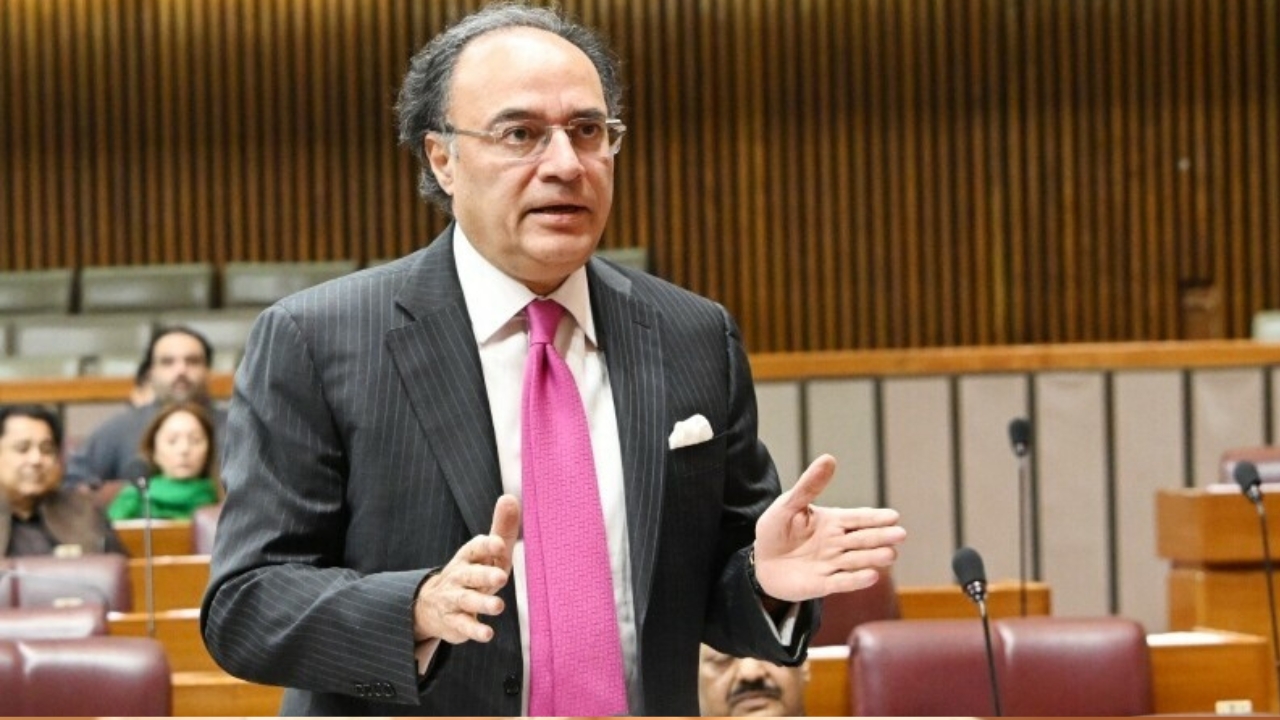
    Finance Minister Muhammad Aurangzeb has been holding talks with the UAE’s commercial banks in efforts to resume their lending to Pakistan. Analysts believe that the loan package may be finalised soon, providing the economy with some fiscal breathing room.

    In the first nine months of fiscal year (FY) 2024-25, foreign creditors provided Islamabad with approximately $504 million, with a number of the lenders based in the UAE. This has reportedly subsided fears foreign commercial banks had and kept them away from providing Pakistan with loans.

    Lately, Pakistan has greatly improved its banking outlook along with most of its macroeconomic indicators. The Finance Minister outlined Pakistan’s accomplishment of meeting quantitative targets set by the International Monetary Fund (IMF) while highlighting how the renowned credit rating agency, Fitch, improved Pakistan’s credit rating.

    Aside from Fitch, another credit rating agency, Moody’s, also upgraded Pakistan’s rating, reflecting rising market confidence in the country’s ability to pay back its liabilities. Commercial banks prefer lending to countries with a low risk of default as it is a safer option with steady returns on issued debt.

    The Ministry of Finance has revealed that it engaged with three UAE-based banks, namely Abu Dhabi Islamic Bank, Ajman Bank and Sharjah Islamic Bank. As per reports, these meetings were held virtually and revolved around the aforementioned banks’ support for Islamabad’s fiscal and developmental goals.

    The finance minister was at the helm of the discussions and even engaged with members of a team from Standard Chartered Bank. Reports suggest that he expressed gratitude to both Dubai Islamic Bank and Standard Charte­red Bank for identifying Ajman and Sharjah Islamic Banks as potential lenders.

    Reports indicate that the Asian Develop­ment Bank (ADB) is willing to back the loans totalling $350 million with its guarantees, greatly reducing the risk of the UAE’s banks lending to Pakistan. In the event that Pakistan defaults on these specific loans, ADB may have to repay the banks with its own resources. 

    As per reports, the Finance Minister outlined the government’s commitment to long-term reforms, including active privatisation efforts and rightsizing of the government.

  • Petroleum levy to surpass Rs100 per litre as Pakistan aligns with IMF demands

    Petroleum levy to surpass Rs100 per litre as Pakistan aligns with IMF demands

    The federal government, following discussions with the International Monetary Fund (IMF), has reached an agreement with the creditor to increase the domestic Petroleum Development Levy (PDL) to over Rs100 per litre. According to reports, the international lender expects Pakistan to make this change in fiscal year (FY) 2025-26.

    Reports indicate that proceeds from the PDL will be directed towards power sector subsidies and payments to reduce the country’s ballooning circular debt. This will result in a massive hike in the PDL, which is Rs78 per litre and Rs77 per litre for petrol and diesel, respectively.

    Reports reveal that the hiking of the PDL is in line with the federal government’s initiatives as lawmakers intend to fund electric vehicle and power subsidies via proceeds from non-tax revenues. Moreover, it is part of the IMF’s Extended Fund Facility Program, and if followed correctly, it will allow Islamabad to greatly consolidate its fiscal position.

    This move may pave the way for Pakistan to curb fuel imports, reducing the current trade deficit. However, many analysts believe that the demand for fuel is inelastic, resulting in only a minor drop in domestic consumption of the commodity – this could allow for a significant boost in government revenues.   

    The PDL has recently witnessed a series of increments, rising from Rs60 per litre in July 2024 to its current high of Rs80 per litre. According to reports, this Rs20 rupee hike, spread out over 10 months, resulted in the government obtaining an additional Rs1 trillion in revenue.

    Islamabad had initially planned to bring in a whopping Rs1.281 trillion via the levy by the end of the FY. Moreover, the levies on fuel are not limited to the PDL as the government intends to impose a carbon levy on petrol and diesel, standing at Rs5 per litre.  

    Reports suggest that the government intends to abolish the ceiling on the Debt Service Surchage (DSS) on power bills by the end of FY 2024-25. The ceiling stands at 10 percent, and if removed, may greatly alleviate the cash-strapped nation’s rising circular debt stock.

    To counter the circular debt problem, the government intends to pass fuel cost pass-throughs and regular tariff adjustments onto users of the national grid. This could result in the general public facing higher power bills, thereby reducing household purchasing power.

  • IMF team in Pakistan for crucial budget talks

    IMF team in Pakistan for crucial budget talks

    A delegation from the International Monetary Fund (IMF) has come to Pakistan to engage in high-level policy discussions regarding the federal government’s budget for fiscal year (FY) 2025-26. According to reports the delegation will remain in Pakistan until May 22. 


    As per the Ministry of Finance (MoF), Islamabad’s negotiations with the international lender will cover a vast array of budgetary estimates, revenue targets and expenditure figures. The IMF intends to lend support to the domestic economy to relieve the growing external financing and fiscal pressures.


    The IMF has also tacked on 11 conditions on Pakistan, bringing the total number of loan conditions to 50,  to ensure that it remains on the roadmap laid out by the fund. One of these conditions, revealed in a staff level report, included raising debt servicing surcharge on electricity bills.


    While stricter austerity measures might be required in FY 2025-26’s budget, the general public has witnessed a fall in purchasing power owing to rising taxation levels. 


    Reports reveal that key officials from the Federal Board of Revenue (FBR), State Bank of Pakistan (SBP), the MoF and Planning Commission are to tackle negotiations with the delegation sent by the international creditor. While macroeconomic indicators have logged a remarkable improvement, with an award winning journalist even dubbing Pakistan’s economy as a ‘mini-miracle’, the country still struggles in the face of the external financing gap.


    Reports indicate that the external financing gap continues to widen and if left unchecked, could grow to a staggering $19.75 billion in FY 2025-26. Furthermore, the gap is not expected to close any time soon as projections suggest that the gap will not shrink, with analysts anticipating for the gap to remain over $19 billion even in FY 2026-27.  


    Beyond that, estimates from reports reveal that by FY 2027-28, Pakistan’s total external financial shortfall will surge to approximately Rs9 trillion. However, by FY 2027-28, analysts believe that Pakistan foreign exchange reserves could grow to a respectable $23 billion.


    Reports suggest that remittances will remain at approximately $36 billion throughout, with the current account deficit being close to $3.85 billion. While rising remittance inflows recently allowed Pakistan to experience a rare current account surplus, a widening of the trade deficit can result in a worsening of the current account position.

  • Profit taking grips PSX after early record-breaking rally

    Profit taking grips PSX after early record-breaking rally

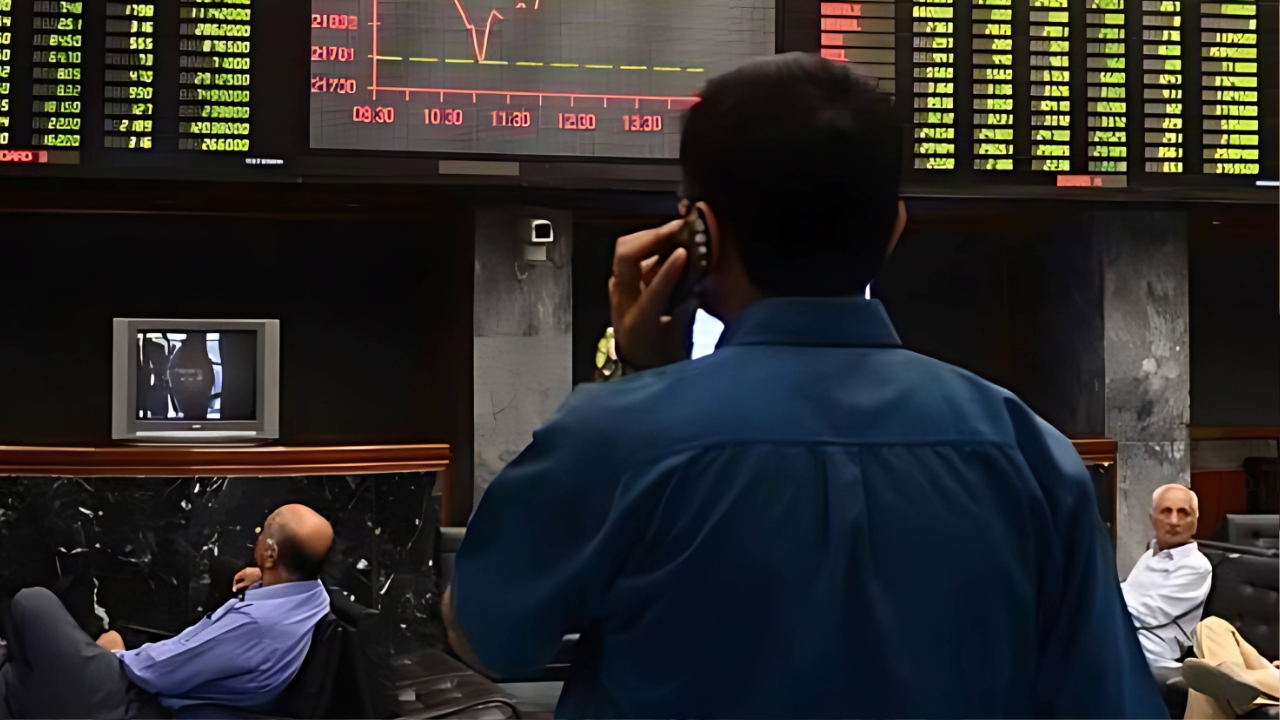
    Following exchanges with the International Monetary Fund (IMF) and the cessation of hostilities by India, the Pakistan Stock Exchange (PSX) continued its upward trend to cross 120,000 points during intraday trading. Reports have confirmed that surging investor confidence allowed the exchange to reach its highest point in history on Monday, setting a new record.

    The KSE-100, the benchmark index of the PSX, reached an intraday high of 120,285.54 points. The index peaked at 9:33 AM after which significant profit taking took hold of the market, causing the market to close at a lower, yet respectable, 119,649.14 points.

    For reference, the KSE-100 closed at 119,689.63 points on Friday, after which the index recorded a growth of 0.03 percent during trading hours on Monday, allowing for a 40.49 point rise. The market displayed a slowdown around 11:37 PM as the KSE-100 hit its intraday trading low of 119,250.67 points before recording a recovery to close the day marginally higher than when trading hours started.

    Of the 17 indexes listed on the exchange, 7 remained in the green with the All-share index (ALLSHR) being in the red, shrinking by 0.03 percent, which translates into a 20.99 point loss for the index. Unlike the KSE-100, which tracks the performance of the 100 largest and most liquid companies, the ALLSHR index records the performance of all publicly listed companies on the PSX.

    A number of companies witnessed a rise in share prices, with First Paramount Modaraba (FPRM) and Dost Steels Limited (DSL) winning big, to the tune of growth rates that sat at 12.08 percent (FPRM) and 11.99 percent (DSL).

    However, not every publicly listed stock witnessed an improvement as many companies witnessed sharp declines. Of these declining companies, the one that fared the worst during intra-day trading was J.K. Spinning Mills Limited (JKSM) which posted a 16.85 percent decline in its position.

    Analysts have pegged the boom in the KSE-100 to the Pak-India ceasefire, outlining how the index witnessed a staggering 12,474-point rally in the last week to settle just under 120,000 points. Moreover, the IMF has given its green light to the first review of the country’s loan program along with the approval of a climate fund, reportedly resulting in the disbursement of $1 billion.

    Analysts have reportedly projected that the KSE-100 index could cross 165,000 points by December 2025, owing to a drop in interest rates and an improved state of the wider economy. These factors are responsible for creating a business-friendly environment, lending weight to analysts’ claims.

  • Shehbaz Sharif rolls out phased tariff reforms to boost exports, strengthen industrial growth

    Shehbaz Sharif rolls out phased tariff reforms to boost exports, strengthen industrial growth

    In a bid to support industrialisation efforts and export revenues, Prime Minister (PM) Shehbaz Sharif has decided to implement the National Tariff Policy by forming a senior advisory committee. According to reports, the tariff policy is to be implemented over a period of five years and is expected to significantly improve the domestic economy.

    Reports indicate that the committee will include 10 senior officials, with Finance Minister Muhammad Aurangzeb at the helm. Notable figures on the committee include the ministers for Railways, National Food Security & Research, Commerce, and Petroleum.

    Furthermore, renowned economist Dr Ijaz Nabi, along with former bureaucrats Dr Robina Athar and Manzoor Ahmed, are also part of the committee. The inclusion of economic experts along with bureaucrats may result in the committee gaining a wider array of perspectives as opposed to one entirely composed of lawmakers alone.

    As per the notification, the committee is primarily responsible for leveraging tariffs to grow exports, come up with support schemes and outline different sectors that will be affected because of a revision in tariffs, among other duties.

    Other responsibilities include providing oversight to the policy’s implementation, along with studying the economic figures associated with tariffs. Moreover, reports indicate that the committee will also attempt to bring in foreign direct investment inflows while simultaneously focusing on creating a surplus in the supply of industrial products.

    While the surplus may not clear in the domestic market, experts believe that it could allow for a boost in exports, thereby generating export revenues for cash-strapped Pakistan.  This spells great news for the country as it has historically relied on remittances to stop the current account deficit from growing too large, a phenomenon caused by the country’s persistent trade deficits.

    Reports reveal that the Ministry of Commerce (MoCOM) will have the authority to induct members onto the committee. The MoCOM has also been tasked with extending secretarial support to the committee upon request. 

    PM Shehbaz has authorised a sizable drop in tariffs on imports, which could attract investments while boosting exports, as per details from an official announcement. He announced his intentions to create employment avenues by improving the economy.

    Reports suggest that PM Shebaz has also implemented a 15 percent upper limit on customs duty, a move that could provide importers relief. Moreover, he waived off additional customs duty entirely, which can be as high as seven percent, along with regulatory duties, which can be as high as 90 percent. 

    However, these reductions in tariffs and duties are to be implemented in phases. As per reports, it will take four to five years for importers to experience the full extent of tariff reductions.

  • Petroleum dealers fear unfair crackdowns under new amendment

    Petroleum dealers fear unfair crackdowns under new amendment

    In a bid to oppose the proposed Petroleum (Amendment) Act 2025, the All Pakistan Petroleum Dealers Association (APPDA) has claimed that the proposed amendment could detrimentally affect the business operations of upstanding petroleum retailers. The amendment in question aims to crack down on fuel smuggling and adulteration tactics; however, the APPDA suggests that it could result in a disruption of the energy supply chain.

    Earlier this week, Islamabad decided to introduce the bill in the National Assembly in an attempt to digitally track etroleum products in various stages of the production process. According to reports, officials intended to introduce tracking mechanisms from import and production to retail sales.

    The introduction of the clauses to the amendment means that if passed, they will grant government officials, such as deputy and assistant commissioners, along with a handful of other officers, the power to confiscate fuel, machinery and the equipment of fuel vendors who are not abiding by the law.

    However, interviews with reputable reporting institutions have revealed their fears surrounding the vesting of such sweeping powers in government officials. According to pump owners, the devolution of such power to administrators, coupled with the lack of regulatory checks and oversight, is likely to result in unfair outcomes for them.

    As per reports, pump owners feel that the proposed amendment creates an environment wherein they will be exposed to coercion simply for authorities to reach their “enforcement targets”. Moreover, an owner also logged their resentment in an interview, reiterating how they have collectively poured billions into investment across the country. 

    However, the federal government has reasons to propose the amendment. Reports indicate that an estimated 10 million litres of Iranian diesel and petrol are smuggled into the country, detrimentally impacting the national exchequer, as smuggled petroleum evades taxes and duties. 

    This phenomenon results in the national exchequer losing out on a staggering Rs300 to Rs500 in annual tax revenue. Moreover, smuggled petroleum evades taxes and duties, allowing for the generation of supernormal profits for all those involved in the malpractice.

    If implemented with integrity, the amendment will actually shield pump owners complying with the law. This is because ensuring that every entity is subject to the same rules will reduce the upside of not cooperating with the law, as the opportunity to generate supernormal profits by engaging in illegal activities will not seem as attractive given the possibility of facing a fine.

  • Pakistan’s business community rushes to support Türkiye amid Indian boycotts

    Pakistan’s business community rushes to support Türkiye amid Indian boycotts

    Amid widespread Indian boycotts over Türkiye’s support for Pakistan during last week’s military clashes, the business community in Pakistan has rushed to aid the West Asian nation.

    According to sources in the Federation of Pakistan Chamber of Commerce & Industries (FPCCI), the body’s acting president has said that the volume of raw material and other imports from Türkiye to Pakistan should immediately be increased.

    The federation has also called on the business community to express “more than usual” support for Türkiye as India trains its guns on the country for honouring its commitments to, and expressing support for, Pakistan.

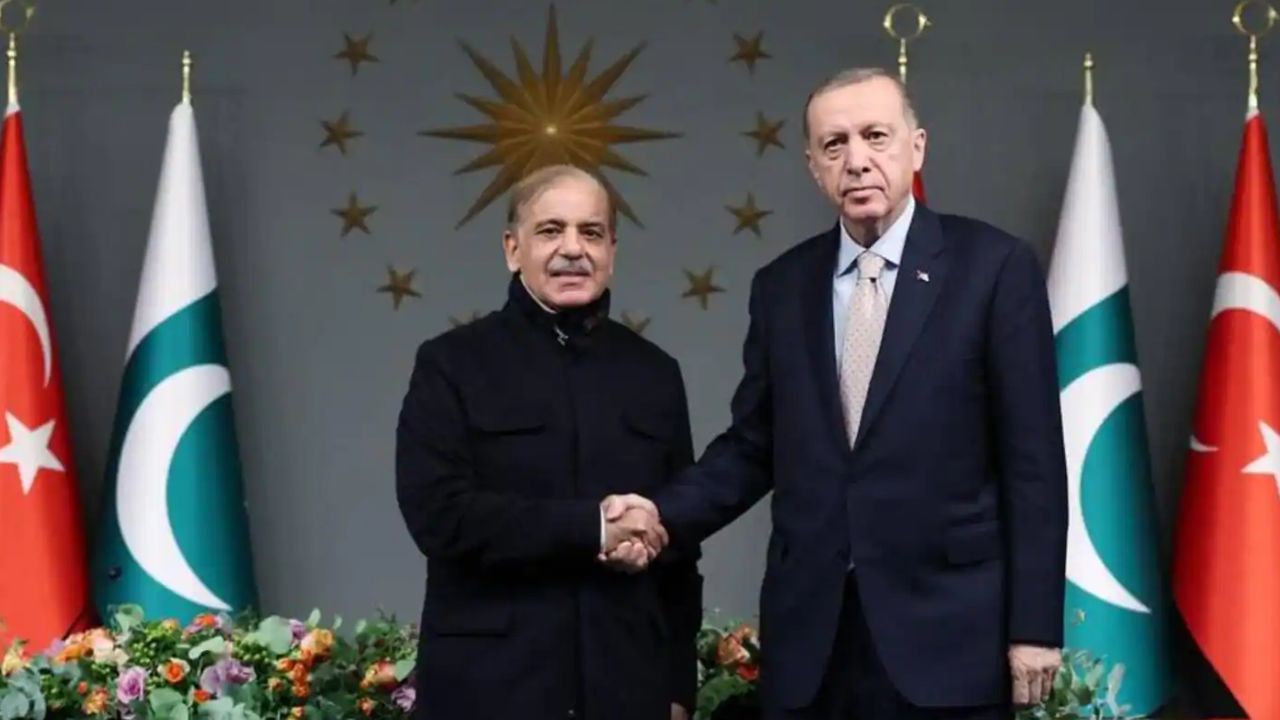
    Turkish President Recep Tayyip Erdogan has also made an unequivocal declaration of support for the Pakistani people amid heightened regional tensions. “I once again congratulate our Pakistani brothers on their patience, resilience and wise approach,” he said during a cabinet meeting following the ceasefire as a result of Pakistani military’s befitting response to cross-border Indian aggression.

    “God willing, Türkiye will continue to stand with the brotherly Pakistani nation in both good and difficult times,” President Erdogan said, which did not sit well with Indians who have since issued calls for the public to boycott Turkey.

    The boycott gained momentum after reports emerged of Turkish drones being used by Pakistan against India.

    According to reports, India has also barred Turkish firm Celebi from operating at its airports, citing national security concerns — an allegation the company denies. Several Indian universities, including Jawaharlal Nehru University, Jamia Millia Islamia and Maulana Azad National Urdu University, have also suspended academic ties with Turkish institutions.

    “Every hardworking Indian who travels abroad as a tourist understands today that their hard-earned rupee should not be spent on those who help the enemies of our country,” said Rajeev Chandrasekhar, a former federal minister and a member of PM Narendra Modi’s Bharatiya Janata Party (BJP).

    The social media boycott calls had an immediate impact, with Indian travel sites reporting a sharp spike in cancellations this week.

    According to official data, 330,100 Indians visited Turkey in 2024, up from 274,000 in 2023. Despite rising numbers, Indians made up for less than one percent of Turkey’s foreign visitors in 2024 — a modest share with limited impact on overall tourism revenue.

  • Rare win for PTI: Walkout stalls passage of key bill in National Assembly

    Rare win for PTI: Walkout stalls passage of key bill in National Assembly

    The federal government found itself in an awkward spot in the National Assembly (NA) on Thursday after the Pakistan Tehreek-e-Insaf (PTI) led opposition stalled the passage of a key money bill right in the middle of proceedings.


    According to reports, during the session, Finance Minister Muhammad Aurangzeb moved a motion to formally present the Income Tax (Amendment) Bill 2024. However, things didn’t go according to plan as the motion was unexpectedly defeated in a 67-32 vote. 


    The defeat quickly made the Pakistan Tehreek e Insaaf (PTI) lawmakers realize that the treasury didn’t have the numbers to maintain quorum. For reference, quorum refers to the minimum number of members that should be present for a meeting’s proceedings to be considered valid, which in this case required at least 84 members to be present in the 336-member assembly.


    As per reports, PTI members staged a walkout just after deputy speaker Ghulam Mustafa Shah announced the voting result. Aamir Dogar stayed behind to point out the missing quorum which was a strategic ploy that brought the session to a halt. This happened despite the chair reportedly approving two out of three clauses of the bill through a quick voice vote.


    Following the walkout, the deputy speaker called for an urgent headcount and was left with no choice but to suspend the session until quorum could be completed. However, reports indicate that instead of gaining numbers, the government actually lost more members, dropping below the 67 it had earlier.


    After a short break, when proceedings resumed, it was clear that the house still lacked enough members to continue and with no other option left, the chair wrapped up the sitting till Friday morning. This reportedly resulted in the assembly remaining unable to go ahead with the planned agenda for Thursday, which also included the approval of five other bills.


    The Income Tax (Amendment) Bill 2024 is already active, as it had first been introduced through an ordinance last year. However, details from reports suggest that the ordinance is about to expire after completing its constitutional term, meaning the government now needs to pass the bill in the National Assembly to keep it in force.


    According to the explanation attached to the bill, it aims to fix certain issues faced by taxpayers, especially those affected by the increased tax rates on income from federal government securities. It also looks to adjust and standardize the tax rate on the overall business income of banks.

  • FACT CHECK: Has State Bank banned currency notes with writing, pen marks?

    FACT CHECK: Has State Bank banned currency notes with writing, pen marks?

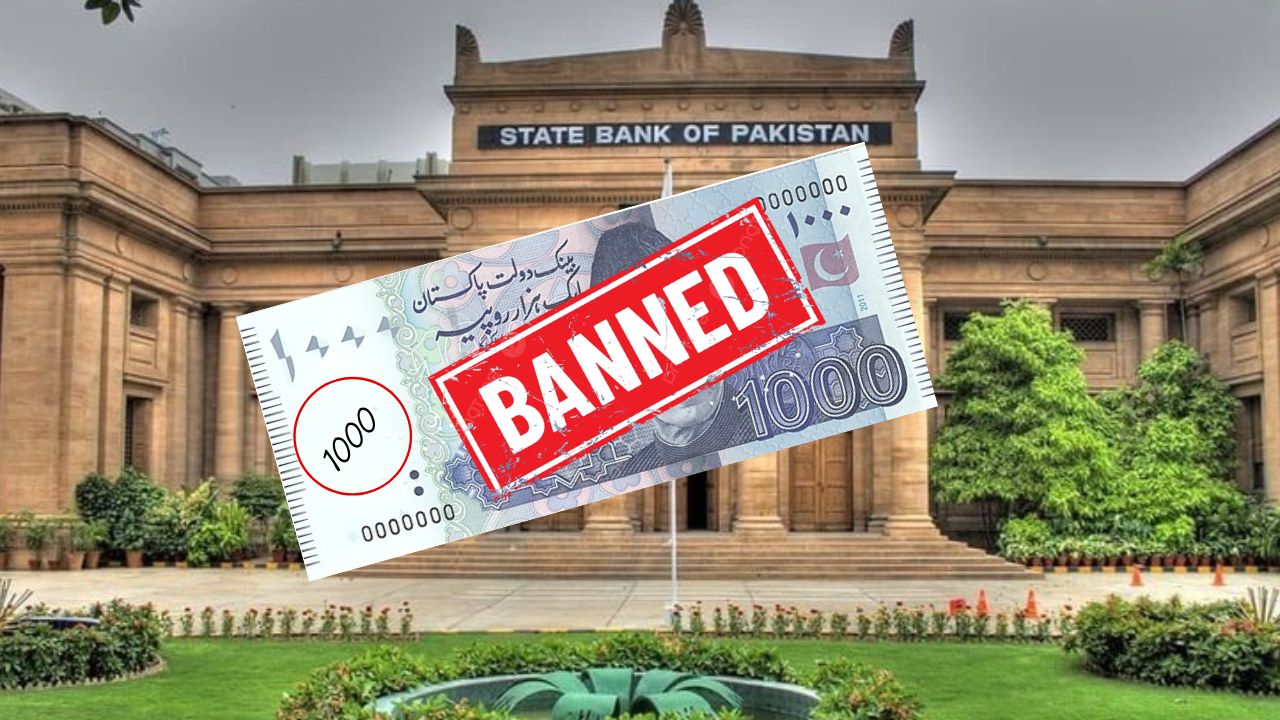
    The State Bank of Pakistan (SBP) has denied reports claiming an official ban on currency notes bearing pen marks or handwriting will take effect from July 1.

    Several reports on Thursday alleged that the SBP had issued a notification stating that any notes with handwriting or pen marks would no longer be accepted as legal tender after June 30. These reports also claimed that the public was being urged to deposit such notes in banks before the end of June.

    However, in conversation with The Current, an SBP spokesperson categorically rejected the claim. “State Bank has not issued any such statement. This false news was posted on social media about 16 hours ago by an individual and has no basis in fact.”

    The SBP official also urged media outlets to verify such claims before publishing.

    “The public is advised to rely solely on official SBP sources for any announcements about currency regulations,” they added.