Category: Business

  • Further drop in gold, silver rates across markets

    Further drop in gold, silver rates across markets

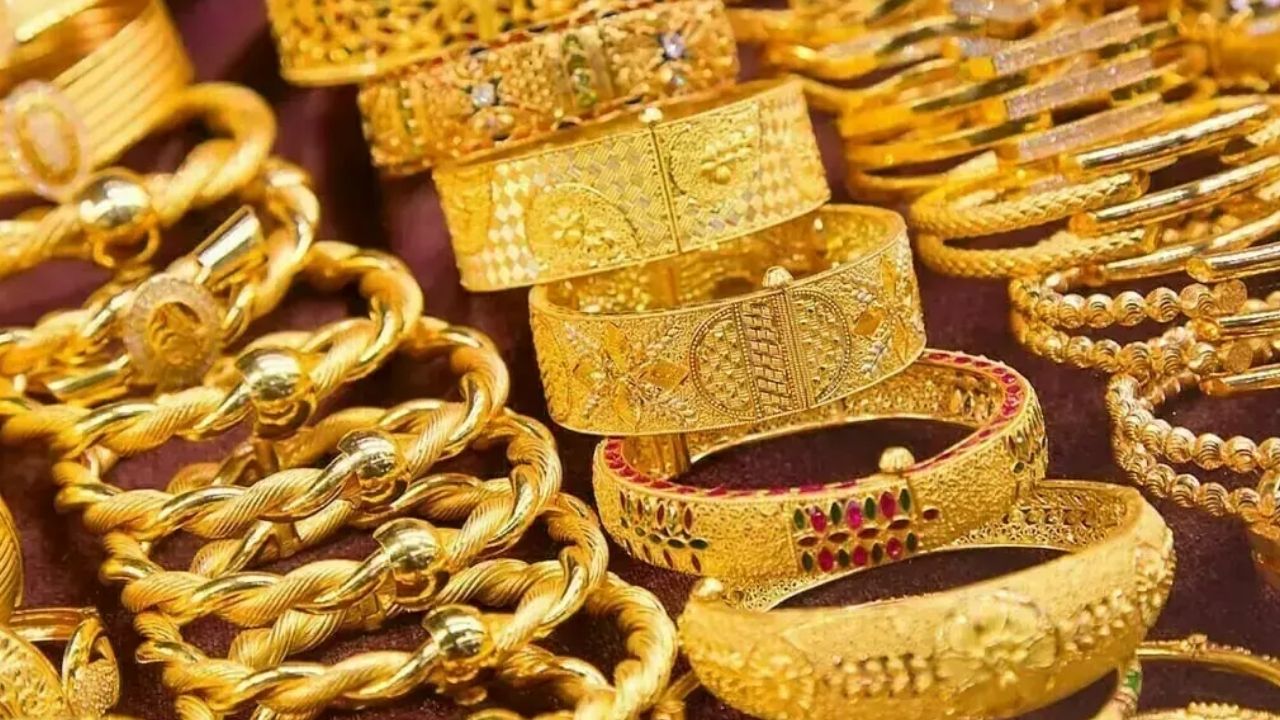
    Gold and silver continued their sharp decline on Saturday in both international and domestic markets, reflecting a widespread downturn in bullion rates.


    In the international market, gold fell by $255 per ounce, settling at $4,895. The drop was mirrored locally, with the price of gold per tola dropping by Rs25,500 to Rs511,862, while 10 grams of gold fell by Rs21,862 to Rs438,839.

    Silver also moved lower, with per tola rates declining by Rs2,063 to Rs9,006, and 10 grams falling by Rs1,768 to Rs7,721.

    The downturn follows a dramatic correction on Friday, when gold prices in Pakistan plunged by over Rs35,000 amid steep profit-taking. Investors rushed to secure gains as expectations for aggressive US interest rate cuts faded and the US dollar strengthened.

    On Friday, gold per tola fell by Rs35,500 to Rs537,362, while 10 grams of gold dropped by Rs30,435 to Rs460,701, according to the All-Pakistan Gems and Jewellers Sarafa Association (APGJSA). Silver also faced heavy losses, declining by Rs1,106 to Rs11,069 per tola.


    The sharp fall reversed gains from Thursday, when gold had surged to Rs572,862 per tola after a single-day increase of Rs21,200, marking one of the most volatile sessions in recent weeks.


    The combined effect of international market corrections and domestic profit-taking has kept precious metals under pressure, highlighting the sensitivity of gold and silver prices to global economic indicators and investor sentiment.
  • PM announces slashing electricity tariffs to ease business costs

    PM announces slashing electricity tariffs to ease business costs

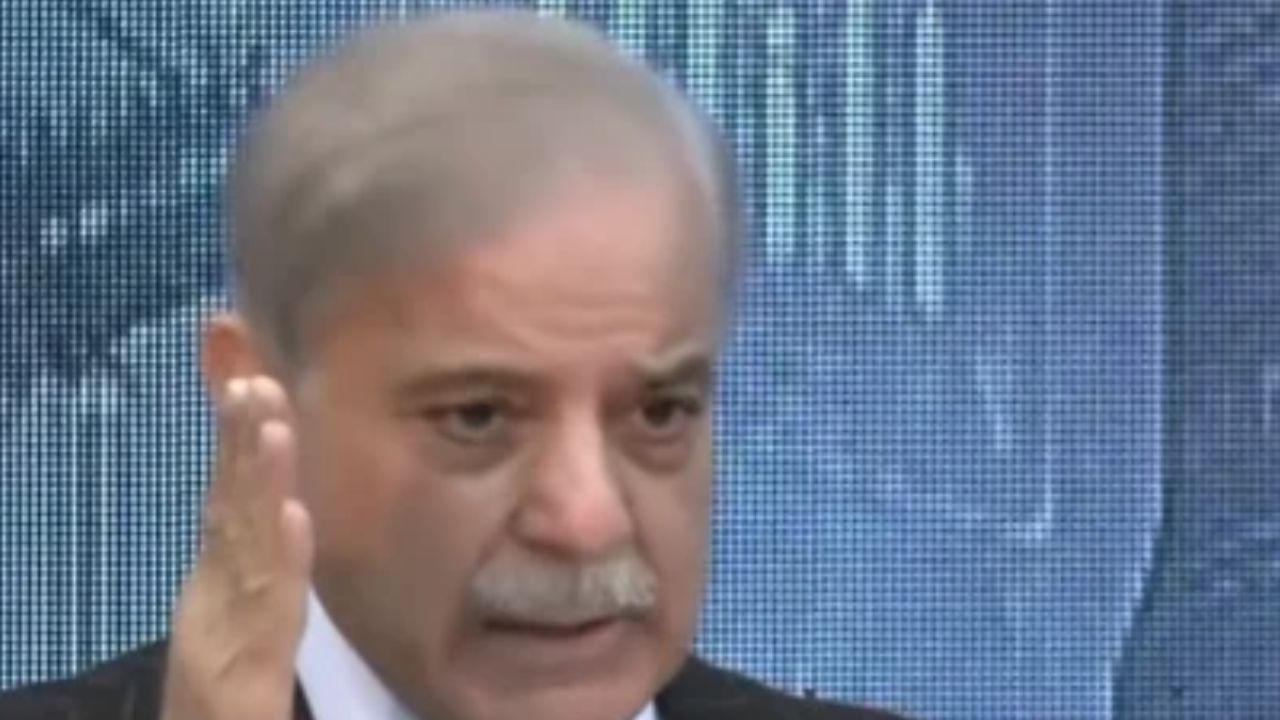
    Prime Minister (PM) Shehbaz Sharif on Friday announced a Rs4.4 per unit reduction in electricity tariffs for industries, along with a Rs9 cut in wheeling charges, as part of government efforts to ease rising energy costs for businesses and strengthen export-oriented sectors.


    The premier made the announcement while addressing a ceremony in honour of leading businessmen and exporters, attended by Deputy PM and Foreign Minister Ishaq Dar, federal ministers, entrepreneurs and exporters, in Islamabad.


    PM Shehbaz said the relief in power tariffs was aimed at lowering the cost of doing business and enabling industries to compete more effectively in international markets. As part of broader support for exporters, he also announced a reduction in the tax rate for exporters from 7.5% to 4.5%.


    Addressing the gathering, the PM said all future economic policies would be framed in close consultation with the business community, stressing that export-led growth remained the only viable path for economic recovery. 


    He reiterated that the government did not believe in running businesses itself and that the private sector must lead economic activity, with the state providing a stable and predictable business environment.


    Earlier, awards were distributed among exporters who made significant contributions to the national economy, with the premier personally presenting honours to prominent business figures from across the country. He also announced that traders receiving awards would be granted blue passports.


    The PM praised exporters for performing strongly despite difficult economic conditions and said Pakistan’s exports had recorded a notable increase in 2025.


    Referring to the broader economic situation, PM Shehbaz said the country had faced severe financial challenges amid speculation about default and bankruptcy when his government assumed office. He said inflation was gradually declining and policy rate had fallen from 22% to around 10.5%.


    He also directed State Bank of Pakistan (SBP) Governor Jameel Ahmed to engage closely with business leaders and to listen to their concerns, reiterating that economic policies would be finalised after structured consultations with traders and exporters.

  • Gold prices in Pakistan witness historic drop

    Gold prices in Pakistan witness historic drop

    Gold prices in Pakistan fell sharply on Friday, hitting Rs537,362 per tola with a record decline of Rs35,500, the All-Pakistan Gems and Jewellers Sarafa Association (APGJSA) reported.

    According to the APGJSA, 10-gram gold also recorded a drop worth Rs30,435, and was sold at Rs460,701.

    A day earlier, gold prices on Thursday reached Rs572,862 per tola with a hike of Rs21,200 during the day.

    Meanwhile the price of gold in the international market has also fallen by $355 to reach $5,150 per ounce, with a premium of $20.

    The drop in international gold prices came amid rumors that the US Federal Reserve could appoint a more hawkish chair.

    Spot gold lost 3.9% to $5,183.21 per ounce, while US gold futures for February delivery fell 2.7% to $5,176.40 per ounce.

    Gold has risen more than 20% so far in January despite Friday’s drop, heading for its sixth straight monthly gain – the largest since January 1980.

    Separately, silver prices have also dropped by Rs1,106 to reach Rs11,069 per tola.

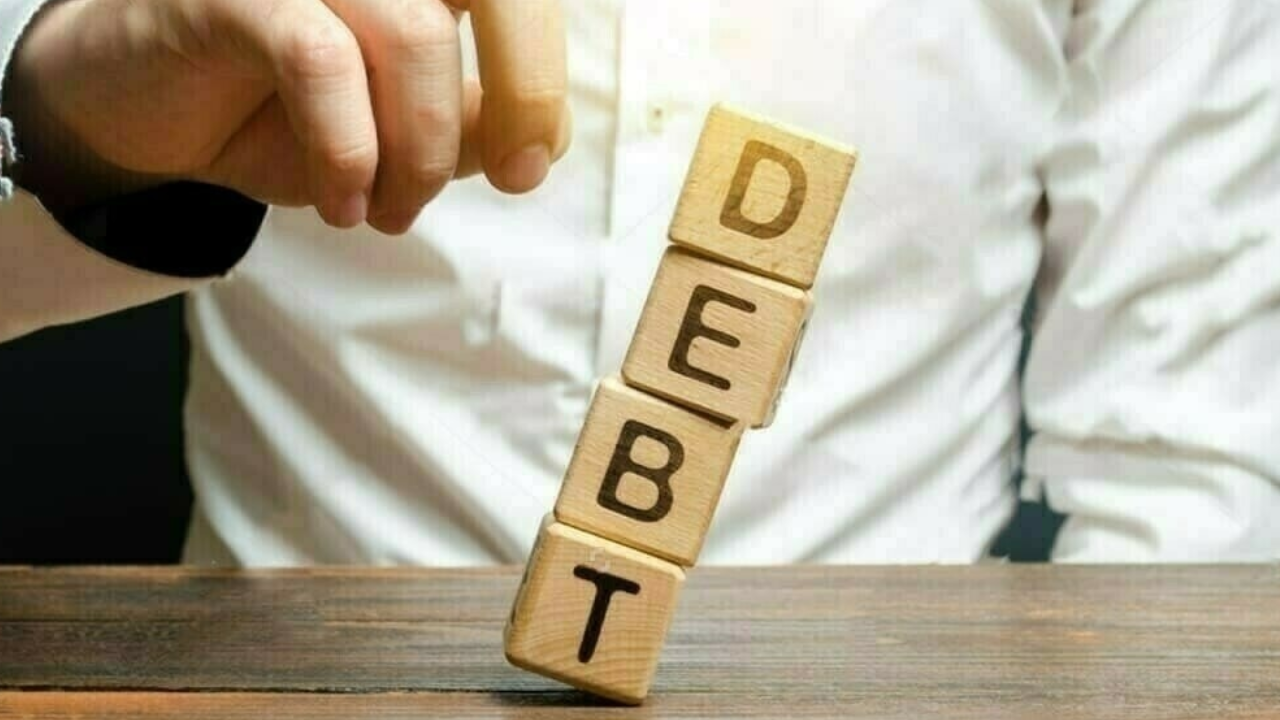
  • Public debt rises to Rs80.5 trillion, per capita burden up 13 percent

    Public debt rises to Rs80.5 trillion, per capita burden up 13 percent

    Pakistan’s total public debt reached Rs80.5 trillion by June 2025, up from Rs71.2 trillion a year earlier, while per capita public debt rose by 13 percent to Rs333,041, according to the Ministry of Finance’s Fiscal Policy Statement presented to Parliament. The increase came about as the federal fiscal deficit surpassed the statutory ceiling by Rs3.1 trillion in fiscal year 2024–25.

    The statement showed that per capita debt climbed from Rs294,098 in FY24 to Rs333,041 in FY25, reflecting a rise of roughly Rs39,000, based on a population of 241.5 million. 

    Public debt as a share of gross domestic product (GDP) increased from 67.6 percent in June 2024 to 70.7 percent in June 2025. The report described public debt dynamics as a continuing challenge during the last fiscal year, attributing the increase mainly to higher interest payments and movements in the exchange rate. It noted that additional borrowing was undertaken to finance expenditures beyond legal limits.

    For FY25, the federal fiscal deficit was recorded at 6.2 percent of GDP, well above the 3.5 percent ceiling prescribed under the law. In absolute terms, the federal government spent Rs3.1 trillion, or 2.7 percent of GDP, more than the permitted deficit.

    The statement detailed federal expenditures, noting that total spending was budgeted at Rs18.9 trillion, including current expenditure of Rs17.2 trillion. Actual current spending stood at Rs15.8 trillion, while development spending, including net lending, reached Rs1.4 trillion against a budgeted Rs1.7 trillion.

    Interest payments amounted to Rs8.8 trillion, compared with the budgeted Rs9.8 trillion, reflecting lower-than-expected costs following a reduction in the State Bank of Pakistan’s policy rate. 

    Defence expenditure was recorded at about Rs2.2 trillion, slightly above the allocated Rs2.1 trillion, while subsidies reached Rs1.3 trillion against an allocation of Rs1.36 trillion. Pension payments totaled Rs911 billion, compared with a budgeted Rs1 trillion.

    On the revenue side, tax collection reached Rs11.7 trillion, achieving 90.5 percent of the Rs13 trillion target. Non-tax revenues exceeded expectations, rising to Rs5.1 trillion, or 104 percent of the budgeted amount, mainly due to higher petroleum levy receipts and central bank profits.

    The statement noted that the overall fiscal balance, including provincial accounts, improved compared with budget estimates. 

    The ministry said its medium-term debt management strategy continues to focus on reducing financing needs, extending maturities, and diversifying funding sources to support debt sustainability.

  • KP loses half its trade revenue as Pak-Afghan border remains closed

    KP loses half its trade revenue as Pak-Afghan border remains closed

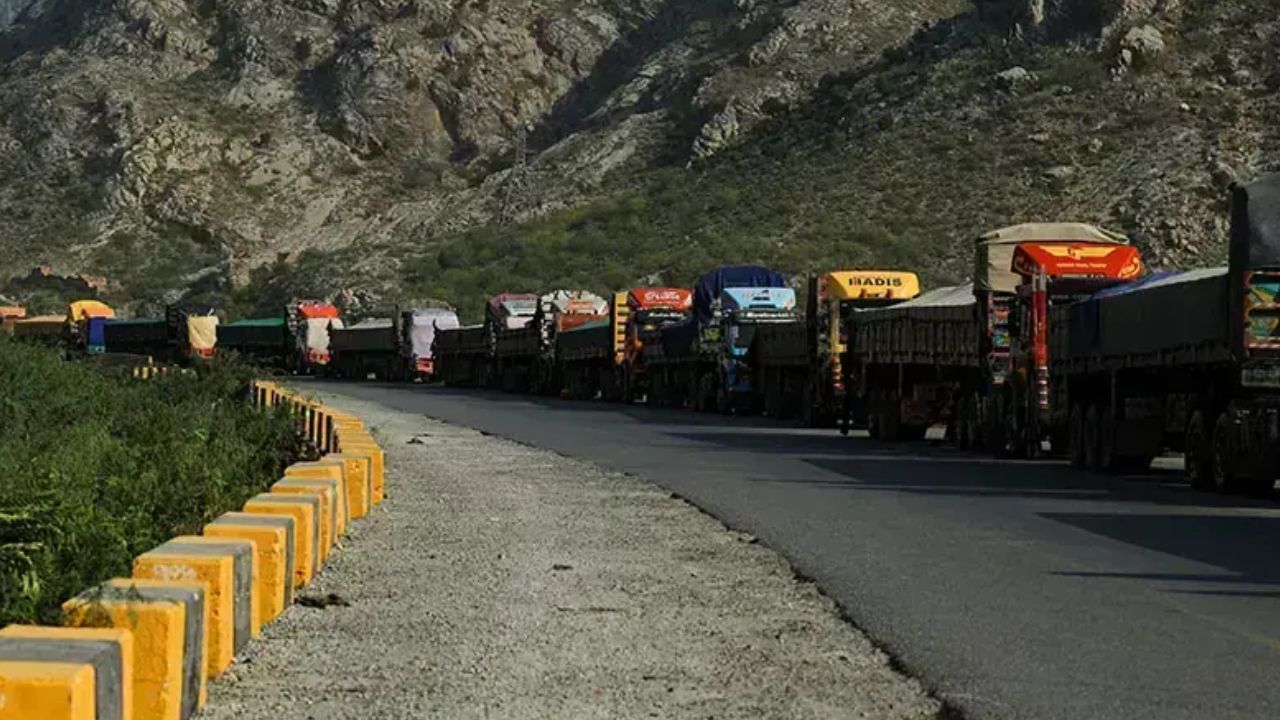
    The prolonged closure and suspension of trade at the Pak-Afghan border since October has triggered a sharp collapse in Khyber Pakhtunkhwa’s trade-linked revenues, dealing a major blow to the province’s finances.


    Official data shows that revenue from infrastructure development cess (IDC) declined by 53.02 percent during the first seven months of the current fiscal year, falling to Rs3.48 billion from Rs7.42bn collected in the corresponding period of last year. The drop has been attributed directly to the continued disruption of cross-border trade.


    The financial strain has prompted the Khyber Pakhtunkhwa government to seek urgent intervention from the federal government. Chief Minister’s (CM) Adviser on Finance Muzammil Aslam has written a four-page letter to Commerce Minister Jam Kamal, requesting an immediate meeting of provincial and federal stakeholders to address the revenue fallout and broader trade challenges.


    According to officials, the revenue shortfall has emerged as a significant setback for provincial finances, with IDC collections showing a consistent monthly decline since October. Receipts fell sharply from Rs1.3bn to under Rs487 million in October, followed by a further drop to just Rs198m in November, compared to Rs1.29bn in the same month of the previous fiscal year.


    The provincial government has constituted a revenue review committee to assess the situation, which found an alarming decline in cess collection following the suspension of border trade. Officials say the collection of IDC is directly linked to the movement of goods and commercial activity, making revenue targets virtually unattainable as long as trade remains stalled.


    Aslam informed the federal commerce ministry that the initial disruption in cess collection had stemmed from a court stay order, which was resolved in November. However, recovery efforts launched after the legal hurdle was removed failed to yield results, as cross-border trade continued to remain suspended.


    The disruption has also had spillover effects on traders and exporters, with consignments and payments reportedly stranded across the border. The resulting liquidity pressure has left many businesses unable to meet their statutory cess obligations, further compounding the revenue decline.


    The KP government has warned that the prolonged suspension of trade is creating serious revenue, economic, and employment consequences for the province, underscoring the need for coordinated federal and provincial action to prevent further fiscal deterioration.

  • Diesel prices likely to go up, petrol prices down from Feb 1

    Diesel prices likely to go up, petrol prices down from Feb 1

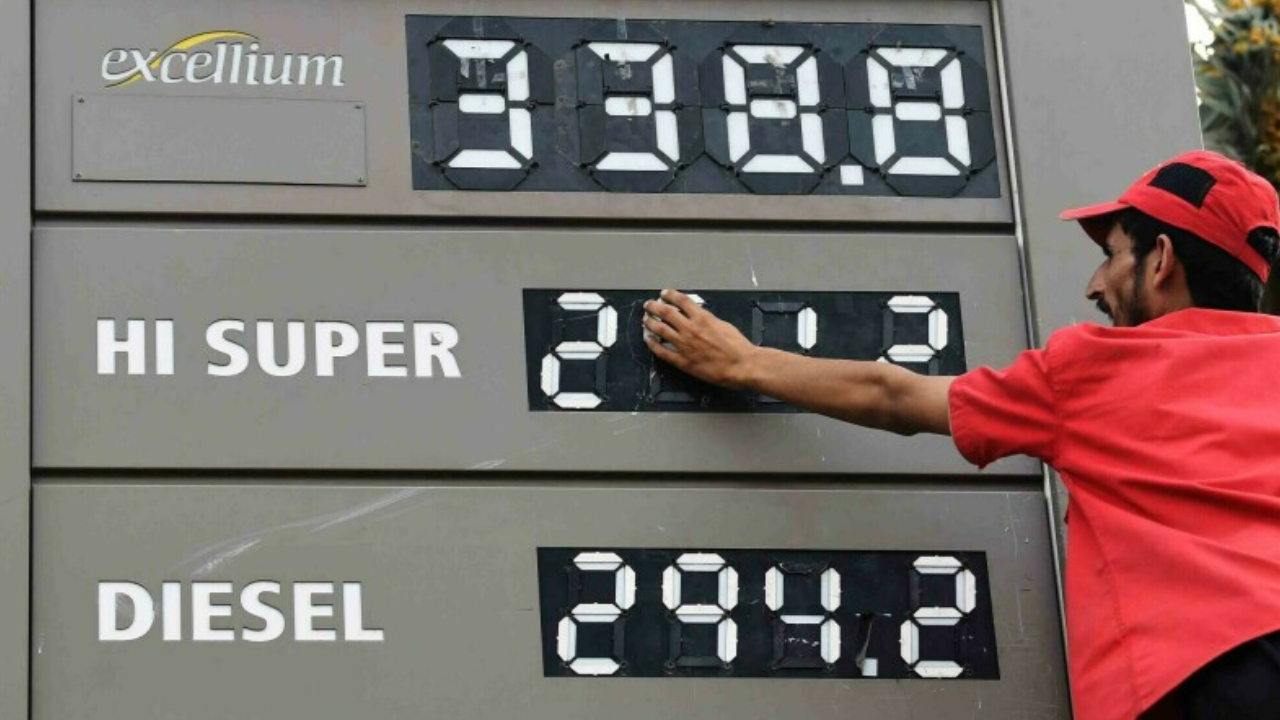
    Diesel and Kerosene oil prices in Pakistan are expected to go up from February 1, while petrol price could witness a slight drop, media reports have said.

    As per the details, reports quoted sources as saying that high-speed diesel prices are likely to increase by up to Rs9.47 per litre while the price of Kerosene oil could go up by Rs3.69 per litre. Similarly, light diesel prices are expected to rise by as much as Rs6.95 per litre.

    Petrol price, on the other hand, could register a slight reduction by up to 36 paisa per litre.

    According to reports, the initial working on petroleum product prices has been completed and the Oil and Gas Regulatory Authority is expected to forward the pricing summary to the Petroleum Division on January 31.

    Following the submission, the summary will be placed before the prime minister for approval, after which, the Petroleum Division will announce the revised fuel prices.

    The new rates will remain effective until February 15.

    In the previous fortnightly price review, the federal government decided to keep petrol and diesel prices unchanged. An official notification issued by the Petroleum Division said that petrol prices announced 15 days earlier would continue to remain in force, while diesel rates would also remain unchanged for the next fortnight ending January 31.

    Officials said the decision was taken after reviewing petrol rates, domestic fuel trends and overall market conditions over the past two weeks.

    The Petroleum Division also said movements in fuel prices, supply factors and demand conditions were assessed before deciding to maintain existing rates.

  • Pakistan among top global stock performers in first half of fiscal year

    Pakistan among top global stock performers in first half of fiscal year

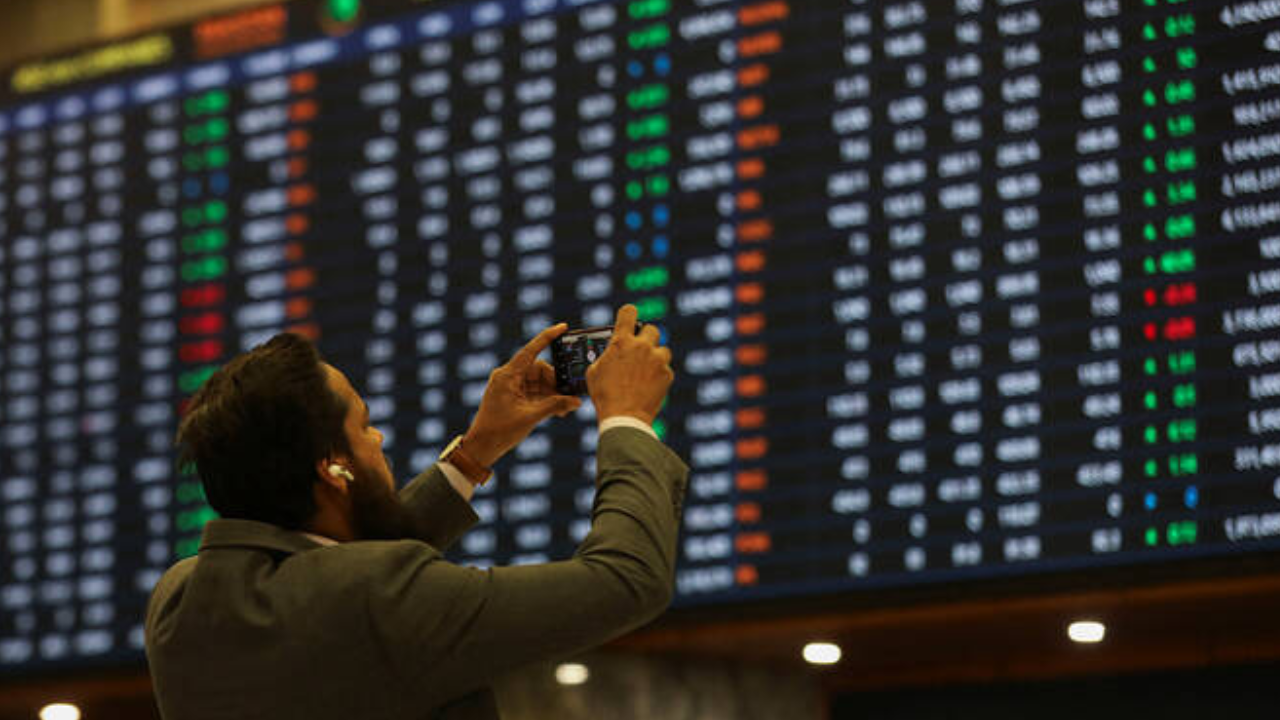
    Pakistan ranked among the top-performing countries in global stock markets during the first half of the current fiscal year, according to the Ministry of Finance’s Economic Outlook report. The ministry said the stock market performance showed stability in key macroeconomic indicators. Overseas Pakistanis’ remittances were described as encouraging, contributing to an improved external account position.

    The report stated that the rapid rise in inflation in Pakistan has been contained, while stability has returned to large-scale manufacturing. It attributed the country’s improving economic performance to a stable exchange rate and fiscal discipline, which have supported economic growth.

    An increase in the primary surplus was also recorded, with the ministry expecting the trend to continue in the second half of the fiscal year.

    According to the report, investment activity is picking up across the country. It added that economic governance has improved and private sector productivity is gaining momentum.

    In the agriculture sector, the outlook recorded one percent growth during the current fiscal year. Imports of agricultural commodities declined from 13 percent to 0.7 percent, reflecting changes in domestic management.

    The report highlighted mixed trends within agriculture. Cotton output fell by 1.2 percent, fodder production declined by 14.4 percent, and fertilizer production dropped by 13 percent. At the same time, livestock output increased by 6.3 percent, while forestry and fisheries recorded a 2.1 percent rise.

    Bank lending from July to December reached Rs1,412 billion, compared to Rs1,267 billion during the same period last year, the report said.

    Imports of agricultural machinery increased by 21.6 percent, while large-scale industrial growth rose by six percent. Overall, aggregate production improved from 1.3 percent to 1.8 percent on a year-on-year basis, according to the Ministry of Finance.

  • Pakistan, Australia explore long-term cooperation in mining and mineral sector

    Pakistan, Australia explore long-term cooperation in mining and mineral sector

    Pakistan and Australia are discussing the possibility of an Intergovernmental Agreement (IGA) to establish structured, long-term collaboration in Pakistan’s mining and mineral sector, it has emerged.


    As per the details, the IGA proposal came from Petroleum Minister Ali Pervaiz Malik during his meeting with Australia’s new High Commissioner (AHC) to Pakistan, Timothy Kane, on Tuesday.


    The agreement would build on a July 2025 proposal made by former AHC Neil Hawkins, which envisioned collaboration between Australian universities, mining companies and Pakistani institutions. 


    The initiative aimed to provide specialised training in modern mining techniques, strengthen local expertise and support the development of Pakistan’s mining sector.


    According to an official statement, the petroleum minister and the new AHC discussed avenues for enhanced bilateral cooperation in the mining and gemstone sectors. 


    Malik welcomed the strong interest of Australian companies in Pakistan’s mining industry and highlighted the country’s vast untapped mineral potential, particularly in the Tethyan Belt.


    “He proposed the possibility of an IGA between Pakistan and Australia to promote structured and long-term cooperation in the mining sector,” the statement said.


    Australia has been active in Pakistan’s mineral and natural resources sector across almost all resource-rich regions, including Balochistan, Gilgit-Baltistan (GB) and Azad Kashmir. 


    The engagement has primarily focused on research and exploration, identifying critical reserves in copper, gold, coal, zinc and other precious minerals, including oil and gas.


    The joint venture between Australian BHP Billiton and the Geological Survey of Pakistan led to the discovery of the multi-billion-dollar Reko Diq copper-gold deposits, which are now being developed for commercial production by Canada’s Barrick Gold Corporation. BHP withdrew from Pakistan almost two decades ago as part of its global restructuring.


    Malik briefed the new envoy on government efforts to develop and formalise the gemstones sector, highlighting its potential for value addition, exports and job creation.


    The AHC noted that Australian companies are already actively involved in the Reko Diq project and that additional firms had expressed keen interest in participating.


    He said Australian firms would be encouraged to join the Pakistan Minerals Investment Forum (PMIF) and expressed hope for a strong Australian presence at the event.


    The diplomat also highlighted the growing global importance of copper and gold for the energy transition, noting that Pakistan’s mining sector had attracted considerable international attention. 


    He expressed optimism about collaboration in the gemstones sector through knowledge sharing, training and technical assistance, the statement added.

  • FBR to recover up to Rs200bn in Super Tax during Jan–March period

    FBR to recover up to Rs200bn in Super Tax during Jan–March period

    Following the Federal Constitutional Court’s ruling upholding the Super Tax, the Federal Board of Revenue (FBR) is preparing to recover around Rs150–200 billion in the ongoing January-March quarter to help bridge its revenue gap.

    Senior FBR officials said the tax authority is awaiting the detailed written verdict, expected on Wednesday, after which it will have two working days to mobilise Rs50–60 billion to meet January’s revenue target of Rs1,031 billion.


    “We have informed the IMF that approximately Rs200 billion is expected to be collected through the Super Tax after the apex court’s decision,” senior officials told a private media outlet on Tuesday.


     “While the total outstanding liability stands at around Rs300 billion, realistic recoveries are likely to remain between Rs150 billion and Rs200 billion. This amount will be collected within the current quarter to minimise the shortfall.”


    Under the existing framework, Super Tax rates range from one to 10 percent, based on annual profits. Companies earning between Rs150 million and Rs200 million are taxed at one percent, rising to 1.5 percent for profits up to Rs250 million and 2.5 percent for profits of up to Rs300 million. 


    Firms with earnings of Rs350 million face a 3.5 percent rate, Rs400 million at 5.5 percent, Rs500 million at 7.5 percent, while profits above that level attract a Super Tax of up to ten percent. The levy primarily applies to large corporations, banks and other highly profitable sectors.


    During the first half of the fiscal year (July – December), the FBR collected Rs6,161 billion, falling short of the IMF-agreed target by Rs329 billion.


    By the end of March 2026, the FBR is required to raise Rs9,917 billion under its agreement with the IMF, necessitating collections of Rs3,756 billion during the January – March period.


    Meanwhile, the Ministry of Finance has issued budget strategy guidelines to the FBR, instructing it to address any revenue shortfall through improved enforcement and collection measures, while ruling out the imposition of new taxes.

  • Etihad Town launches Phase III commercial on Pine Avenue and Jhelum Road, expanding Lahore’s premium commercial landscape

    Etihad Town launches Phase III commercial on Pine Avenue and Jhelum Road, expanding Lahore’s premium commercial landscape

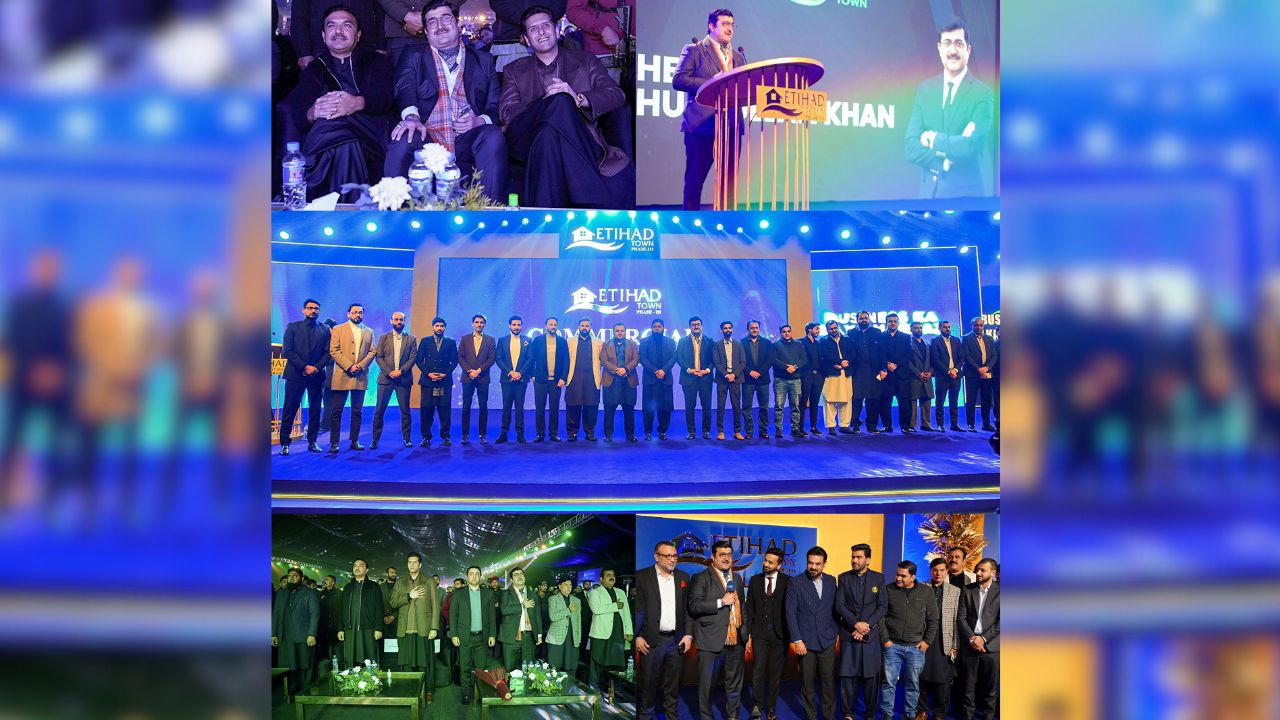
    Etihad Town launched its much-anticipated Phase-III Commercial at a well-attended event held at the project site, marking another milestone in Lahore’s expanding commercial real estate sector.

    The event was attended by Director Etihad Town Mr. Raheel Munir, alongside Chief Operating Officer Etihad Town Sheikh ShujaUllah Khan, Project Sponsor Malik Mudassar Khokhar, and members of Etihad Town’s senior management. 

    The launch ceremony was hosted by prominent media personalities Waseem Badami and Vasay Chaudhary, while senior journalist Mansoor Ali Khan was also present at the occasion. Investors, business leaders, and real estate stakeholders attended the event in large numbers.

    Phase-III Commercial has been introduced as an extension of Phase-II Pine Avenue Commercial, which sold out within two weeks last year, reflecting strong market demand for premium commercial developments. 

    The new inventory features major commercial corridors on 150-foot-wide Pine Avenue Commercial Road and 300-foot-wide Jhelum Commercial Road, positioning the project among the city’s most prominent commercial destinations.

    The 150-foot-wide Pine Avenue Road originates from Chatri Chowk, passes through Lake City and Jia Bagga, runs through Etihad Town Phase-II and Phase-III, and connects directly to Ferozepur Road, significantly enhancing accessibility and long-term commercial value.

    Speaking at the launch, Sheikh ShujaUllah Khan, Chief Operating Officer of Etihad Town, said the project reflects the company’s vision of developing future-ready commercial hubs. He added that following the strong response to Pine Avenue Commercial, the expansion into Phase III offers investors wider roads, improved connectivity, and structured commercial plots with flexible payment options, while maintaining the company’s focus on timely delivery and transparency.

    A key highlight of Phase-III Commercial is the introduction of structured road commercial investment with a 3-year payment plan, being offered for the first time in Pakistan. Unlike conventional structured road developments that require large plot sizes and heavy upfront payments, Etihad Town has introduced smaller, more accessible commercial inventory, providing investors greater financial flexibility.

    Based on the rapid sell-out of Phase-II, Phase-III Commercial has been positioned as a limited-time opportunity, with expectations of strong demand. Established in 2017, Etihad Town has launched nine projects, with four already delivered and a fifth scheduled to be delivered on January 31st, earning a reputation as one of Pakistan’s most trusted real estate developers through its commitment to “Delivery Before Time.”