Category: Business

  • ‘Shehbaz Speed’ helps steamroll economy out of quagmire

    ‘Shehbaz Speed’ helps steamroll economy out of quagmire

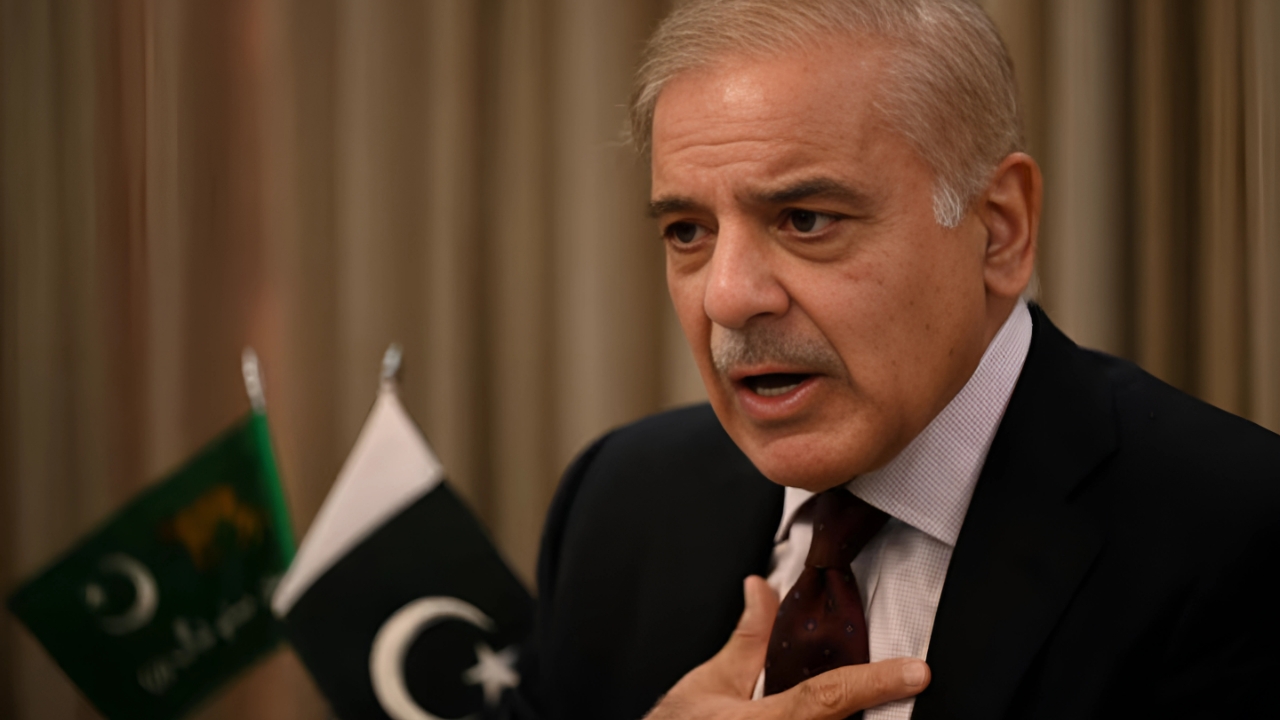
    2024 witnessed Islamabad’s robust efforts to boost the economy out of the quagmire it found itself in. Prime Minister ‘Shehbaz Speed’ helped steamroll the economy by attempting to ensure that all indicators were moving in a positive direction.

    The state, under Shehbaz Sharif, witnessed great success in turning the economy around as inflation rates plummeted to single digits, the Pakistan Stock Exchange (PSX) witnessed historic highs, and the trade deficit shrank to a more manageable level.

    According to reports, inflation rates fell to their lowest level in approximately seven years. This marks a huge victory for the State Bank of Pakistan (SBP), which raised interest rates to an extortionate 22 percent to reduce inflationary pressures in the economy.

    Inflation now sits comfortably in the single digits, with economic experts predicting that the inflation rate will remain fairly stable in the upcoming period. This is because inflation rates seem to be under control despite the SBP slashing interest rates by about 1000 basis points in the past few months.

    As per reports, essential goods became more affordable under Shehbaz Sharif’s tenure as wheat and flour prices witnessed a noticeable decline. Earlier this month, data revealed that CPI inflation tanked to just 2.41 percent, representing the largest drop in approximately nine years.

    However, the inflation situation is not as optimistic as it may seem at first glance. For instance, the price of other essential goods, such as potatoes and pulse grams, rose sharply by over 40 percent each in urban areas. The rise in the prices of the aforementioned goods was even more pronounced in rural areas lurking near 50 percent instead.

    As such, inflation statistics must be taken with a grain of salt as the prices of some goods and services can witness increases too.

    The business community has benefitted immensely from state policies to boost commercial activities. KSE-100, the benchmark index of PSX, saw an investment spike which led the index to cross the 109,000-point mark.

    Reports reveal that investors poured large sums into the PSX, resulting in an additional eight billion rupees in market capitalisation. While Islamabad wanted to boost investor confidence, some of its policies ended up inadvertently causing a slump in the PSX. Shehbaz Sharif, along with Finance Minister Muhammad Aurangzeb, attempted to crack down on tax evaders while also eradicating the use of black money for commercial transactions.

    This policy, undoubtedly designed with the best of intentions, caused a sharp decline in the PSX as it would have effectively barred certain individuals from partaking in trading activities.

    Additionally, Commerce Minister Jam Kamal Khan’s tireless efforts to boost exports managed to boost export revenues to $30.64 billion. While Islamabad was unable to eradicate the trade-deficit entirely, the gap reduced by an impressive 12.3 percent.

  • Pakistan’s fiscal deficit surges ahead of crucial IMF talks

    Pakistan’s fiscal deficit surges ahead of crucial IMF talks

    The federal government’s contractionary fiscal policy measures failed to hold a budget surplus, as a deficit of 1.54 trillion rupees was recorded. According to reports, the fiscal balance of the cash-strapped nation reverted from a surplus in the first quarter of the fiscal year (FY) 2024-25 into a deficit at the end of the first half of the current FY.

    The budget deficit amounts to 1.2 percent of Pakistan’s Gross Domestic Product (GDP). Tax officials at the Federal Board of Revenue (FBR) recently failed to generate a respectable amount of revenue as collection levels fell short by 386 billion rupees in the first half of FY 2024-25. This failure on the part of the tax watchdog could partially explain the fiscal deficit Islamabad is grappling with.

    As per reports, a 0.43 trillion rupee statistical discrepancy was noted in the one-trillion-rupee plus deficit.

    For Islamabad, news of the fiscal deficit comes at a horrendous time as a mission from the International Monetary Fund (IMF) is expected to arrive at the end of February. IMF officials are expected to engage with Pakistan’s top leadership for review talks with respect to the disbursement of additional funds to Pakistan from the seven-billion-dollar Extended Fund Facility (EFF) program.

    According to financial experts, one of the primary factors for the fiscal surplus in the first quarter of FY 2024-25 was the unnaturally large profit levels that the State Bank of Pakistan (SBP) was able to generate. These funds resulted in the deficit turning into a surplus when allocated to the budget.

    The SBP was able to generate these abnormally large profits because of the high interest rate. The surge of policy rates to 22 percent undoubtedly slowed the economy down. However, the SBP emerged as a beneficiary of the high rates.

    IMF Mission Chief Nathan Porter has been hosting conferences with FBR officials to finalise details regarding the upcoming review talks. According to reports, the talks between the IMF and concerned Pakistani authorities will be held in Islamabad at the end of February.

    As per data from the Ministry of Finance, expenditures on debt financing and defence made up the lion’s share of Pakistan’s fiscal outflows. On the other end of the spectrum stood the Federal Public Sector Development Programme (FPSD), which received a measly 0.132 trillion rupees during the first half of FY 2024-25.

    Entries into both sides of the fiscal account did not match, resulting in a statistical discrepancy in the value of 0.23 trillion rupees in the federal government’s budget. Analysts are speculating about possible outcomes of talks with the IMF regarding Pakistan’s ability to secure future disbursements if fiscal deficits persist.

  • Saudi fast food giant Al-Baik is officially coming to Pakistan

    Saudi fast food giant Al-Baik is officially coming to Pakistan

    Saudi Arabia’s popular fast-food giant Al-Baik is finally coming to Pakistan with an agreement now in its final stages, media reports said.

    According to reports, Commerce Minister Jam Kamal Khan, who is currently in the Kingdom for a Pakistan-made products expo, has discussed with the fast-food brand’s owner, Rami Abu Ghazala, the operational framework and potential locations for Al-Baik’s branches across major Pakistani cities.

    While details of these locations and an exact launch date is yet to be revealed, the commerce ministry has also confirmed the development. “The first AlBaik branches in Pakistan are expected to open soon, creating new job opportunities and strengthening economic ties between the two nations,” it said in a statement Saturday.

    Khan also met with other prominent Saudi businessmen to explore avenues for strengthening bilateral trade ties. He highlighted Pakistan’s improving business environment, facilitated by initiatives like the single window system and the national compliance centre.

    Saudi investors, reports said, are interested to invest in Pakistan’s energy, agriculture, IT and construction sectors.

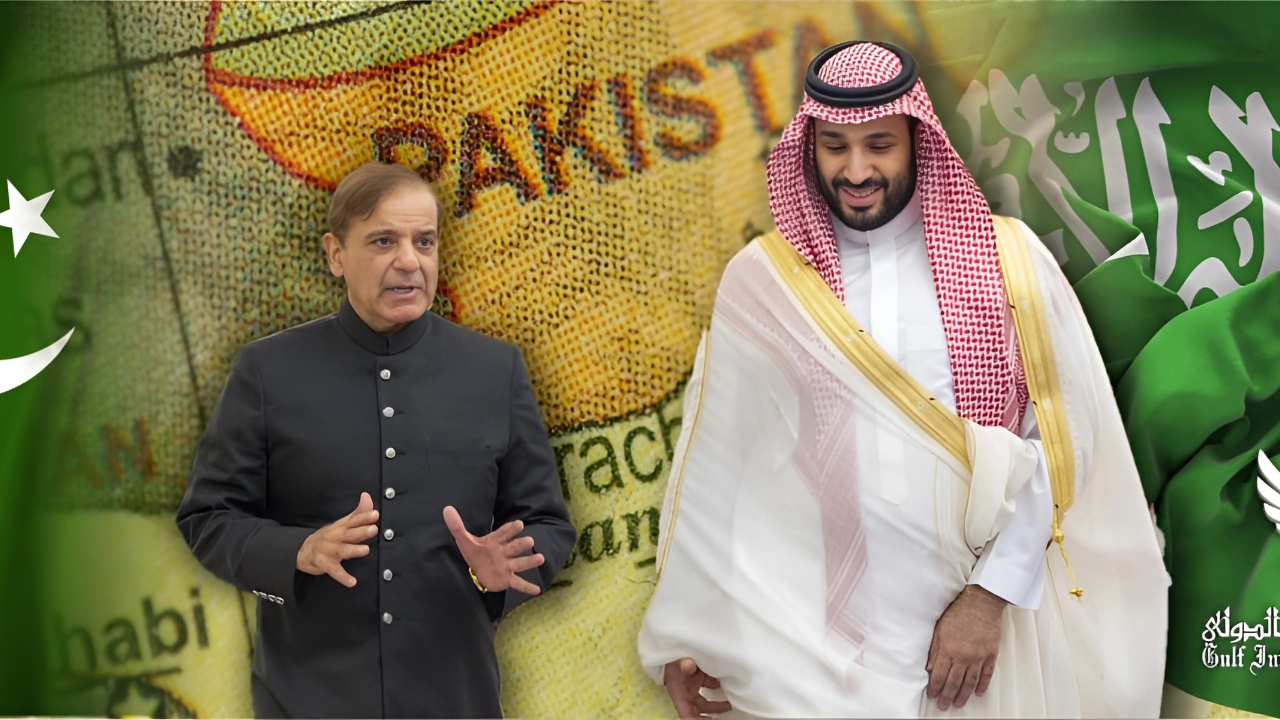
    Earlier, while inaugurating Pakistan’s first ever single-country ‘Made in Pakistan’ exhibition in Jeddah, the minister stressed the significance of economic collaboration between the two countries, outlining numerous avenues where Pakistan and Saudi Arabia were collaborating with respect to the economy.

    He also extended his appreciation towards Saudi officials for their support in setting up the entire event, and said the exhibition was an embodiment of the lasting Pakistan-Saudi bilateral ties.

    The minister said that strategic partnership was strengthened by shared cultural ties and a common religion, and outlined how Pakistan’s goods and services would gain traction by being displayed at the exhibition.

    The minister said he intends to increase investment inflows into the country while improving trade relations with Saudi Arabia. According to him, this will be possible by closely following a certain economic roadmap.

    Reports said the minister also commented on how the two countries could potentially collaborate on issues pertaining to food security, mining, energy and human resource (HR) development. He mentioned that Pakistan could leverage its growing industrial base and flexible economy to work on collaborative projects.

    Kamal said that Saudi investments would be prioritised in the country and that investors could go through channels set up by the Special Investment Facilitation Council (SIFC) to benefit from investment opportunities. Islamabad’s stance seems to be one of utilising Saudi Arabia’s Vision 2030 to boost investment inflows into the country.

    While congratulating the Kingdom for winning the rights to host the 2034 FIFA World cup, the minister also took the opportunity to display Pakistan’s football manufacturing industry. He said that Pakistan would continue to produce footballs for World Cup events.

  • Islamabad withdraws minimum support prices for wheat

    Islamabad withdraws minimum support prices for wheat

    Islamabad has decided to withdraw from the domestic wheat market system by eliminating the annual announcement of the minimum support price. As per the National Food Security and Research (NSFR) secretary, the government will not uphold its longstanding policies that offer minimum support prices to farmers for wheat.

    This decision to stop meddling in the national wheat market comes after Pakistan’s agreement with the International Monetary Fund (IMF). The NSFR secretary assured the committee that Pakistan has adequate wheat stocks and, thus, does not need to rely on imports for the current period.

    He also confirmed that no restrictions exist on intra-national transportation of wheat. As the wheat supply is seemingly exceeding its demand, Islamabad has decided to collaborate with private entities to provide farmers with storage facilities. According to reports, the government is also working closely with commercial banks to facilitate the process of farmers obtaining storage facilities.

    Previously, Islamabad intervened in the wheat market to stabilise domestic prices by keeping them below the price of imported wheat. This was especially beneficial for customers with low household incomes, as a large proportion of their income is usually spent on procuring adequate nutrition.

    Farmers also greatly benefitted from the policy as the existence of an MSP reduced price fluctuations while guaranteeing a fallback option for producers in the event that their yields did not attract buyers in the market.

    MNA Syed Tariq Hussain chaired the meeting of the National Assembly Standing Committee on National Food Security. He outlined the dangers of a potential wheat shortage in the coming year because of suboptimal rainfall levels and extreme heat.

    Reports reveal that while addressing the issue of subsidies for Gilgit-Baltistan, the NSFR secretary clarified that the government has not eliminated them and that Islamabad is in the process of digitising the system to enhance transparency.

    Considering ongoing challenges, the committee chairman instructed the ministry to draft a 20-year plan to tackle the impact of population growth and climate change on agriculture. The plan, which needs to be submitted to parliament for approval, aims to boost yields by investing in advanced techniques and research.

    Rice productivity reportedly remained the topic of discussion, among other things, as the ministry announced an 8-maund-per-acre increase in yields. Officials from the Pakistan Agricultural Research Council (PARC) reported that they have developed eight new rice varieties after their research activities.

    The new rice varieties are capable of producing 90 to 100 maunds per acre and are of export quality. If farmers grow rice of the aforementioned varieties, exported yields could bring in much-needed foreign reserves for the cash-strapped country.

  • Pakistan showcases industrial strength at Jeddah exhibition

    Pakistan showcases industrial strength at Jeddah exhibition

    In a bid to significantly bolster bilateral commercial activities with Saudi Arabia, Pakistan’s first ever single-country ‘Made in Pakistan’ exhibition was held in the Kingdom’s Jeddah city.

    Inaugurating the event, Commerce Minister Jam Kamal Khan stressed the significance of economic collaboration between the two countries, outlining numerous avenues where Pakistan and Saudi Arabia were collaborating with respect to the economy.

    He also extended his appreciation towards Saudi officials for their support in setting up the entire event, and said the exhibition was an embodiment of the lasting Pakistan-Saudi bilateral ties.

    The minister said that strategic partnership was strengthened by shared cultural ties and a common religion, and outlined how Pakistan’s goods and services would gain traction by being displayed at the exhibition.

    The minister said he intends to increase investment inflows into the country while improving trade relations with Saudi Arabia. According to him, this will be possible by closely following a certain economic roadmap.

    Reports said the minister also commented on how the two countries could potentially collaborate on issues pertaining to food security, mining, energy and human resource (HR) development. He mentioned that Pakistan could leverage its growing industrial base and flexible economy to work on collaborative projects.

    Kamal said that Saudi investments would be prioritised in the country and that investors could go through channels set up by the Special Investment Facilitation Council (SIFC) to benefit from investment opportunities. Islamabad’s stance seems to be one of utilising Saudi Arabia’s Vision 2030 to boost investment inflows into the country.

    While congratulating the Kingdom for winning the rights to host the 2034 FIFA World cup, the minister also took the opportunity to display Pakistan’s football manufacturing industry. He said that Pakistan would continue to produce footballs for World Cup events.

    While the exhibition of textile, sports gear, construction materials and foodstuffs spells great news for many, it could especially benefit cement manufacturers as local demand has seen slumps in the recent past. The expansion of the cement industry into international markets will allow for business owners to route additional cement cargoes abroad until local demand recovers.

    However, citizens may be hit hard by additional foodstuff exports as a fall in supply of grain and vegetables could raise prices even further. Recently, Pakistan boosted food exports to Bangladesh which resulted in rising local prices. Analysts are speculating that additional exports might give way to inflationary pressures resulting rising prices.

  • Strengthening ties: Zardari, Xi discuss CPEC 2.0 and regional cooperation

    Strengthening ties: Zardari, Xi discuss CPEC 2.0 and regional cooperation

    In a bid to bolster Pakistan-China ties, President Asif Ali Zardari met Chinese President Xi Jinping. As per reports, both premiers discussed the possibility of increased cooperation between the two economies as part of CPEC 2.0.

    The meeting took place at the Great Hall of the People in Beijing, where they went over regional and global matters that concerned both countries. According to reports, the two leaders agreed to maintain high-level exchanges in order to improve bilateral ties.

    Officials outlined the imperative role of the China-Pakistan Economic Corridor (CPEC). CPEC’s positive socio-political and economic effects were brought to light as the corridor project fosters a great level of regional connectivity that could help Pakistan prosper.

    Those present at the meeting also considered the possibility of including other countries in Pak-China partnerships. If these discussions leave the planning board and are implemented, Pakistan could benefit from the higher level of economic interactions that international partnerships unlock.

    Discussions pertaining to cultural exchanges also took place. As per reports, a higher level of “people-to-people” relationships from both countries will foster a greater level of understanding between citizens of both countries. In addition to having a social benefit, trips of citizens to and from both nations will result in economic benefits as well.

    Visits from China to Pakistan could boost the sales of local businesses as an influx of Chinese tourists could translate into a rise in demand for local goods and services. Businesses in the hospitality industry are expected to receive the lion’s share of the benefit from cultural exchange programs.

    Additionally, the flow of ideas between China and Pakistan could allow domestic businesses to adopt more efficient methods and technologies. As per reports, officials present at the meeting highlighted the importance of such exchanges, claiming that they were imperative to boost community ties, which could be beneficial in the upcoming periods.

    Zardari reiterated Islamabad’s target of maintaining the “all-weather strategic cooperative partnership” with China. He praised the vision of top Chinese officials, claiming that it was responsible for the extraordinary level of prosperity the country had achieved.

    Zardari mentioned that CPEC was a star example of the Belt and Road Initiative (BRI) and commended President Xi for his efforts to boost international development under the initiative. Reports reveal that Zardari pegged the BRI to be a model of “win-win cooperation”.

    He also invited President Xi to visit Pakistan as he told the Chinese premier about the high level of hospitality that he would receive because of his status as a special friend of Pakistan.

  • SBP reserves grow as remittance inflows remain strong

    SBP reserves grow as remittance inflows remain strong

    The State Bank of Pakistan (SBP) bought a staggering $3.8 billion from the interbank market in the first four months of fiscal year (FY) 2024-25. This was reportedly an attempt by the SBP to boost foreign exchange reserves and meet debt repayments.

    According to independent bankers, the recent surge in remittance inflows boosted liquidity in the interbank market. This allowed the SBP to purchase a vast quantity of dollars without creating significant pressure on the exchange rate, which has remained stable for the past year.

    Reports revealed that from June 2024 to October 2024, the SBP’s net foreign exchange interventions reached $3.8 billion. The SBP even received the first $1.03 billion tranche under the International Monetary Fund’s (IMF) $7 billion Extended Fund Facility at the end of September 2024, which represents a heightened level of activity by the SBP in intermarket operations.

    The head of research and Investment Strategy, who works at a reputable bank, stated that the purchase of foreign currency by the SBP exceeded the country’s borrowings in the corresponding period. This shows a possible revitalisation of the SBP, which would be a good sign for the economy.

    From June to October 2024, the SBP’s foreign exchange interventions allowed the banking watchdog to build up its reserves by a colossal $2.1 billion. The remaining interventions amounting to $1.7 billion were made to make debt repayments as per reports.

    The SBP governor assured that most debt service payments had already been taken care of, while the remaining amount would be rolled over to the next period. While this spells great news for Islamabad, reports indicate that the cash-strapped nation still needs approximately $5 billion in the second half of FY 2024-25 to deal with the debt problem.

    Reports have indicated that bankers remain optimistic as they are reportedly claiming that the SBP could easily acquire an additional $5 billion from the interbank market if remittance inflows continue to post respectable growth rates.

    Data from reports has revealed that remittances ballooned to a staggering $17.8 billion in the first half of FY 2024-25, representing an improvement of 33 percent in remittance inflows.

    Finance Minister Mohammad Aurangzeb said that remittance levels could exceed during the current fiscal year $35 billion. If his prediction stands true, the SBP could purchase even more foreign currency to build up its reserves.

    If the SBP can achieve this and protect the exchange rate from volatility, Pakistan might soon witness rising foreign direct investment levels. However, while economic indicators do remain positive, the same cannot be said about the political scene, as uncertainty remains a major concern for foreign investors, often serving as a deterrent for them from parking their funds into the country.

  • Suzuki GSX-125: Power, Style, and Unmatched Convenience

    Suzuki GSX-125: Power, Style, and Unmatched Convenience

    Suzuki GSX-125 is a game-changer for motorcycle enthusiasts looking for a blend of performance, style, and affordability. Designed to cater to both daily commuters and thrill-seekers, this bike offers a premium riding experience with features that set it apart in the 125cc category.

    One of the standout aspects of the GSX-125 is its fuel efficiency. Built with a refined engine, it ensures that riders get more mileage per liter, making it a cost-effective choice for those who need a reliable ride for everyday use. Alongside its fuel efficiency, the bike is equipped with tubeless tires, which not only enhance road grip but also provide added safety by reducing the risk of sudden deflation.

    Suzuki has maintained its reputation for high-quality premium (Imported) parts with GSX-125. Every component is designed for durability, ensuring a smooth and hassle-free riding experience. The sporty look of the bike further adds to its appeal. With its aerodynamic body, sleek curves, and bold stance, the GSX-125 is built to turn heads on the road. The diamond-cut halogen headlamp not only elevates the bike’s design but also improves visibility, making night rides safer and more convenient.

    Comfort is another key factor that makes the GSX-125 a standout choice. Whether it’s a short city ride or a long journey, the well-padded seat and rider-friendly design provide maximum ease for both the rider and passenger. The bike also comes with a large-capacity fuel tank, reducing the need for frequent refueling stops, making it ideal for those who travel long distances. Additionally, the multifunctional meter provides all the essential riding information at a glance, enhancing convenience and control.

    Safety is never compromised with the GSX-125, thanks to its 2-pod caliper disc brakes, which offer excellent stopping power and reliability. Whether riding in city traffic or on open highways, these brakes provide confidence and control.

    Adding to its appeal, Suzuki has introduced a flexible purchase plan for the GSX-125, making it accessible to a wider audience. With 0% markup and a two-year installment plan, owning this impressive bike has never been easier. Riders can now get their hands on the GSX-125 with a monthly installment as low as Rs. 15,000, making it a budget-friendly option without compromising on quality and performance.


    The Suzuki GSX-125 is more than just a motorcycle; it’s a perfect combination of efficiency, style, and reliability. Whether you’re a daily commuter or an adventure enthusiast, this bike is built to elevate your riding experience.

    Link: https://crm.suzukipakistan.com/social_media/m=thecurrentpk-gl=101-rp=914352-sp=PubWeb

  • Business council warns gas price hike could derail Pakistan’s export target

    Business council warns gas price hike could derail Pakistan’s export target

    The Pakistan Business Council (PBC) has warned that Islamabad’s ambitious $60 billion export target by 2027 is unlikely to materialise following a staggering increase in gas tariffs for captive power plants (CPPs). As per reports, the government has raised the price of gas for CPPs through a presidential ordinance, with additional levies further driving up the cost of gas.

    Gas price has surged from a conservative 2400 rupees per million British thermal units (mmBtu) to a whopping 4200 rupees per mmBtu. This marks a colossal increase of 75 percent, which might significantly affect industries that use the commodity for power generation. Once all levies come into effect, the final cost may even exceed the global rate of regasified liquefied natural gas (RLNG).

    According to reports, the new price is twice the amount which industries in Bangladesh have to pay for gas. Islamabad has effectively raised the price so that more industrial units start utilising electricity from the national grid instead of producing it themselves.

    However, industrialists might be impacted negatively by the shift to the national grid as electricity tariffs for Pakistani industries are already among the highest in the region: at 17 cents per kilowatt-hour (kWh).

    The sky-high tariff amount could be dubbed as extortionate if compared to the six to eight cents/kWh tariff that is levied in India and Vietnam. According to analysts, the latest gas price hike could weaken Pakistan’s industrial and export competitiveness.

    PBC’s Chief Executive Ehsan Malik expressed his concerns in a letter to the prime minister, as he highlighted that this sharp increase will not only hurt export-oriented industries but also impact manufacturing for the domestic market. The move could force businesses to rely more on imports instead which will ultimately strain Pakistan’s foreign exchange reserves.

    Reports reveal that a staggering 50 percent of Pakistan’s exports come from factories that depend on gas-fueled CPPs. The PBC has warned that making gas more expensive may not necessarily shift industries to the national grid as intended.

    Moreover, some manufacturers lack immediate grid access, while others will need to make additional hefty investments to get connected to the national grid. Industrialists will have to bear these expenditures on top of their previous spending on modern CPPs when grid power was unreliable.

    Analysts were predicting that with the United States imposing tariffs on Chinese imports, Pakistan could have benefited from increased export orders. However, rising energy costs will detrimentally impact the cash-strapped nation’s ability to secure export orders.

    Ehsan Malik further outlined that it remains unclear whether businesses will receive any consideration for their past investments in CPPs when calculating the levies. Faced with these challenges, most industries are expected to turn to alternative energy sources such as solar power.

  • Prime Minister youth scheme expanded to include overseas employment

    Prime Minister youth scheme expanded to include overseas employment

    The Prime Minister’s Youth Scheme will now also offer financial assistance to individuals seeking jobs abroad. As per reports, loans of up to one million rupees can be availed by those who want to settle in a foreign country.

    The loan amount will be disbursed to cover essential costs, which include travel expenses, training and visa fees. Chairman of the Prime Minister Youth Programme, Rana Mashhood Ahmad Khan, outlined the importance of this initiative.

    Rana stated that this program would equip young Pakistanis with better economic opportunities and enable them to secure international employment contracts. According to him, this effort aligns with Islamabad’s broader goal of ensuring financial stability for the youth – which could be made possible by expanding their employment opportunities.

    Rana also revealed that the prime minister’s Youth Loan Scheme has already disbursed a staggering 186 billion rupees, reflecting the scheme’s growing popularity. He further commented on the loan amount, portraying the confidence young individuals have in the scheme.

    Analysts believe this expansion could further strengthen the initiative’s impact, as additional financial support could help job seekers transition from the domestic labour market to the international one.

    Moreover, the State Bank of Pakistan (SBP) recently announced an extension of the youth loan scheme. These benefits will expand the scope of SBP’s scheme beyond its current objective of just providing business loans.

    As per reports, young individuals will now also be eligible for laptop financing, enabling them to enhance their education and professional skill set. This decision is part of Islamabad’s strategy to improve access to digital tools and empower students with technology.

    Rana stated that students in the age range of 18 to 30 who are currently enrolled in Higher Education Commission-approved institutions can now apply for laptop loans. This measure could assist financially constrained students. Further reforms are also in the works as Islamabad prepares to expand the scheme’s reach and effectiveness.

    If implemented successfully, this initiative could significantly stabilise Pakistan’s economy. By facilitating youth employment abroad, the cash-strapped country stands to benefit from a higher inflow of remittances, which have historically remained a key pillar of Pakistan’s economy.

    Highly skilled professionals returning to Pakistan after gaining international experience could help mitigate the ‘brain drain’ problem analysts claim Pakistan is the victim of. However, if individuals choose not to return to the country, a downward pressure could be noted on the unemployment rate.