Category: Business

  • Pakistan’s bank rally had many winners. One clear outlier

    Pakistan’s bank rally had many winners. One clear outlier

    Pakistan’s equity rebound in 2025 was broad, but it was not evenly distributed. The KSE-100 rose a respectable 52%. Banking stocks did far better. And one bank—Bank of Punjab—ran far ahead of both.

    With a 333.8% total shareholder return, BOP delivered the strongest performance among Asia-Pacific banks tracked by S&P Global Market Intelligence. That figure dwarfed even the impressive gains posted by peers such as National Bank of Pakistan and Askari Bank, and put Punjab decisively ahead of regional comparators in Japan and Southeast Asia.

    Yes, part of the story is recovery from depressed valuations. Elevated interest rates helped margins, and cleaner balance sheets restored confidence. But BOP’s outperformance cannot be explained by macro tailwinds alone.

    The bank has leaned aggressively into segments most lenders approach cautiously: agriculture, SMEs, women-led enterprises, and first-time borrowers. At the same time, it scaled digital lending faster than any domestic peer, becoming Pakistan’s largest digital lender and card issuer in the process.

    That combination—provincial reach plus digital execution—proved powerful. Investors appeared to reprice BOP not as a turnaround trade, but as a platform bank aligned with financial inclusion and real-economy growth.

    Whether the rally holds as rates decline is an open question. But in 2025, Punjab didn’t merely participate in Pakistan’s banking resurgence—it led South Asia.

  • Commerce ministry clears re-export of Afghan transit cargo stuck at ports

    Commerce ministry clears re-export of Afghan transit cargo stuck at ports

    The Ministry of Commerce has advised the Federal Board of Revenue (FBR) to permit the re-export of Afghan transit cargo to any seaport, subject to requests from exporters or their clearing and forwarding agents.


    In a letter addressed to the FBR, the ministry approved the re-export of all stranded Afghan transit trade cargo currently held at Karachi and Gwadar ports as well as at various Border Crossing Points (BCPs). The directive aims to facilitate the clearance of goods delayed due to border disruptions.


    In a separate communication, the commerce ministry also granted an exemption from para-6(4) of the Import Policy Order (IPO) 2022, which stipulates that imports under the Afghanistan Pakistan Transit Trade Agreement (APPTA) 2010 must be processed in accordance with rules notified by the federal government.


    “The stranded Afghan Transit Trade (ATT) containers originating from Vietnam and Malaysia are allowed to be re-exported to any seaport as per the request of exporters or their clearing/forwarding agents”. 

    “In view of the above, Federal Board of Revenue is requested to take further necessary action for the re-export of stranded ATT containers originating from Vietnam and Malaysia,” it added.

    The move follows an inter-ministerial meeting chaired by the joint secretary of the Ministry of Commerce to formulate a strategy for clearing cargo stuck at seaports and BCPs following the closure of the Pak-Afghan border on October 11, 2025.


    The meeting was attended by Director General Transit Trade Karachi Sanaullah Abro, Joint Secretary (FT-II) of the Ministry of Commerce Mrs. Maria Kazi, and other relevant stakeholders.


    During the meeting, the joint secretary (FT-II) stated that the ministry had already issued directives for the clearance of transit containers stranded at Karachi ports destined for Tajikistan and Uzbekistan, as well as UN humanitarian cargo and ATT containers originating from Vietnam and Malaysia.


    However, the director general transit trade informed participants that a significant number of transit containers from multiple countries remained stranded at Karachi ports and various BCPs, along with bulk cargo held at Gwadar port.

    She further noted that the Ministry of Commerce was receiving frequent requests from foreign missions, exporters and clearing agents for the clearance of stranded cargo, underscoring the need for a consistent policy framework to address congestion at ports and border crossings.

    The director general transit trade acknowledged the ministry’s efforts and said that while clear instructions had been received for certain categories of transit cargo, there was no guidance for the remaining consignments, accounting for nearly 50 percent of the total stranded cargo. He added that these goods could not be held indefinitely at ports and BCPs.


    According to the briefing, the remaining ATT cargo originated from several countries, including China, the UAE, Singapore and Turkiye, along with bulk DAP fertiliser cargo from Australia stranded at Gwadar port. A decision on this cargo was deemed necessary to ease congestion.


    Taking into account security considerations, the forum recommended four options for Central Asian transit cargo stuck at BCPs. These included allowing containers to cross via Taftan with a change of manifest at Karachi, permitting movement through Khunjerab/Sost with a revised manifest, allowing airlifting of containers, and re-exporting cargo to other seaports upon specific requests.


    For ATT cargo stranded at seaports and BCPs, the meeting recommended re-export to any seaport, subject to requests from exporters or their clearing agents.


    The forum also decided that the Ministry of Commerce would approach the Ministry of Foreign Affairs and UN agencies to seek approval for changes in the manifest of UN humanitarian cargo, which would then be cleared from Karachi ports and stored in warehouses.

  • Facing loadshedding? Here’s what happened…

    Facing loadshedding? Here’s what happened…

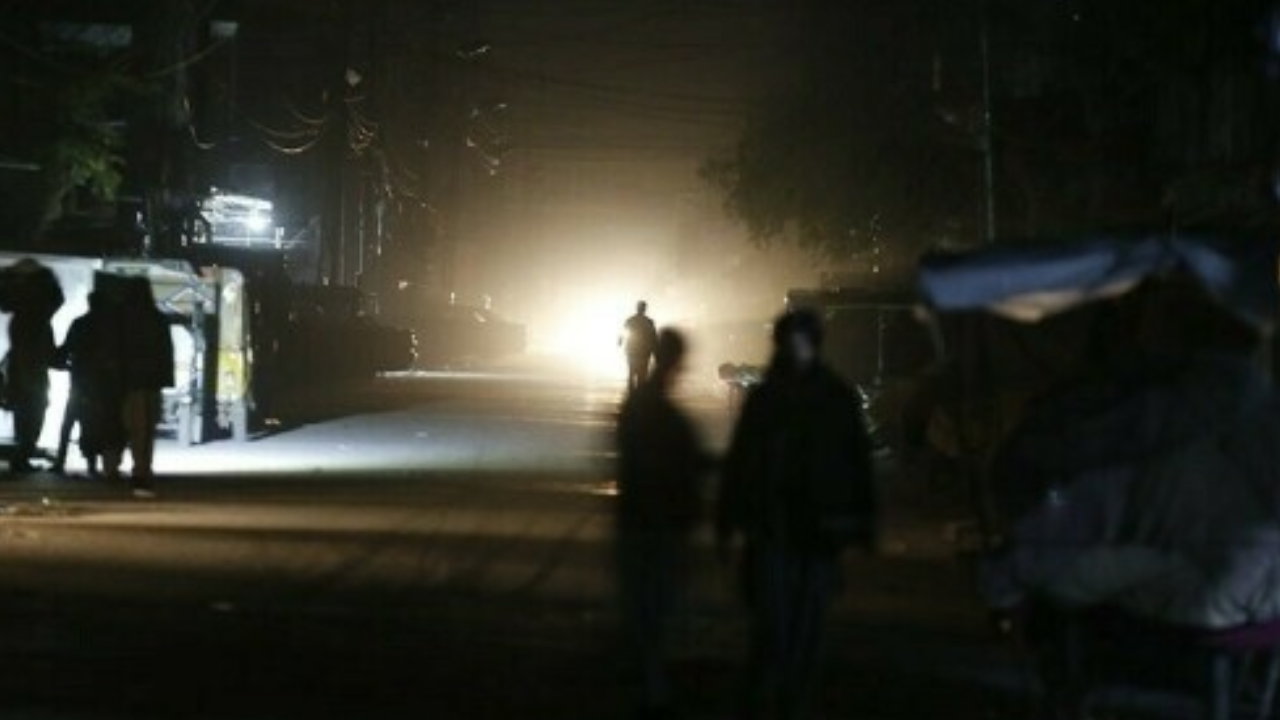
    An increase in electricity shortage, which has reached around 4,000 megawatts, has led to power distribution firms (Discos) enforcing loadshedding across the country. Five districts are impacted by the approximately 1,000MW shortfall that the Lahore Electric Supply Company (LESCO) alone is facing.


    Officials said the shortage has been going on since several days as dense fog triggers repeated tripping of power plants in the southern region, while hydel power generation remains minimal during winter months.

    An official who asked to remain anonymous told a private media source, “When we compare the situation with the previous year, electricity demand has increased by approximately 2,000MW in winter, mainly due to the extensive use of heating appliances.” 

    The official added that reduced gas supply to Lahore-based power plants, along with the closure of a unit at the Sahiwal Coal Power Plant, has further limited generation capacity. This has left Discos with no option but to implement loadshedding in Punjab, Sindh, and other provinces.

    The situation has gotten worse over the past four to five days, according to another official, after some power facilities in the southern region went off the grid as a result of tripping brought on by heavy fog. “The Matiari-Lahore High Voltage Direct Current (HVDC) transmission line supplies power to Punjab, particularly Lahore, from these plants,” the official continued, adding that restoration work is still in progress. 

    Consumers have complained about load shedding lasting three to six hours a day in urban regions and six to ten hours a day in rural areas. “Forced loadshedding has been continuing for three to five hours daily, while rural areas, especially in interior Sindh, are facing eight to twelve hours each day,” stated a Sukkur resident.

    A Lahore-based resident noted, “Forced loadshedding is lasting three to six hours daily. In addition, we are also facing water shortages from the Water and Sanitation Agency (WASA) because tube-wells are not operational, leading to no warm water supply during the cold weather.”

    LESCO has continued loadshedding in Lahore and surrounding districts due to a shortfall exceeding 1,100MW in total consumption of over 3,200MW during peak hours. 

    Lesco Chief Executive Officer Ramzan Butt explained, “At present, hydel power generation is zero. Consumers previously using solar net-metering systems have returned to Lesco’s supply as their solar equipment is not generating due to dense fog. Several power plants also went off the grid because of tripping caused by fog. This all contributed to the shortfall in our total consumption.”

  • 100,000 US visas revoked under Trump administration

    100,000 US visas revoked under Trump administration

    The United States (US) State Department has announced that more than 100,000 visas have been revoked since President Donald Trump returned to office last year.


    According to a post on X on Monday, the revocations – a result of Trump administration’s hardline approach to immigration – include 8,000 student visas and 2,500 visas for specialised workers.


    The department noted that most withdrawals were due to “encounters with US law enforcement for criminal activity”, though it did not clarify whether these encounters led to formal charges.


    The scale of the revocations reflects the broad immigration crackdown initiated by Trump upon returning to the White House. The administration has reported overseeing more than 2.5 million voluntary departures and deportations, which it described last month as a “record-breaking achievement”.


    Some of the deportations, however, involved immigrants who held valid visas, raising questions about due process and human rights.


    The administration has also implemented stricter visa approval policies, including expanded screening and tighter social media vetting.


    “We will continue to deport these thugs to keep America safe,” the State Department said in its post on X.


    Tommy Pigott, deputy spokesperson for the State Department, said the four leading reasons for visa revocations were overstays, driving under the influence, assault and theft.


    He added that the number of revocations represented a 150 percent increase as compared to 2024.


    The department has also launched a Continuous Vetting Center, which, Pigott said, is intended to ensure that all foreign nationals on American soil comply with laws, and that the visas of those posing a threat to American citizens, are swiftly revoked.


    The State Department has instructed diplomats to scrutinise visa applicants who may be considered hostile to the US or have a history of political activism.


    Trump, who was sworn in for a second term on January 20, 2025, had campaigned in 2024 on a promise to oversee the “largest deportation programme of criminals in the history of America”.


    In October, the State Department also announced it had revoked visas from six foreign nationals who allegedly “celebrated” the assassination of activist Charlie Kirk online.


    “The United States has no obligation to host foreigners who wish death on Americans,” the department stated in a social media post.


    However, it sparked concern over potential violations of the First Amendment right to free speech.

  • Trump imposes 25 percent tariff on countries doing business with Iran

    Trump imposes 25 percent tariff on countries doing business with Iran

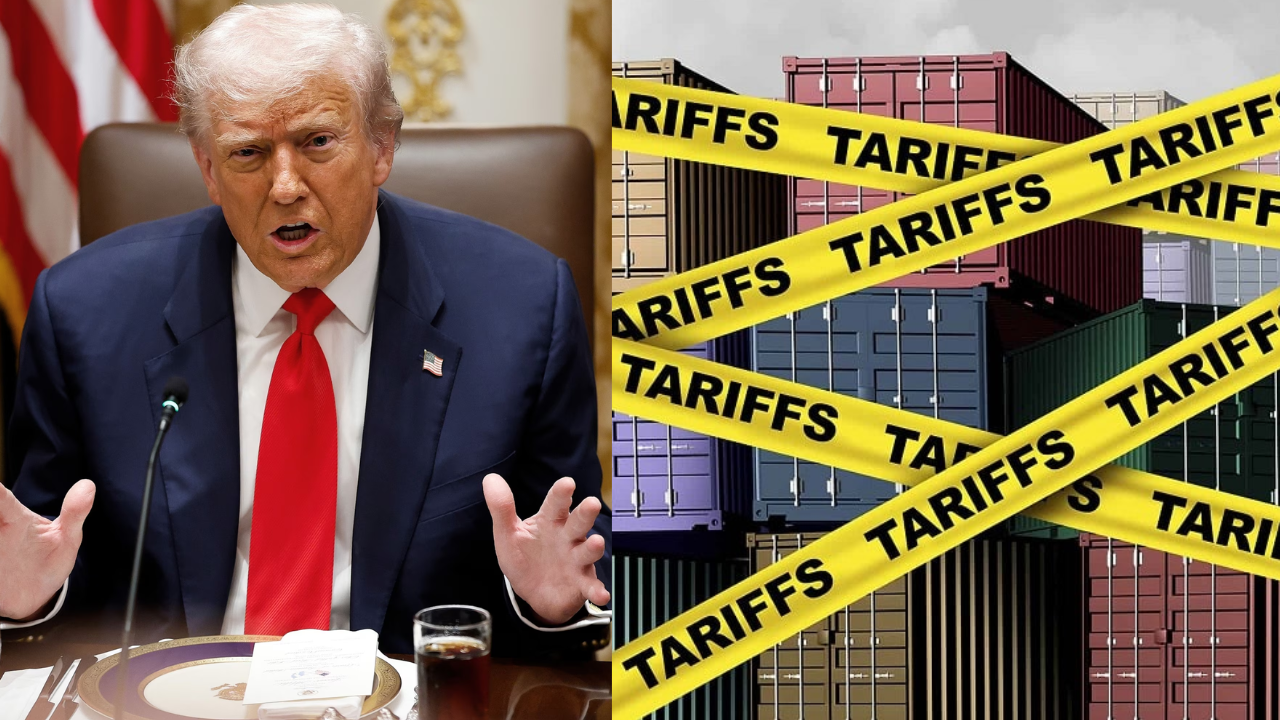
    US President Donald Trump has announced that countries conducting business with Iran will face a 25 percent tariff on their trade with the United States. The tariffs, he said, would be applied “effective immediately” on “any Country doing business with the Islamic Republic of Iran.”

    The announcement came a day after Trump said he was considering military operations in Iran. He warned that the Islamic republic was starting to cross his threshold for intervention amid nationwide protests. 

    Activist groups estimate that hundreds of people have been killed and thousands detained since late December. Reports of casualties have been difficult to verify due to internet restrictions imposed by Iranian authorities.

    Trump has said his administration is exploring a range of options, including military measures. Sources familiar with national security planning confirmed that air power will be involved, but strategists are also thinking about ways to interfere with Iranian communications and command systems.

    Trump added that the military “is looking at it, and we’re looking at some very strong options,” while claiming that Iranian leaders have called him to negotiate.

    Iranian officials have expressed a willingness to engage in talks with the US, though the government also remains prepared for military confrontation.

    Data from Trade Data Monitor shows that more than 100 countries had trade ties with Iran in the first half of 2025. While many commercial connections have been limited by existing US sanctions, the new tariffs could affect a range of nations. 

    Among Iran’s largest trading partners are China, Turkey, Pakistan, India, Iraq, and the United Arab Emirates. The White House has not released further details about the scope or enforcement of the tariffs.

    The announcement adds pressure on Iran, which is facing significant economic challenges. The Iranian currency has declined sharply, inflation has increased, and food prices have risen. Food accounts for roughly one-third of Iran’s imports, and restrictions resulting from the tariffs could worsen shortages and costs.

    Trump emphasized the finality of his decision on the tariffs, stating, “This order is final and conclusive.” The move could affect major economies trading with Iran and adds another layer of pressure on the country as the government continues to respond to widespread unrest.

  • PM thanks overseas Pakistanis for sending record $3.6bn back home in December

    PM thanks overseas Pakistanis for sending record $3.6bn back home in December

    Prime Minister (PM) Shehbaz Sharif has thanked overseas Pakistanis for sending record remittances in December 2025, which exceeded last year’s figures.


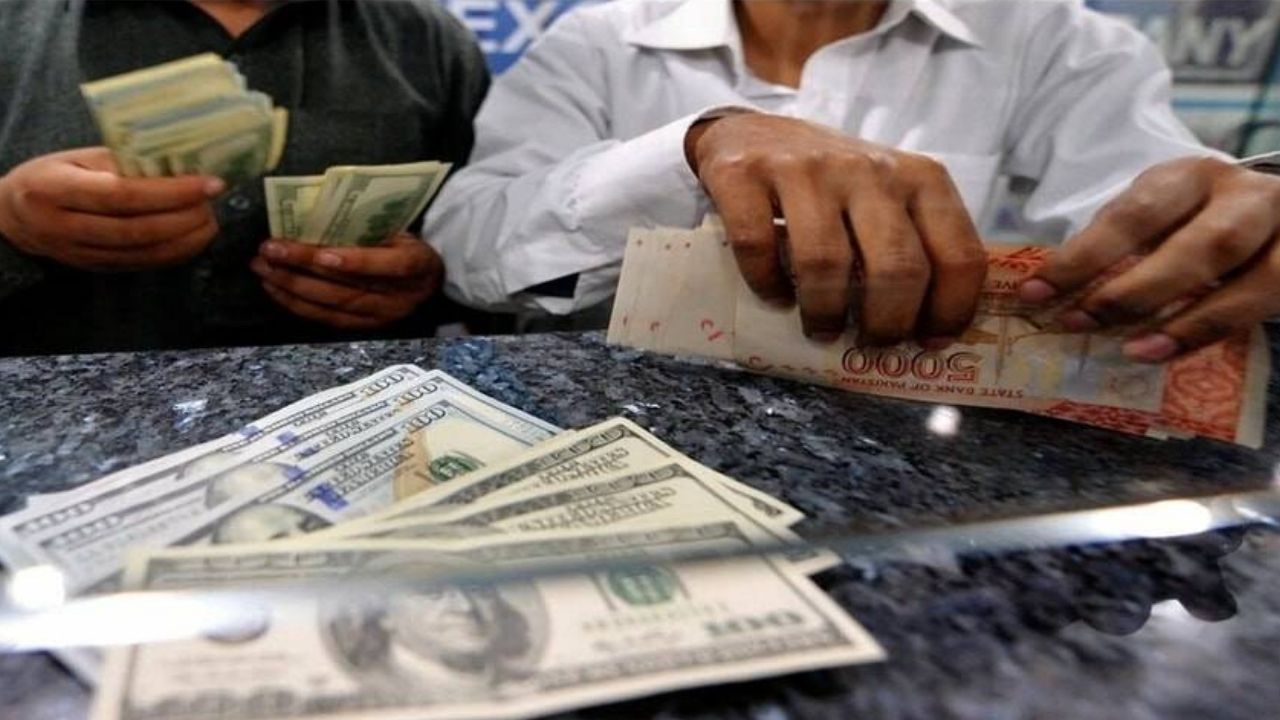
    In a statement, the premier said Pakistanis living abroad remitted $3.6 billion during December 2025, reflecting their strong commitment to the country’s economic stability. 


    He also noted that this marked an increase of 16.5 percent in remittances as compared to the same period last year.


    PM Shehbaz said the rise in inflows demonstrated overseas Pakistanis’ confidence in the government’s economic policies and appreciated their role in countering negative propaganda against the country.


    “Overseas Pakistanis are our valuable asset, and the entire nation, including myself, takes pride in them,” he said.


    The premier added that the welfare and facilitation of overseas Pakistanis remained a top priority, and reaffirmed his government’s commitment to taking further steps for their well-being.

  • NEPRA lowers national electricity tariff by 62 paise per unit

    NEPRA lowers national electricity tariff by 62 paise per unit

    The National Electric Power Regulatory Authority (NEPRA) has reduced the national average uniform electricity tariff by 62 paise per unit for the next six months.

    The regulator said in a statement released late Wednesday that distinct consumer-end prices had been established for every distribution companies that was previously under Wapda, taking into consideration their various income requirements as well as permitted transmission and distribution losses.

    For the calendar year 2026, NEPRA set the national average tariff at Rs33.38 per kilowatt-hour, down from Rs34.00 per unit in 2025-26.

    Several distribution companies, including Gujranwala, Quetta, Multan, Sukkur, Hyderabad, Peshawar, Tribal Areas and Hazara Electric Power Companies, had submitted multi-year tariff petitions covering the period from 2025-26 to 2029-30. NEPRA has now determined these tariffs for the upcoming year.

    According to the notification, the rebasing of consumer-end tariffs follows policy guidelines issued by the Ministry of Energy (Power Division) and the federal cabinet’s approval of annual tariff adjustments starting January 1.

    The regulator has communicated the determined tariffs to the federal government for the submission of the uniform tariff application.

    NEPRA’s calculation of the total revenue requirement of the ex-Wapda distribution companies for 2026 stands at Rs3.379 trillion. This includes Rs2.923 trillion for power purchase costs and Rs456.15 billion covering distribution companies’ margins and adjustments from prior years.

    The estimate is based on projected electricity sales of 101,234 gigawatt-hours for the year.

    The regulator’s move aims to reflect cost variations while maintaining separate tariffs for each distribution company, in line with approved policies and projected expenses.

  • Govt mulling increase in fuel levy to manage Rs3 trillion gas circular debt: minister

    Govt mulling increase in fuel levy to manage Rs3 trillion gas circular debt: minister

    The government is considering an increase in petroleum levies to manage the over Rs3 trillion circular debt in the gas sector instead of raising the gas tariff set by the Oil & Gas Regulatory Authority (OGRA).

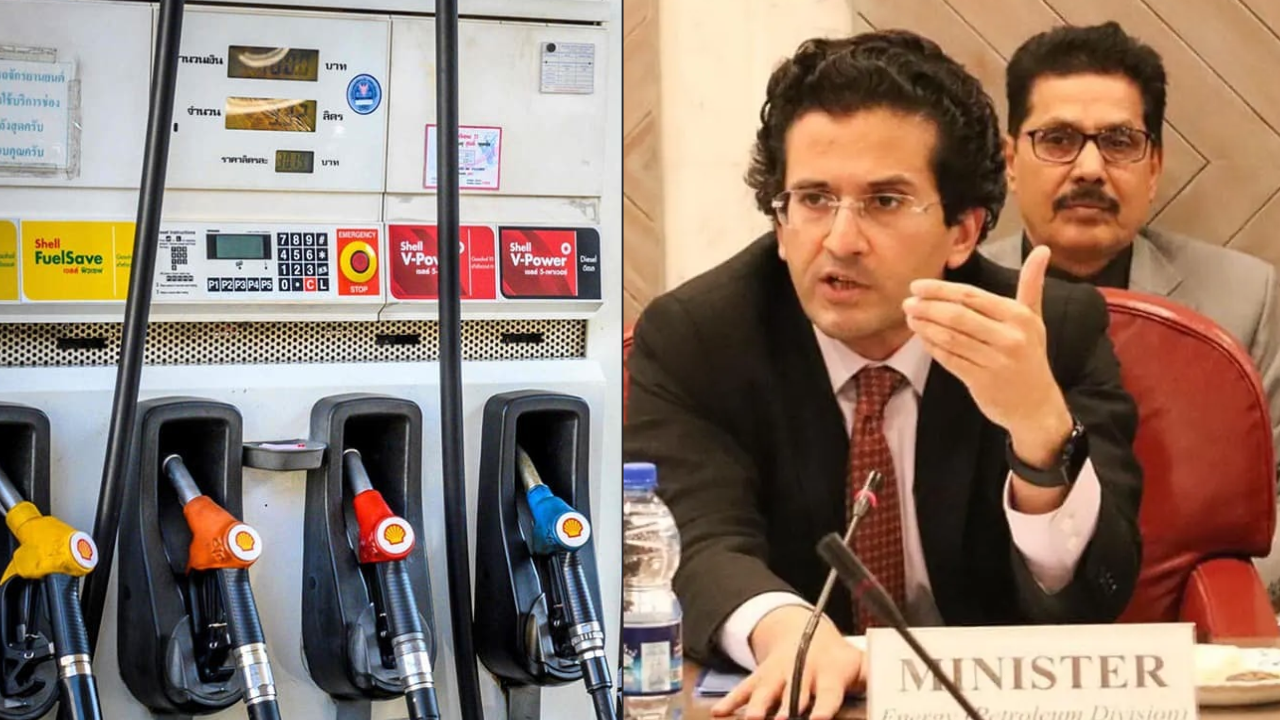
    As per the details, Petroleum Minister Ali Pervaiz Malik told the National Assembly’s Standing Committee on Petroleum that gas tariffs would not be increased from January 1 under instructions from Prime Minister (PM) Shehbaz Sharif.

    Speaking during a meeting chaired by MNA Syed Mustafa Mahmood, the minister confirmed that the gas circular debt, including late payment surcharges, had crossed Rs3 trillion, however, he declined to comment on proposals to increase the petroleum levy by Rs5 per litre on petrol and diesel to cover the debt.

    “A separate briefing could be arranged on the subject,” he said.

    Currently, Pakistan has around 10 million gas consumers, while petrol and diesel are used by almost the entire population. The government has been increasing the petroleum levy, now up to Rs82 per litre, citing subsidies for power consumers, road construction in Balochistan and general revenue collection.

    OGRA had recommended up to a 7 percent increase in natural gas prices, equal to Rs118 per unit, in late November 2025 to meet the Rs886 billion revenue requirement of gas companies for fiscal year 2025-26. 

    Under law, the government must decide on consumer-end gas prices within 40 days of OGRA’s determination.

    Malik said gas prices would remain unchanged for six months. He added that reforms to reduce gas theft and losses, and the diversion of surplus Liquefied Natural Gas (LNG) cargoes to international markets, were underway.

    He also confirmed that negotiations with Qatar had led to “a mutually acceptable arrangement” to manage excess supplies.

  • Salaried individuals pay Rs266 billion income tax in six months

    Salaried individuals pay Rs266 billion income tax in six months

    Salaried individuals paid a whopping Rs266 billion in income tax during the first half of the current fiscal year, accounting for nearly one-tenth of the total income tax collected nationwide.


    According to provisional figures compiled by the Federal Board of Revenue (FBR) for the July–December period, tax payments from salaried employees in both the public and private sectors were more than twice the amount collected from the real estate sector during the same period.


    The data suggested that salaried individuals paid over Rs266 billion in income tax, marking an increase of Rs23 billion, or 9%, as compared to the corresponding period last year when income tax collection from salaried persons, excluding book adjustments, stood at Rs243 billion.


    Book adjustments refer to the process of reconciling the profit and loss figures recorded in book income with different rules and regulations for calculating taxable income as per the Income Tax Ordinance of 2001.


    Reports quoted sources as saying that once book adjustments are included, income tax contributions from salaried individuals had already crossed Rs300 billion by the end of the first half of the fiscal year.


    The figure also does not include payments made by certain contractual employees under Section 153-B of the income tax law.


    Despite this, the salaried class still bears a disproportionate tax burden, mostly because of what critics claim is the FBR’s dependence on a taxpayer base that has already been established. Large portions of the economy remain outside the tax net, with manufacturers and salaried persons continuing to be the main contributors. 


    The salaried class contributes about 38% of their gross income in taxes, which is far more than the average for the region and much more than contributions from industries like retail and real estate.


    Lt Gen Sarfraz Ahmed, the national coordinator of the Special Investment Facilitation Council (SIFC), also acknowledged the imbalance during a speech to the Pakistan Business Council (PBC) last month.

    He claimed that the government’s fiscal difficulties had resulted in an excessive reliance on taxes, specifically targeting documented and visible taxpayers.

    The data further showed that non-corporate employees contributed the highest share among salaried individuals, paying Rs117 billion in income tax – an increase of 14% from last year. 

    Employees in the corporate sector, on the other hand, paid Rs82 billion, reflecting a 13% rise as compared to the same period of the previous fiscal year.

    During the first half of the fiscal year, the FBR collected Rs3.03 trillion in income taxes overall. Nearly 10% of this amount came from salaried individuals, who pay taxes on their gross incomes without the ability to adjust expenses.

    Despite this contribution, FBR struggled to meet its downward-revised tax target of Rs6.5 trillion.

    To bridge the gap, it relied on advance collections and delayed the processing of taxpayers’ refunds. Even then, overall tax collection growth remained below 10%, roughly half the rate required to achieve the annual target.

    While provincial government employees paid Rs39 billion in income tax, a 7% decrease from the previous year, according to a breakdown of public-sector contributions, employees of the federal government paid Rs27 billion, registering an increase of 8%.

    The government’s recently implemented tax on wealthy pensioners, which is applied to pensions above Rs10 million per year, generated minimal revenue, indicating that full-year revenues might not be able to reach Rs1 billion.

    Meanwhile, the government last month once again allowed retired employees to draw more than one pension, a move that undermined its stated objective of pension reforms and expenditure reduction.

    Tax revenues from traders remained low. Restrictions on financial transactions by ineligible individuals were among the enforcement measures that were either diluted or rolled back.


    However, after higher rates for non-filers and the establishment of a new category for late filers, the real estate sector saw some increase in tax collection. Plot sales saw a two-thirds increase in withholding tax income to Rs87 billion, while plot purchases saw a 29% decline to Rs39 billion.


    Overall, withholding tax collections from the real estate sector reached Rs126 billion during the first half of the fiscal year, reflecting a 17% increase.
  • Govt to cut electricity rates through captive power levy

    Govt to cut electricity rates through captive power levy

    The federal government has decided to provide relief to electricity consumers by using revenue generated from a captive power levy, introduced under an agreement with the International Monetary Fund (IMF), to reduce electricity rates.

    The charge on captive power plants would be used to reduce electricity prices for all consumer categories, according to government sources. The federal cabinet has previously authorized the decision, supporting the direct transfer of the levy’s benefits to electricity consumers. 

    Officials said the government has finalised a plan under which the levy collected from captive power plants will not be adjusted on a monthly basis. Instead, electricity rates adjustments will be made at intervals of two months, allowing the accumulated amount to be reflected in consumer bills.

    The federal government has enforced a law introducing a phased levy of up to 20 percent on captive power plants operating on gas or liquefied natural gas (LNG). Under the first phase, a levy of five percent has been imposed with immediate effect.

    In the second phase, the levy will be increased to 10 percent. According to the implementation plan, the rate will rise further to 15 percent by February 2026 and reach 20 percent by August 2026. 

    Authorities said the increase in the levy rate is expected to expand the scope of electricity rate reduction as higher revenue is generated.

    Sources said every captive power plant using gas or LNG will be required to pay the levy to the federal government. The collected amount will be pooled and used specifically for lowering electricity rates in the power sector.

    The government has also outlined enforcement measures to ensure compliance. In cases where captive power plants fail to pay the levy, action will be initiated against the defaulting entities. If non-payment continues, gas supply to the concerned captive power plant will be disconnected.

    The move is part of the government’s broader plan to restructure the power sector following discussions with the IMF.