Category: Editorial

  • Harassment at school

    Harassment at school

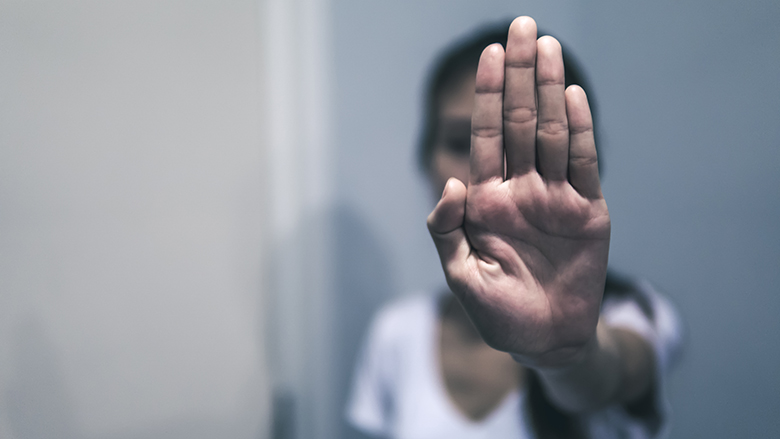
    Accounts of sexual harassment that were shared on social media last month by students of Lahore Grammar School’s (LGS) 1A1 branch were harrowing to say the least.

    Four male staffers were subsequently terminated while the principal, administrator and coordinator were suspended as they have been accused of covering up the scandal.

    We must say that it was very brave of the victims to recount their trauma and raise this issue on social media when all other avenues failed. More power to these girls who did not back down for demanding justice for themselves and their fellow students.

    To think that this had been going on for four years under the administration’s nose makes one wonder why senior members of the administration did not pay any heed to multiple complaints by students. Sexual harassers are of course the main culprits here and they must be punished according to the law but those who abetted them by covering up their crimes cannot shirk responsibility either. Once a student had approached the administration to report sexual harassment, it should have been investigated right away and proper measures should have been taken instead of blaming and shaming underage girls for ‘leading on’ these predators.

    Victim-blaming is not just mentally damaging and demeaning, in this case it was downright criminal. The commitment of Punjab Education Minister Murad Raas as well as Federal Human Rights Minister Shireen Mazari to the LGS case is commendable. However, Raas’s suggestion that only female teachers should teach at all-girls’ schools is a stop-gap arrangement of sorts. This policy cannot be dictated and it should not be implemented either. By this token, do we think that any man who teaches girls in schools cannot control himself? What about all-boys schools where male teachers have abused? This sort of messaging is not appropriate. Male teachers must be taught to treat their students as ‘students’ and not any sexual beings. Parents send their children to school for education, believing they are sending them to a safe environment where they will be looked after by the school management just like families look after their own.

    A school is quite literally a child’s second home where he or she learns, makes friends and prepares for their future. It should never have been a place where underage girls were sexually harassed by faculty members with unwanted and inappropriate pictures, messages, etc.

    Educational institutions – from schools and colleges to universities – should have a proper and clear policy on sexual harassment. This policy should be public and awareness sessions should also take place regarding this issue. Psychologists should also be hired by educational institutions to provide free counselling to children and not just for sexual harassment but also for other issues they might be facing. Just like some schools have career counselling, there should be counsellors – like ombudspersons – to hear complaints about sexual harassment at schools. These are just the basic things that all educational institutions must comply with.
  • PIA pilots’ licences

    PIA pilots’ licences

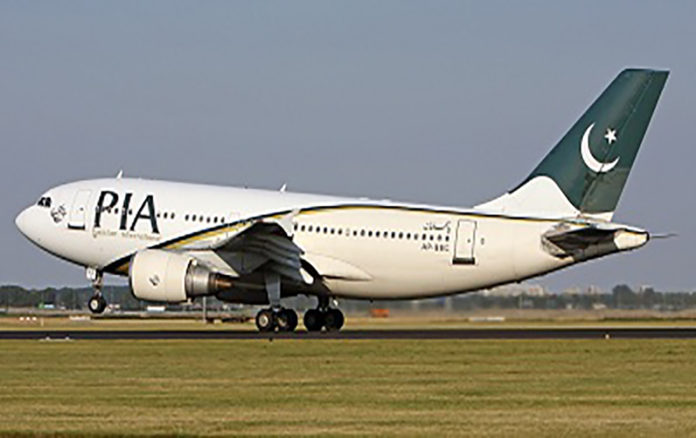
    The Pakistan International Airlines (PIA) crash in May that killed 97 out of 99 people on board is still fresh in our memories. An initial report says it was due to human error by the pilot and air traffic control. Aviation Minister Ghulam Sarwar Khan said the pilots were distracted discussing coronavirus and as a result, the pilot initially failed to perform the landing correctly when the plane scraped at the runway the first time before taking off again. In another shocking “revelation”, the aviation minister said that 262 pilots out of 860 active ones in Pakistan have “fake licenses” which he later changed to dubious or suspicious licences. It not only made international headlines but as a result, PIA grounded 141 pilots while there also are reports of Pakistani pilots in Vietnam and some Gulf countries being grounded, subject to a review.

    On the other hand, Pakistan Airline Pilots’ Association (PALPA) on Saturday denied these allegations. Head of the pilots’ union said there is no truth in these allegations. According to a detailed report in BBC Urdu, the claim by the aviation minister is incorrect and the number of pilots with dubious credentials is not as high. The minister later conceded his original stance. The report explains that the examination process, which makes for about 5 per cent of the licensing process, changed in 2012. Before 2012, pilots had to give two papers but a new model of examination was introduced by the Civil Aviation Authority (CAA) which now requires pilots to take eight papers, mostly theoretical. It did lead to some pilots failing the exams as they were quite complicated or they didn’t get a proper understanding of the scope of exams.

    While many cleared the new examination process, some could not, so an environment evolved where it was made easy for pilots to cheat and some eagerly resorted to cheating, which included making others sit in their place to clear the exams for a few hundred thousand rupees. It is said that while pilots around the world get their commercial licences after being tested for their technical know-how and flying hours as well as a basic examination process, Pakistan’s new examination process was thought to be cumbersome for most of the pilots since it was laid out in a way that was not clear to those who were taking it.

    This is a case of moral dilemma as well as using unfair means. Being a pilot is one of the key jobs where there are extremely high expectations of moral obligation and trust. Cheating cannot be condoned at any cost nor the concept of facilitation of such unfair means. All pilots must be investigated properly and if they have resorted to shortcuts, they must be punished. That said, if the number is marginal compared to the minister’s claim, a clarification must be issued to clear the names of Pakistani pilots. Some complain that the CAA’s role in the entire process raises some red flags.

    We cannot stress enough about air safety. Hundreds of lives are at stake each time a plane takes off. The Aviation Ministry, CAA and airlines must investigate thoroughly and make their findings public. Any such inquiry must involve international stakeholders to add credibility to an embattled CAA whose own credibility is also on the line. Pilots and their bodies also need to initiate a thorough, inward-looking review process that builds trust in their own profession and shows that they are not on the wrong side of the debate.

  • Malala’s future

    Malala’s future

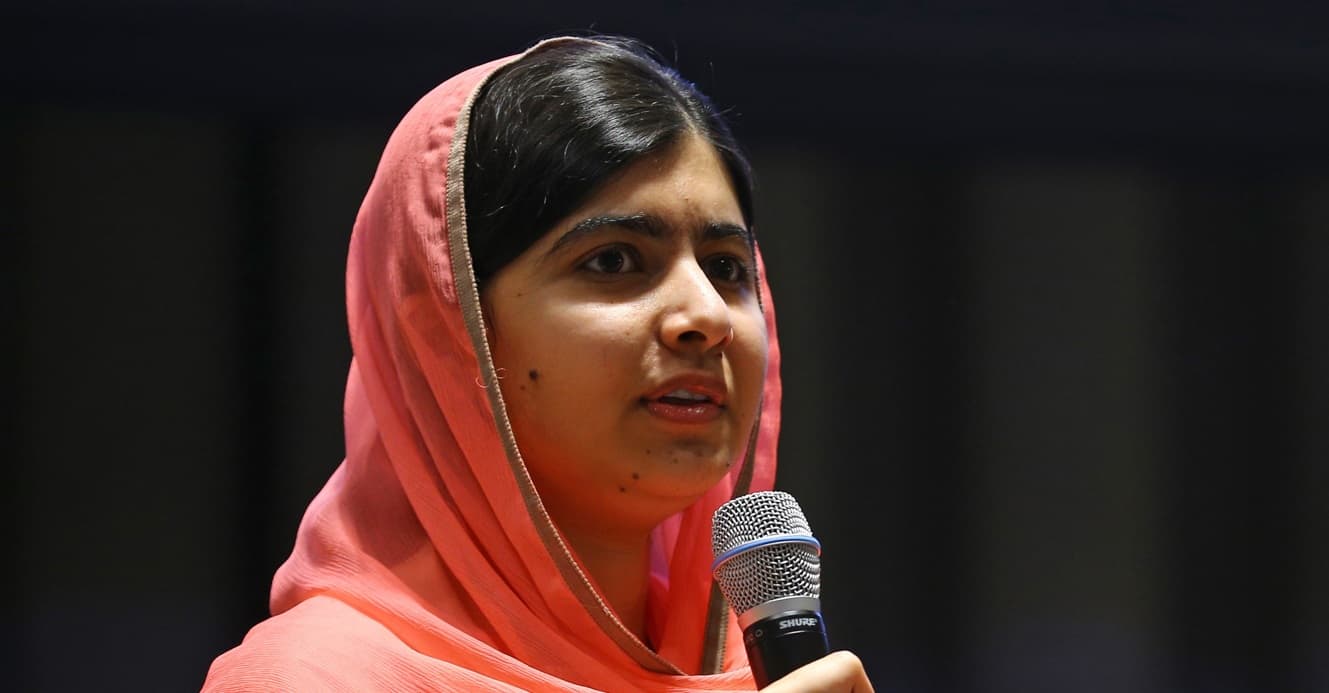
    Pakistani women have time and again proven that despite the country’s patriarchal setup, they can always be counted on to make a mark. Malala Yousafzai, the country’s second and the world’s youngest Nobel laureate, is continuing the legacy of Pakistan’s iconic women.

    Malala graduated from Oxford University earlier this week. “Hard to express my joy and gratitude right now as I completed my philosophy, politics and economics degree at Oxford. I don’t know what’s ahead. For now, it will be Netflix, reading and sleep,” she tweeted.

    For someone so young, Malala has achieved what most of us cannot even imagine in our lifetimes. But it did not come easy; in fact, it was at a great personal cost. In 2009, Malala started writing a diary for BBC Urdu under the pen name ‘Gul Makai’. Swat Valley was under Taliban rule at the time. In one of the entries, she wrote, “I am sad watching my uniform, school bag and geometry box. I felt hurt on opening my wardrobe and seeing my uniform, school bag and geometry box. Boys’ schools are opening tomorrow. But the Taliban have banned girls’ education.”

    Malala and her family received multiple threats from the Taliban even after their rule ended in Swat.

    She was shot by the Taliban in October 2012 when she was on her way home from school in Swat. The Taliban tried to assassinate her because she had become an ambassador for girls’ education. The assassination attempt left her in a critical condition when she was taken to a hospital in Rawalpindi. She was later transferred to a hospital in the United Kingdom (UK).

    Malala went on to become a global icon. From writing a diary under a pseudonym at an incredibly young age to surviving a brutal assassination attempt, her bravery makes one wonder about the determination and grit this young woman has shown over the years. Despite her success, Malala remains down to earth and humble. One can see that there is no pretense.

    After her graduation, many are wondering what role she would take on in the future. It is for Malala to decide what is next but we can say with certainty that her future will not be anything ordinary. For an extraordinary woman like Malala, an ordinary job would obviously not do. She will always be a global ambassador for girls’ education and may well continue her work since it is a huge task indeed. Some speculate whether she will enter politics at some stage. Whatever she decides, we know she will continue to make Pakistan proud of her work.

    May your light continue to shine bright, Malala!

  • Selective lockdown

    Selective lockdown

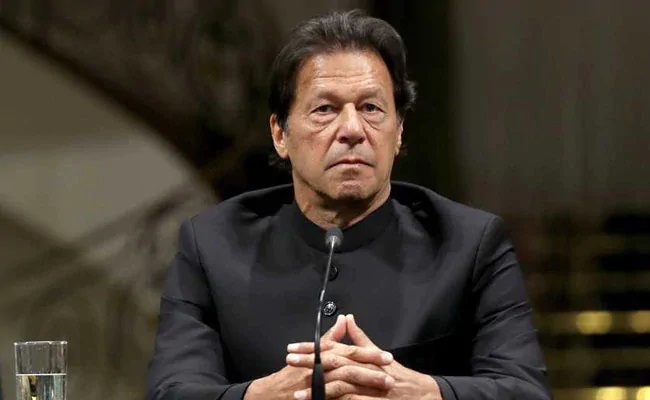
    Prime Minister (PM) Imran Khan has reiterated that there will not be another lockdown. “It is tantamount to shutting down the entire economy to contain the spread of coronavirus. My views have been quite clear on this from the first day.”

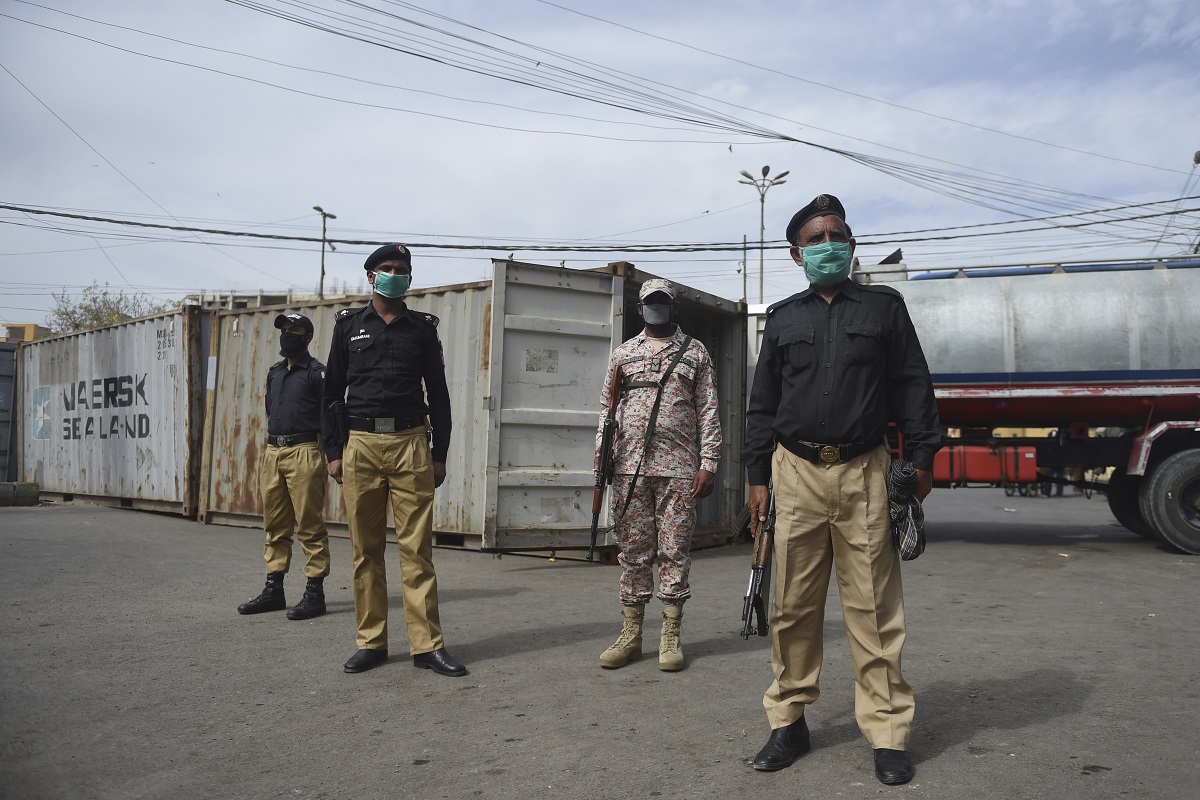
    He said that Pakistan is not like Singapore or New Zealand or Taiwan with smaller populations and is also not a rich country to afford a lockdown. PM Imran said smart lockdown will be imposed after identifying hotspots and blamed the people of Pakistan for not following SOPs.

    Pakistan’s coronavirus cases are more than 141,000 while deaths are 2,647. The number of cases keeps rising rapidly each day, which hospitals seem unable to deal with. Oxygen cylinders are unavailable in most cities or are available at exorbitant prices while prices of oximeters, medicines and other supplies have also shot up. Pakistan’s health sector will not be able to deal with such a huge crisis in the coming days.

    “I have been saying this repetitively that you must take precautions… I am disappointed to see that our people have been very careless,” said PM Imran who had once likened COVID-19 to flu.

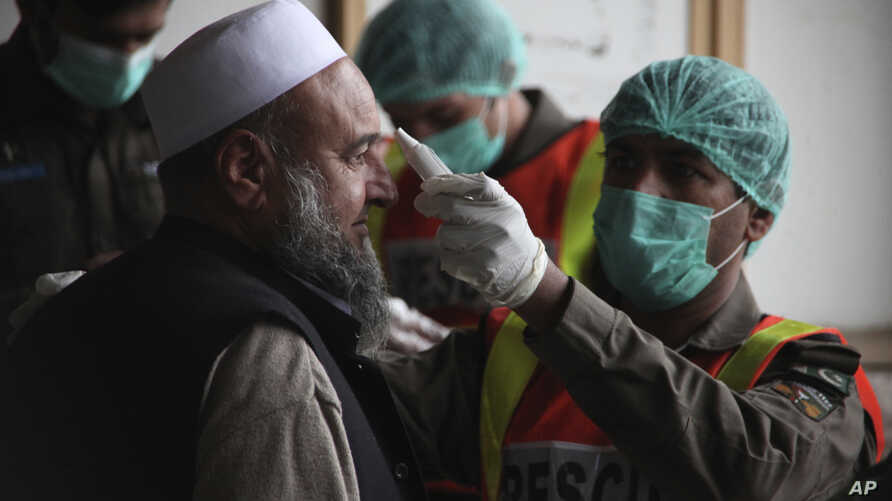
    He said that masks are now mandatory and both the administration and volunteers of the Tiger Force will ensure this.

    It is easy for the government to ask people to follow the SOPs and take precautions while not taking responsibility for its policy failure. When lockdown was first imposed in the country, it should have been extremely strict followed by aggressive testing. Lockdown should not have been lifted for Eid when cases were on the rise. The government not just lifted the lockdown but also kept downplaying the virus despite warnings from health workers and senior doctors. No wonder then that people are not taking coronavirus seriously. It is the government’s responsibility to implement rules; people all over the world are not responsible unless rules and laws are strictly implemented. The government should consider temporary lockdown in cities where administration finds it difficult to control the spread of coronavirus, increase the number of tests, create more awareness by telling people how serious this virus is.

    Countries that locked down early and strictly have been able to return to normal much faster and are open to a large extent. In Pakistan, we have been busy in comparisons or criticism of other countries’ strategies while no effective policy has been in place here.

    Reports indicated that the Punjab government was considering imposing a strict two-week lockdown in Lahore at the recommendation of the World Health Organization (WHO) due to the rising number of cases but PM Imran rejected the proposal.

    Selective lockdown is not a solution because its implementation will be extremely difficult. It seems as if the government has adopted the policy of ‘to each his/her own’ when it comes to dealing with the coronavirus. Let’s not forget that countries that have gone down this road have not been able to save their economy either. We should act before it is too late.

  • Caged children

    Caged children

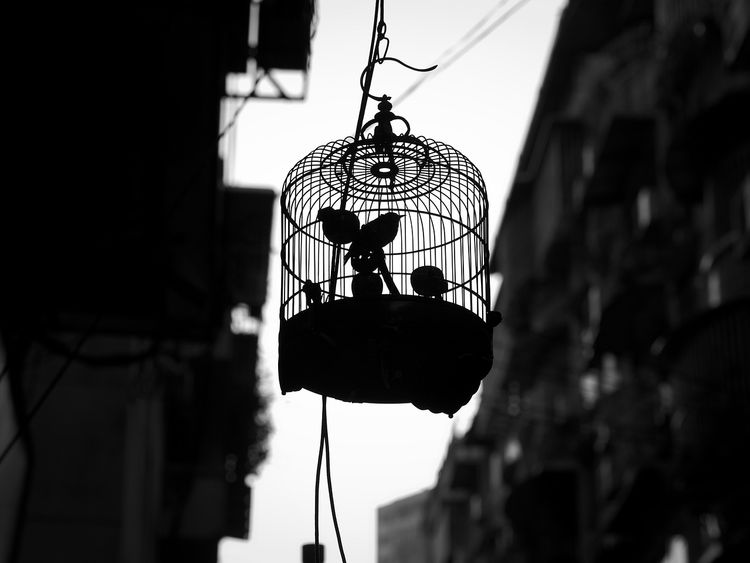
    The year is 2020. We have rules. We have laws. Yet we have children who live in cages — who are enslaved. The news of a minor domestic worker’s death after being beaten and tortured by her employers for letting “expensive pet parrots escape from their cage” sent chills down everyone’s spine. It also made one’s blood boil over the callousness of the employers who had employed an eight-year-old girl at their house to ‘take care’ of their infant. And then they killed her over a small mistake. Is the cost of a poor minor ‘housemaid’ worth nothing compared to pet parrots no matter how ‘expensive’ they may be?

    Zohra Shah’s employers – who were arrested soon afterwards – did not just kill the child but also recorded the girl being tortured on cell phones recovered by the authorities. One video reportedly shows the minor girl locked up in a large birdcage as a form of punishment. Did the couple think locking up a child in a cage was okay at some level? Are we human beings or barbarians?

    It shows another side of our society as well: we all know someone who has employed minors at their homes. We usually turn a blind eye to this ‘slavery’ because they are not our own children. They are children of the poor – people who have no choice but to let their children work for strangers just so they can make ends meet. Even if we don’t condone such practices, we don’t condemn them either – at least not vocally. We outrage at the latest incident of a minor domestic worker but soon we will forget her name. Until the next incident. And the cycle continues.

    Minister for Human Rights Dr Shireen Mazari says that domestic child labour should be declared hazardous under the Employment of Children Act 1991, as this is “the quickest way to protect children in the absence of a proper law to protect domestic labour”. This is a short-term solution. We need proper child labour reforms. Declaring domestic child labour ‘hazardous occupation’ may help to some extent but when the law already says that children under 14 years of age cannot be employed and we see children younger than that working around us, how will it benefit the children? How will it ensure that children are not losing their childhood because the state failed to ensure their rights?

    Pakistan is a signatory to the UN Convention on the Rights of the Child but children from lower-income groups have no rights whatsoever it seems. The impunity with which Zohra Shah was tortured and subsequently killed by her employers shows that the rich and powerful think they can get away with anything, even if it’s taking away someone’s life. How will we ensure justice for an eight-year-old girl who was born to a family so poor that they did not have the money for an ambulance that could take the body back to their village and to arrange a funeral?

    ‘Justice for Zohra’ does not mean punishing the couple who beat her to a pulp, subsequently leading to her death, but it means that we make sure there are no more Zohras in Pakistan. That we make sure an end to the practice of minors being employed in private households, that we ensure children get their basic right to education and do not lose their childhoods enslaved in cages, both literally and metaphorically.

  • Power and privilege trumps all?

    Power and privilege trumps all?

    Last week, we witnessed how power and privilege can make people go blind as they think they can break the law and get away with it.

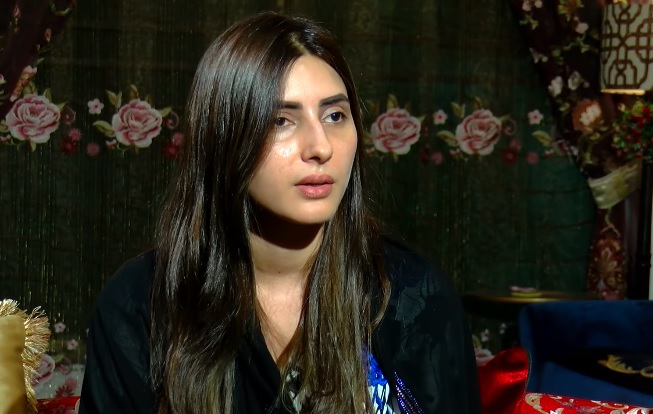
    Videos of armed guards and three women breaking and entering the house of actor Uzma Khan went viral on social media.

    The three women belong to the family of all-powerful property tycoon Malik Riaz. Two are said to be his daughters while the third is related to his wife. Pakistani media, with a couple of honourable exceptions, did not even air the news.

    We can well imagine why.

    The clout Malik holds over those running the affairs of the state is quite evident so it is inevitable that the media, which is already going through a financial crunch, will not alienate him.

    There are many angles to the story. Many in our society latched on to the ‘cheating husband’ and ‘gold digger’ narrative about Usman Malik and Uzma Khan. What they failed to acknowledge was the criminal and vile aspect of this whole incident.

    Those videos were made to humiliate Uzma Khan and this is why they were released and circulated by the very women who broke the law. How can someone enter another’s house with armed guards, breaking and vandalising everything in sight, asking one of the guards to sexually assault Uzma, threatening the girls that ‘we’ will get you picked up by the ISI, throwing alcohol or some other liquid on them (we don’t know yet what exactly was thrown on them) and threatening to burn them, taking away their clothes/bags/shoes and other valuables, beating them up, breaching their privacy and much more?

    Usman Malik’s wife, Aamna Usman, had the audacity to make another video where she is admitting to the crime but says she did it because she had no other choice. Well, she did have a choice: she had the choice of confronting her husband and if he did not want to end the relationship, leaving him should have been her obvious choice. And if she did not want to leave him, even then the family should have resolved the issue among themselves instead of bringing Uzma into disrepute. What Aamna Usman chose to do was not a choice. It was a decision taken because she knew she wields more power, has more money and more privilege than an actor/model in this society.

    We hope that justice will be served. These three women and their armed guards should not be allowed to get away scot-free. Some say an out-of-court settlement is possible. We cannot rule it out but we would still like to say kudos to Uzma Khan and her sister Huma Khan for braving this out and standing up to privileged brats. Our society hardly ever does it. More power to Uzma and Huma!

  • An inconsolable tragedy

    An inconsolable tragedy

    As we struggle to deal with a global pandemic that has claimed over 1,100 lives in Pakistan alone, an inconsolable tragedy has hit us hard.

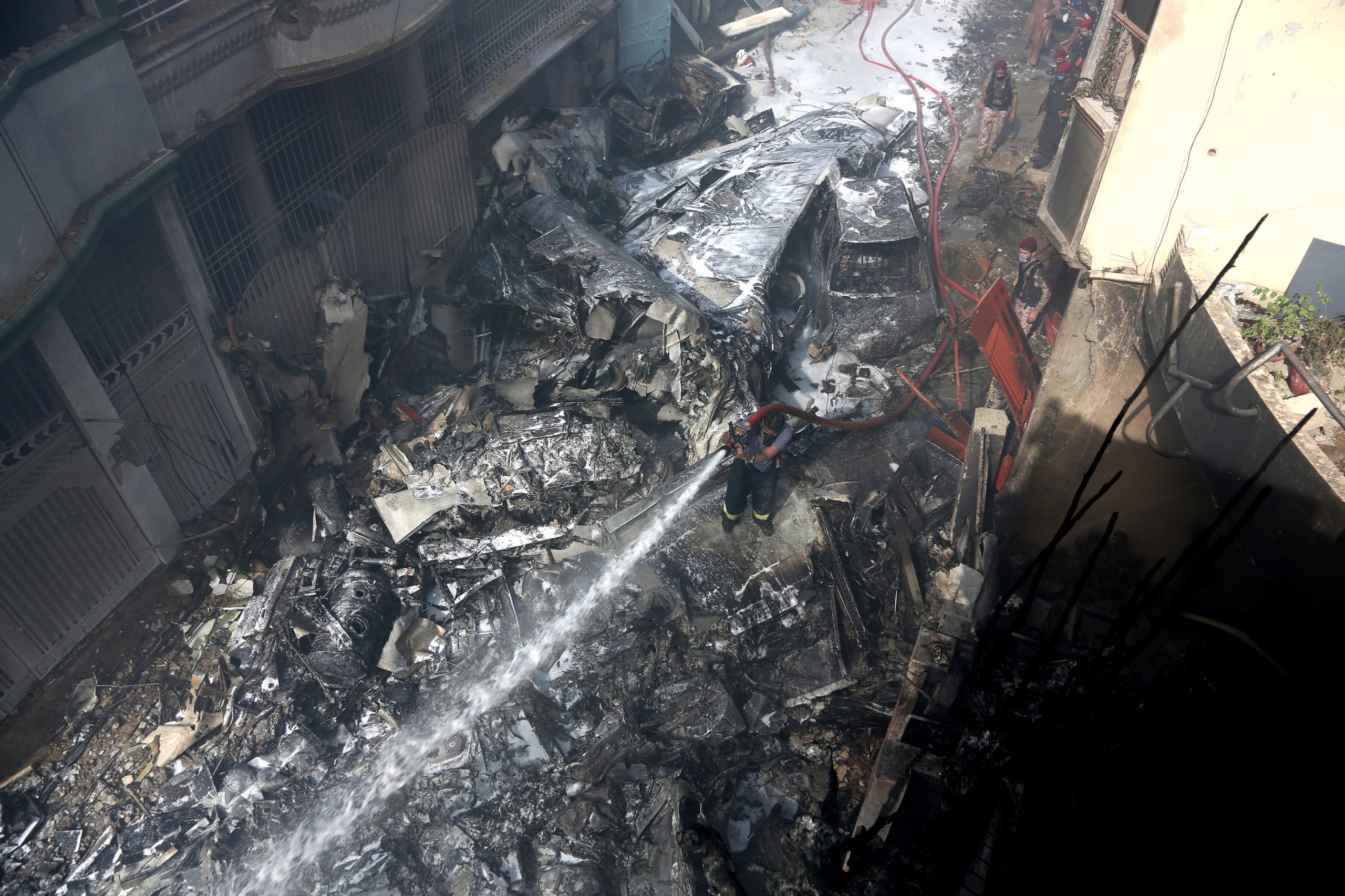
    A PIA flight from Lahore to Karachi met a tragic fate yesterday. The ill-fated plane’s landing gear reportedly stopped working and when the pilot pulled it up for another round to try and resolve the issue, both its engines failed. The pilot tried to land again — this time in an area near the Jinnah International Airport, but due to the streets being narrow, it hit a mobile tower and crashed.

    There were 91 passengers on board and eight crew members. Two passengers miraculously survived while the crew and the rest of the passengers did not make it. All bodies have been recovered and are now being identified through DNA samples, which may take some time. An investigation team has been constituted to probe the accident.

    A total of 97 lives have been lost. Both young and old, men and women. Friday’s tragedy of PK8303 crash is something that shook everyone. Messages from around the world poured in — from Canadian PM Justin Trudeau to Indian PM Narendra Modi, world leaders paid their condolences. Our hearts go out to the families, friends and loved ones of those who lost their lives. Eid is usually a happy occasion but with coronavirus and this tragedy, it will be a somber affair in Pakistan this time around.

    Pakistan does not have a good record of investigating plane accidents. We hope that there will be a thorough investigation to determine whether the health of the aircraft was satisfactory as well as its maintenance. Aircraft experts are perturbed that so many issues surfaced at the same time — from landing gear malfunctioning to engines that stopped working.

    Those 97 lives cannot be brought back, but the least the state can do is honour those who lost their lives, by getting to the bottom of what exactly happened.

    We understand that nothing will console the grieving families who lost their loved ones just days before Eid. We cannot even begin to imagine the pain they must be going through. But now it is the state’s responsibility to bring some closure. The Sindh government acted in a responsible manner by not giving out names or numbers of the deceased until they could verify and are still in the process of verifying.

    Regular updates from the Sindh Health Department about the rescue and relief operations were also commendable under the face of such a huge tragedy, but a thorough investigation is needed into the response of the district administration as eyewitnesses allege that most people lost their lives to the fire that broke out and rescue teams failed to deal with at the earliest.

    The media — by and large — also acted in a responsible manner despite some editorial lapses. On the other hand, social media and Whatsapp groups went rife with rumours, some even giving false hope to families.

    Here we must pay tribute to the unsung heroes — those who were at the forefront of the rescue and relief efforts, including the law enforcement agencies and humanitarian organisations like the Edhi Foundation. We cannot thank them enough for working tirelessly.

    Life is unpredictable but nothing prepares anyone for a sudden and tragic loss. We pray for the families of those who died in yesterday’s crash.

  • Living with corona

    Living with corona

    Last week when we wrote our editorial, there were a little more than 30,000 confirmed COVID-19 cases. At the time of writing this today, Pakistan’s confirmed coronavirus cases are more than 41,000. Deaths, too, have increased — last Sunday, they were more than 600… this Sunday, they are almost 900.

    A spike of around 11,000 new cases and almost 300 deaths in just one week. This is the reality of coronavirus even though we will have to live with it. At least for a year or more.

    And since we have to live with corona now, we should at least have some rules: face masks should be mandatory and for those who can’t afford them, the government should provide them. Qatar has made the wearing of face masks compulsory and anyone defying the order can face a jail term of up to three years. A fine of up to $55,000 has also bee announced for those who repeatedly fail to cover up.

    We need to make and implement rules like these. If malls and shopping centres are open, proper protocols like social distancing must be followed and implemented by the local administration. Businesses and factories that have opened up or will be opening up soon should also follow strict SOPs. Anyone who fails to follow these rules should face imprisonment or heavy fines for endangering people’s lives. If there are no strict penalties, there will be no deterrent. And if there is no deterrent, then it is open season for coronavirus.

    Just look at what happened at retail shops earlier this week. People thronged clothes shops and other markets. It was sheer madness. Some say it is because of the timings (shops are not allowed to open past 5 pm or over the weekend). But there is another view that says how many people still think of COVID-19 as flu and are not really bothered unless and until they or their loved ones get it. This is downright dangerous. Coronavirus is not flu. It has already taken more lives in just a few months than flu takes in an entire year. The damage coronavirus causes to vital organs of even those who survive it is way more dangerous than anything else.

    Pakistan will see a peak at the end of this month and we can only hope that our health sector is able to deal with it.

    We understand the economic implications of stricter measures but we should also realise that the global pandemic is leading the world to recession in the first place. Pakistan will be no different. The post-corona world is one that we may not even recognise. It will cause a lot of misery around the world, both in terms of being deadly and when it comes to financial hardships. 

  • Not-so-‘smart lockdown’

    Not-so-‘smart lockdown’

    More than 30,000 confirmed cases of coronavirus have been reported in Pakistan with over 600 deaths. The government has opted for a “smart lockdown” as both the number of cases and fatalities continue to increase on a daily basis, but nationwide lockdowns are also being eased with each passing day.

    Some government officials allude to the theory of herd immunity while others say that since the mortality rate of coronavirus is low in Pakistan, we must reopen the economy as the country cannot survive without it. We are left to our own devices now. You can choose to stay at home and in isolation if your work allows you to do it. Otherwise, go out but take precautions and hope that you don’t get coronavirus.

    We understand that the decision must not have been easy for the government but are we really preferring death over struggle?

    The world is also facing the brunt of easing lockdowns: South Korea warned of a ‘second wave’ of the coronavirus as infections rebounded to a one-month high on Sunday while coronavirus infections are rising in Germany days after the country eased its lockdown restrictions. These were two countries that had actually flattened the curve and had controlled the coronavirus cases to quite an extent.

    Imagine if the said countries — with the capacity of aggressive testing and better healthcare facilities — are struggling once again due to the second wave of the virus, what can happen in the near future in Pakistan — a country where a proper lockdown was hardly imposed for two weeks. Where the prime minister was against locking down from day one and where the ‘elite’ were blamed by the premier for somehow enforcing lockdown. Where the lockdown restrictions were eased but it led to everyone thinking that things were back to normal.

    Punjab is now allowing gyms, hair salons and barbershops to reopen again. If the administrations could not ensure that proper SOPs were followed in mosques during Ramzan, how will the local administrations ensure the same at barbershops or gyms or salons? While KP and Balochistan seem to be taking the pandemic lightly, hard-hit Sindh is also mulling opening markets.

    We talk of a ‘smart lockdown’ but we are not too smart, are we? People follow rules when they are enforced and properly implemented. They follow government instructions when the government is not giving out mixed messages or confusing messages. First, we tell them that only old people die of coronavirus, then we tell them that coronavirus doesn’t kill too many people and then we say well, even if it kills people, we must not give up hope and we need to go back to work because… economy.

  • Mixed signals in the time of corona

    The total number of coronavirus cases in Pakistan, by the time this was written, stood at 19,854 and the same is likely to reach the 20,000 mark some time today or by tomorrow morning.

    Every ten days, the number of COVID-19 cases in Pakistan double. Just look at the month of April and how many cases increased, especially after easing down the lockdown. The government, however, thinks that coronavirus has not been “as fatal in Pakistan as it has been in many other countries”, especially the west.

    Minister for Planning, Development and Special Initiatives Asad Umar recently said, “Coronavirus has caused 58 per cent more deaths in the United States (US), 207 per cent more in Spain and 124 per cent more in the United Kingdom (UK) as compared to Pakistan in the same period.” Even if we think the mortality rate is lower when compared to other countries, it does not mean we have to be lax about it. Official projections predict 150,000 cases by the end of this month.

    What was even more surprising was how, in a recent speech, Prime Minister (PM) Imran Khan shifted the blame of the lockdown to the “elite”. He said the decision to impose a lockdown was taken by the elite and the rich, without thinking of the poor. PM Imran tweeted to that effect also while felicitating Muslims for Ramzan.

    The premier blames the elite and rich for taking this decision when it was indeed he and his government that imposed the lockdown. Granted that Imran himself was against the lockdown and finally gave in due to the health emergency but blaming the elite, in this case, is quite misplaced. The World Health Organization (WHO) and others who are dealing with the coronavirus pandemic have recommended lockdowns and aggressive testing apart from social distancing and other measures that we have to take in order to avoid falling prey to this pandemic.

    China went for a lockdown and PM Imran doesn’t tire of giving China’s example so why blame the rich and the elite for a lockdown in Pakistan — a lockdown that is now not much of a lockdown either. Traffic has increased, more shops are open, and except for Sindh, mosques are open as well during Ramzan.

    While we acknowledge that self-isolation is a privilege that isn’t afforded by many, especially the poor, we do not have the answer to how we will cope with an outbreak if cases start to rise exponentially. Doctors have recently warned that Pakistan’s healthcare system will collapse if this happens. So where will the poor go if lockdown is relaxed and they get coronavirus?

    The rich and elite and privileged will go to private hospitals but what about the poor? We have to choose between struggle and death, and can only hope that the cases in Pakistan remain low.