Tag: SBP

  • Auto financing in Pakistan declines for fourth straight month due to high interest rates

    Auto financing in Pakistan declines for fourth straight month due to high interest rates

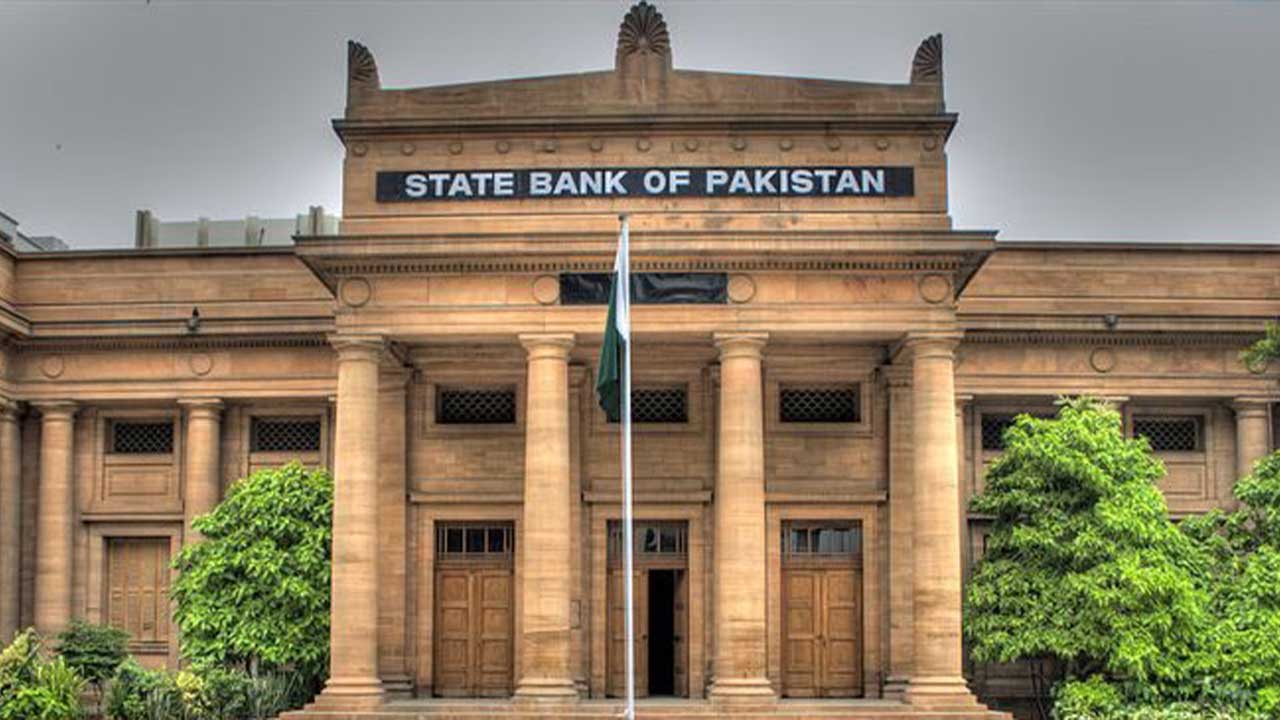
    The number of outstanding auto loans declined for the fourth consecutive month at the end of October, according to data issued by the State Bank of Pakistan (SBP).

    At the end of November, the total amount of outstanding vehicle loan was Rs345 billion, which is Rs0.1 billion less than the Rs346 billion number for October 2021. The most recent amount owed on auto loans is 1.4 percentage points less than it was in September 2022.

    Buyers have been compelled to put off making purchases due to a sharp rise in car prices, skyrocketing interest rates, different SBP efforts to slow down auto financing, factory closures of several assemblers in recent months due to import restrictions, and delays in the delivery of vehicles.

    However, a few new automakers have recently begun to provide immediate delivery of cars in exchange for full payment following the port clearance of their imported auto kits. However, their sales may still be hampered by high pricing and a sharp rise in the benchmark interest rate last month.

    The SBP is forecasting another 100 basis point increase in the key interest rate to 16 per cent, which will cause auto demand to remain subpar for at least the coming year.

    Consumers must now make larger monthly payments on auto loans because the benchmark interest rate has increased from 7.25 per cent to 16 per cent since September 2021.

    The average 40 per cent increase in car costs since September 2021 is one of the key causes of buyer concerns.

    For instance, the price of a Honda City manual is now Rs3.77 million as opposed to Rs2.59 million in September 2021.

    In order to prevent the sale of expensive vehicles, auto loans were limited to a maximum of Rs3 million, and the length of time it took to repay them was also shortened.
  • PKR remains largely stable after Pakistan receives $500 million

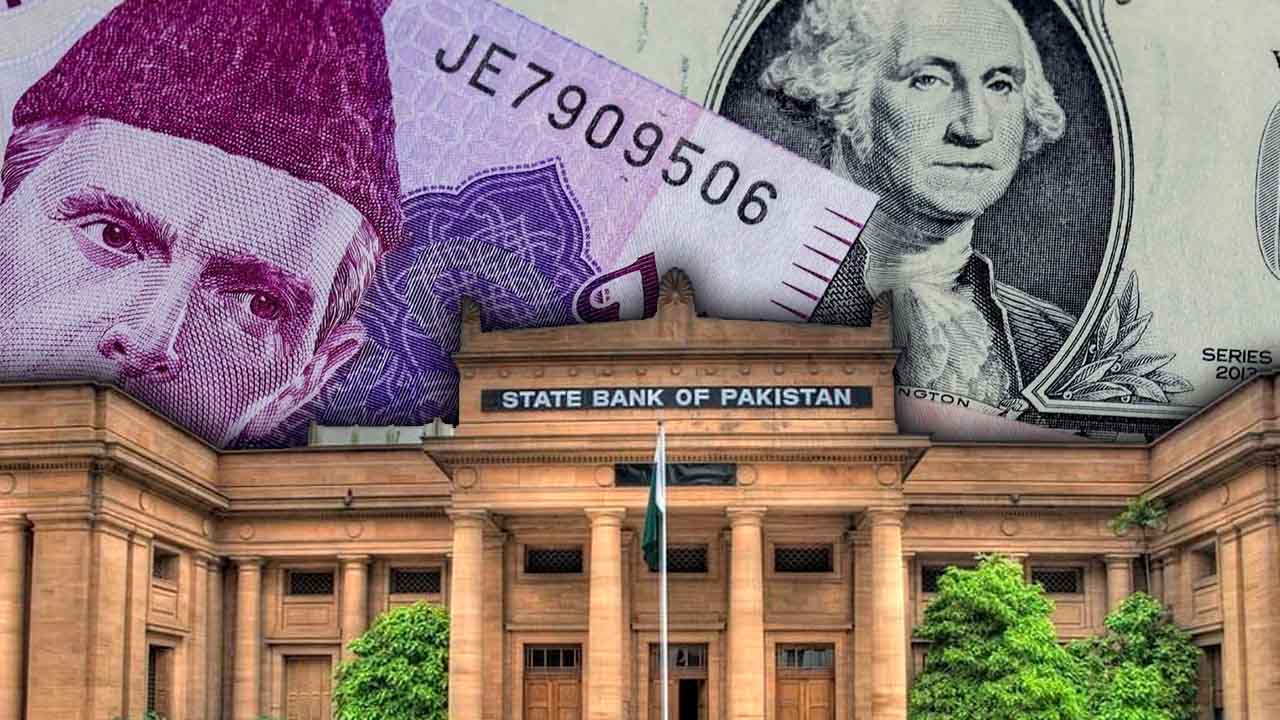
    PKR remains largely stable after Pakistan receives $500 million

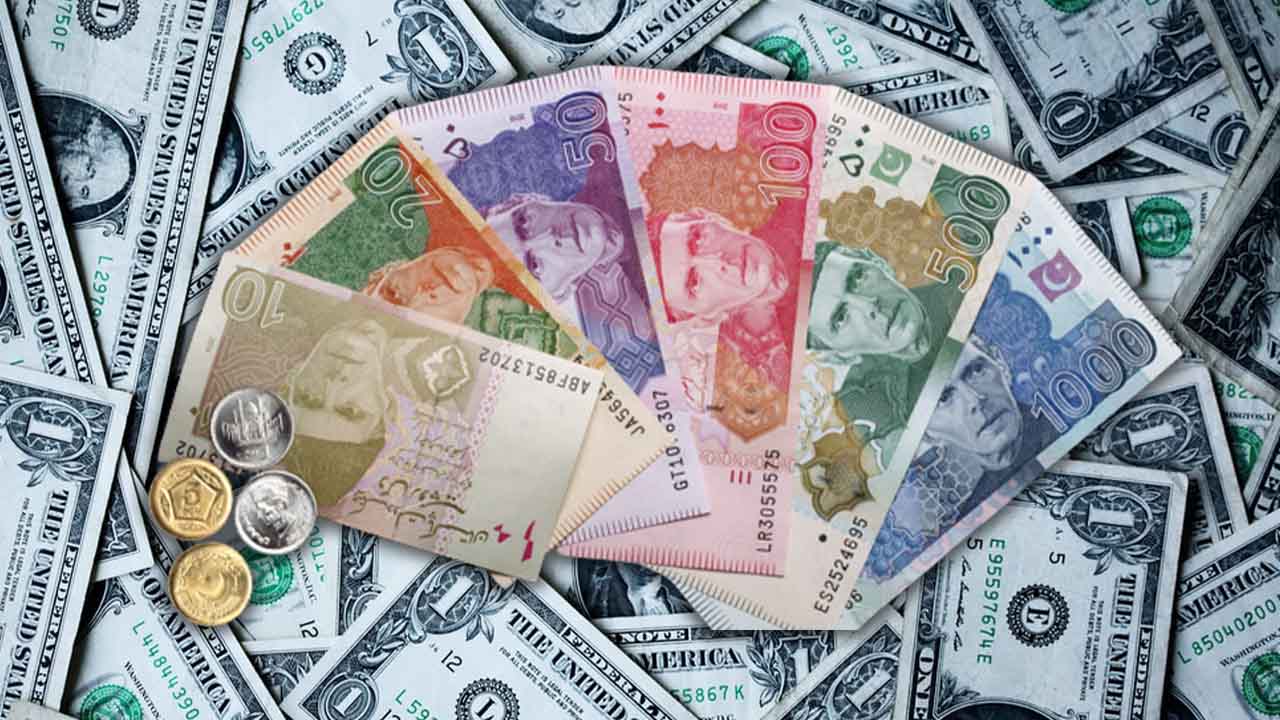
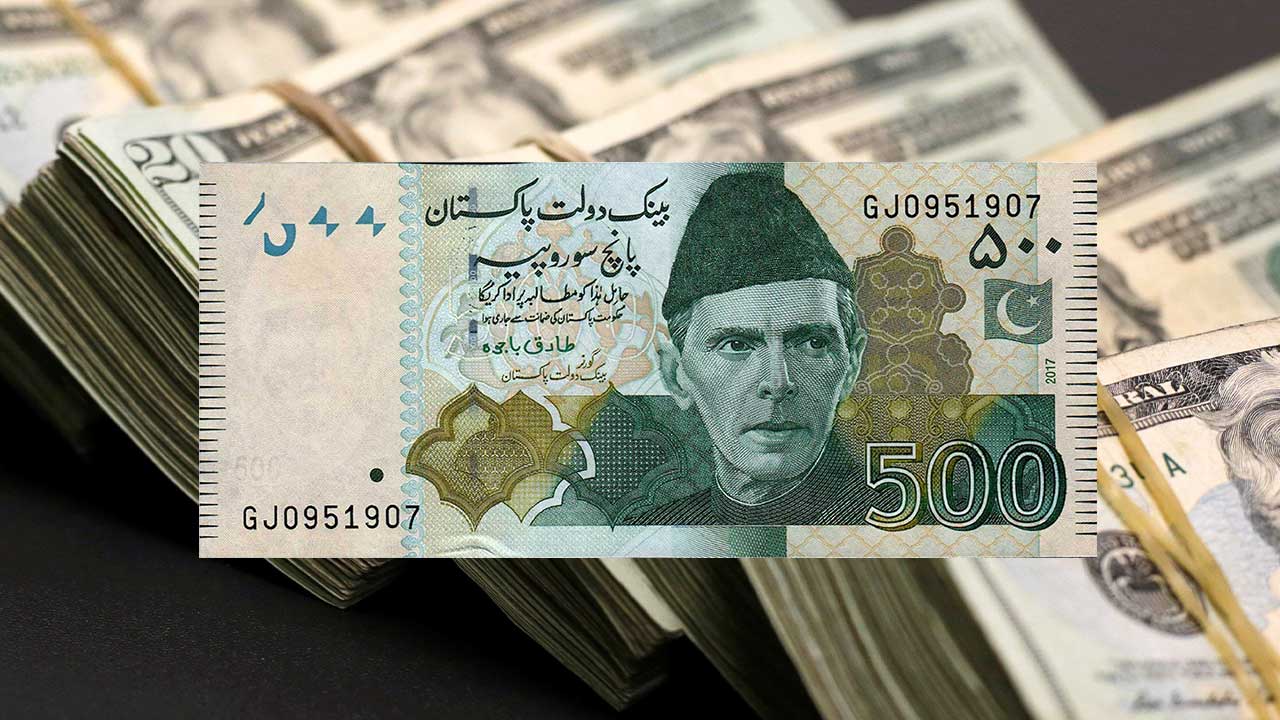
    Strangely, the Pakistani rupee (PKR) did not increase or decrease at the time of closing on Tuesday. The PKR’s closing rate was Rs223.95 and showed no change from its previous closing rate of Rs223.95.

    The local currency only declined by one paisa on Monday.

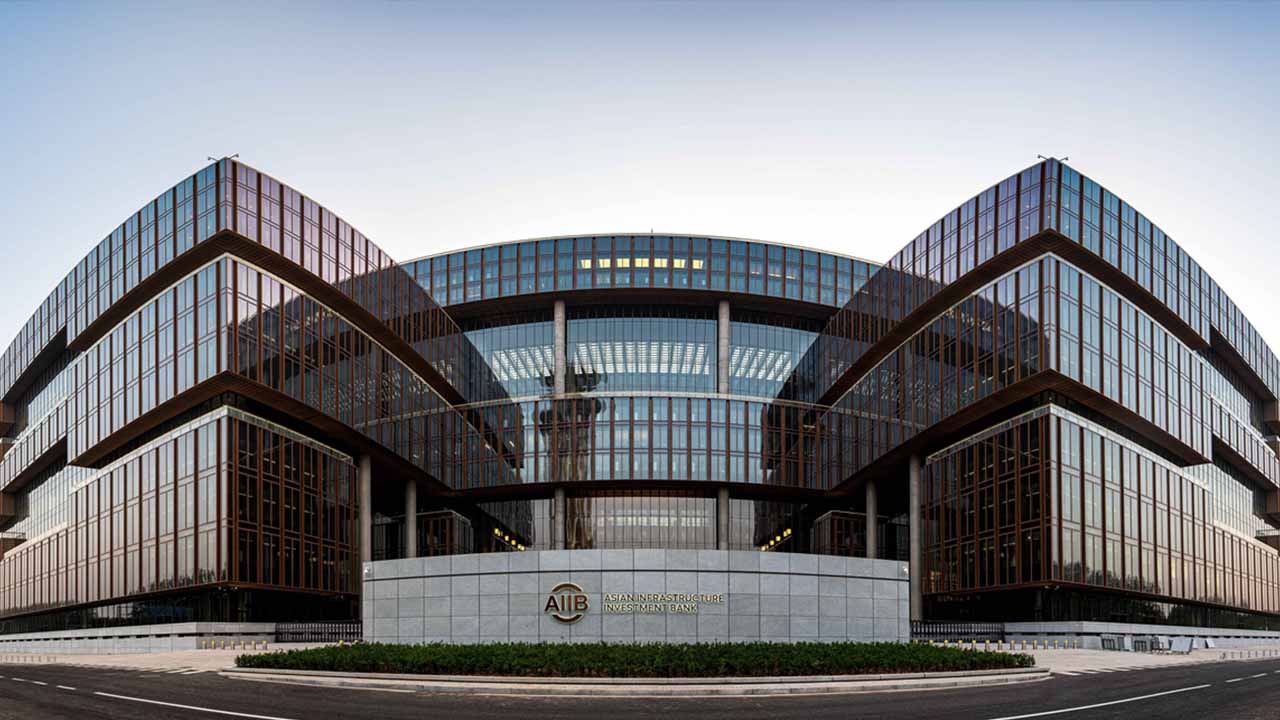
    After falling for four straight days, the rupee’s slide against the US dollar came to an end today. The market confidence was bolstered by the Finance Division’s earlier confirmation of receiving $500 million from the Asian Infrastructure Investment Bank (AIIB).

    What do Pakistanis think of the current dollar exchange rate?

    Some Twitter users claim that the government is controlling exchange rates, which will harm the economy in the long run since exporters are reluctant to accept payments made through banking channels and question why they should sell dollars to banks for less when the open market price is more than Rs250.

    The daily dollar rate announcement from SBP, according to a Twitter user, has lost all relevance because “the rate is controlled and not determined by market forces. The hefty difference between the interbank rate and the open market rate proves the point.”

  • Pakistan receives $500 million from Asian Infrastructure Investment Bank

    Pakistan receives $500 million from Asian Infrastructure Investment Bank

    The government of Pakistan on Tuesday received $500 million from Asian Infrastructure Investment Bank (AIIB), the Ministry of Finance announced on Tuesday.

    “Government of Pakistan has today received $500 million from AIIB. The funds are deposited with the State Bank of Pakistan (SBP) and will augment our reserves,” the ministry said.

    The funds by AIIB are crucial for the cash-strapped country, which has seen its foreign exchange reserves dwindle in recent months. The country’s reserves stood at $7.8 billion as of November 18.

    “During the week ended on November 18, 2022, SBP’s reserves decreased by $134 million to $7,825.7 million due to external debt repayment,” said the SBP on Friday.

    It is important to note that on October 26, 2022, the SBP got $1.5 billion from ADB as a loan disbursement for the government of Pakistan.

    An agreement between the ADB and Pakistan was inked last month to offer a $1.5 billion loan for budgetary support as well as assistance with flood-related repair and reconstruction efforts.

    The government’s $2.3 billion countercyclical development spending programme, created to lessen the effects of external shocks like the Russian invasion of Ukraine, was funded in part by a loan issued under the BRACE Program.

  • Pakistan will pay back $1 billion international bond 3 days before its due date: SBP governor

    Pakistan will pay back $1 billion international bond 3 days before its due date: SBP governor

    State Bank of Pakistan (SBP) Governor Jameel Ahmad said on Friday that Pakistan will pay back a $1 billion international Sukuk bond three days before its due date of December 5, 2022.

    Given that Pakistan is recovering from terrible floods that claimed more than 1,700 lives and experiencing an economic crisis, there has been rising concern about its capacity to satisfy its obligations for external finance.

    SBP Governor stated during a briefing that the bond repayment, which expires on December 5, totals $1.08 billion.

    In order to guarantee that the repayment would not have an impact on foreign exchange reserves, Jameel noted that finance had been arranged from both international and bilateral sources. Next week on Tuesday, the Asian Infrastructure Investment Bank was anticipated to make an immediate infusion of $500 million, he added.

    As of November 18, Pakistan’s reserves at the central bank were just $7.8 billion, which is not enough to pay for a month’s worth of imports.

    However, Jameel stressed that he was optimistic the reserve number will be “far higher” by the end of the financial year in June 2023. Reserve levels will rely on the continuous realisation of anticipated inflows and the rollover of loans from friendly nations.

    He stated at the briefing that he anticipates that the inflows from foreign lenders would allow him to meet his external finance needs on schedule. Despite payments of $1.8 billion in November, he emphasised that reserves were steady.

    The early completion of Pakistan’s flood recovery plan, according to the International Monetary Fund (IMF), is crucial for negotiations and ongoing financial assistance from multilateral and bilateral partners.

    Pakistan is now enrolled in an IMF bailout programme, which it joined in 2019. Despite the fact that Pakistan is fighting a full-blown economic crisis with decades-high inflation and limited reserves, a fixed date for the ninth review to release much-needed cash is still pending.

  • Pakistan’s current account deficit decreases by 68% due to marginal increase in exports

    According to statistics provided by the State Bank of Pakistan (SBP) on Monday, the current account deficit decreased 68.13 per cent year over year to $0.57 billion in October.

    In comparison to September, when it stood at $0.36 billion, the deficit jumped by 56.2 per cent, reaching its highest level since April 2021.

    According to the figures, the deficit for the first four months of the current fiscal year was $2.8 billion, down 46.82 per cent from $5.3 billion from July to October 2021.

    According to the central bank, “continued import drop helped improve the current account imbalance.”

    When compared to the same quarter in FY22, imports fell by $2.7 billion (11.6 per cent) and exports increased by $0.2 billion (2.6 per cent).

    The current account deficit increased month over month despite a remark made last week by Finance Minister Ishaq Dar that it was anticipated to be below $0.4 billion.

    Dar said that the deficit was being closely watched, managed, and handled for the good of the nation.

    “The current account deficit was at $316m in September and expected to be below $400m in October,” he said, adding, “If this continues at the same pace, it will be around $5-6bn for the year, (while) the projected was $12bn.”

    The deficit was not at a worrying level, the finance minister stressed.

    Pakistan had a huge current account deficit of $17.3 billion, or an average of $1.44 billion per month, in the preceding fiscal year.

  • Pakistani rupee depreciates for the 5th day in a row, settles at Rs222.67

    Pakistani rupee depreciates for the 5th day in a row, settles at Rs222.67

    The Pakistani rupee (PKR) lost 0.12 per cent on Thursday in the inter-bank market, continuing its downward trend against the US dollar.

    The rupee dropped by Rs0.26 and ended the day at Rs222.67. The rupee has decreased by Rs1.25, or 0.56 per cent, over the last five trading sessions.

    PKR continued to lose value against the US dollar on Wednesday, falling Rs0.50 (0.22 per cent) to settle at Rs222.41.

    In a significant breakthrough on Wednesday, the State Bank of Pakistan (SBP) promised the Standing Committee on Finance of the National Assembly that action would be taken against banks by the end of the month for allegedly overcharging importers when establishing Letters of Credit.

    The SBP informed the banks in person about the practise and counselled them to rationalise the margins they were charging customers, according to information provided to the committee.

    Additionally, Pakistan’s external debt and liabilities reduced by $3.282 billion from $130.196 billion as of June 30, 2022, to $126.914 billion at the end of September 2022.

    The dollar recovered globally on Thursday as strong US retail data challenged the recent narrative that inflation is declining and US interest rates do not need to increase significantly more.

    The US reported overnight that retail sales increased 1.3 per cent in October, exceeding economists’ expectations of 1.0 per cent, a positive sign but one that dashed expectations for a pause in rate increases.

    The dollar index, which compares the value of the dollar to six important peers, increased 0.18 per cent to 106.46.

    A key indicator of currency parity, oil prices fell on Thursday due to easing geopolitical tensions and worries about Chinese demand, though signs of tighter supply, such as lower US inventories, provided support.

  • SBP reduces cash-carrying limits by 50% for international travel

    SBP reduces cash-carrying limits by 50% for international travel

    The State Bank of Pakistan (SBP) said in a statement that the cash-carrying limitations on foreign currency for international travel have been cut in half to $5,000 (or equivalent in other foreign currencies) each visit and $30,000 per year for individuals aged 18 and over.

    Under-18s (minors) will be subject to a 50 per cent reduction in both ceilings, or $2,500 per visit and $15,000 per year.

    The cap on withdrawing foreign currency in cash, however, will continue to be $1,000 per visit and $6,000 per year for visitors to Afghanistan.

    Now, overseas debit and credit card transactions are also subject to the same annual cap ($30,000).

    To curb speculation and the grey market, the SBP and the Federal Investigation Agency (FIA) have independently decided to work together against illegal foreign exchange businesses.

    The yearly trip cash limits, according to the central bank, won’t take effect until January 1, 2023, but the per-visit limits will be effective right away.

    A $30,000 yearly restriction on overseas transactions was also imposed by the SBP after it discovered that debit and credit cards were being used for transactions that “are not linked with the profile of the individual or are meant for commercial purpose.”

    SBP advised banks to “ensure that the use of debit and credit cards for international transactions was aligned with the profile of cardholders and for their personal needs only”.

    “It is emphasised that the purpose of debit/credit cards is to facilitate individuals in making payments for transactions that are of personal nature. The limits on these cards as well as payments through them, both domestic and international, should therefore be aligned with the profile of the cardholder,” it said.

    It continued by stating that it was the customer’s duty to make sure that their annual quota was never exceeded. However, banks are required to track these caps for every person on a combined basis.

  • Pakistan’s total liquid foreign reserves increases to $14.68 billion

    Pakistan’s total liquid foreign reserves increases to $14.68 billion

    The Asian Development Bank (ADB) contributed to an increase of $1.517 billion in Pakistan’s foreign exchange reserves during the week ending October 28 to bring them to $14.679 billion, the central bank reported on Thursday.

    The State Bank of Pakistan’s foreign exchange holdings increased by $1.473 billion to $8.912 billion.

    “This increase is attributed to the receipt of US$ 1,500 million from ADB,” the SBP said in a statement.

    The SBP has enough reserves to cover imports for 1.29 months. Additionally, commercial bank reserves increased by $44 million to $5.766 billion.

    When the government is dealing with a balance of payments issue, the increase in foreign reserves is encouraging for the nation’s finances. At least $30 billion has been lost as a result of the country’s devastating floods this summer.

    A $500 million deal between Pakistan and the World Bank has been signed. The $200 million investment will be used to support an agricultural transformation project in Punjab.

    According to The News, another project in Khyber Pakhtunkhwa for $300 million in climate change projects will be funded by the World Bank.

  • Pakistani rupee drops by 0.35% to close at Rs221.43 versus dollar

    Pakistani rupee drops by 0.35% to close at Rs221.43 versus dollar

    As investors await the US Federal Reserve’s decision on the policy rate, the Pakistani rupee (PKR) depreciated by 0.35 per cent against the greenback on Wednesday.

    According to the State Bank of Pakistan (SBP), the local unit appreciated by Rs0.78 and ended the day at Rs221.43.

    The Pakistani rupee enjoyed gains against the US dollar on Tuesday, and it ended the day at Rs220.65 after rising by Rs0.24 (or 0.11 per cent) in the interbank market.

    Gains were recorded when market confidence improved as a result of discussions held by Finance Minister Ishaq Dar with senior bank and exchange company executives.

    However, in a significant development, according to the most recent data released by the Pakistan Bureau of Statistics (PBS) on Tuesday, consumer price index (CPI)-based inflation increased to 26.6 per cent on an annual basis in October 2022 as opposed to an increase of 23.2 per cent in the previous month and 9.2 per cent in October 2021.

    Globally, the US dollar slipped on Wednesday as investors awaited the US Federal Reserve’s policy decision amid speculation it might indicate a slowdown in future rate hikes. The central bank will soon release its policy statement with investors widely expecting a 75 basis points (bps) rate hike, the fourth such increase in a row.

    The dollar index – which gauges the greenback against a basket of six counterparts that includes the yen, euro and sterling – eased 0.2 per cent to 111.28, but was not far below Tuesday’s high of 111.78, the strongest level since October 25. The index has fluctuated widely around the 112 level since its retreat from a two-decade high of 114.78 at the end of September.

    Oil prices, a crucial gauge of currency parity, increased on Wednesday after data from the sector revealed a surprising decline in US oil supplies, indicating that demand is still strong despite sharp interest rate increases that are slowing down global development.

  • Ishaq Dar leaves for US to attend annual IMF, World Bank meetings

    Ishaq Dar leaves for US to attend annual IMF, World Bank meetings

    The Federal Minister of Finance and Revenue Ishaq Dar would ask the World Bank (WB) for an early release of cash and the International Monetary Fund (IMF) to relax the program’s rules.

    Alongside the annual meeting, Ishaq Dar will meet representatives from the IMF and WB. He will also meet representatives of the global rating agency Moody’s and the IMF to examine the state of the economy and the loan programme.

    According to Dawn, the discussions will also include participation from the Finance Secretary and the Governor of the State Bank of Pakistan (SBP).

    At a press conference on Saturday, the minister firmly denied rumours that he will visit the Paris Club to reschedule loans from multilateral lenders and donor organisations.

    The minister added that they had complied with the report of the most recent Moody’s credit rating in a hurry and that the ministry had provided its response in a press release.

    The Prime Minister met with representatives from the World Bank and the International Monetary Fund last month on the UN sidelines to review the current flood situation and request relief in the programme terms, which they pledged to take favourably.