Category: Business

  • Life-saving medicines in Pakistan to become 14% more expensive

    Life-saving medicines in Pakistan to become 14% more expensive

    The Drug Regulatory Authority of Pakistan (DRAP) has announced an increase of up to 14 per cent in the prices of life-saving medicines, following approval from the federal government.

    According to ARY News, DRAP stated that life-saving drugs will experience a 14 per cent hike, while all other medicines will see a 20 per cent increase.

    The regulatory authority clarified that these price adjustments are considered a one-time dispensation, in line with the 70 per cent rise in the consumer price index (CPI). This increase will be regarded as the annual raise for the fiscal year 2023-24, with no further increments in the upcoming financial year.

    The DRAP’s Policy Board will evaluate the situation after three months, specifically in July 2023, and submit recommendations to the federal government for potential price reductions, should the Rupee appreciate in value.

    The Economic Advisory Committee had already endorsed the price hike, taking into account the escalating fuel prices and the devaluation of the Rupee, which have contributed to record-high inflation in recent months, impacting various sectors of the economy.

    Earlier reports indicated a 0.16 per cent year-on-year decrease in weekly inflation, as measured by the Sensitive Price Indicator (SPI), for the week ending on May 18. However, short-term inflation surged to an unprecedented 48.35 per cent for the period ending on May 4.

    The Pakistan Bureau of Statistics (PBS) released data indicating a combined index of 255.12, compared to 255.53 on May 11, 2023. In contrast, the index stood at 175.08 a year ago, on May 19, 2022.

  • Weekly inflation in Pakistan remains stubbornly high at 45.72%

    Weekly inflation in Pakistan remains stubbornly high at 45.72%

    Despite coming down marginally, weekly inflation remains above 45 per cent and stood at 45.72 per cent on a year-on-year (YoY) basis for the week ended on 18th May 2023, showed data released by the Pakistan Bureau of Statistics (PSB) on Friday.

    The Sensitive Price Indicator (SPI) based inflation for the week ended 11th May 2023, recorded a decrease of 0.16 per cent over the previous week due to a decrease in the prices of food and non-food items.

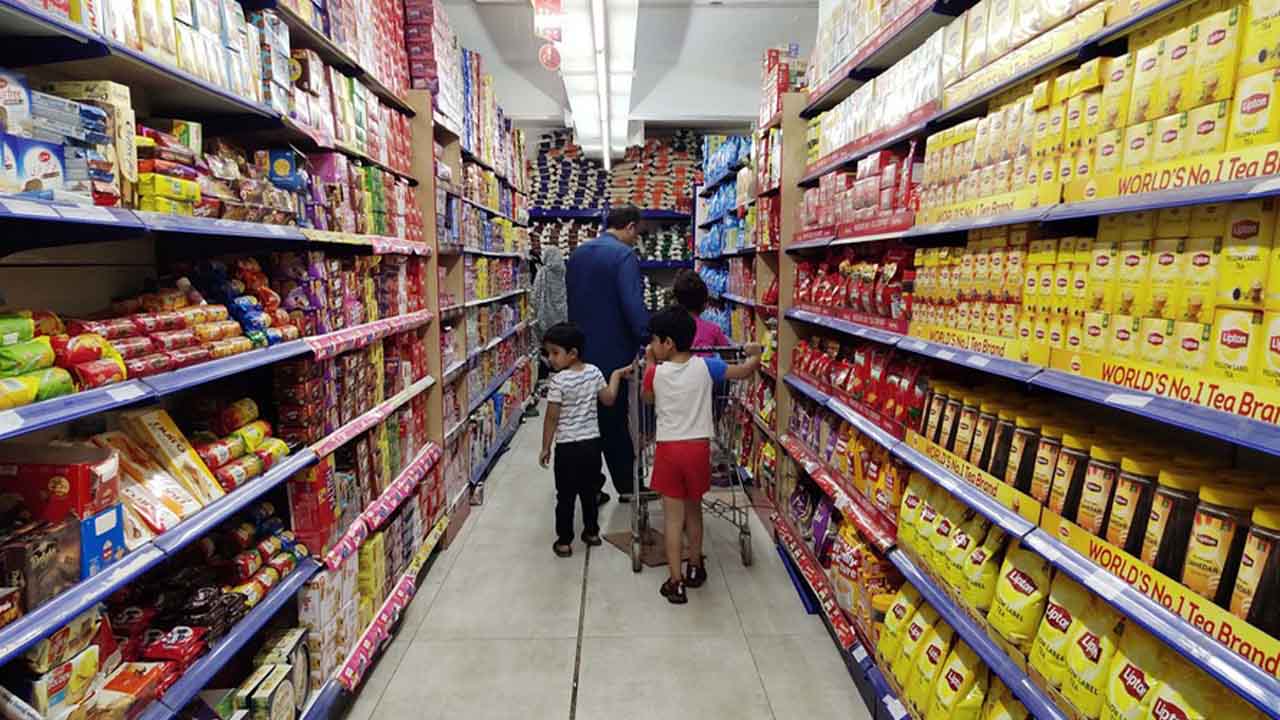
    The year-on-year trend posted an increase due to an increase in the prices of Cigarettes (138.50 per cent), Tea Lipton (114.93 per cent), Potatoes (114.69 per cent), Gas Charges for Q1 (108.38 per cent), Bananas (104.44 per cent), Gents Sponge Chappal (100.33 per cent), Wheat Flour (90.77 per cent), Rice Basmati Broken (86.30 per cent), Eggs (85.86 per cent), Rice Irri-6/9 (80.44 per cent), Petrol (79.85 per cent), Diesel (78.68 per cent), Pulse Moong (66.79 per cent), Bread (63.17 per cent), and Pulse Mash (57.06 per cent), while a decrease was observed in the prices of Tomatoes (38.30 per cent), Onions (30.18 per cent), and Chilies Powdered (6.48 per cent).

    A decrease was observed in the prices of food items: Onions (9.04 per cent), Garlic (1.76 per cent), Sugar (1.42 per cent), Wheat Flour (1.40 per cent), Vegetable Ghee 2.5kg (0.63 per cent), Mustard Oil (0.48 per cent), Pulse Masoor (0.40 per cent), Pulse Gram (0.12 per cent), and Vegetable Ghee 1kg (0.11 per cent); and non-food items: Diesel (10.38 per cent), Petrol (4.24 per cent), LPG (3.02 per cent), and Firewood (0.89 per cent).

    On the other hand, an increase was observed in the prices of Chicken (7.51 per cent), Tea Lipton (4.53 per cent), Gur (2.79 per cent), Eggs (2.29 per cent), Energy Saver (2.22 per cent), Tomatoes (2.11 per cent), Tea Prepared (1.09 per cent), and Curd (1.08 per cent).

    During the week, out of 51 items, prices of 23 (45.10 per cent) items increased, 13 (25.49 per cent) items decreased, and 15 (29.41 per cent) items remained stable.

  • Pakistan’s forex reserves decline to $4.31 billion, covering less than a month’s worth of imports

    Pakistan’s forex reserves decline to $4.31 billion, covering less than a month’s worth of imports

    The State Bank of Pakistan (SBP) has experienced a continuous decline in foreign exchange reserves for the third consecutive week. This decline is attributed to the country’s ongoing struggle to secure a deal with the International Monetary Fund (IMF).

    The central bank’s statement indicates that the reserves decreased by $72 million to reach $4.31 billion as of May 12, primarily due to external debt payments. This amount is sufficient for less than a month’s worth of imports.

    In contrast, commercial banks in Pakistan hold net foreign reserves amounting to $5.62 billion, which is $1.01 billion higher than the central bank’s reserves. Therefore, the country’s total liquid foreign reserves amount to $9.93 billion.

    Pakistan’s economy is currently facing significant challenges, exacerbated by financial difficulties and the delay in reaching an agreement with the IMF. Such an agreement is crucial as it would provide much-needed funding to mitigate the risk of default.

    Earlier, on May 11, the State Bank of Pakistan (SBP) witnessed a decline of $74 million in foreign exchange reserves within a week, resulting in reserves amounting to $4.38 billion. Additionally, commercial banks held net foreign reserves of $5.6 billion.

    Reports indicate that the IMF remains skeptical and is urging Islamabad to take further actions to unlock the loan program, despite assurances from friendly countries regarding external funds for Pakistan.

    Pakistan has been asked to present a repayment plan for a $3.7 billion loan to the IMF in June and demonstrate stronger support from friendly nations to fulfill its commitments.

  • Currency crisis alert: Pakistani rupee could drop to Rs350 against dollar without IMF assistance

    Currency crisis alert: Pakistani rupee could drop to Rs350 against dollar without IMF assistance

    The Pakistani rupee is poised to face a significant downfall, with expectations that it may plummet to as low as Rs350 against the US dollar. This alarming projection has raised concerns among stakeholders, as the weakening currency is anticipated to have far-reaching implications, particularly in terms of inflationary pressures that will disproportionately affect the lower and middle classes.

    According to Geo, the steep devaluation of the rupee, which has already lost approximately 20 per cent of its value this year, positions it among the worst-performing currencies worldwide.

    Experts, including economists Ankur Shukla and Abhishek Gupta, attribute this weakness to a range of factors. Capital flight from Pakistan is intensifying due to the growing apprehension that the International Monetary Fund (IMF) may not provide the much-needed bailout required to prevent a fiscal default in the upcoming fiscal year commencing in July.

    The delay in receiving aid, which has been stalled since November, is suspected to be linked to political unrest, further exacerbating the rupee’s decline. The country’s leadership has been plagued by instability since the removal of Imran Khan, Chairman of Pakistan Tehreek-e-Insaf (PTI), through a no-confidence motion vote in April last year.

    Khan’s recent arrest has heightened tensions between him, the government, and the military. Following his imprisonment, the rupee experienced a sharp drop to a record low of 299 per dollar, only to partially recover and stabilize at 285 after his release.

    Multiple experts are warning of an imminent massive drop in the rupee, with some analysts even foreseeing a further 20 per cent depreciation. The currency’s future trajectory heavily depends on the ongoing clashes between Khan and the government, as well as the IMF’s decision regarding financial assistance.

    Adil Ghaffar, CEO at Premier Financial Services Pvt in Karachi, concurs, stating that failure to secure the loan could lead to a slump in the rupee’s value to Rs350 per dollar in June. Market sentiment remains precarious, and economists such as Farooq Pasha highlight the persistent uncertainty surrounding the rupee’s path.

    In the near term, politics will continue to pose a key risk until the elections. The bond market has also been adversely affected, with bond investors growing increasingly nervous as the spread between Pakistan’s dollar bonds and US Treasuries reached a record high of over 35 per cent this month.

    With the looming prospect of the rupee’s significant decline, the economic landscape of Pakistan hangs in a precarious balance.

  • Majority of Pakistanis can’t make ends meet on current income, survey finds

    Majority of Pakistanis can’t make ends meet on current income, survey finds

    In a recent consumer-based study conducted by Pulse Consultant in Pakistan, concerning findings have emerged regarding the financial state of individuals across the country. The study, which encompassed 1,180+ respondents from the top 10 cities of Pakistan, aimed to understand the ability of individuals to meet their monthly expenses in relation to their current income. The results shed light on the economic challenges faced by a significant portion of the population.

    The study revealed that a staggering 60 per cent of respondents reported an inability to fulfill their monthly expenses with their existing income. This indicates a considerable strain on individuals’ finances, leading them to struggle to cover their essential needs. Among these respondents, both male and female participants voiced similar concerns, with 59 per cent of males and 68 per cent of females expressing difficulties in meeting their expenses.

    On the other hand, 40 per cent of the respondents claimed that their current income adequately covered their expenses. However, further analysis of this group revealed some noteworthy insights. Of those who reported their expenses were being met, only 28 per cent claimed to save money from their current income, while the remaining 72 per cent stated that they were unable to save any funds. Interestingly, female respondents seemed to face greater challenges in saving money, with 82 per cent of them reporting an inability to do so, compared to 71 per cent of their male counterparts.

    Among the 60 per cent of respondents who struggled to meet their expenses, several coping mechanisms emerged. For 37 per cent of them, borrowing money became a necessity to bridge the financial gap. Notably, a higher proportion of males (39 per cent) resorted to borrowing, compared to females (29 per cent).

    Additionally, 22 per cent of those facing financial difficulties reported engaging in additional part-time employment to supplement their income. This was more prevalent among males (39 per cent) who often bore the responsibility of supporting their families financially, compared to females (29 per cent).

    Moreover, 40 per cent of respondents stated that reducing expenditures became their only viable option. Nearly half of the women (46 per cent) reported resorting to this measure, while 38 per cent of men followed suit.

    The study’s findings paint a concerning picture of the financial landscape in Pakistan, with a significant portion of the population struggling to make ends meet. The inability to meet monthly expenses can lead to increased financial stress, limited access to basic necessities, and hindered economic growth for individuals and the nation as a whole.

    Addressing these challenges will require comprehensive efforts from both the government and private sector. Policymakers should focus on initiatives that promote economic growth, job creation, and income equality. Additionally, there is a need for financial literacy programs to empower individuals with the knowledge and skills necessary to manage their finances effectively and make informed decisions.

    Furthermore, it is crucial for employers to offer fair wages and employment opportunities that align with the needs of the population. By providing stable jobs and suitable remuneration, individuals can have a better chance of meeting their expenses and improving their overall financial well-being.

    Ultimately, the findings of this consumer-based study highlight the pressing need to address the financial struggles faced by a significant portion of the Pakistani population. Through concerted efforts and targeted interventions, it is possible to alleviate the burden of financial hardship and foster a more financially inclusive and prosperous society for all.

  • Pakistan reaffirms commitment to $6.5 billion IMF bailout, dismissing rumors of retraction

    Pakistan reaffirms commitment to $6.5 billion IMF bailout, dismissing rumors of retraction

    On Wednesday, Minister of State for Finance and Revenue, Dr Aisha Ghaus Pasha, dismissed rumours of Pakistan retracting from the anticipated $6.5 billion bailout programme with the International Monetary Fund (IMF).

    According to Geo, Pasha clarified that discussions were ongoing between the Federal Board of Revenue (FBR) and the Finance Division, emphasising that Pakistan remained engaged with the IMF. Speculation arose when reports suggested that Pakistan had taken a firm stance against the IMF and refused to share details of the upcoming budget.

    This led to concerns that the financially strained nation was reneging on the deal originally agreed upon by the Imran Khan-led Pakistan Tehreek-e-Insaf (PTI) government.

    Pasha expressed the government’s commitment to continuing the IMF programme, acknowledging the political sacrifices made by the coalition government to meet the Fund’s conditions. Negotiations with the IMF have been aimed at restarting the $6.5 billion bailout programme, which is crucial for Pakistan to avert default.

    During a meeting with journalists after the Senate Standing Committee on Finance, Pasha revealed that the coalition government would present its second budget in the first week of June, marking the second year since assuming power in April. The Finance Bill 2023-24 is scheduled to be presented in the National Assembly on June 9, while the Economic Survey 2022-23 will be released on June 8, according to sources.

    Assuring the public during the briefing, Pasha affirmed that the government would strive to alleviate the burden on the masses amidst these challenging times, as the budget figures were being finalized. However, she cautioned that the situation would remain difficult until the tax-to-GDP ratio reached double digits, emphasizing the necessity of expanding the tax base.

    The state minister disclosed the Ministry of Finance’s plan to transition from indirect taxes to direct taxes, stating that such a shift would reduce the burden on the general population. She reiterated the government’s intention to introduce direct taxes in the upcoming budget for the fiscal year 2023-24, expressing concern over the negative impact of tax concessions on the economy.

    Meanwhile, FBR Chairman Asim Ahmed briefed the committee on the capital value tax, disclosing that the revenue generated from this tax during the current financial year amounted to Rs9 billion.

    Addressing the concerns of senators regarding the implementation of capital valuation tax on domestic and foreign assets, Ahmed clarified that this measure aimed to include the wealthier individuals in the tax net. He also noted that the revenue board was registering new individuals with foreign assets while maintaining records of those already registered.

  • Pakistan suspends cryptocurrency services to combat illegal transactions

    Pakistan suspends cryptocurrency services to combat illegal transactions

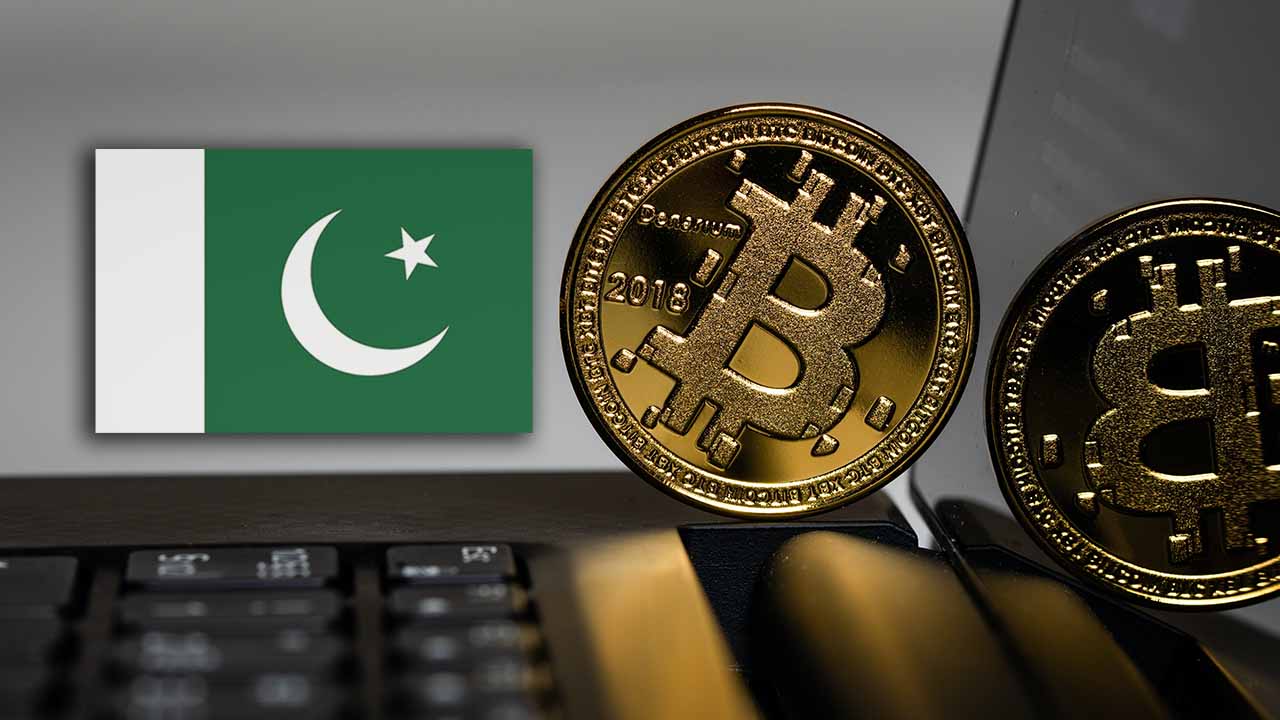
    The Pakistani government announced on Wednesday that it will suspend cryptocurrency services provided over the internet in the country in order to prevent illicit digital currency transactions.

    According to Geo, the State Bank of Pakistan (SBP) and the Ministry of Information Technology have already begun the process of prohibiting cryptocurrencies, complying with the directives.

    During a briefing to the Senate Standing Committee on Finance, Dr Aisha Ghaus Pasha, the Minister of State for Finance and Revenue, emphasised that cryptocurrency will never be legalised in Pakistan.

    She revealed that the Financial Action Task Force (FATF) has imposed restrictions on the matter, stating that the condition set by FATF is that cryptocurrency will not be legalised.

    Supporting Pasha’s stance, Sohail Jawad, the Director of SBP, stated that crypto transactions carry high risks and will therefore never be granted permission in Pakistan. He explained that cryptocurrency is a virtual currency with over 16,000 types currently in existence. Additionally, he mentioned that the market, which was valued at $2.8 trillion, has now shrunk to $1.2 trillion.

    Senator Saleem Mandviwalla from the Pakistan Peoples’ Party (PPP) expressed concerns over the billions of dollars invested in the market. In response, the SBP official reassured him by mentioning that the Federal Investigation Agency (FIA) and the Financial Monitoring Unit (FMU), a financial intelligence unit aiding Pakistan in combating terrorism financing and money laundering, are actively addressing these concerns.

    Pakistan has witnessed a surge in cryptocurrency trading and mining, as evidenced by the growing interest in related social media videos and online exchange transactions.

    Although the government had previously banned trading and mining of virtual currencies in April 2018, cryptocurrency mining continues to thrive in the country, despite the closure of several mining farms.

    Most exchanges operate discreetly through undisclosed partners, evading regulatory oversight. Nevertheless, the government persists in its efforts to curtail crypto trading activities.

  • Pakistan’s current account records $18 million surplus in April due to import reductions

    Pakistan’s current account records $18 million surplus in April due to import reductions

    Pakistan’s current account recorded a surplus for the second consecutive month in April, with analysts attributing this development to a reduction in imports resulting from administrative measures.

    Data released by the State Bank of Pakistan (SBP) on Tuesday revealed that the country achieved a surplus of $18 million this month, compared to a current account deficit of $640 million last year. The current account had previously attained a surplus in March for the first time since November 2020, reaching $654 million, the highest since February 2015.

    According to experts, April’s current account surplus was lower than expected due to the SBP’s clearance of an import backlog.

    Overall, during the ten months of the current fiscal year, the current account deficit amounted to $3.25 billion, marking a 76 per cent decline compared to $13.65 billion for the same period last year.

    According to the SBP data, the import of goods experienced a 38 per cent year-on-year decrease, amounting to $3.7 billion in April. In contrast, exports also fell by 33 per cent to $2.11 billion.

    Furthermore, remittances declined by 29 per cent to $2.2 billion.

    The current account has achieved a surplus for two months, primarily due to the containment of imports through administrative measures.

    According to Geo, the decrease in imports has led to a slowdown in large-scale manufacturing in the country, impacting overall activity levels in sectors like services and trade.

  • Pakistan commits to 4% annual profit on $2 billion deposit from Saudi Arabia

    Pakistan commits to 4% annual profit on $2 billion deposit from Saudi Arabia

    According to reliable sources, Pakistan has agreed to pay an annual profit of four per cent to Saudi Arabia on a deposit of $2 billion with the State Bank of Pakistan (SBP) for a duration of one year.

    This decision was made to fulfill one of the prerequisites set by the International Monetary Fund (IMF), which demanded that Pakistan secure external funding of approximately $6 billion, according to Brecorder.

    Additionally, the United Arab Emirates (UAE) has also confirmed to the IMF that it will deposit $1 billion with the State Bank of Pakistan.

    On May 10, 2023, the Finance Division presented an additional agenda item to the Federal Cabinet, informing them that the Kingdom of Saudi Arabia, through its Ministry of Finance, had agreed to deposit $2 billion with the State Bank of Pakistan for a one-year period. The proposed annual profit rate was set at 4 per cent.

    The draft Deposit Agreement, provided by the Saudi side, was sent to the Ministry of Law and Justice and the Office of the Attorney General for Pakistan for examination and clearance in accordance with the Cabinet’s decision on May 14, 2019.

    Upon approval by the Federal Cabinet, the Finance Division of the Government of Pakistan will authorize the State Bank of Pakistan to proceed with the Deposit Agreement. The Ministry of Law and Justice has given its clearance to the draft

    Agreement, subject to the completion of all necessary formalities, while the Federal Board of Revenue (FBR) has granted its approval for tax exemption.

  • IT minister denies involvement in internet suspension resulting in billion-rupee losses

    IT minister denies involvement in internet suspension resulting in billion-rupee losses

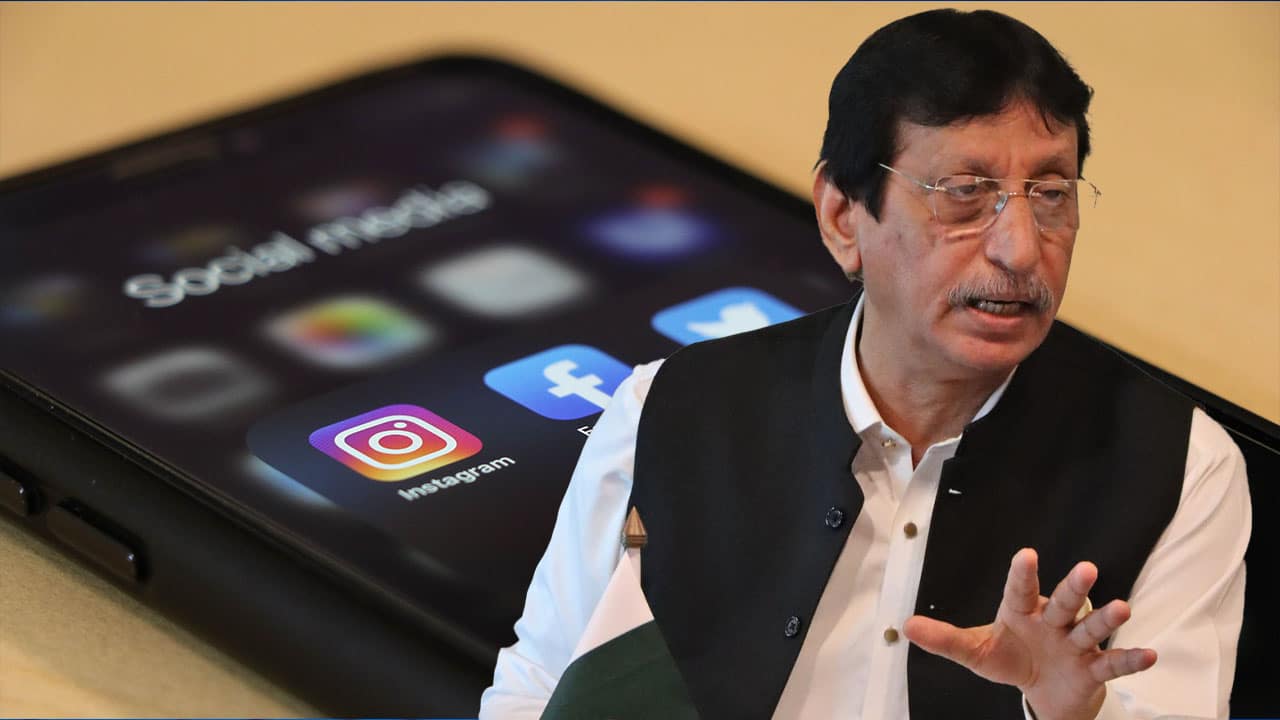
    Following the internet blackout in Pakistan, Federal Minister for Information Technology and Telecommunication Syed Amin-ul-Haque distanced his ministry from the blockage, stating that they were not taken into confidence.

    According to Geo, Haque revealed that mobile internet services were suspended without the Ministry of IT’s consultation. Since 2017, the Pakistan Telecommunication Authority (PTA) has not been under the Ministry of IT, and the PTA has been operating independently.

    The minister explained that blocking social media websites or the internet was not the solution to any issue, and he urged people to be open-minded rather than resorting to using a VPN to access blocked sites.

    Haque suggested that instead of completely blocking the internet, it could be blocked in specific areas. He emphasized that the IT sector suffered losses of billions of rupees due to internet blockages.

    The suspension of mobile broadband and restricted access to Twitter, Facebook, and YouTube occurred after violent protests arose in response to the Rangers personnel arresting Pakistan Tehreek-e-Insaf (PTI) Chairman Imran Khan from the Islamabad High Court. At least ten people died, and dozens sustained injuries during the days-long protests.

    After almost a seven-day suspension, the government restored access to social media platforms such as Twitter, YouTube, and Facebook. The suspension was recommended by the interior ministry and is the longest continuous shutdown in a country that often suspends communication as a tool to quell unrest. Telecom operators suffered an approximate revenue loss of Rs820 million, which was a significant blow to the sector as the economy remained in a fragile state.

    Additionally, the government blocked major social media platforms, including Twitter and Facebook, while YouTube services were slower to control the spread of disinformation.