Category: Business

  • Mobile data service suspension to cost Pakistan’s IT industry $3-4 million in daily losses

    Mobile data service suspension to cost Pakistan’s IT industry $3-4 million in daily losses

    The suspension of mobile data services in Pakistan is expected to result in a daily loss of $3-4 million to the country’s IT exports.

    The Pakistan Software Houses Association (P@SHA) has called on the government to restore mobile broadband services, which have been suspended since Tuesday due to the political turmoil that erupted after the arrest of the PTI party’s chairman, Imran Khan.

    The government has blocked 3G/4G mobile broadband services and major social media platforms like Twitter and Facebook, as well as slowing down YouTube services to control the spread of “unwanted information” that could cause disinformation and panic among the masses.

    According to The News, Muhammad Zohaib Khan, the Chairman of P@SHA, warned that the suspension of mobile broadband services could result in significant losses for the IT industry, which relies heavily on internet connectivity.

    The IT industry has come to a standstill since Tuesday evening, and professionals are working from home due to the precarious law and order situation in the entire country. Zohaib urged the government to resume internet services to the IT industry immediately, saying that the sudden blockade of broadband services has completely halted IT operations, and the IT industry is already facing pressure due to poor governmental policies.

    Zohaib requested Prime Minister Shehbaz Sharif to intervene directly and asked for the support of the Ministry of IT and Telecom, Pakistan Software Export Board (PSEB), and Tech Destination Pakistan administrations to request the premier to issue categorical instructions.

    The suspension of mobile broadband services has also affected individuals who rely on digital apps for commuting or ordering/delivering food and other products. However, an official stated that it is difficult to calculate the losses at this stage.

  • Gold price increases to Rs240,000 per tola amid political turmoil and IMF loan delay

    Gold price increases to Rs240,000 per tola amid political turmoil and IMF loan delay

    On Wednesday, the price of gold surged massively in Pakistan due to political turmoil following the arrest of the former prime minister and Pakistan Tehreek-e-Insaf (PTI) Chairman, Imran Khan.

    According to the All Pakistan Sarafa Gems and Jewellers Association (APSGJA), the price of gold (24 carats) rose by Rs9,900 per tola and Rs8,487 per 10 grams to reach Rs240,000 and Rs205,761, respectively.

    However, there was no increase in the international market price, which remained at $2,031 per ounce. The primary reason for the increase in gold’s price is the latest political storm that has caused violent protests across the country and led to the army’s deployment in three provinces.

    People in Pakistan are purchasing gold to protect themselves against inflation and currency depreciation, as the economy is already in dire straits. Furthermore, the delay in the revival of the International Monetary Fund (IMF) program, which negatively impacts the currency market, is bolstering the demand for gold.

    According to Brecorder, the rupee also fell to a fresh low of Rs290.22 against the US dollar in the interbank market on Wednesday, after losing Rs5.38 or 1.89 per cent. The APSGJA also reported that the price of silver reached a new high, rising by Rs100 per tola and Rs85.75 per 10 grams to settle at Rs3,100 and Rs2,657.7, respectively.

  • Telecom operators, govt suffer major revenue losses due to mobile internet shutdown

    Telecom operators, govt suffer major revenue losses due to mobile internet shutdown

    According to reliable sources, the suspension of mobile broadband services has had a devastating impact on the economy in Pakistan. Telecom operators have incurred a revenue loss of approximately Rs820 million, while the government has lost around Rs287 million in tax revenue.

    The suspension has also caused significant losses for digital app users, such as Careem, InDrive, and FoodPanda, as well as brought digital payments to a halt. The situation has caused widespread inconvenience and hardship for the general public, necessitating the immediate attention of the relevant authorities to resume data services.

    Furthermore, social media platforms like Facebook and Twitter remained partially or fully suspended on the second day. Jazz CEO, Aamir Ibrahim, expressed his dissatisfaction through a tweet, emphasising that shutting down the internet is not a solution to any problem, but instead, it creates more problems than it solves. He stated that the impact on the economy is quantifiable, but the inconvenience to the people is incalculable.

    According to Brecorder, Muhammad Zohaib Khan, the Chairman of Pakistan Software Houses Association (P@SHA), strongly criticised the indiscriminate blockage of internet services in Pakistan due to the emergent political situation. He condemned the mindless and consultation-less decision and highlighted that the IT industry has come to a standstill since Tuesday evening.

  • Wheat prices soar in Lahore, hitting Rs5,100 per 40kg bag

    Wheat prices soar in Lahore, hitting Rs5,100 per 40kg bag

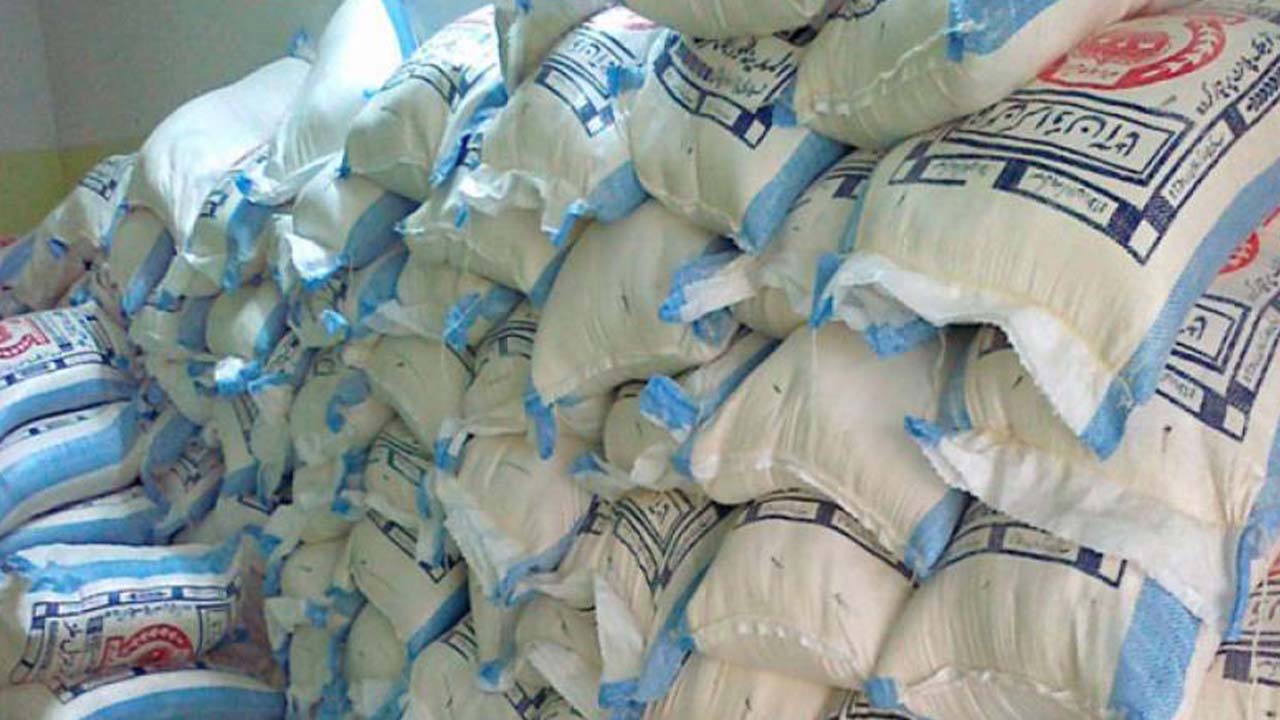
    In Lahore, the price of a 40kg bag of wheat has surged to Rs5,100, which is significantly higher than the government’s fixed rate of Rs3,900. The leader of the flour mills association has stated that the government’s rate is not being implemented in the market.

    As a result of the increase in wheat prices, the price of a 20kg bag of flour has risen to Rs2,750, as opposed to the government’s fixed rate of Rs2,316.

    The flour millers have explained that they are unable to sell the wheat at lower rates after procuring it at an exorbitant price from the open market.

    Last month, officials from the Punjab Food Department foiled an attempt to smuggle wheat and flour to Afghanistan. More than 70 containers loaded with wheat and flour were being smuggled to Afghanistan from Rawalpindi Motorway.

    During the inspection, district food authority officials seized 46 containers loaded with wheat and 16 containers of flour. The wheat and flour were being transported from Punjab to Afghanistan, despite a ban on wheat transportation from the province. The containers were sealed and 16 people were booked in connection with the incident.

  • Intraday update: Pakistani rupee plunges to historic low of Rs290 against dollar amid political turmoil

    Intraday update: Pakistani rupee plunges to historic low of Rs290 against dollar amid political turmoil

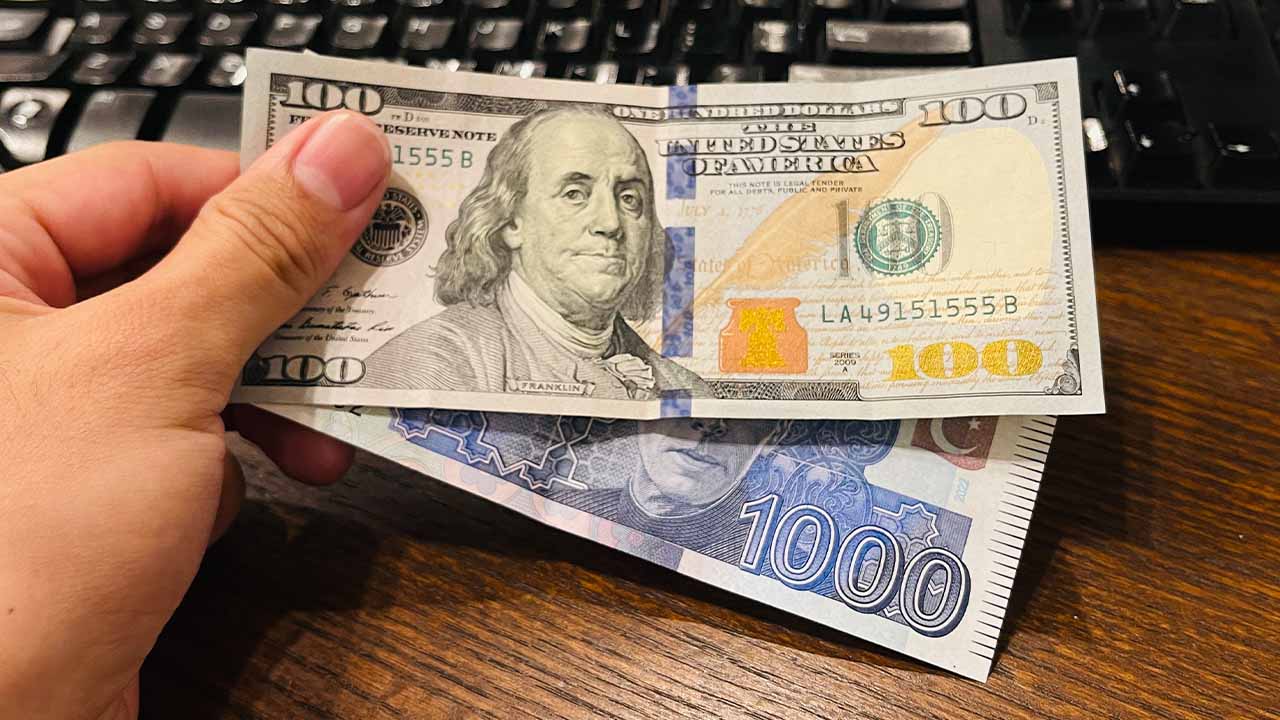
    On Wednesday, the Pakistani rupee (PKR) reached a historic low against the US dollar, falling to Rs290 during intraday trading at the interbank foreign exchange market. This decline is a major setback to Pakistan’s economy, as the rupee lost Rs5.16 in a single day compared to the previous day’s closing rate of Rs284.84.

    The previous record low of Rs288.43 was set in April. The sharp decline in the Pakistani rupee raises concerns about the country’s financial stability, and several factors have contributed to this depreciation.

    The arrest of former Prime Minister Imran Khan on corruption charges has led to increased uncertainty and added pressure on the Pakistani rupee. This political turmoil has negatively impacted investor confidence and the value of the local currency.

    Furthermore, the uncertain status of the International Monetary Fund (IMF) loan programme has further exacerbated the decline of the Pakistani rupee. Although the government had anticipated an installment of $1.2 billion under the Extended Fund Facility (EFF) program, delays in loan disbursement and recent developments in negotiations have raised concerns about Pakistan’s ability to meet its financial obligations. These doubts have put additional strain on the rupee’s value.

    Currency experts are closely monitoring these developments and expressing caution about the future outlook of the Pakistani rupee. The government must take decisive measures to stabilize the currency and restore investor confidence. This may involve implementing effective economic policies, addressing corruption concerns, and ensuring a more transparent and predictable investment environment.

    It is crucial for the Pakistani government to engage in constructive dialogue with the IMF to secure the much-needed loan program. Demonstrating a commitment to fiscal discipline, structural reforms, and good governance can potentially alleviate concerns surrounding the economy and enhance the rupee’s value in the international market.

    While the situation appears challenging, it is important to note that currency fluctuations are not unique to Pakistan. Several emerging economies have faced similar issues in recent years. The government’s response and its ability to address the underlying causes of the rupee’s depreciation will be critical.

  • Pakistan could default after June as country fails to meet some IMF conditions

    Pakistan could default after June as country fails to meet some IMF conditions

    Pakistan is in the midst of a balance of payment crisis, and the stakes are high. Without the financial aid of the International Monetary Fund (IMF), the country faces the prospect of defaulting on its external payment obligations.

    Unfortunately, reports say that the IMF is not convinced by the assurances given to them by Pakistan’s friendly countries.

    Officials of the finance ministry, speaking anonymously, have confirmed that Pakistan has fulfilled several conditions set by the lender for the revival of the loan facility, and the staff-level agreement on the ninth review was supposed to be signed by February 9.

    However, the delay in the IMF programme could have severe repercussions. The budget planning, which is expected to be tabled in the second week of June, is likely to be affected.

    Moody’s Investor Service has warned that Pakistan may default if it does not receive a bailout from the IMF as its financing options beyond June are uncertain.

    While Pakistan is expected to meet its external payments until the end of this fiscal year in June, its reserves are weak and without IMF support, it could default.

    Pakistan is struggling to restart a stalled $6.5 billion bailout programme from the IMF due to the government’s failure to meet some loan conditions, and political tensions ahead of elections are adding to the risk of a delay in the loan.

    An engagement with the IMF beyond June would support additional financing from other multilateral and bilateral partners, which could reduce default risk. Pakistan’s foreign-exchange reserves remain very low, standing at $4.5 billion, and sufficient to cover only about one month of imports.

    S&P Global Ratings estimates that Pakistan’s gross external financing needs as a proportion of current-account receipts plus usable reserves will rise to 139.5 per cent in fiscal year 2024 from 133 per cent in 2023.

    S&P analysts believe that an IMF programme would be a foundation for important fiscal policy reforms and that an agreement on the current review cycle could instill more confidence for other bilateral and multilateral lenders to Pakistan.

  • Pak Suzuki follows Atlas Honda’s lead, raises motorcycle prices amid economic crisis

    Pak Suzuki follows Atlas Honda’s lead, raises motorcycle prices amid economic crisis

    In the midst of Pakistan’s economic crisis, the country’s automobile industry is struggling to stay afloat. One of the major players in the two-wheeler market, Pak Suzuki Motors, has recently increased the prices of its motorcycles due to the continuous devaluation of the rupee.

    This comes as no surprise since Pakistan’s auto industry heavily depends on imports and has been facing obstacles due to restrictions on the opening of letters of credit (LCs) after the rupee’s depreciation.

    According to a notification sent by the company to its dealers, the new rates will apply from May 9 and remain unchanged until further notice. The retail prices include the ex-factory product price and freight charges incurred on motorcycles that are delivered to dealerships.

    The notification mentioned that the rate of GD110s has increased to Rs335,000, GS150 to Rs364,000, GSX125 to Rs488,000, GR150 to Rs521,000, and GW250JP to Rs1.04 million.

    It’s worth noting that this isn’t the first time the automobile industry has seen such a price hike. Atlas Honda, Pakistan’s biggest player in the two-wheeler segment in terms of market share, recently increased its motorcycle prices for the fourth time this year, making them more expensive by Rs5,000-15,000.

    As the industry continues to face hindrances, it remains to be seen how it will adapt to the current economic conditions.

    Here are the new prices for all Suzuki motorcycles:

    MotorcyclePrice (in PKR)
    GD110sRs335,000
    GS150Rs364,000
    GSX125Rs488,000
    GR150Rs521,000
    GW250JPRs1,040,000
  • Pakistan buys Russian oil amid chronic energy shortages

    Pakistan, which is facing a severe economic crisis and chronic energy shortages, has turned to Russia for oil imports. However, Pakistan’s petroleum minister, Musadik Malik, believes that the future of energy lies in diversification, particularly towards green energy sources.

    During his visit to the United States, Malik confirmed that Pakistan had placed an initial order for Russian oil, which will arrive within a month, and based on the results, the country will assess how much to import in the future.

    Pakistan, which imports 84 per cent of its petroleum products, mainly from Gulf Arab allies Saudi Arabia and the United Arab Emirates, has been transparent about its dealings with Russia. Malik stated that their initial dealings with Moscow were far less than those of other countries, particularly China and India, whose enthusiastic buying of Russian oil has cast a shadow over India’s warming relationship with Washington.

    Malik spoke with US companies during his visit about buying shale liquified natural gas, upgrading Pakistani refineries and storage facilities, exploring offshore oil and gas and starting horizontal drilling, a method that Pakistan has not yet used.

    However, he emphasized that his talks with the United States also included support for green energy sources, in line with Pakistan’s goal of generating 30 per cent of its electricity from renewables by 2030, including a plan for widespread solar power on rooftops.

    Pakistan is one of the nations most vulnerable to climate change, with floods last year submerging one-third of the country. Geoffrey Pyatt, the assistant secretary of state for energy resources, has promised US backing for Pakistan’s renewable goals during his visit to the country.

    According to France24, Malik also believes that the future of energy security lies in green energy sources. Although Pakistan’s share of Russian oil imports is small, it helps, and the country is open to cheaper sources of energy.

  • FBR officers request leave until June to protest against low salary amid soaring inflation

    The Federal Board of Revenue (FBR) is in the midst of a predicament as its officers have apparently requested leave until June in order to protest against the rising inflation that is affecting their ability to make ends meet.

    In a letter addressed to the FBR Chairman Asim Ahmed, 117 Income Tax officers ranging from grades 17 to 19 have expressed their discontent with a meagre pay scale.

    “Due to low pay, we are unable to meet the expenses of coming to the office in this era of skyrocketing inflation,” the letter stated.

    This issue is extremely worrisome as the absence of these officers during the crucial budgeting process could have grave consequences for the country’s economy since the FBR is accountable for collecting taxes and revenue for the government.

    According to ARY News, the FBR Chairman has promised to raise the matter of the officers’ salary scale with Prime Minister Shehbaz Sharif. Additionally, he mentioned that the tax officers’ performance allowance has been withheld since 2015.

    It’s worth noting that an FBR officer made a peculiar request in a separate incident. In a letter addressed to Prime Minister Shehbaz Sharif, the officer requested permission to engage in corrupt activities in order to cover domestic expenses in the face of soaring inflation.

  • All-black everything: Kia Sportage Black Edition launches in Pakistan

    All-black everything: Kia Sportage Black Edition launches in Pakistan

    Kia Lucky Motor Corporation has introduced a new version of its Sportage SUV, named the ‘Black Limited Edition.’ This latest model is the top-of-the-line version of Sportage in Pakistan.

    The company recently held an unveiling event of the vehicle for its clients and industry experts in major cities across Pakistan, where they discussed the enhancements made to the latest variant.

    The ‘Black Edition’ is primarily a cosmetic package and comes exclusively with an All-Wheel Drive (AWD) powertrain configuration. The new variant features a gloss black front grille, 19″ gloss black alloy rims, gloss black rear scuff-plate, dark-satin mouldings, darkened Kia, Sportage, and AWD emblems, and an all-black leather-wrapped interior. However, the primary features and performance figures of the new model remain the same as the standard Sportage.

    Kia plans to produce the ‘Black Edition’ for a limited time, which could last up to a year. While the new model is visually appealing, its price is relatively high compared to other SUVs on the market. According to Pakwheels, the Sportage Black Edition is priced at Rs9.05 million, which is significantly more than its competitors like the MG HS and Hyundai Tucson.

    Despite the cost, given the Sportage’s overall popularity, the ‘Black Edition’ may still prove to be a big success.