Category: Business

  • Gold price hits new all-time high of Rs164,200 per tola

    Gold price hits new all-time high of Rs164,200 per tola

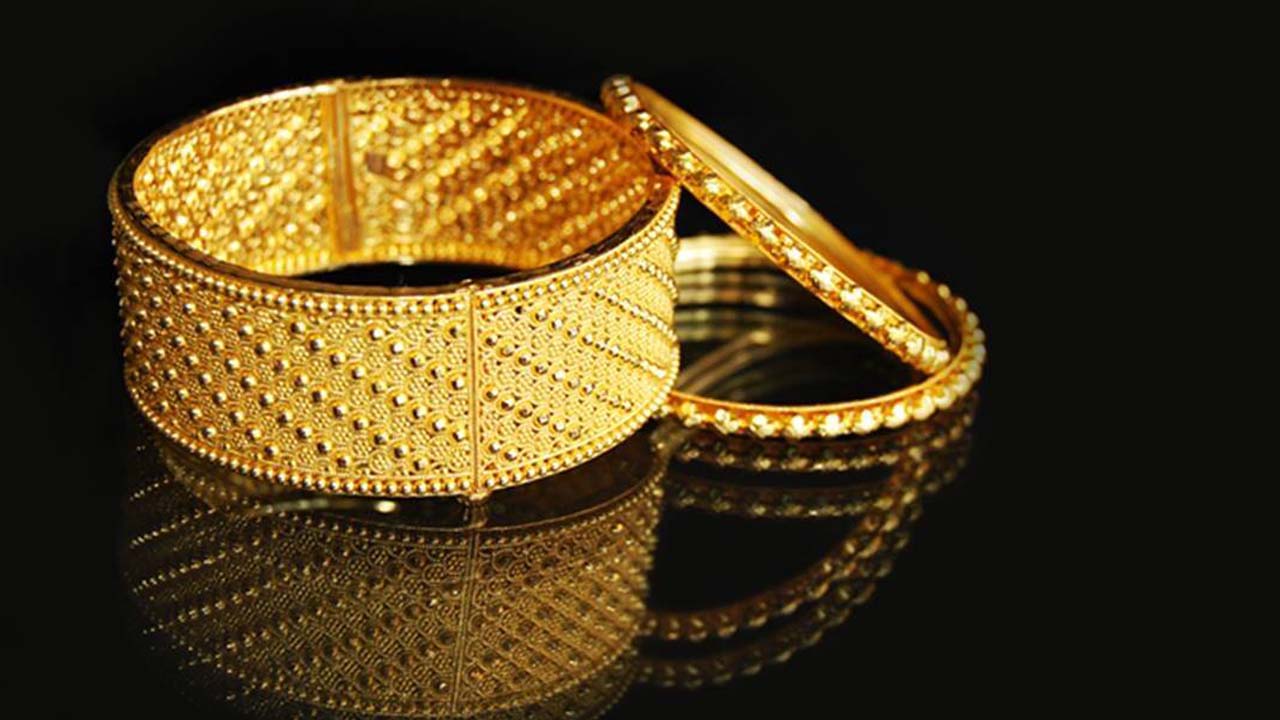
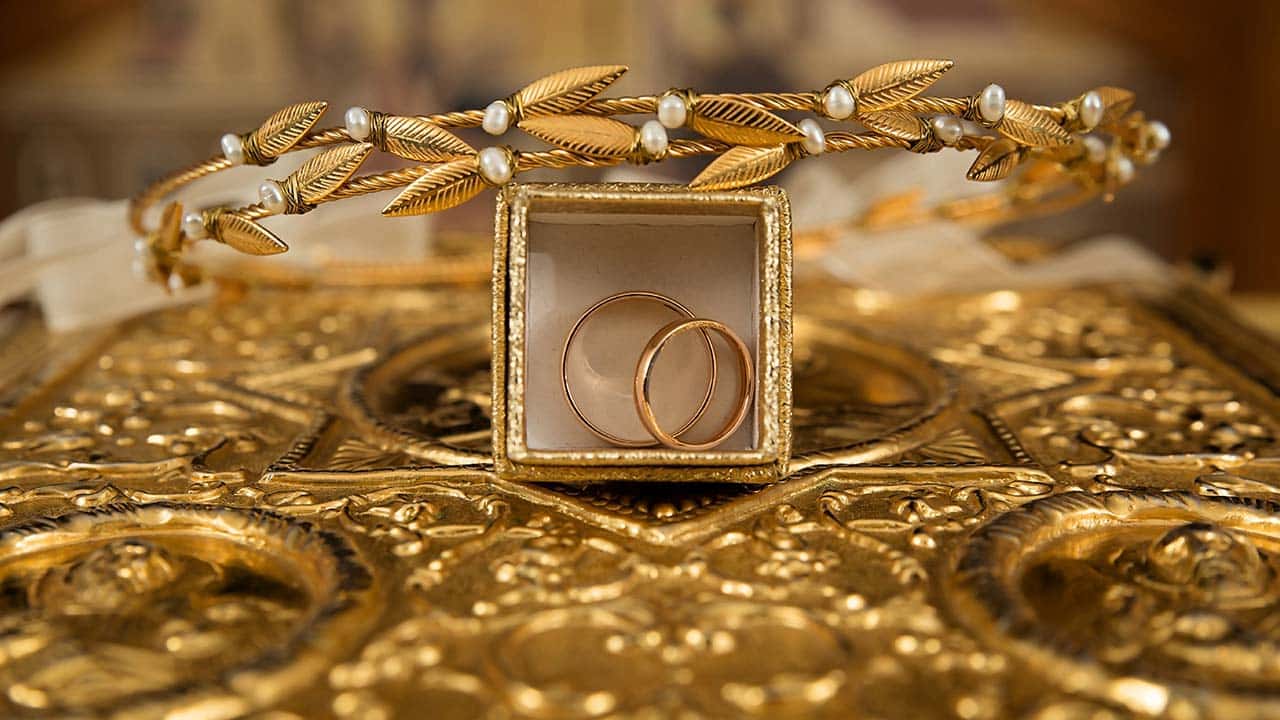
    Despite a $4 decline in the international market price to $1,794 per ounce, domestic gold prices rose to an all-time high of Rs164,200 per tola and Rs140,604 per 10 grammes on Monday. This is an increase of Rs700 and Rs601 from Saturday.

    The president of the All Sindh Saraf and Jewellers Association (ASSJA), Haji Haroon Rasheed Chand, claimed that the pressure on bullion rates has been caused by exchange rate changes.

    He claimed that despite the ongoing peak wedding season, jewellery sales remained low due to high gold prices.

    On January 1, the price of a tola and ten grammes of gold was Rs126,200 and Rs108,196, respectively, while the price of the precious metal was $1,830 per ounce on the world market. In the interbank market, the dollar was worth Rs177, while the current exchange rate was Rs223.99.

  • Pakistan aims to build $8.2 billion rail link with Uzbekistan

    Pakistan aims to build $8.2 billion rail link with Uzbekistan

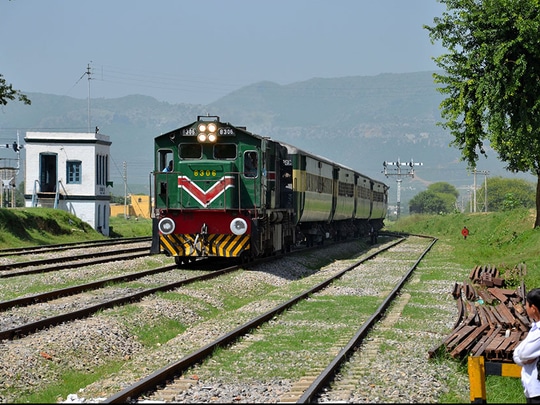
    Pakistan plans to build a rail link with Uzbekistan in an attempt to expand relations with Central Asian states. The project will roughly cost $8.2 billion.

    The decision to build the rail link was disclosed in a meeting of the Senate Standing Committee on Railways which was held at the Old PIPS Hall in the Parliament Lodges, reports SAMAA.

    The meeting was chaired by Senator Deputy Chairman Mirza Muhammad Afridi. The meeting was attended by Senator Dost Muhammad, Senator Shahadat Awan, Senator Mushtaq Ahmad, Railways Ministry Secretary Zafar Ranjha, and other concerned officers.

    During the meeting, Ranjha said that the government is deliberating on an Afghan Transit project which will link Pakistan with Uzbekistan.

    Uzbek Ambassador to Pakistan, Oybek Usmanov met with Finance minister Ishaq Dar in Islamabad on Saturday. During the meeting, he apprised the Uzbek Ambassador of the potential investment avenues in Pakistan.

    The Uzbek ambassador expressed the Uzbek government’s strong desire to improve trade, investment, and business relations with Pakistan on a variety of fronts.

  • Russia agrees to provide petrol and diesel to Pakistan at discounted rates

    Russia agrees to provide petrol and diesel to Pakistan at discounted rates

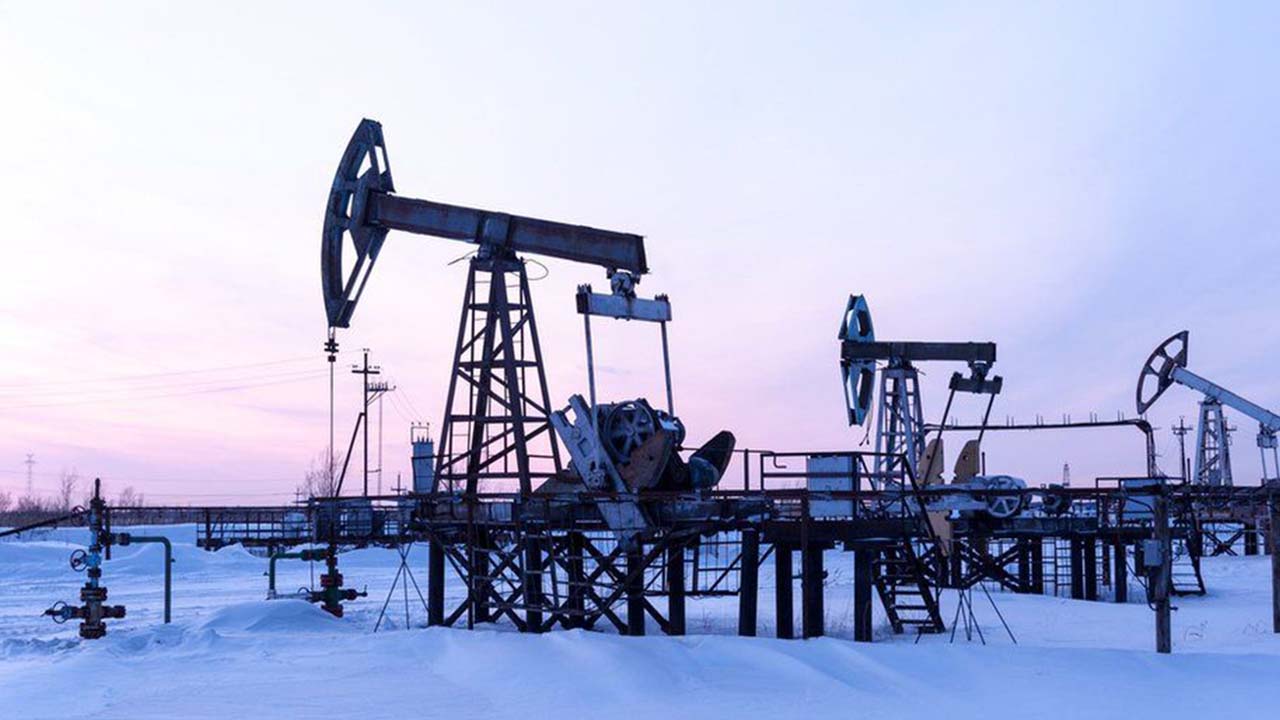
    State Minister for Petroleum Musadik Malik announced on Monday that Russia has agreed to supply Pakistan with cheap petrol, diesel, and crude oil.

    Malik said he wanted to congratulate the public for a fruitful trip to Russia, calling it “more successful than our expectations,” during a news conference in Islamabad.

    According to The News, the state minister for petroleum, the secretary for petroleum Capt. (retd) Muhammad Mahmood, the joint secretary, and representatives of the petroleum division made up the delegation from Pakistan that travelled to Moscow to look into the possibility of obtaining Russian crude oil and other petroleum products at a lower price.

    Malik said that Russia lacked liquefied natural gas (LNG). The import of LNG is the subject of ongoing discussions with Russian private companies, and Malik added that state-run LNG producers in Russia have also been contacted.

    The state minister claims that negotiations with Moscow about the pipeline projects have advanced significantly.

    The News last week stated, citing sources, that during negotiations in Moscow, the Pakistani team requested a 30–40 per cent discount on Russian crude oil; however, the Russians refused, stating that all volumes had already been promised.

  • Illegal commercial properties worth billions sealed in Lahore

    Illegal commercial properties worth billions sealed in Lahore

    The Evacuee Trust Property Board (ETPB) has sealed 11 distinct commercial buildings and properties worth billions of rupees in Lahore on the Supreme Court’s directives.

    The Federal Investigation Agency (FIA), a police team, and the administration conducted a raid and took action against encroachments under the direction of ETPB Chairman Habibur Rahman.

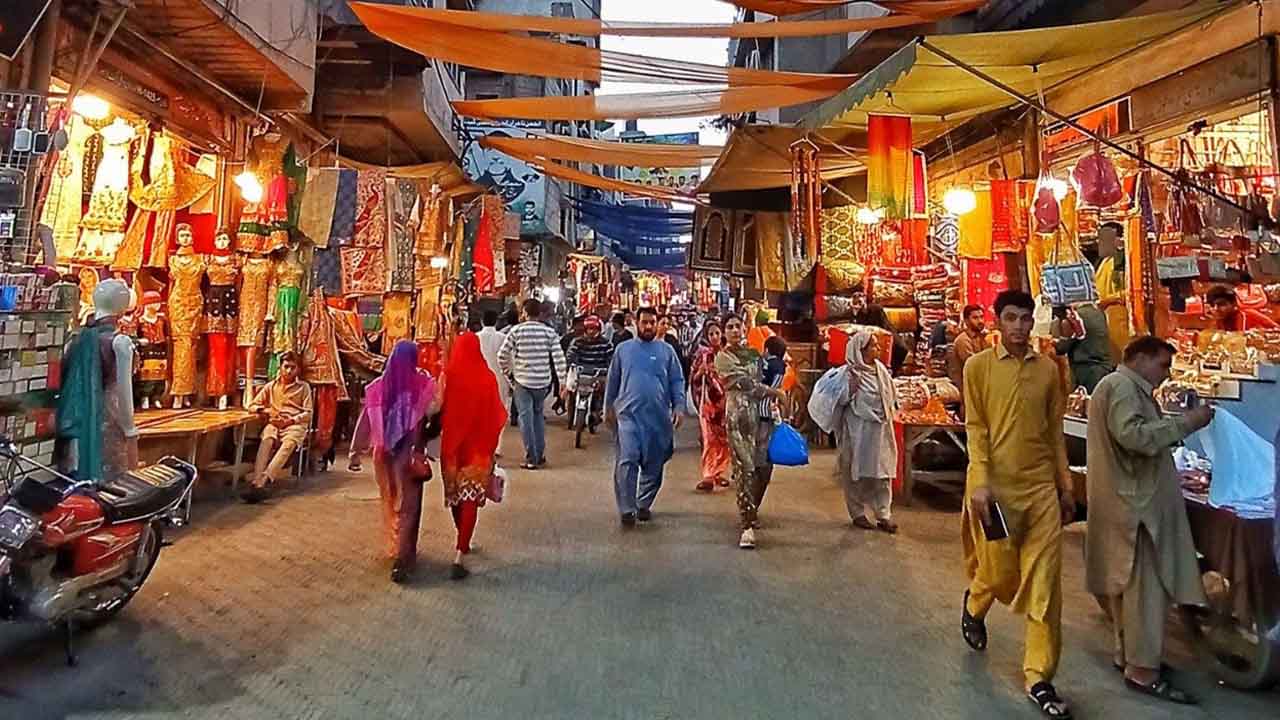
    In renowned commercial areas like Sheesha Moti Bazaar, Wichuwali, Hingana Street, Sutar Mandi, Ravi Road, Mohini Road, and Bradlaugh Hall, the team sealed numerous properties that were in illegal possession.

    Participating in the operation under the direction of Administrator Lahore Akram Joya were Deputy Administrator Taskinullah, Abdul Waheed Khan, Asim Ejaz, Ahmed Hassan, and Saad Butt.

    While, Director FIA Mohammad Zawar, SHO Raza Awan, SHO Benish Rehman, Rana Naeem, Kashif Gujjar also participated in the raid.

  • Bangladesh’s GDP is expected to reach $1 trillion by 2040 due to a fast-growing consumer market

    Bangladesh’s GDP is expected to reach $1 trillion by 2040 due to a fast-growing consumer market

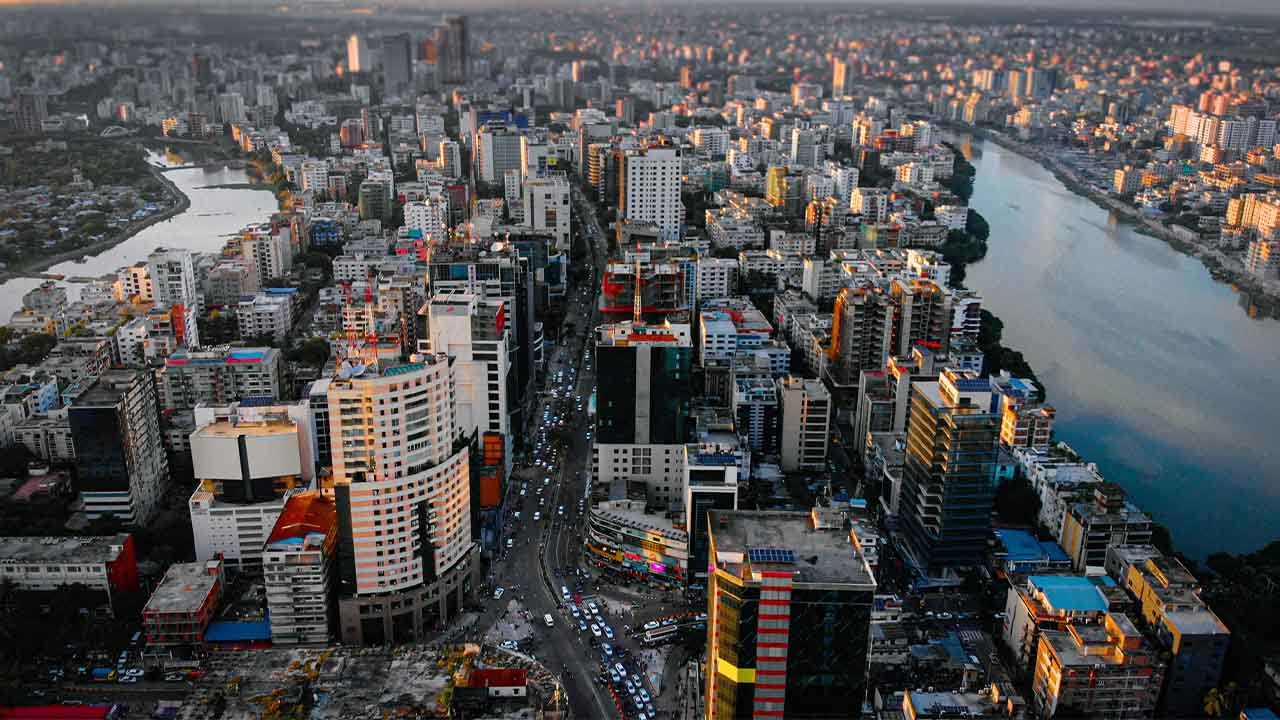
    Bangladesh is on track to have a $1 trillion economy by 2040, owing to consumer confidence, innovation in growing economic sectors, and a young, energetic workforce.

    According to a Boston Consulting Group (BCG) analysis released on Friday, the South Asian country has beaten rivals including India, Indonesia, Vietnam, Philippines, and Thailand with average annual growth of 6.4 per cent between 2016 and 2021.

    The domestic consumer market in Bangladesh is expected to expand to be the ninth-largest in the world. The survey also noted that between 2020 and 2025, a quickly growing middle class and wealthy class are expected to increase significantly, with a thriving gig economy supporting a workforce where the average age is only 28, according to Bloomberg.

    “The country could have easily been overshadowed by its neighbor to the northeast — China — or its continental cousin to the west — India — but in this region of economic powerhouses, Bangladesh stands tall,” BCG wrote.

    In 2015, Bangladesh moved up the income scale from poor to lower-middle income. Bangladesh’s GDP per capita is already larger than its neighbour, even though it is five years later than India. By 2031, the country hopes to reach upper middle income status.

    Some obstacles still exist. According to BCG, recent liquidity problems, as well as pressures from foreign exchange and inflation, could shorten growth. However, Bangladesh has made steps to prepare its $416 billion economy for a prosperous few decades, provided it keeps its average growth rate around 5 per cent.

    According to a BCG survey study, 57 per cent of respondents “continue to feel that, especially as the nation shifts to a skill-based economy, the next generation would have better lifestyles than themselves.”

    “Though the economy faces some near-term volatility, we are confident that this highly resilient economy will continue to demonstrate robust growth in the long term,” the report said.

  • Gold price hits an all-time high of Rs163,500 per tola in Pakistan

    Gold price hits an all-time high of Rs163,500 per tola in Pakistan

    In line with the continuous increase in global prices, the price of gold in Pakistan rose by another Rs750 per tola on Friday, hitting an all-time high of Rs163,500.

    According to information provided by the All Pakistan Sarafa Gold and Jewellers Association (APSGJA), the price of gold for a tola settled at Rs163,500. The price per 10 grammes increased by Rs643 to reach Rs140,175.

    Given that Pakistan imports the precious metal it needs to meet its demand, the rupee’s stability against the US dollar at a record high level is thought to be the main cause of the increase.

    The stock market is currently experiencing selling pressure due to the economy’s overheating, therefore players are shifting their investments to gold, according to Geo.

    Safe-haven investment is once again drawn to gold. Analysts contend that during times of inflation individuals typically invest in gold.

    The cost of gold on international markets, the rupee-to-dollar exchange rate, and the supply and demand in domestic markets affect the price of gold on local markets. The latest price for local markets was determined considering the prices at which trade took place among buyers and sellers.

    As cautious investors prepared for the release of US jobs data, the price of gold rose by $19 per ounce on the international market, finishing at $1,799, but safe-haven bullion was still expected to post a second consecutive weekly gain due to forecasts of a slowing in the rate of US rate hikes.

    In Pakistan, gold is priced about Rs1,000 less than it would be in the Dubai market.

    In the meantime, domestic silver prices increased by Rs10 per tola and Rs8.58 per 10 grammes, respectively, to settle at Rs1,780 per tola and Rs1,526.06 per 10 grammes.

  • Pakistan’s petroleum sales decline by 12% due to high fuel prices and limited car sales

    Pakistan’s petroleum sales decline by 12% due to high fuel prices and limited car sales

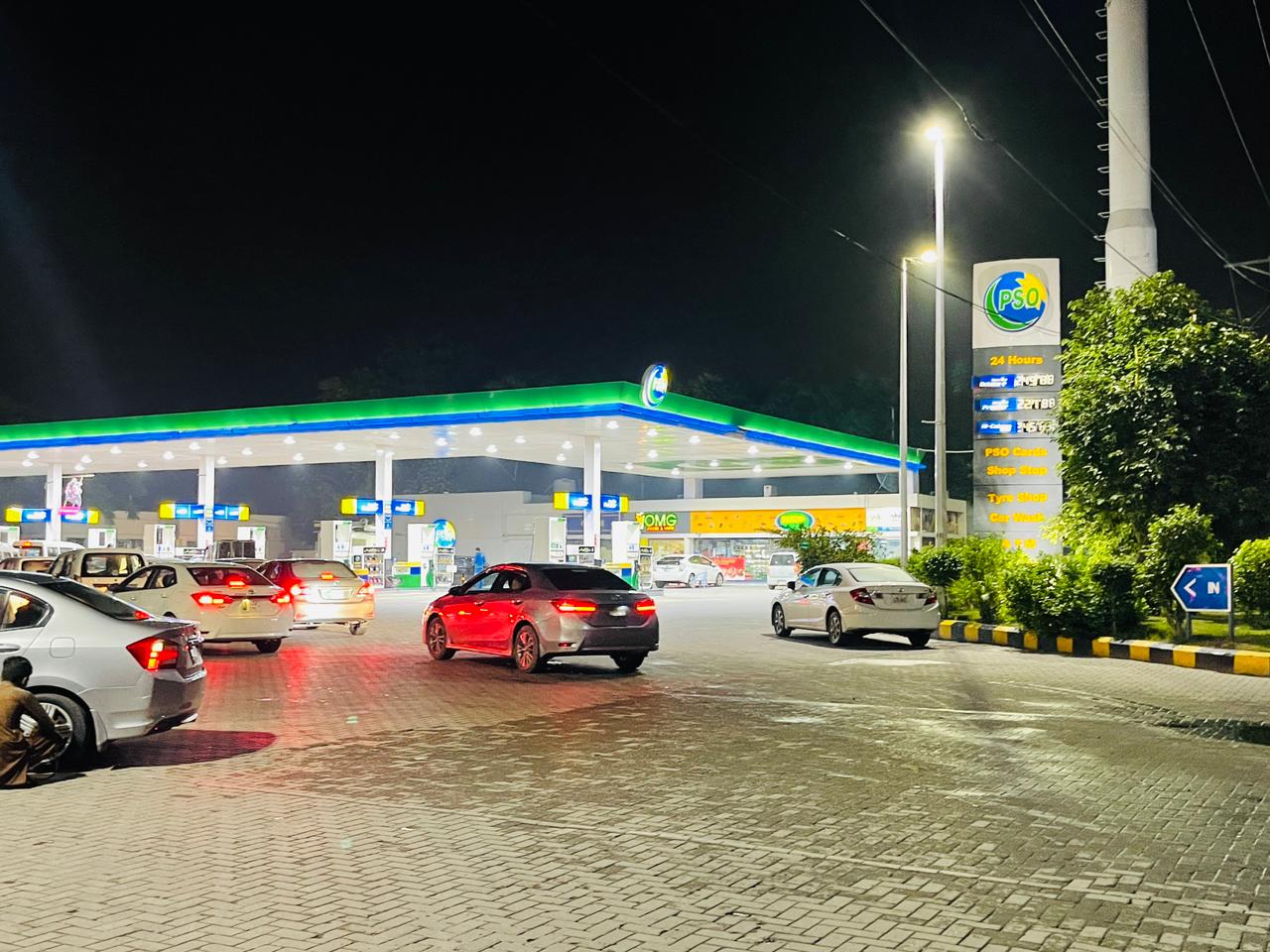
    Sales of Pakistan’s oil marketing companies (OMCs) dropped in November 2022 by 12 percent YoY and 7 percent MoM to 1.55 million metric tonnes (MT), down from 1.66 MT in October 2022 and 1.99 MT in November 2021. This decline was caused by higher petroleum prices, lower power generation, and a decline in car sales.


    Product-wise, sales of Motor Spirit (MS) declined by 3 per cent YoY to reach 0.67 million tonnes, while sales of High Speed Diesel (HSD) decreased by 18 per cent YoY to reach 0.67 million in November 2022. In the meantime, FO sales volumes fell by 22 per cent YoY to 0.14 million tonnes.


    Volumes of MS, HSD, and FO decreased on a monthly basis by 1 per cent, 6 per cent, and 33 per cent MoM, respectively.


    Overall, OMC sales decreased by 20 per cent YoY to 7.70 MTs in 5MFY23 from 9.60 MTs in 5MFY22, a 20 per cent drop. When compared to the same period previous year, the sales of MS, HSD, and FO fell by 16 per cent YoY, 24 per cent YoY, and 26 per cent YoY, respectively.


    As per company-level analysis, Attock Petroleum (APL) saw sales increase by 21 per cent YoY and 4 per cent MoM to 0.13MTs during the review period, while Pakistan State Oil (PSO) saw sales decline by 2 per cent YoY and 5 per cent MoM to 0.81MTs.


    In the meantime, sales at Shell Pakistan (SHEL) fell by 10 per cent MoM and 21 per cent YoY during the review period, to 0.11MTs.


    In November 2022, HASCOL’s sales plummeted by 30 per cent MoM and 16 per cent YoY, respectively, to reach 0.021MTs.
    PSO, APL, SHEL, and HASCOL’s combined sales for 5MFY23 were 4.02MT, 0.71MT, 0.57MT, and 0.13MT, respectively, representing declines of 18 per cent YoY, 21 per cent YoY, 23 per cent YoY, and 2 per cent YoY.

  • Pakistan’s trade deficit increases by 23% as exports decline

    Pakistan’s trade deficit increases by 23% as exports decline

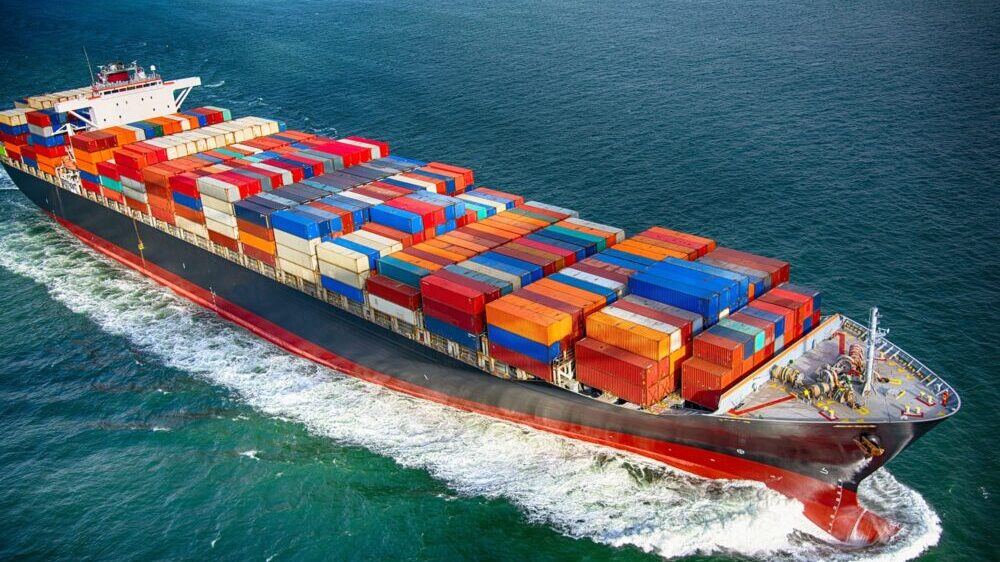
    According to the most recent data released by the Pakistan Bureau of Statistics (PBS), Pakistan’s trade deficit for the month of November 2022 came in at $2.88 billion, up from $2.33 billion in October.

    This represents a 23.59 per cent increase month over month, while the deficit decreased 42.46 per cent year over year from $4.99 billion during the same period in 2017.

    The decrease in the trade imbalance is the result of a decrease in imports, as the import bill for the month of November was $5.25 billion, up 11.34 per cent month over month and down 33.60 per cent year over year.

    In the meantime, exports saw a minor dip of 0.63 per cent MoM to $2.37 billion from $2.38 billion in October 2022. In contrast, on an annual basis, exports decreased by 18.34 per cent from $2.9 billion in November 2021.

    Exports from Pakistan in terms of Rupees totaled Rs528 billion in November 2022 as opposed to Rs525.83 billion in October 2022 and Rs502 billion in November 2021, representing an increase of 0.41 per cent MoM and 5.18 per cent over the same period in the previous year.

    Similarly, imports in November 2022 rose by 12.47 per cent MoM to Rs1.17 trillion from Rs1.04 trillion in October 2022, while on an annual basis, imports fell by 14.49 per cent from Rs1.37 trillion in November 2021.

    The overall trade deficit for 5MFY23 was $14.41 billion, which was a reduction of 30.14 per cent YoY from the deficit experienced during the same time period in 2012.

  • Pakistani rupee remains unchanged for the 4th time in a week

    Pakistani rupee remains unchanged for the 4th time in a week

    The Pakistani rupee (PKR) once again remained unchanged versus the US dollar in the interbank market during the final trading session of the week.

    It is worth noting that this is the fourth time that the local currency has shown a 0.00 per cent change this week. The only change witnessed in the rupee’s value was reported by the State Bank of Pakistan (SBP) on December 1, when the rupee appreciated only 0.12 per cent to close at Rs223.69.

    The rupee closed at Rs223.69 against the US dollar on Friday. On a weekly basis, the PKR registered an increase of 0.11 per cent against the greenback.

    Additionally, the SBP’s foreign exchange reserves declined by $327 million every week, totaling $7.5 billion as of November 25, 2022.

    For Pakistan, which has been frantically pursuing dollar inflows to meet its balance-of-payments needs, the reserve position is crucial. A low reserve level puts pressure on the currency, which has recently only experienced stability.

    As data showing increased US consumer spending in October encouraged investor hopes that the peak in interest rates was on the horizon, the dollar held steady on Friday but was pinned down near 16-week lows against a basket of major currencies.

    A stronger US dollar limited gains as oil prices, a major metric of currency parity, edged up in Asian trading on Friday on expectations for further easing of COVID controls in China, which might aid in the recovery of demand in the world’s second-largest economy.

  • Rolex to begin certifying used watches as original

    Rolex to begin certifying used watches as original

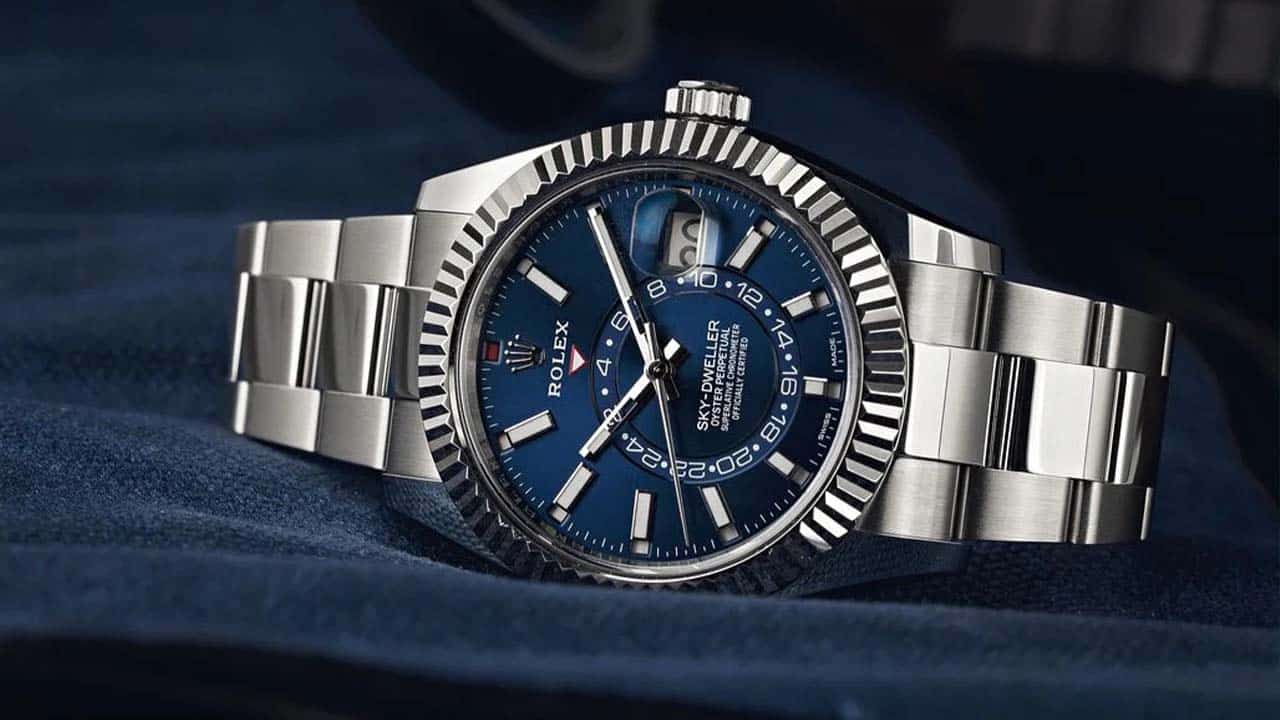
    Luxury watchmaker Rolex SA will start issuing certificates of authenticity to authorised dealers selling pre-owned Rolex watches.

    According to the report, Bucherer, a Swiss retailer, will be the first to start offering pre-owned Rolex watches that have been certified as authentic by the brand at its retail locations across Europe.

    The report also stated that other authorised Rolex dealers can start taking part in the initiative in the spring of 2023.

    In an effort to deter market flippers who sell recently released watches above retail, Rolex stated that it will only certify timepieces that have been purchased at least three years prior.

    Rolex, a luxury brand whose timepieces predominate in secondhand sales through dealers and online, is making a dramatic turn by authenticating its own used watches. Deloitte predicts that the market for high-end used watches would reach $35 billion by 2030.

    Prior to this, Rolex did not play a part in authenticating or monitoring the products it supplied to its dealer network. Additionally, the action will help to strengthen its brand and weed out fakes.

    Auction houses and unlicensed sellers of used watches both offline and online will not be permitted to take part in the programme.

    Secondhand watches have already been certified by other Swiss watchmakers. The majority of pre-owned timepieces sold are Rolex watches.

    Independent brands like H. Moser & Cie and MB&F, as well as smaller rival brands like Vacheron Constantin and Zenith, sell pre-owned watches in their own boutiques. Richemont, which owns Vacheron as well as a stable of brands like Jaeger-LeCoultre, IWC, and A. Lange & Sohne, purchased online retailer Watchfinder in 2018.

    Authorized dealers may occasionally sell certified pre-owned timepieces through the programme at a premium to those offered at retail rates for new watches in rare circumstances. These models include enduringly well-liked categories like the Rolex Submariner, Daytona, and GMT that frequently sell above retail pricing because retail demand outpaces supply.

    It was previously believed that the demand for luxury watches increased as a result of many wealthy customers learning about Swiss brands like Rolex, Omega, Audemars Piguet, and Patek Philippe while confined to their houses during the pandemic.

    According to estimates from Morgan Stanley, Rolex is the largest Swiss watch brand, producing over 1 million watches annually, with annual sales of roughly 8 billion Swiss francs ($8.5 billion) and a market share of close to 29 per cent.

    As demand for Rolex, Omega, and Vacheron Constantin timepieces continued to soar, Swiss watch exports hit record highs in July, with prices rising to their highest levels in eight years, according to a report from Bloomberg in August.