Oil prices dipped on Monday as ample global supply outweighed concerns over potential disruptions following the U.S. capture of Venezuelan President Nicolas Maduro during a bold weekend raid.
Brent crude fell 50 cents, or 0.8 percent, to $60.26 a barrel by 0752 GMT, while U.S. West Texas Intermediate slipped 53 cents, or 0.9 percent, to $56.79 a barrel.
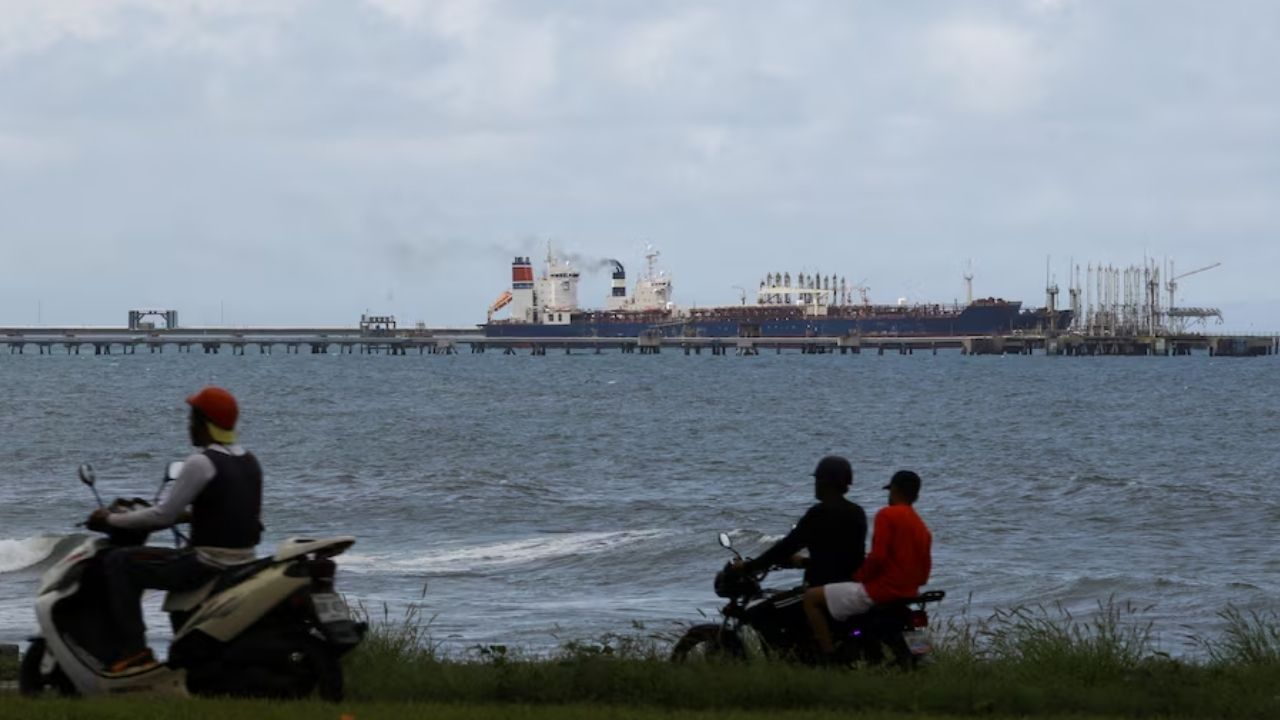
Markets were volatile in early Asian trading as investors assessed the political turmoil in Venezuela, a member of the Organization of the Petroleum Exporting Countries (OPEC), and its potential impact on oil production.
President Donald Trump said Washington DC would take control of the country and confirmed that the U.S. embargo on Venezuelan oil remained in place after Maduro was detained in New York on Sunday.
Analysts, however, suggested that with global oil supplies abundant, any short-term disruption to Venezuela’s exports would have limited effect on prices.
According to Kazuhiko Fuji, a consulting fellow at Japan’s Research Institute of Economy, Trade and Industry, Venezuela’s oil infrastructure has not been impacted by U.S. strikes.
“Even if Venezuelan exports are temporarily disrupted, over 80 percent are destined for China, which has built up ample reserves, and alternative sourcing is unlikely to strain the market,” Fuji said.
Despite Maduro and his wife Cilia Flores being detained, top officials in his government have called the arrests a kidnapping and remain in control, pledging loyalty to the president.
Analysts cautioned, however, that a regime change could suppress prices.
Venezuelan production could climb by a few hundred thousand barrels per day by the end of 2026, but further gains would require significant investment, according to Raymond James analysts.
UBS strategist Giovanni Staunovo added, “Any meaningful recovery in Venezuelan output is likely to take considerable time.”
Trump indicated on Sunday that a second military strike on Venezuela was possible if remaining officials did not cooperate with U.S. efforts to “fix” the country.
Helima Croft, head of commodities research at RBC Capital, said, “All bets are off in a chaotic change-of-power scenario like what we saw in Libya or Iraq.”
The Organization of the Petroleum Exporting Countries and its allies, collectively known as OPEC+, decided on Sunday to maintain their output. It announced that current production levels would remain unchanged.
Trump also hinted at possible further U.S. interventions in Latin America, suggesting that Colombia and Mexico could face military action if they fail to curb the flow of illicit drugs into the United States.
Analysts are also closely monitoring developments in Iran, another OPEC producer, after Trump warned of possible U.S. intervention in the country’s crackdown on protests, adding to broader geopolitical tensions.